
How Big Is a Chipmunk? Size, Weight and Burrow Depth
An eastern chipmunk is 8–11 inches including tail and weighs about 3 ounces — but its burrow runs 10 to 30 feet. Sizes, and when they reappear in spring.
 By
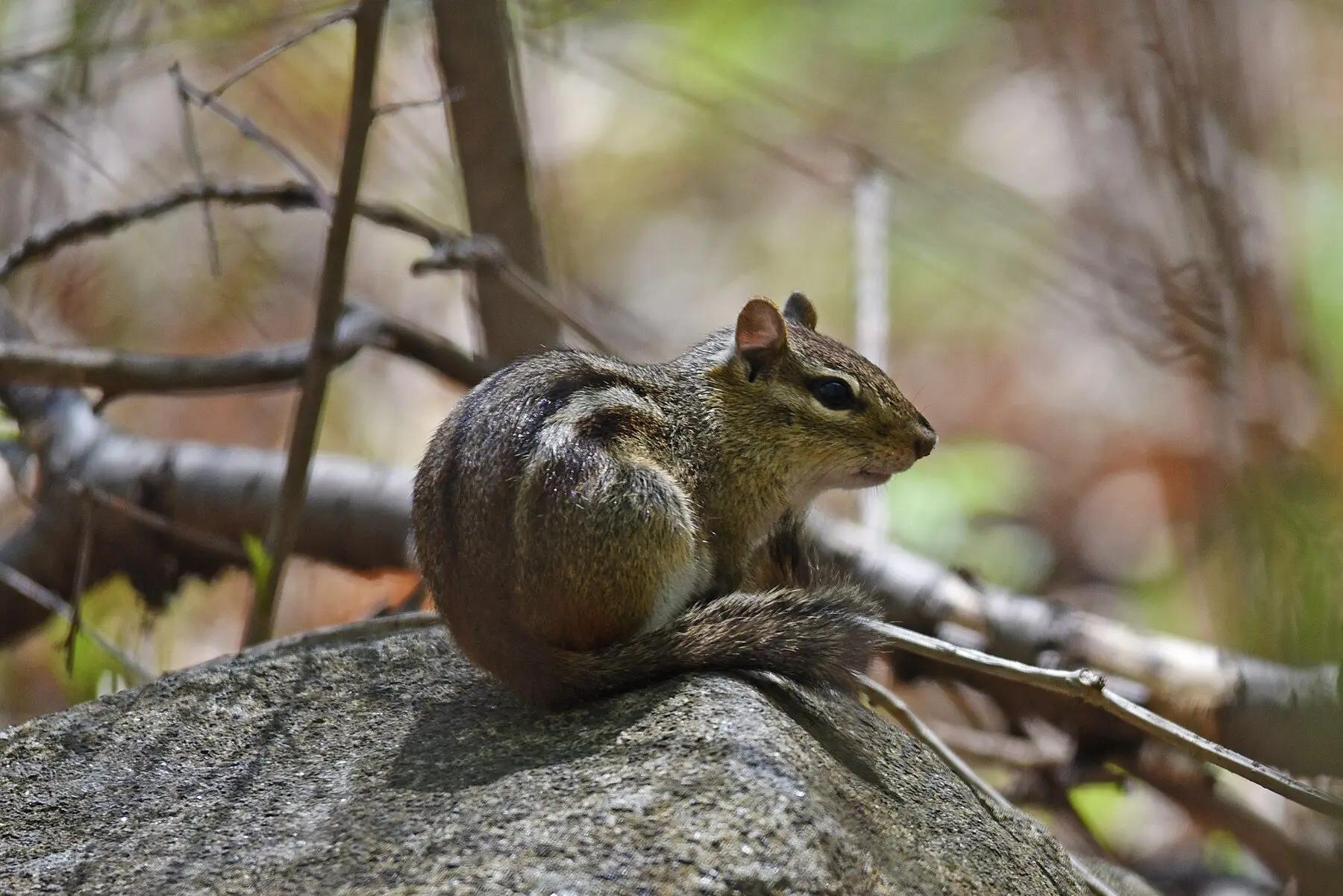

On this page
About 8 to 11 inches nose to tail tip, and roughly 3 ounces for the eastern chipmunk — the species in most North American backyards. The animal is small. The burrow it digs is not, which is where most of the surprise lies.
Sizes by species
| Species | Total length | Weight | Where |
|---|---|---|---|
| Eastern chipmunk | 8–11 in | 2.5–4.5 oz | Eastern US and Canada |
| Least chipmunk | 6.5–8.5 in | 1.1–1.8 oz | Widest western range; smallest |
| Yellow-pine chipmunk | 7–9 in | 1.5–2.5 oz | Western mountains |
| Townsend’s chipmunk | 9–12 in | 2.5–4.5 oz | Pacific Northwest; largest |
| Siberian chipmunk | 7–10 in | 1.8–4 oz | Asia; kept as a pet in places |
Against a squirrel
| Chipmunk | Grey squirrel | Ground squirrel | |
|---|---|---|---|
| Length | 8–11 in | 17–20 in | 9–20 in |
| Weight | ~3 oz | 14–21 oz | 5–30 oz |
| Face stripes | Yes | No | No |
| Back stripes | Yes, bold | No | Sometimes, faint |
| Tail | Slim, held horizontal | Bushy, arched over back | Moderately bushy |
| Home | Ground burrow | Tree drey or cavity | Ground burrow |
| Cheek pouches | Large and obvious | No | Yes |
The face stripes settle it. A chipmunk has dark and light stripes running through the eye and across the cheek; no squirrel does.
The tail is the other giveaway, and it is slimmer and flatter than people expect — held out behind rather than arched over the back.
The burrow is the disproportionate part
A three-ounce animal digs a system that would be respectable for something ten times its size:
- 10 to 30 feet of horizontal tunnel, sometimes more
- Chambers 2 to 3 feet below the surface
- A nesting chamber, often with the food store kept underneath the bedding
- Side tunnels and a second entrance as an escape route
- An entrance hole about 2 inches across
No soil mound — that is the tell
Chipmunks carry excavated soil away in their cheek pouches and scatter it, specifically so the entrance is not advertised to predators. So a clean 2-inch hole with no mound is a chipmunk; a hole with a mound around it is more likely a vole, a mole or a crayfish.
That same set of pouches stretches to roughly three times the size of the head, which is how one animal moves dozens of seeds or several acorns in a single trip.
They do not really hibernate
The question “when do chipmunks come out of hibernation” has a slightly wrong premise built in.
True hibernators — groundhogs, some ground squirrels — drop their body temperature for months and live on stored fat. Chipmunks use torpor instead: bouts of a few days with the body temperature and heart rate down, then waking to eat from the food store in the burrow, then dropping back.
Which is why they cache so obsessively in autumn. They are not building fat reserves so much as stocking a larder they will wake up to use all winter.
In practice:
- North: mostly below ground from late October or November, regular above-ground activity resuming March to early April
- South: far less dormancy; active on and off all winter, with activity picking up as early as February
- Any mild spell can bring them out at any point — a chipmunk on the patio in January is normal, not a sign something has gone wrong
Size tracks lifespan loosely across the small mammals in a garden — see how long chipmunks live.
What the size means practically
- A 2-inch hole is all they need, and they will use gaps in foundations, under decks and beside patio edges.
- Quarter-inch hardware cloth is the exclusion standard; anything larger they pass through or gnaw.
- They undermine rather than gnaw. Patio bases, retaining walls and the soil under a shed slab are where damage actually shows up, from tunnelling rather than chewing.
- They cannot reach most feeders, but they clean up what falls — spilled birdseed is the single biggest driver of high chipmunk density in a yard.
- Three ounces makes them prey for hawks, owls, cats, foxes, snakes and weasels, which is why a typical wild life is only two to three years.
Common questions
How big is a chipmunk?
How is a chipmunk different from a squirrel?
When do chipmunks come out of hibernation?
How deep is a chipmunk burrow?
How much can a chipmunk carry in its cheeks?
How long do chipmunks live?
Backyard Weekly
Know what to plant, week by week
Join the weekly email for seasonal jobs, fixes for what is going wrong, and gear worth buying.
Not ready to subscribe? The planting calendar is free and needs no email.
By subscribing you agree to our privacy policy. Grow In Backyard will never sell your address.
Keep reading
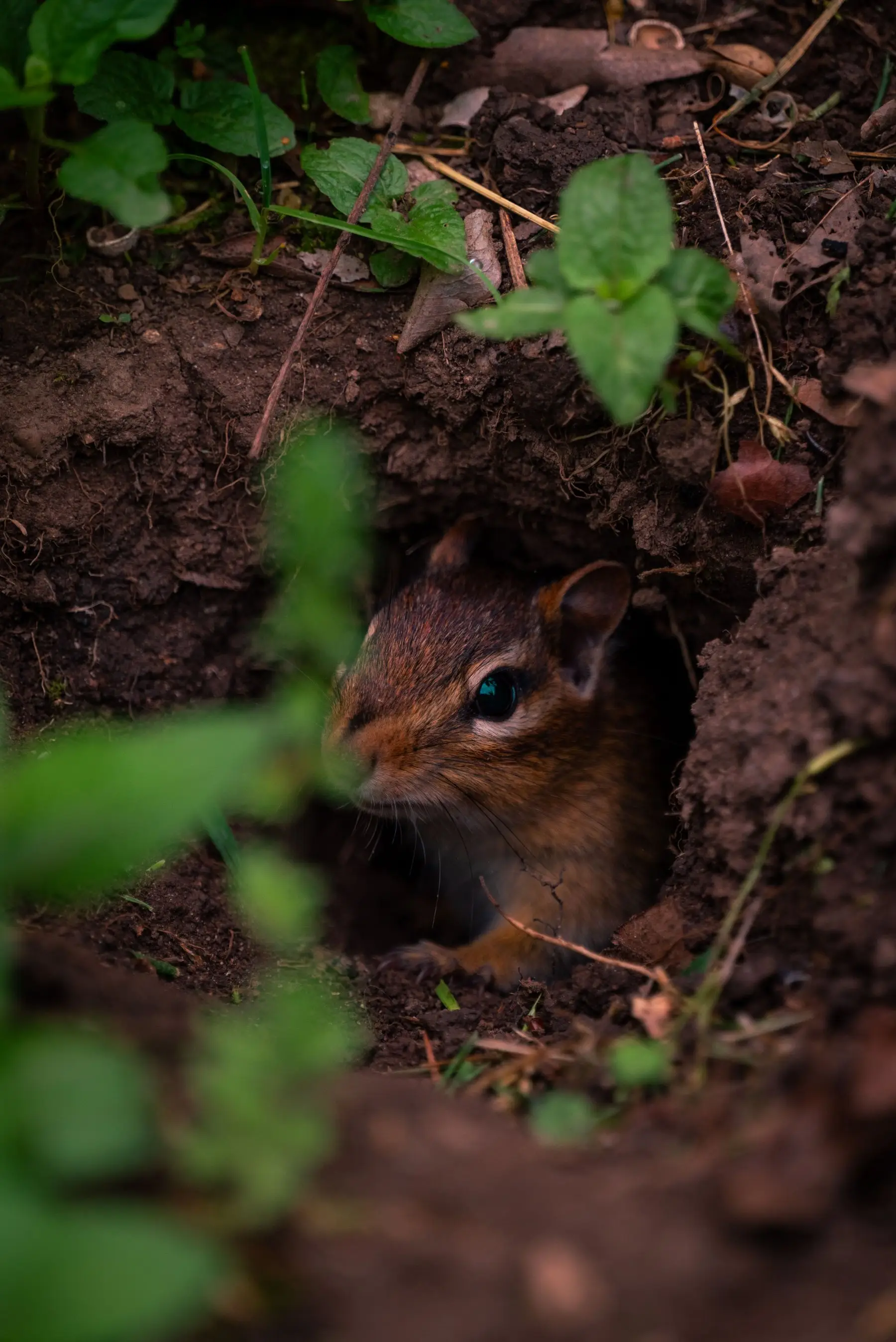
Where Do Chipmunks Sleep? Inside a Burrow You Never See
Chipmunks sleep in a nest chamber deep in a burrow system with a hidden entrance. How the tunnels are built, and what they do through the winter.
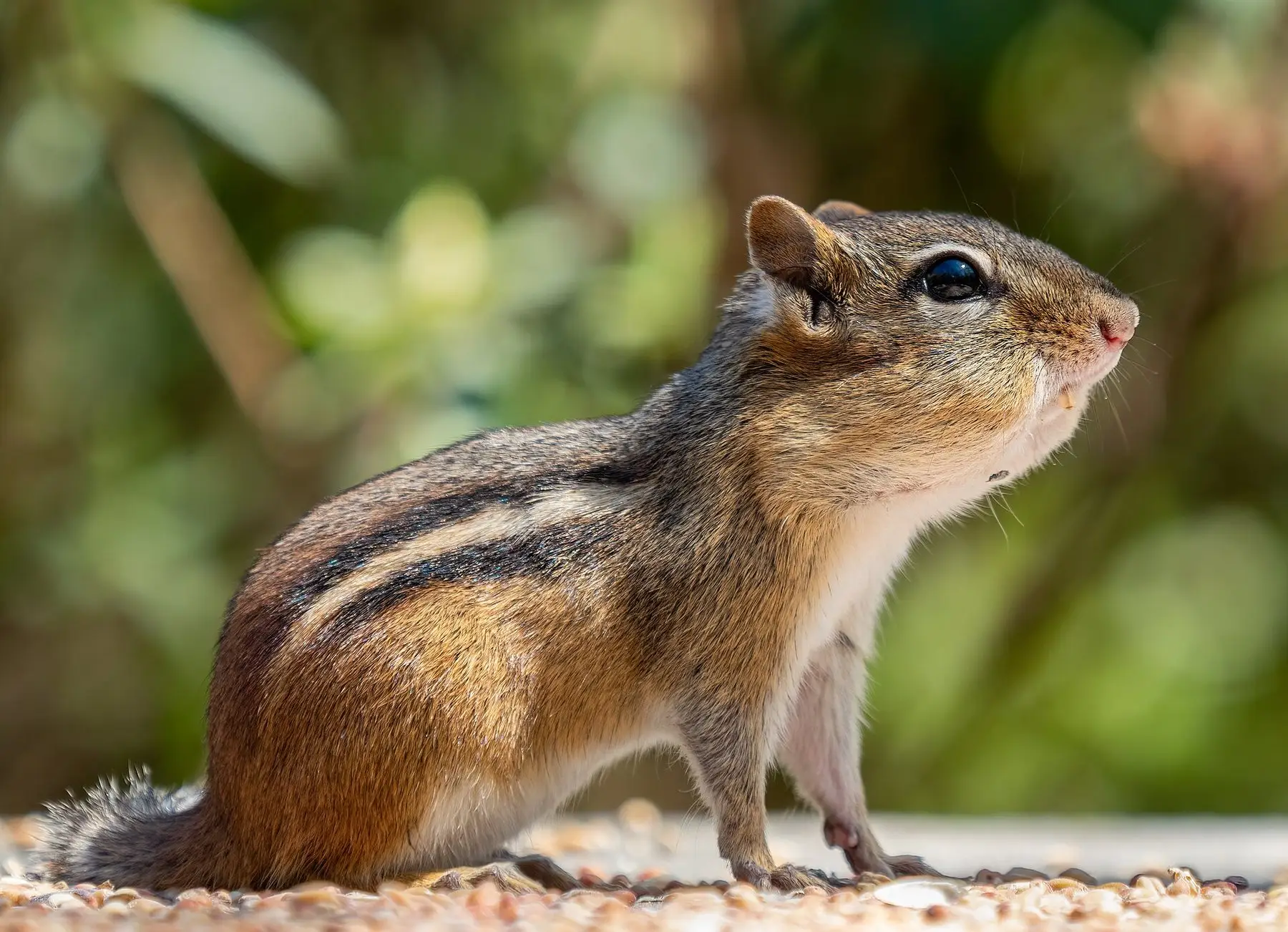
How Long Do Chipmunks Live? And Why They Dig Up Pots
Wild chipmunks rarely see three years — predators and winter mortality see to that. Realistic lifespan, what they eat, and why flower pots are such an easy target.
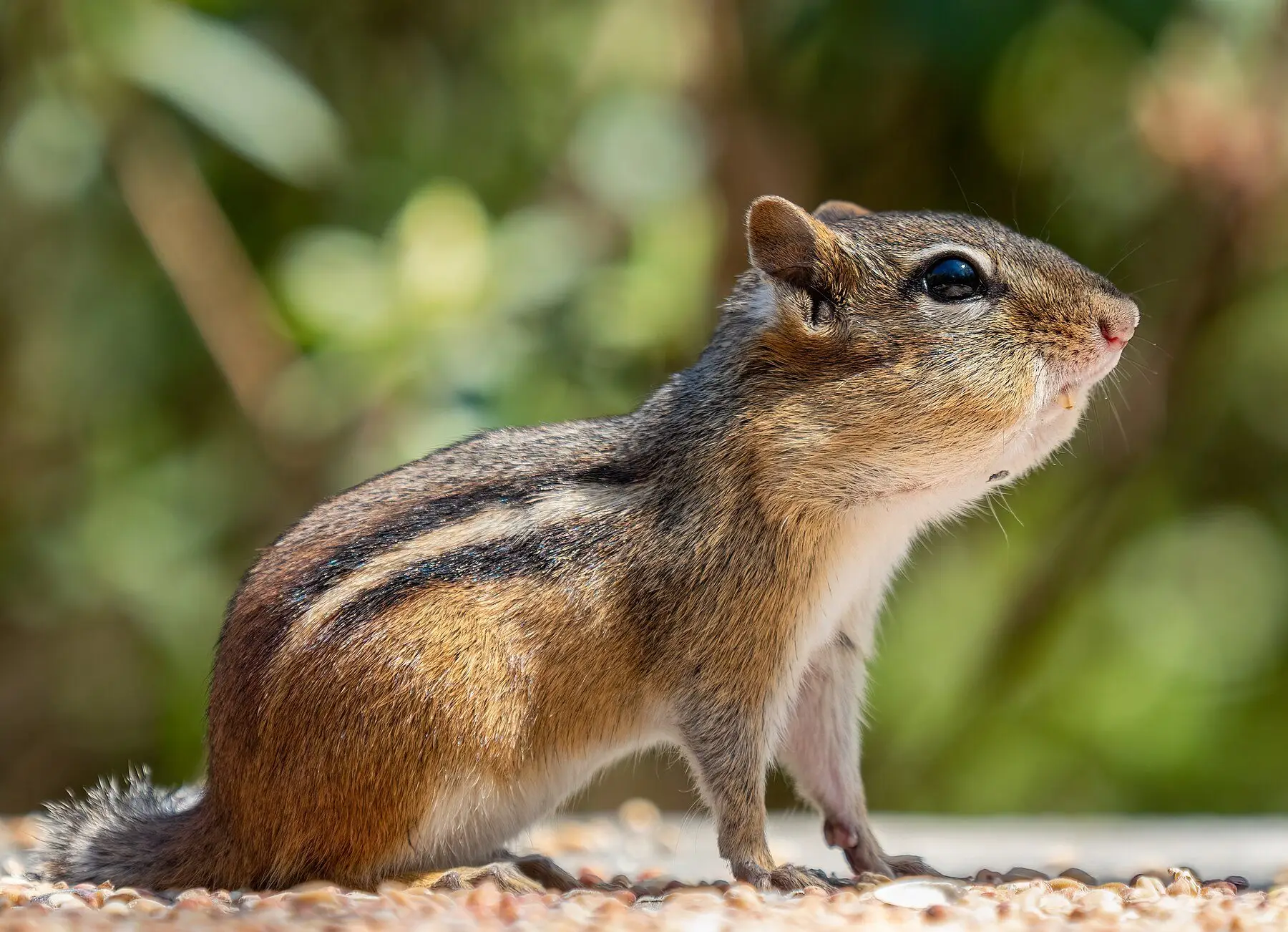
What Do Chipmunks Eat? Seeds, Nuts, and a Lot Else
Chipmunks are omnivores hoarding seeds and nuts in cheek pouches — plus insects, eggs and fungi. What to feed them, what harms them, and why they dig your pots.
Why Do Chipmunks Chirp? What Each Sound Actually Means
The chip, the chuck and the trill are three different alarms for three different threats. How to read them, and what the yard is telling you.