
What Do Chipmunks Eat? Seeds, Nuts, and a Lot Else
Chipmunks are omnivores hoarding seeds and nuts in cheek pouches — plus insects, eggs and fungi. What to feed them, what harms them, and why they dig your pots.
 By

On this page
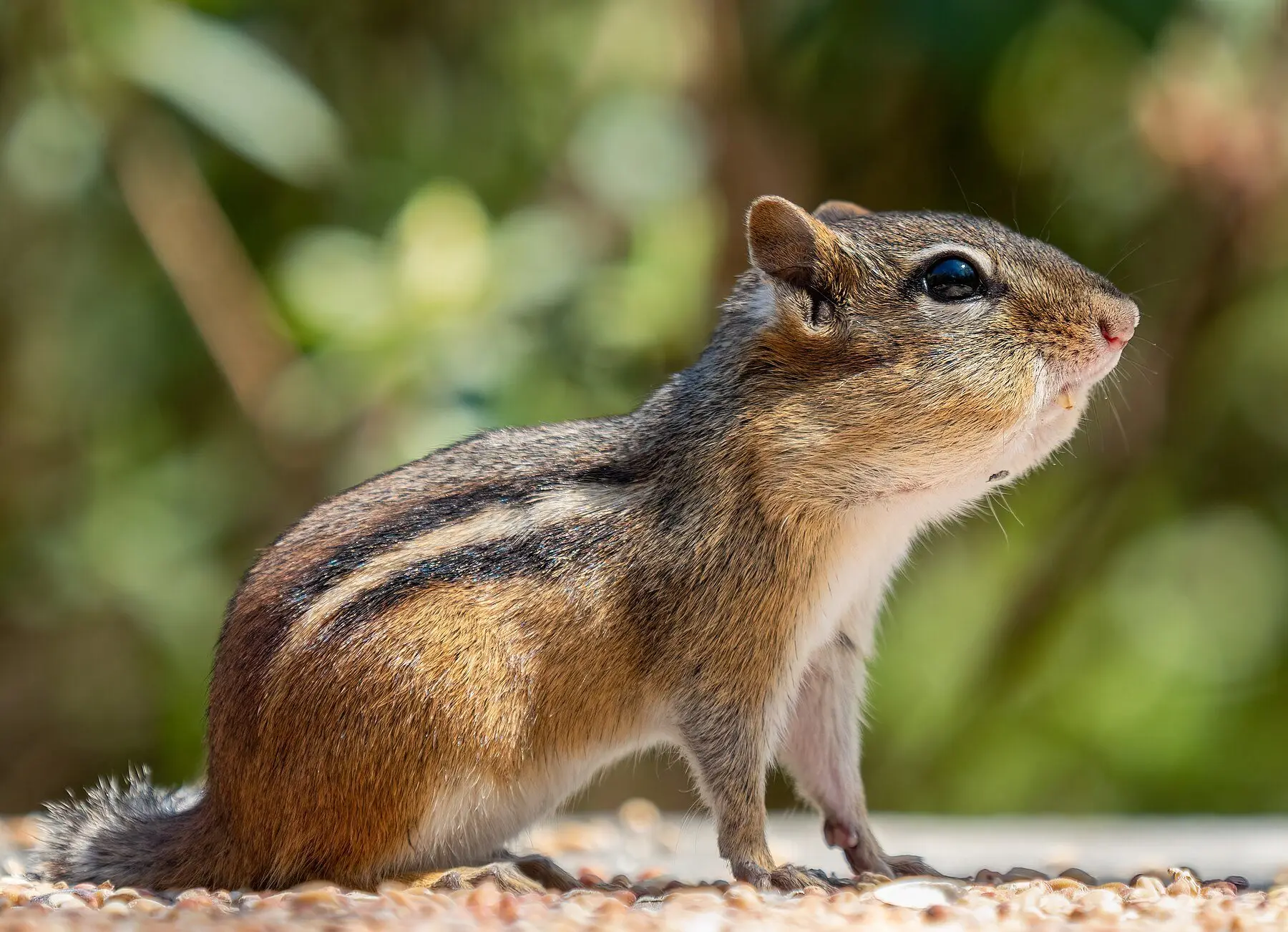
Chipmunks are omnivores and hoarders, and both halves of that matter. The diet is far broader than the seed-eating image suggests, and the hoarding explains nearly all of their behaviour around a garden.
The actual diet
The bulk: seeds, nuts, acorns, beechmast, berries, fungi, buds and grain.
Also, regularly: insects, worms, snails, slugs, birds’ eggs, nestlings, small frogs, and carrion.
That last group surprises people. A chipmunk is not a vegetarian — it takes protein whenever it is available, and nest raiding is part of the picture in spring.
Fungi matter more than you would guess. Chipmunks eat and spread mycorrhizal fungi, which form the root partnerships that trees depend on. They are doing real ecological work while digging your pots — which is much of why they are not really bad to have around until one burrows under something structural.
Hoarding is the key behaviour
Squirrels scatter-hoard — thousands of small buried caches.
Chipmunks larder-hoard — one central store, in the burrow.
This is why a chipmunk visits the same feeder again and again in quick succession: it is not eating, it is transporting. Cheek pouches hold a genuinely remarkable volume relative to body size, and a chipmunk can move a large quantity of seed in an afternoon.
It also explains the autumn frenzy, and why they are unbothered by depleting a feeder.
Safe and unsafe
| Safe, in moderation | Avoid |
|---|---|
| Raw unsalted almonds, walnuts, hazelnuts | Anything salted, roasted or seasoned |
| Raw sunflower and pumpkin seeds | Chocolate — toxic |
| Grapes, apple, berries | Bread and processed food |
| Carrot, cucumber, leafy greens | Dairy — they are lactose intolerant |
| Corn, occasionally | Peanuts as a staple — bone disease |
The peanut problem applies here too
Peanuts are legumes with a calcium-to-phosphorus ratio that is wrong for small rodents. Occasional is fine; as a staple they cause metabolic bone disease, which wildlife rehabilitators see routinely in heavily fed populations.
Why they dig your pots
Two reasons, both fixable:
Caching. A pot of loose soil is ideal storage.
Bulbs. Tulips and crocus are food. Daffodils, alliums and fritillaries are not — they are left alone almost entirely.
Fixes:
- Cover the soil surface — hardware cloth cut to the pot, decorative gravel, large pebbles, or pine cones laid on top.
- Plant bulbs they ignore.
- Clear spilled bird seed, which is what draws them in to begin with.
- Lay wire mesh over bulb beds at planting, removed in spring.
The burrow
Twenty to thirty feet of tunnel, with separate chambers for sleeping, food storage and waste.
The entrance is usually a neat two-inch hole with no soil mound — because they carry excavated earth away in their cheek pouches specifically to avoid advertising the entrance.
That absence of a mound is the quickest way to tell a chipmunk burrow from a rat hole or a vole run.
They do not truly hibernate. They enter torpor and wake periodically through winter to eat from the larder, which is why the autumn hoarding is so intense and why you occasionally see one on a mild winter day.
Common questions
What do chipmunks eat?
Can chipmunks eat almonds?
Can chipmunks eat grapes?
How do you keep chipmunks out of flower pots?
Do chipmunks burrow in the ground?
What should you not feed chipmunks?
Backyard Weekly
Know what to plant, week by week
Join the weekly email for seasonal jobs, fixes for what is going wrong, and gear worth buying.
Not ready to subscribe? The planting calendar is free and needs no email.
By subscribing you agree to our privacy policy. Grow In Backyard will never sell your address.
Keep reading
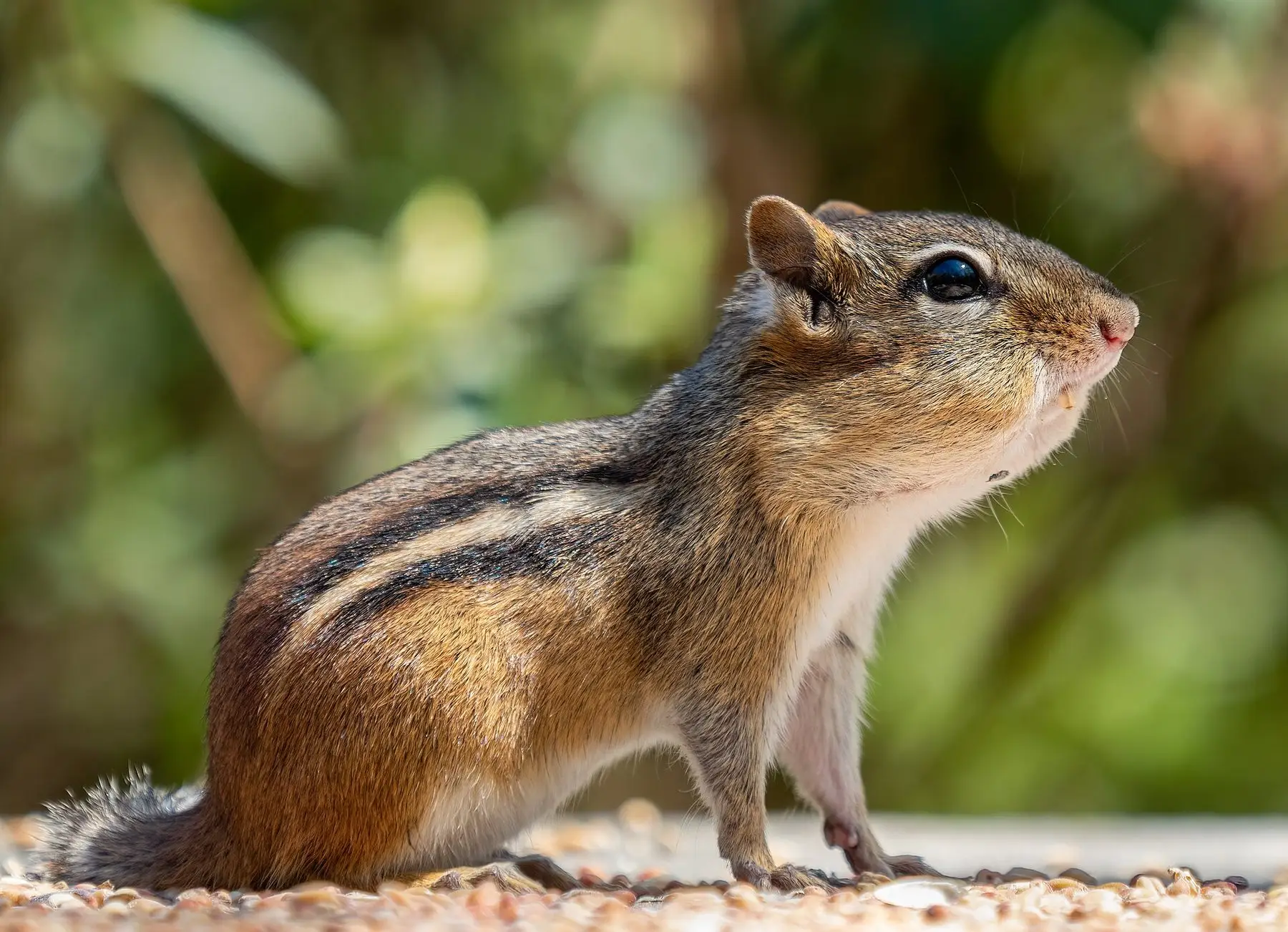
How Long Do Chipmunks Live? And Why They Dig Up Pots
Wild chipmunks rarely see three years — predators and winter mortality see to that. Realistic lifespan, what they eat, and why flower pots are such an easy target.
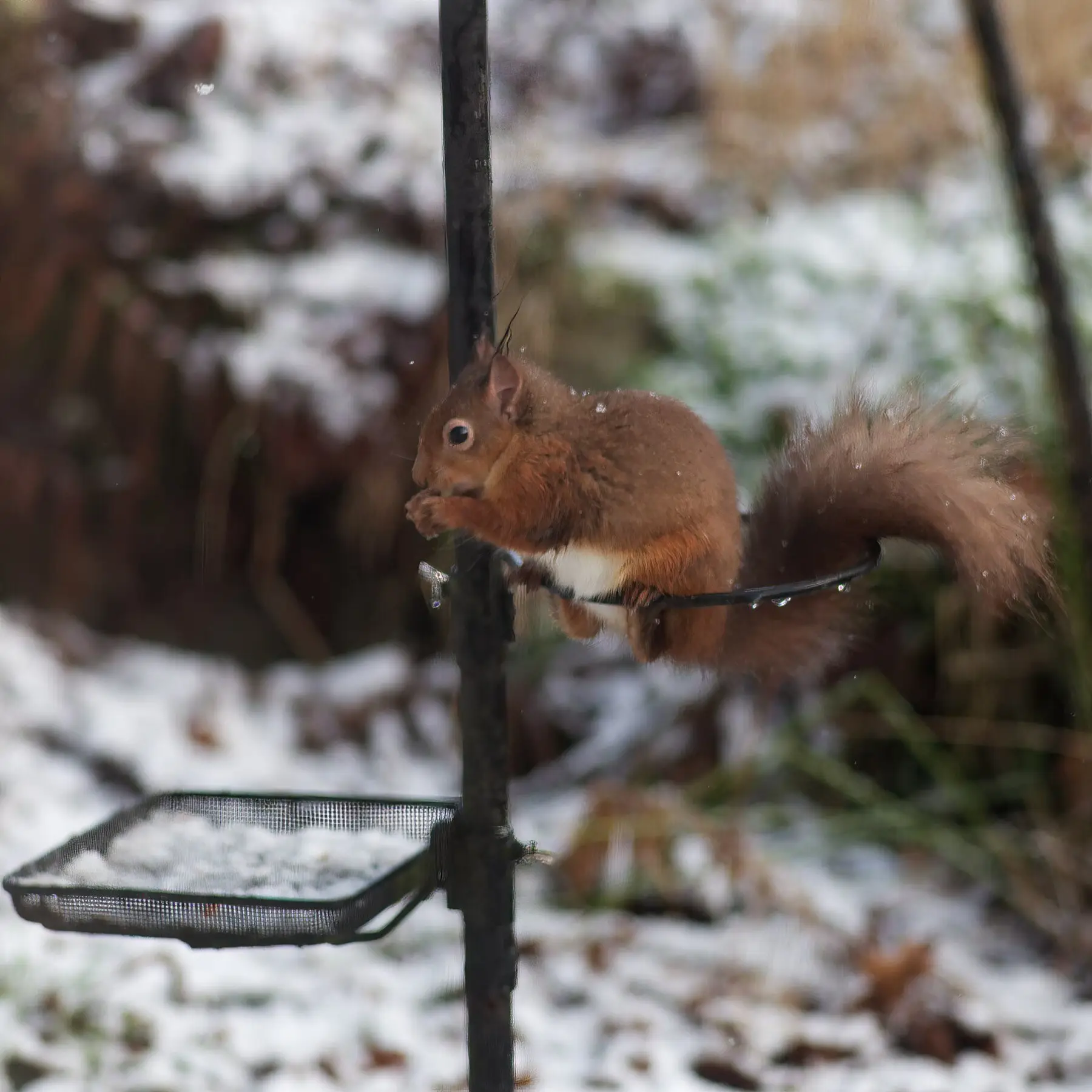
What Not to Feed Squirrels (And Whether to Feed Them at All)
Peanuts, bread, chocolate and salted nuts all cause real harm. The safe list, why corn is worse than it looks, and the case against feeding squirrels.
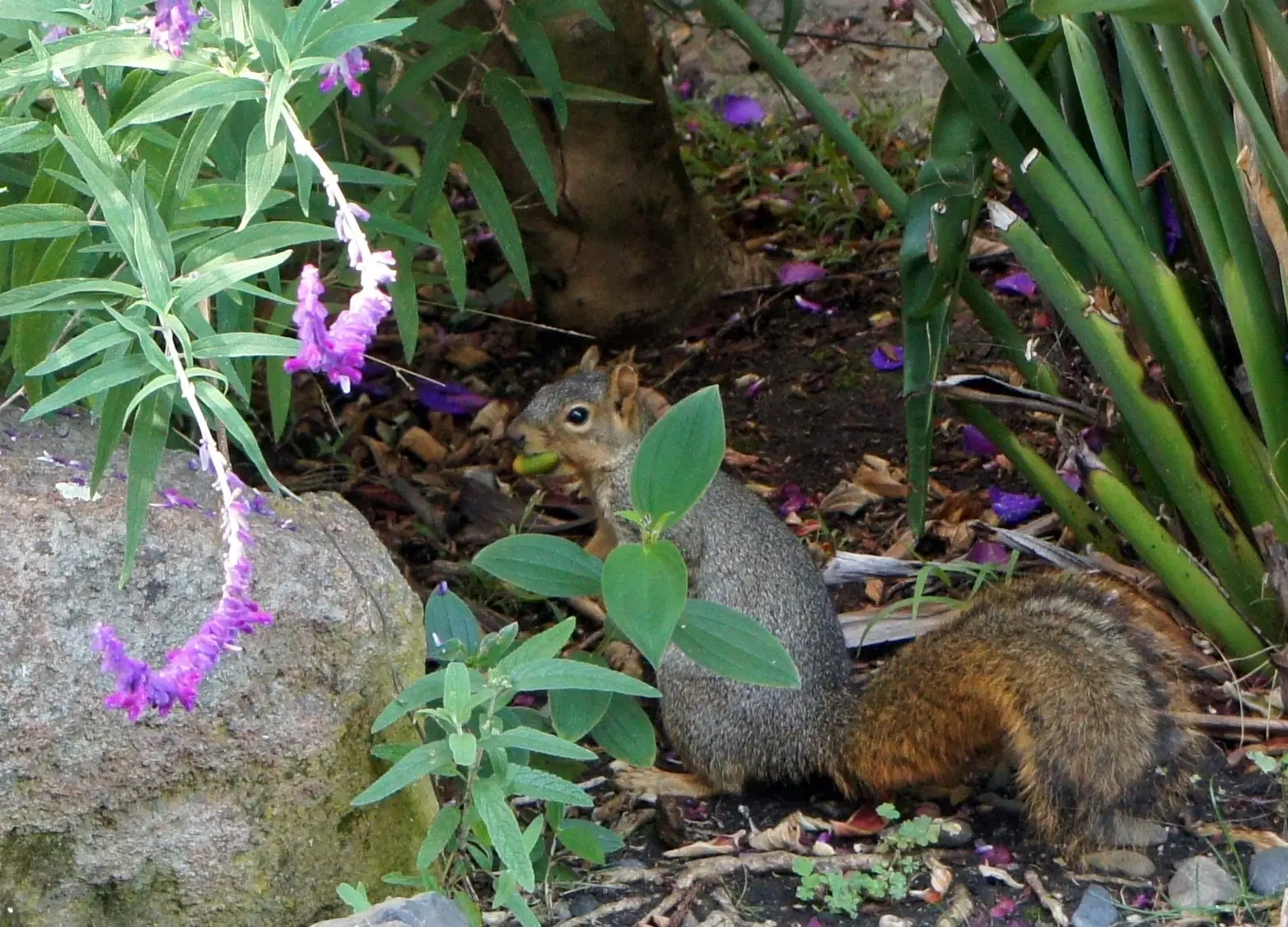
Will Squirrels Eat Your Garden? What's Actually at Risk
Squirrels dig up bulbs, strip tomatoes, and raid every nut tree in reach — but leave most vegetables alone. What they actually target, and what stops them.
What Do Deer Eat? Garden Plants and What Not to Feed Them
Deer will eat far more of a garden than most plant lists admit, and a few backyard treats are genuinely dangerous. What is safe to feed, and what to skip.