How Long Do Chipmunks Live? And Why They Dig Up Pots
Wild chipmunks rarely see three years — predators and winter mortality see to that. Realistic lifespan, what they eat, and why flower pots are such an easy target.
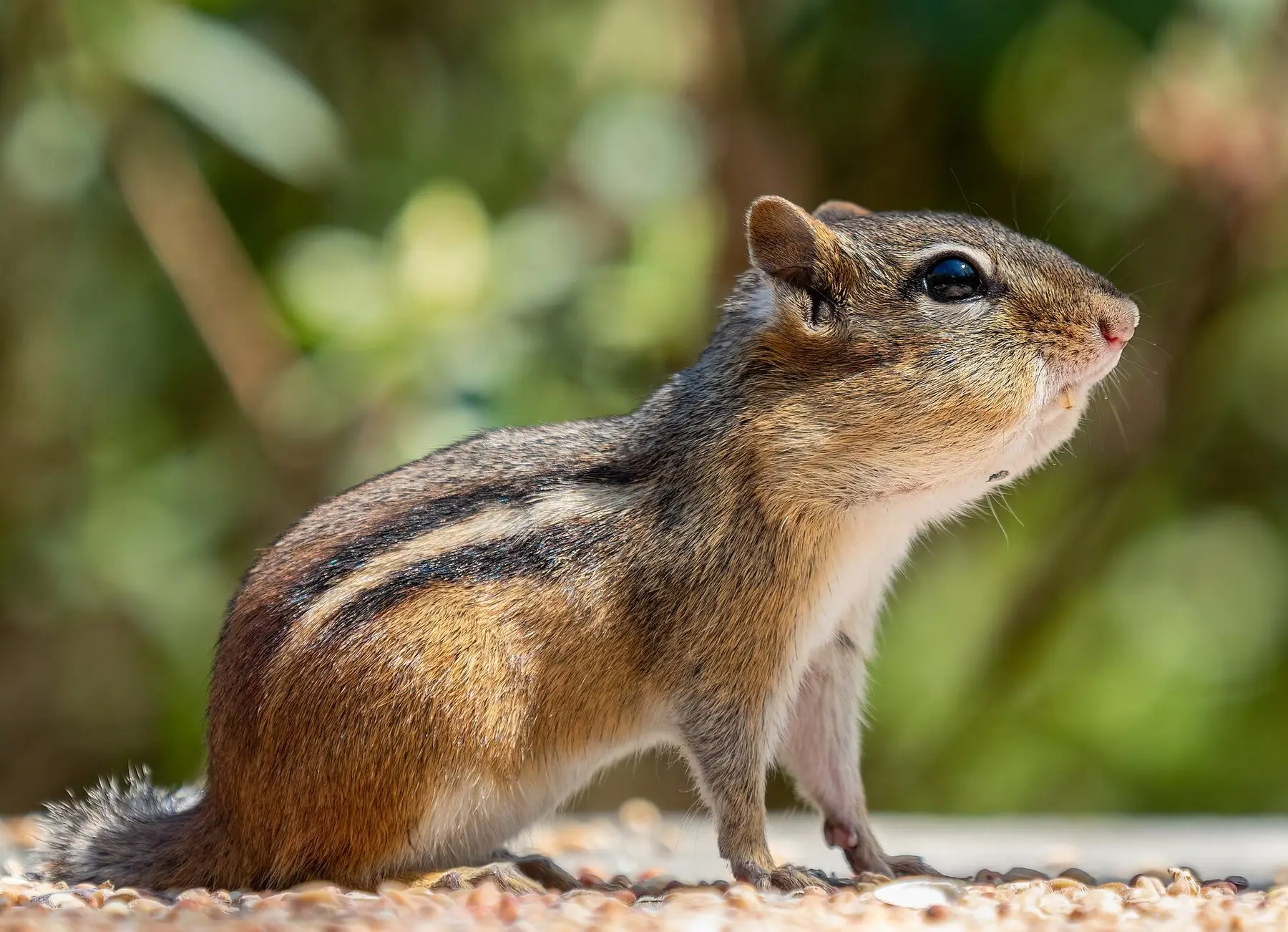
.jpg)
On this page
Chipmunks share most of the same wild-versus-kept lifespan pattern as their larger tree-squirrel relatives, for largely the same reasons — and the same small size that makes them appealing to watch also makes them vulnerable to nearly everything.
Why so few reach old age
| Factor | Effect |
|---|---|
| Predation (hawks, snakes, cats, foxes) | The leading cause of death, especially for juveniles |
| Winter conditions | Even with caching, a hard winter causes real mortality |
| Small body size | Limited fat reserves and more predators able to take them |
| Captivity / no predators | Lifespan roughly triples |
The pattern is the same one that shows up across small mammals generally: a short average driven by heavy losses in the first year, and a much better outlook for any individual that survives to adulthood.
Not quite hibernation
Chipmunks spend winter underground in a burrow system, in a state of torpor — a lowered metabolic and body-temperature state — but they periodically rouse themselves to eat from the food caches they built up in autumn, rather than remaining continuously dormant the way a groundhog does. This is why chipmunk activity above ground effectively disappears for months at a time without the animal being in true uninterrupted hibernation.
What they actually eat, and why pots get hit
Chipmunks forage seeds, nuts, berries, and some insects, carrying food in their cheek pouches back to underground caches — the same caching strategy squirrels use, on a smaller scale.
Why a potted plant looks worse hit than a garden bed
Container soil is loose and easy to dig, and it often already contains exactly what a chipmunk is looking for — a buried bulb, recently sown seed, or a good caching spot. The same digging behaviour happens in open garden soil, but it is far more visually concentrated and obvious in the confined space of a pot, which is why potted plants often seem singled out when the animal is really just doing what it does everywhere.
A layer of coarse gravel or mesh over the soil surface in vulnerable pots, and keeping bulbs at a reasonable planting depth, reduces the appeal without needing to exclude chipmunks from the area entirely. The wider approach to protecting garden plants from foraging animals generally is covered in will squirrels eat your garden — most of it applies equally to chipmunks.
Common questions
What is the life expectancy of a chipmunk?
Do chipmunks hibernate?
What do chipmunks eat?
Why do chipmunks dig in flower pots specifically?
Backyard Weekly
Know what to plant, week by week
Free planting calendar. Join the weekly email for seasonal jobs, fixes for what is going wrong, and gear worth buying.
Set MONETIZATION.email.endpoint in src/config/site.ts to enable this form.
By subscribing you agree to our privacy policy. Grow In Backyard will never sell your address.
Keep reading
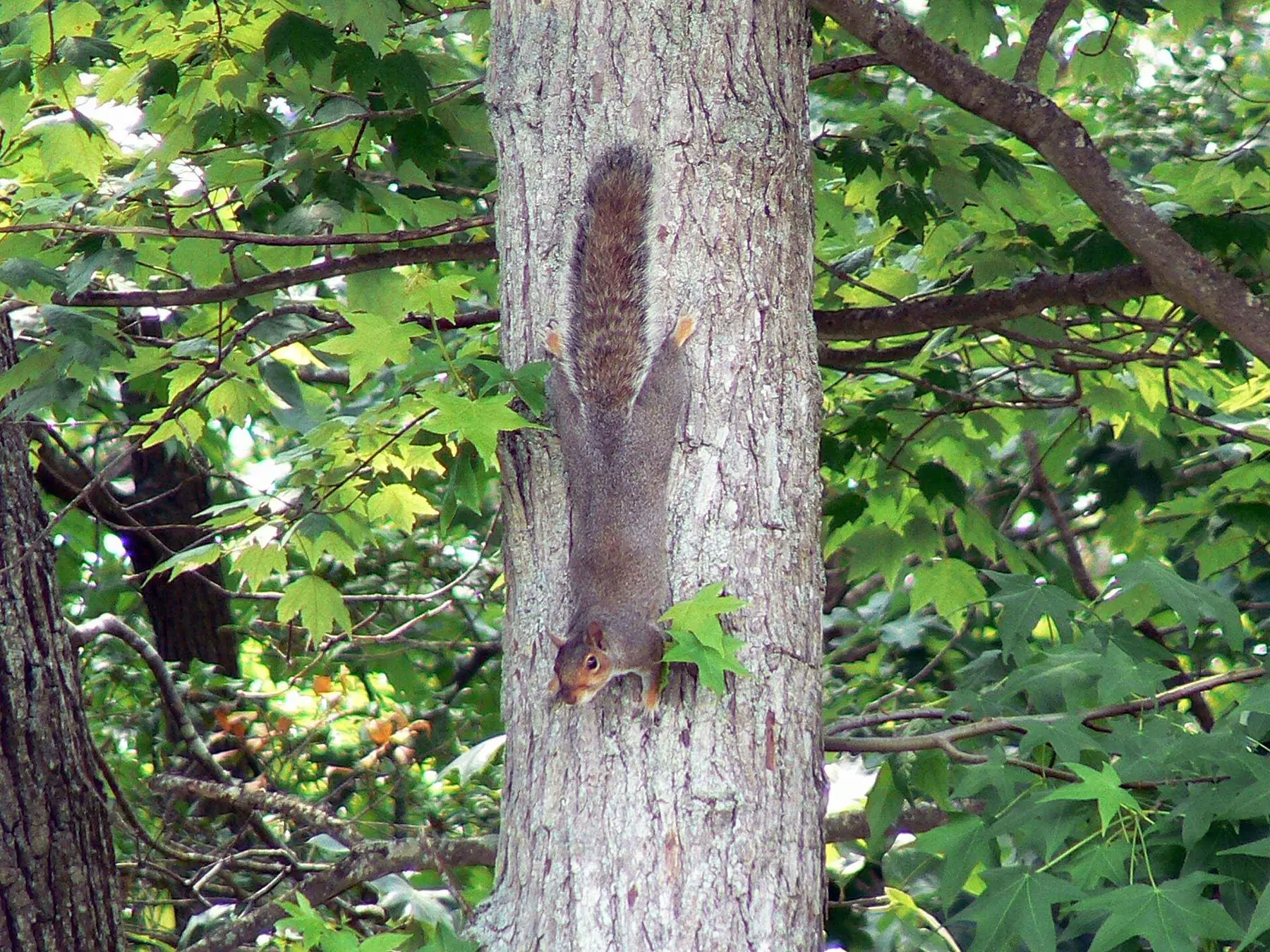
How Long Do Squirrels Live? Wild vs. What You'd Expect
Wild squirrels rarely see old age — most die in their first year. The realistic lifespan by species, and why the number is so much lower than people assume.
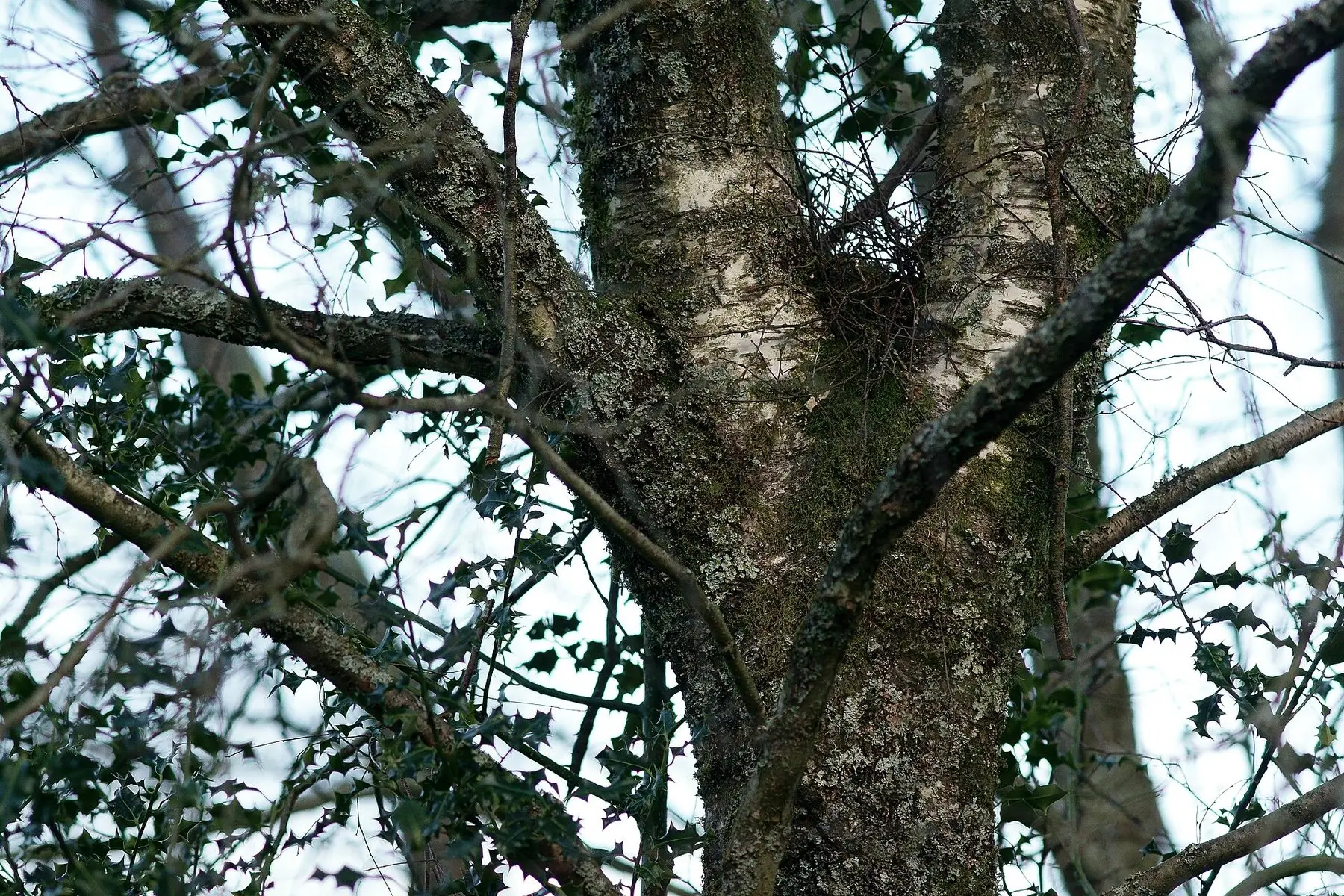
Where Do Squirrels Live and Sleep? Nests, Dens, and Winter
Squirrels build two distinct home types and switch between them by season. What a drey actually is, where they den in winter, and whether they hibernate.
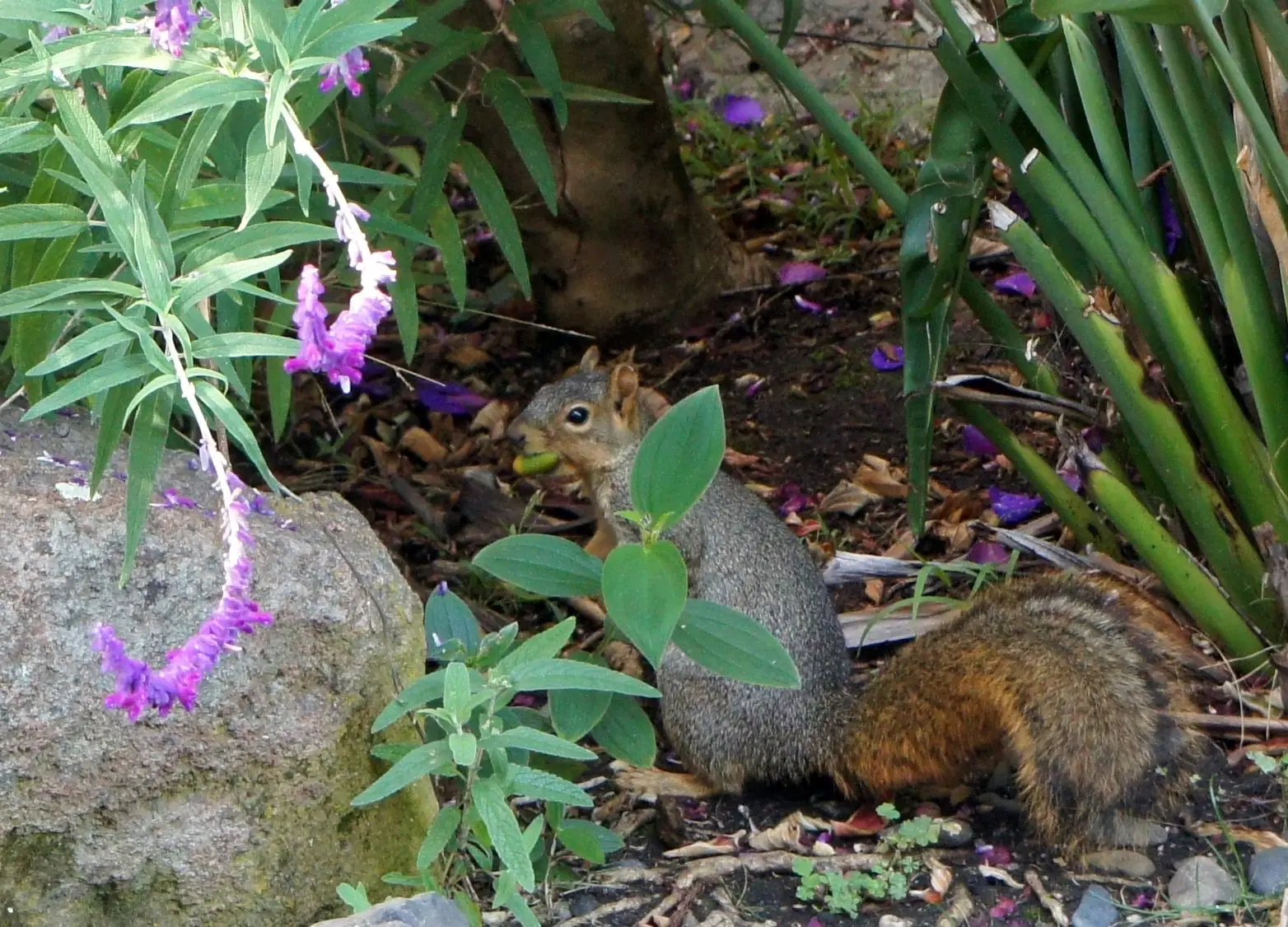
Will Squirrels Eat Your Garden? What's Actually at Risk
Squirrels dig up bulbs, strip tomatoes, and raid every nut tree in reach — but leave most vegetables alone. What they actually target, and what stops them.
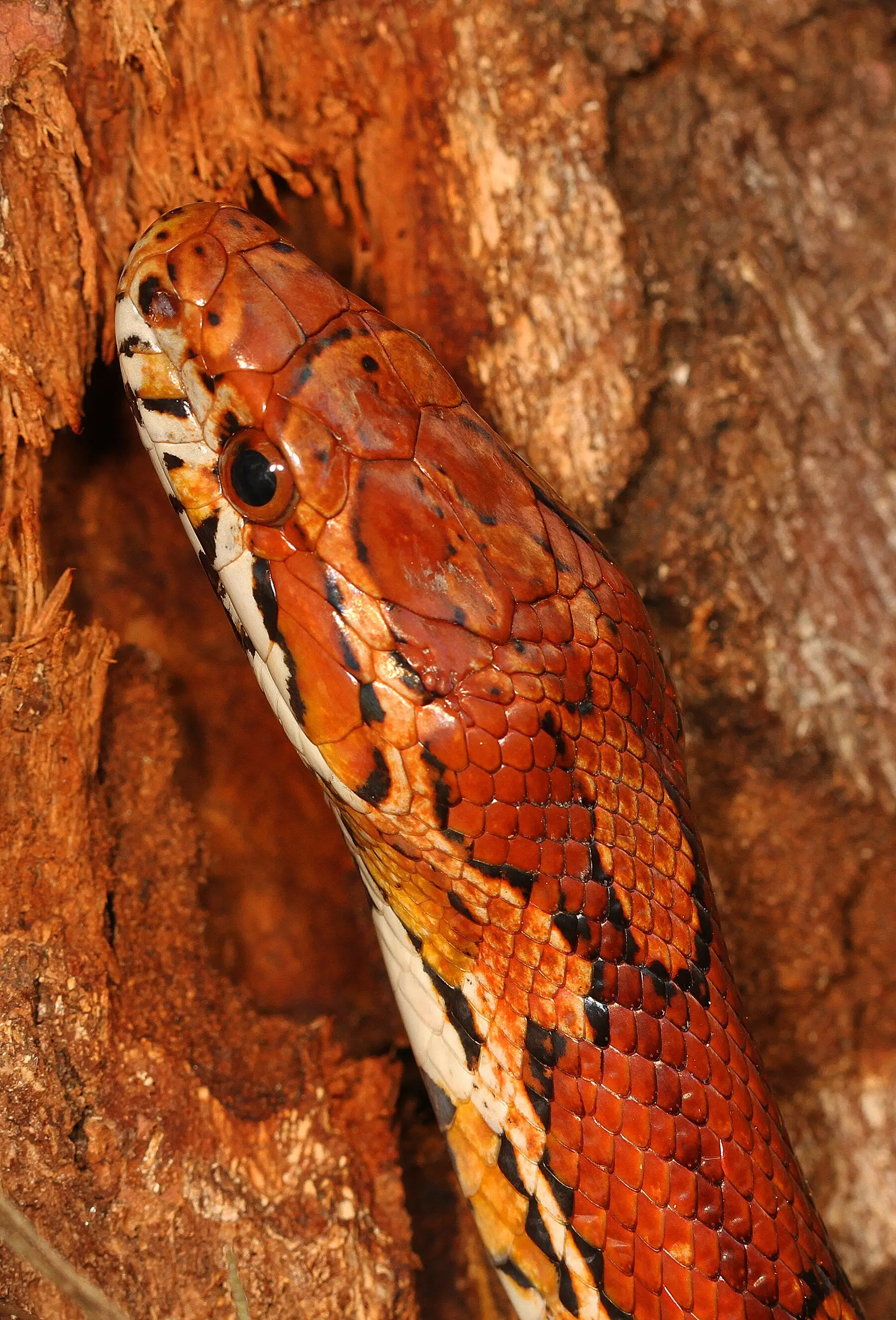
Are Corn Snakes Poisonous? No, and Not Venomous Either
Corn snakes are harmless constrictors often killed on sight because they mimic copperheads. How to tell them apart, and why one is worth keeping around.