
Are Chipmunks Bad to Have Around Your House? Mostly Not
Chipmunks are harmless in small numbers and useful seed dispersers. The real risk is burrowing under a patio, foundation or retaining wall.
 By
On this page
Mostly not — in small numbers they are harmless and mildly useful. The real question is not the animal but where it dug: a burrow under a patio, retaining wall or foundation edge is a genuine structural issue.
What they actually do
| Verdict | |
|---|---|
| Seed and fungal spore dispersal | Useful |
| Eating insects and slugs | Useful |
| Taking bulbs, seeds, soft fruit | Minor nuisance |
| Digging in pots and seeded beds | Minor nuisance |
| Burrowing under structures | The real issue |
| Browsing foliage | They do not do this |
That last row is worth keeping: a plant stripped of leaves is not a chipmunk. That is rabbits or deer.
The structural part
It is about soil removal, not chewing
A chipmunk will not undermine a sound poured foundation by gnawing at it. What it does is remove supporting soil and channel water against structures.
Problem locations:
- Beside a foundation
- Under a patio, path or steps
- Behind a retaining wall
- At a slab edge
Damage develops over seasons rather than suddenly, which is why it usually gets blamed on something else.
Are they dangerous?
Essentially not:
- Not aggressive — they flee, and a bite only happens if one is cornered or handled
- They can carry fleas and ticks, and very rarely what those transmit. That is a reason not to handle them, rather than a reason to worry
- Cats hunt them successfully. Dogs mostly dig fruitlessly at burrow entrances and wreck the lawn
Keeping them away from the house
Remove what attracts them:
- Spilled birdseed — by a wide margin the biggest draw. Use a tray, or move the feeder away from the house
- Dense ground cover, wood piles and rock piles against walls — preferred burrow sites
Close what admits them:
- Seal gaps around utility entries and vents
- A buried mesh skirt along the base of a deck or shed
For bulbs specifically, wire mesh laid over a planted bed stops the digging.
When it stops being minor
Two questions: how many, and where
One or two chipmunks in a garden are not worth acting on.
A dozen, sustained by a feeder, means many burrows and a real chance one is somewhere that matters.
And if you can see an entrance within a few feet of a patio, wall or foundation — deal with that burrow specifically, rather than with chipmunks in general.
Common questions
Are chipmunks bad to have around your house?
Can chipmunks damage a house foundation?
Are chipmunks dangerous to people or pets?
Do chipmunks eat garden plants?
How do you keep chipmunks away from the house?
When do chipmunks stop being a minor issue?
Backyard Weekly
Know what to plant, week by week
Join the weekly email for seasonal jobs, fixes for what is going wrong, and gear worth buying.
Not ready to subscribe? The planting calendar is free and needs no email.
By subscribing you agree to our privacy policy. Grow In Backyard will never sell your address.
Keep reading
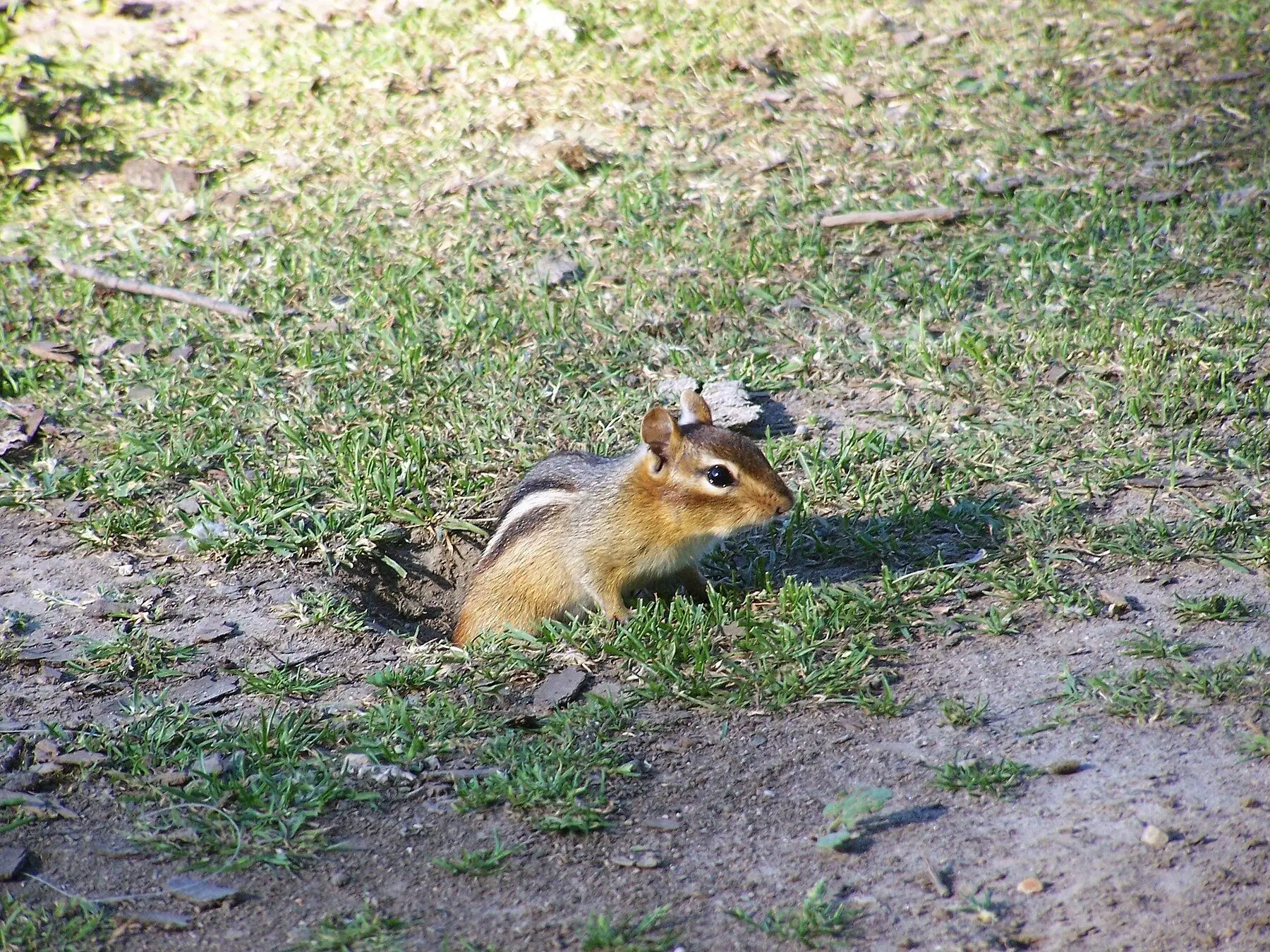
How to Fill Chipmunk Holes (and Why Filling Rarely Works)
A chipmunk reopens a filled hole in a day. What actually stops the tunnelling, how to tell a chipmunk hole from a vole or rat hole, and when to worry.
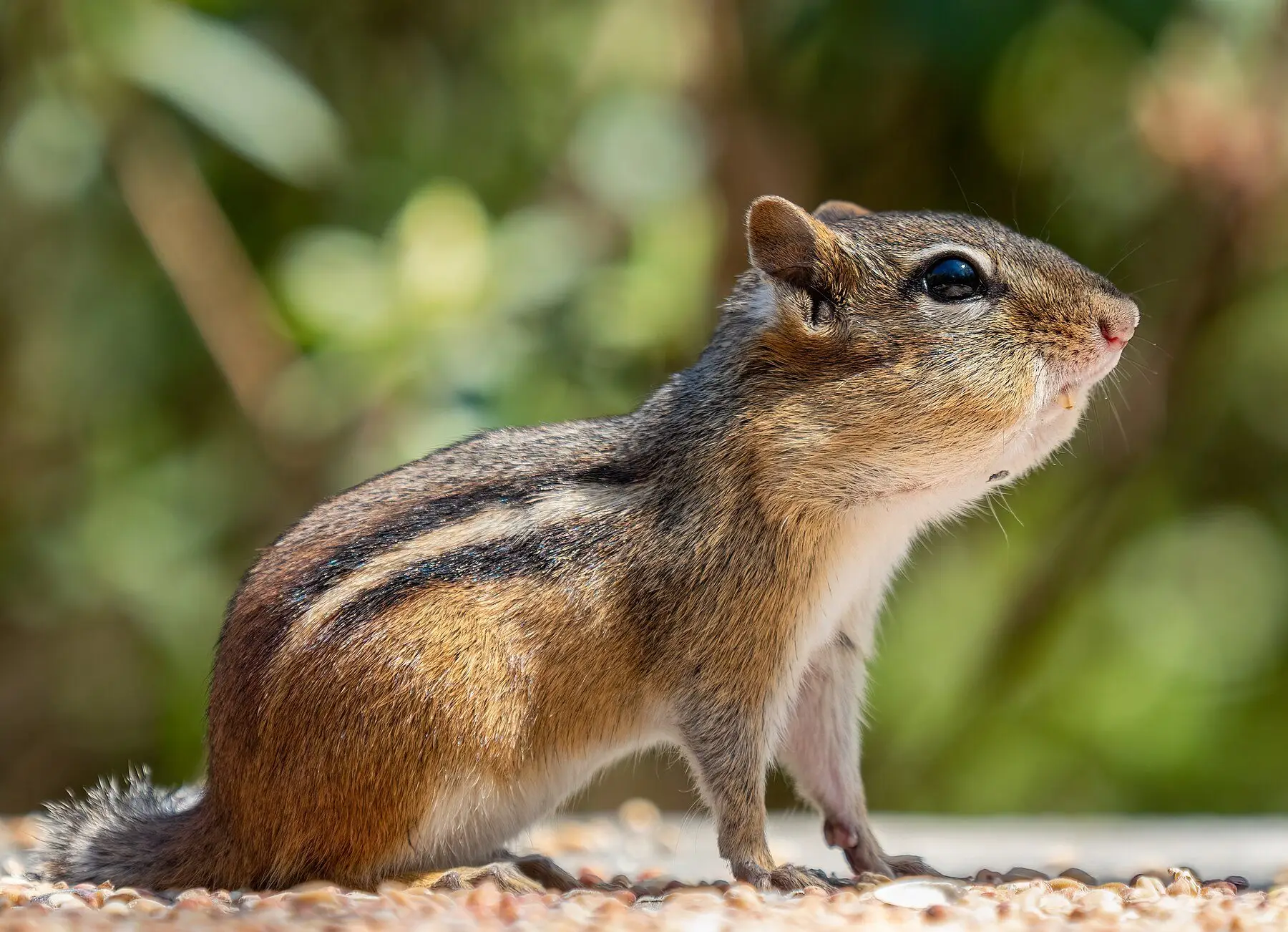
What Do Chipmunks Eat? Seeds, Nuts, and a Lot Else
Chipmunks are omnivores hoarding seeds and nuts in cheek pouches — plus insects, eggs and fungi. What to feed them, what harms them, and why they dig your pots.
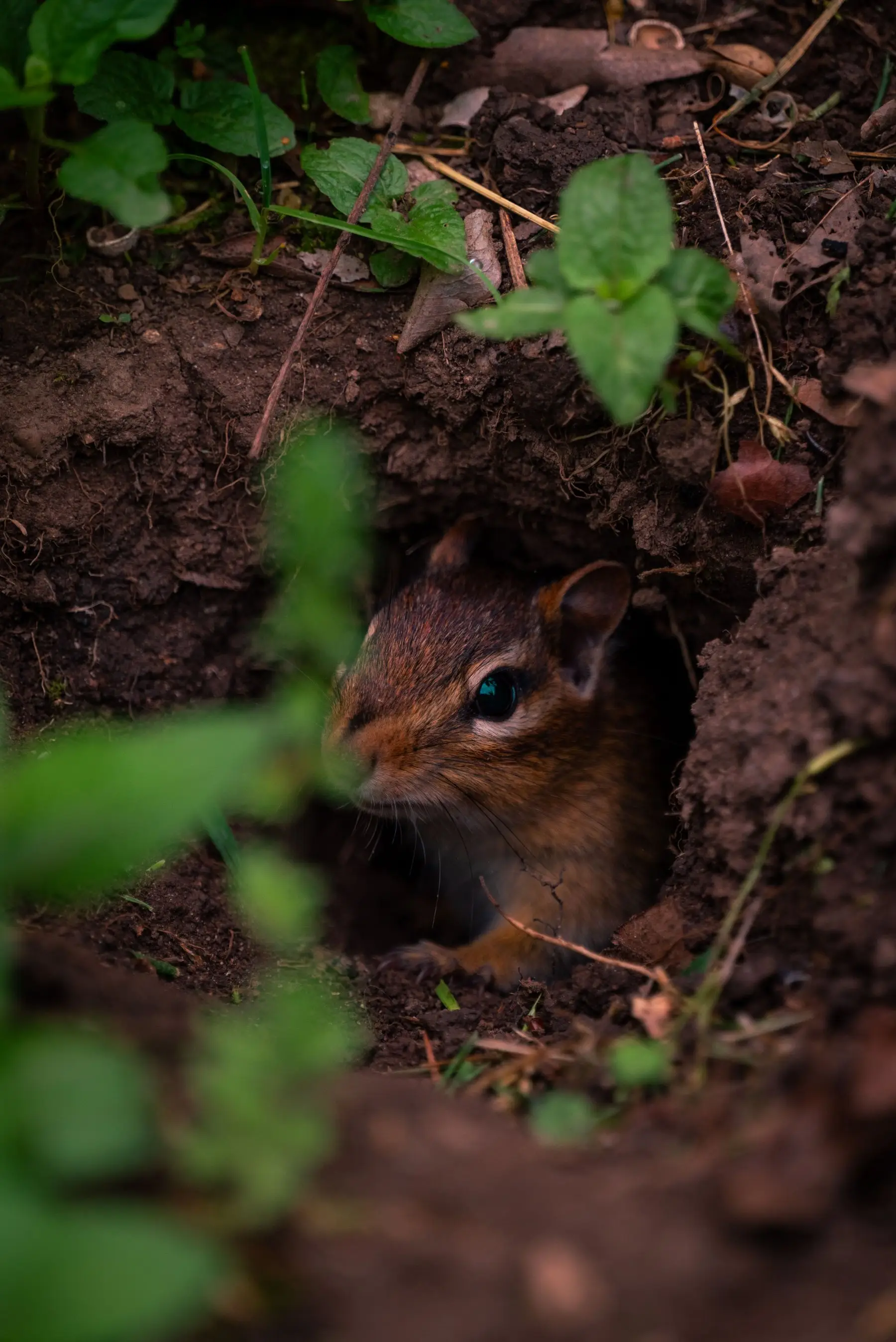
Where Do Chipmunks Sleep? Inside a Burrow You Never See
Chipmunks sleep in a nest chamber deep in a burrow system with a hidden entrance. How the tunnels are built, and what they do through the winter.
Are Chipmunks Protected in PA? What the Game Code Says
Eastern chipmunks are a protected wild mammal in Pennsylvania with no open season. Removing one needs a permit — but exclusion needs nothing at all.