
Are Chipmunks Protected in PA? What the Game Code Says
Eastern chipmunks are a protected wild mammal in Pennsylvania with no open season. Removing one needs a permit — but exclusion needs nothing at all.
 By
On this page
Yes. Eastern chipmunks are a protected wild mammal in Pennsylvania with no open season — so removal is regulated, while exclusion is not regulated at all and works better anyway.
Verify before acting
Wildlife regulations are amended regularly and the detail matters. Confirm the current position with the Pennsylvania Game Commission, or engage a licensed nuisance wildlife control operator who already holds the relevant authorisation.
This page explains the framework; it is not a substitute for the current rule.
Why relocation is a bad answer even where it is allowed
- Poor survival. A chipmunk moved to unfamiliar ground has no burrow, no cached food and no knowledge of local predators, and its winter strategy depends on a larder it has not built
- Disease spread between populations
- Someone else’s land, with their own wildlife and their own objections
- A vacancy. Territory that supports a chipmunk will attract another within weeks
That last point is the practical one. Removing individuals does not reduce the population a garden supports — it just changes which animal occupies it.
What works, and needs no permit
| Measure | Effect |
|---|---|
| Seal foundation and crawl-space gaps with hardware cloth | Largest. Removes the access |
| Clear spilled birdseed daily | Very large. Usually the main attraction |
| Store pet food and birdseed in metal bins | Large |
| Wire mesh under new turf, over bulb plantings | Targets the actual damage |
| Cut back dense ground cover against the house | Reduces cover and approach routes |
| Gravel strip around the foundation | Discourages burrowing against the wall |
Putting the damage in proportion
Chipmunk burrows are shallow and small. The fear that they undermine foundations, walls and patios is largely unfounded for an animal this size, though tunnelling under steps and slabs can be a genuine nuisance.
The real complaints are eaten bulbs, dug-up seedlings and raided bird feeders — all of which respond to mesh, placement and tidying up spilled seed.
Given that, and given the protected status, tolerance plus exclusion is both the lawful route and the one that actually holds.
Common questions
Are chipmunks protected in Pennsylvania?
Can I trap and relocate a chipmunk in Pennsylvania?
What can I do about chipmunks legally?
Do I need a permit to remove a chipmunk in PA?
Are chipmunks actually damaging?
Backyard Weekly
Know what to plant, week by week
Join the weekly email for seasonal jobs, fixes for what is going wrong, and gear worth buying.
Not ready to subscribe? The planting calendar is free and needs no email.
By subscribing you agree to our privacy policy. Grow In Backyard will never sell your address.
Keep reading
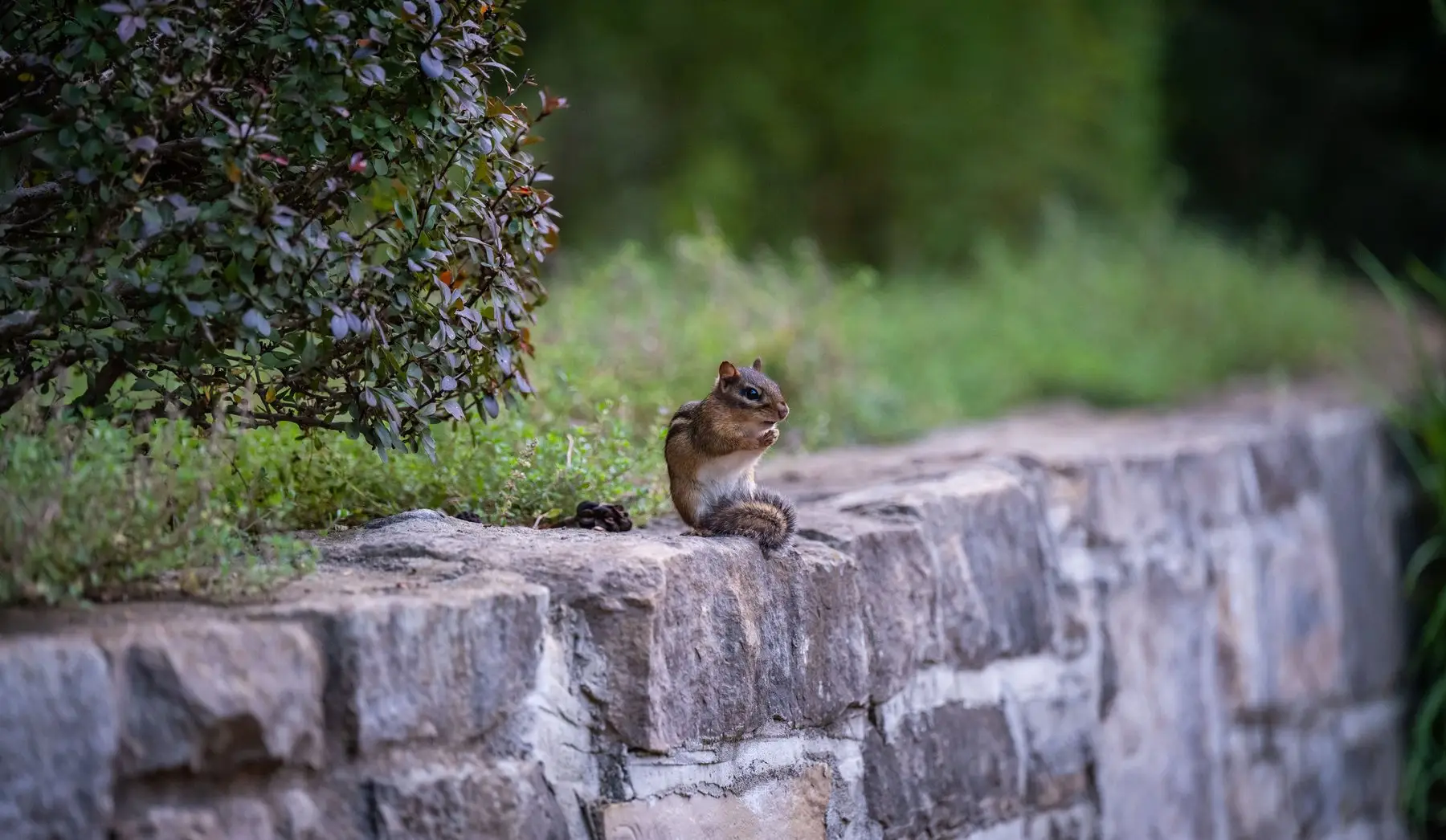
Are Chipmunks Bad to Have Around Your House? Mostly Not
Chipmunks are harmless in small numbers and useful seed dispersers. The real risk is burrowing under a patio, foundation or retaining wall.
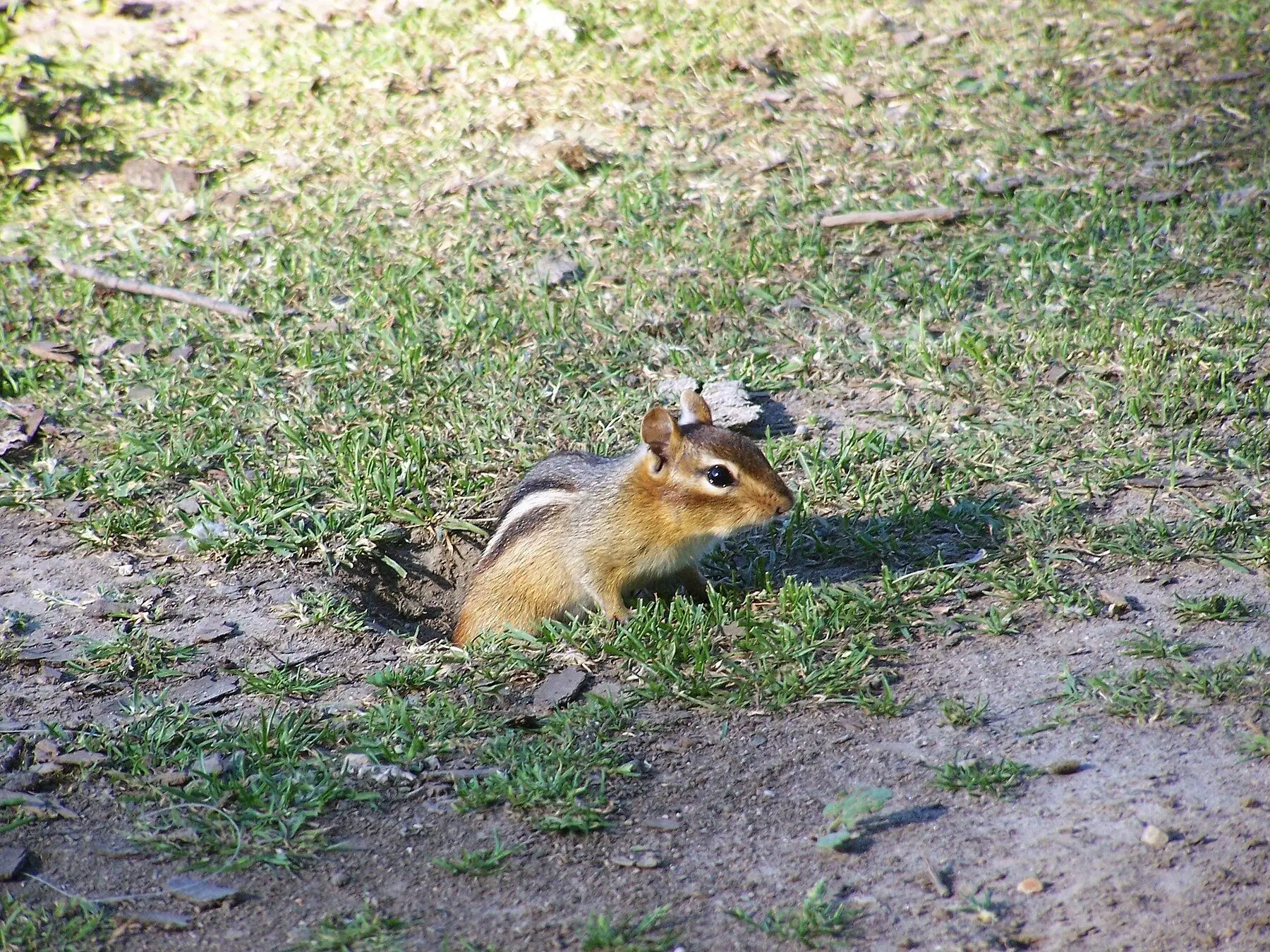
How to Fill Chipmunk Holes (and Why Filling Rarely Works)
A chipmunk reopens a filled hole in a day. What actually stops the tunnelling, how to tell a chipmunk hole from a vole or rat hole, and when to worry.
Life Cycle of Chipmunks: Birth to Burrow in One Year
Chipmunks are blind and hairless for a month, independent by eight weeks, and breeding by the next spring. Most never reach their second birthday.
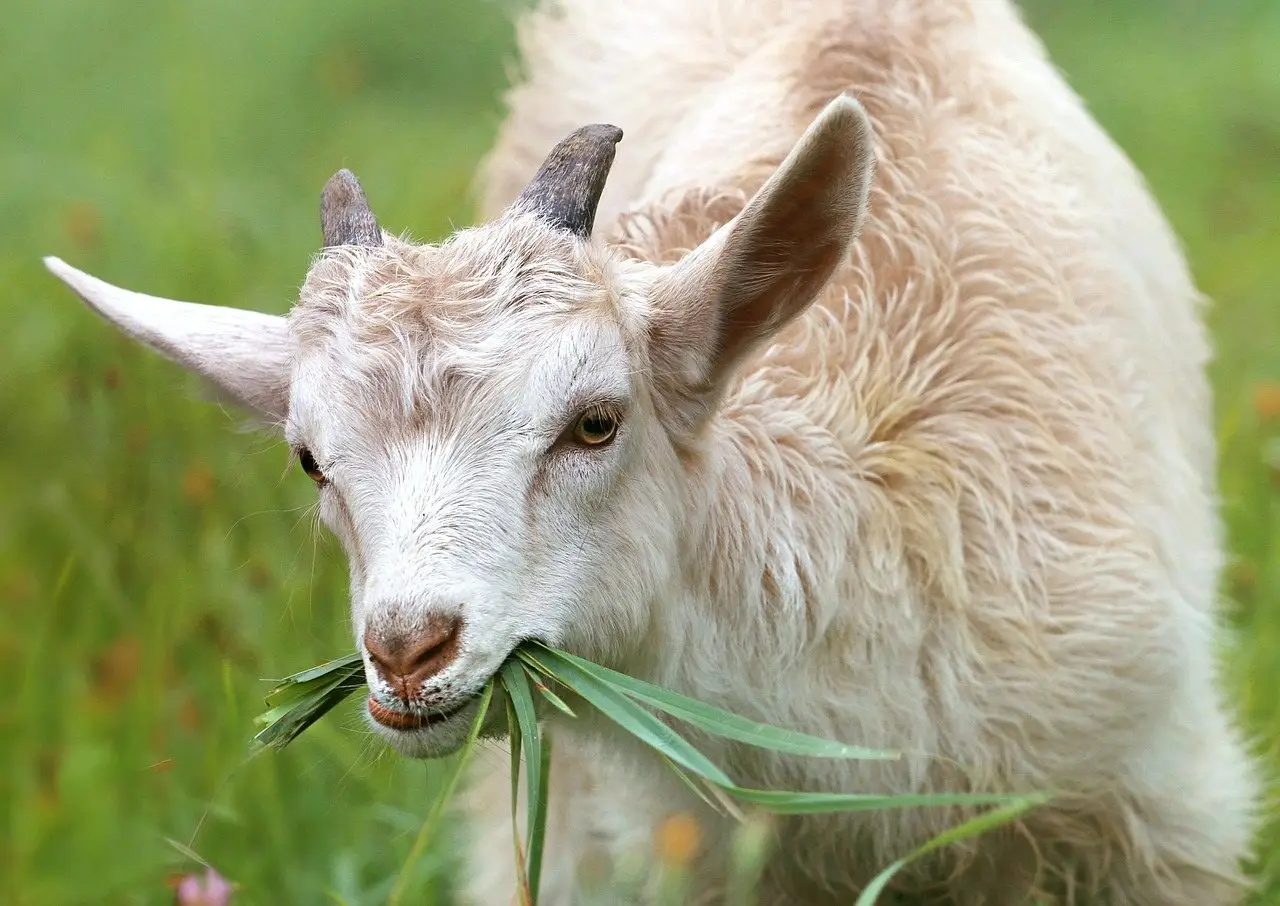
Best Goats for Clearing Brush — 4 Breeds and 1 to Avoid
The best goats for clearing brush are Spanish, Kiko and Boer crosses. 4 breeds compared, plus the one to avoid. See which suits your fencing.