
Life Cycle of Chipmunks: Birth to Burrow in One Year
Chipmunks are blind and hairless for a month, independent by eight weeks, and breeding by the next spring. Most never reach their second birthday.
 By
On this page
Blind and hairless for a month, independent at eight weeks, breeding by the next spring — and most never see a second birthday.
The year, in order
| Stage | When | What happens |
|---|---|---|
| First mating | Feb–April | Males range widely; brief, noisy chases |
| Gestation | ~31 days | — |
| First litter | April–May | 4–5 young, blind, hairless, ~3 g |
| Fur | Week 2 | — |
| Eyes open | Weeks 4–5 | — |
| First emergence | ~Week 6 | Short trips near the entrance |
| Weaned, dispersing | ~Week 8 | Young dig their own burrows |
| Second mating | June–July | Smaller litter follows in late summer |
| Caching | Aug–Oct | Cheek pouches, constant hoarding |
| Torpor | Nov–Mar | Waking periodically to eat from the larder |
They hoard instead of fattening
This is the detail that explains most chipmunk behaviour. Unlike a groundhog, a chipmunk does not lay down deep fat reserves and sleep through winter.
It enters torpor — body temperature and heart rate dropping for a few days at a time — then wakes to eat from food stored in the burrow, and relieves itself in a dedicated chamber before going back under.
That strategy requires a larder, which is why autumn is spent in relentless collection, and why cheek pouches that can hold a startling volume evolved at all. In mild spells they will come above ground in midwinter.
One burrow, one chipmunk
Chipmunks are solitary and territorial outside breeding. Each adult keeps its own tunnel system — up to around nine metres, with separate chambers for nesting, storage and waste.
A garden that seems to hold a colony is really a set of individual territories packed close together, often with several entrances each.
Why most die young
The average of two to three years sits well below the five or six a lucky individual reaches, and almost all of that gap is predation in the first year:
- Hawks, especially during the exposed dispersal period
- Domestic cats, which take very large numbers in suburban gardens
- Snakes, which can enter burrows
- Foxes, weasels and raccoons
- Roads, during dispersal
A young chipmunk leaving its mother’s burrow at eight weeks to dig its own, in unfamiliar ground, is at its most vulnerable precisely when it is least experienced.
The lifespan question has its own page with the figures in full — see how long chipmunks live.
Garden implications
- Spring chases across patios and fences are mating, not fighting
- A sudden crowd in late summer is the second litter dispersing
- Frantic autumn activity is larder building, not an infestation
- Winter sightings are normal — they are not asleep for the season
- Keeping cats in does more for local chipmunk survival than anything else
Common questions
How long do chipmunks live?
When do chipmunks have babies?
How fast do baby chipmunks develop?
Do chipmunks hibernate?
How many chipmunks live in one burrow?
Backyard Weekly
Know what to plant, week by week
Join the weekly email for seasonal jobs, fixes for what is going wrong, and gear worth buying.
Not ready to subscribe? The planting calendar is free and needs no email.
By subscribing you agree to our privacy policy. Grow In Backyard will never sell your address.
Keep reading
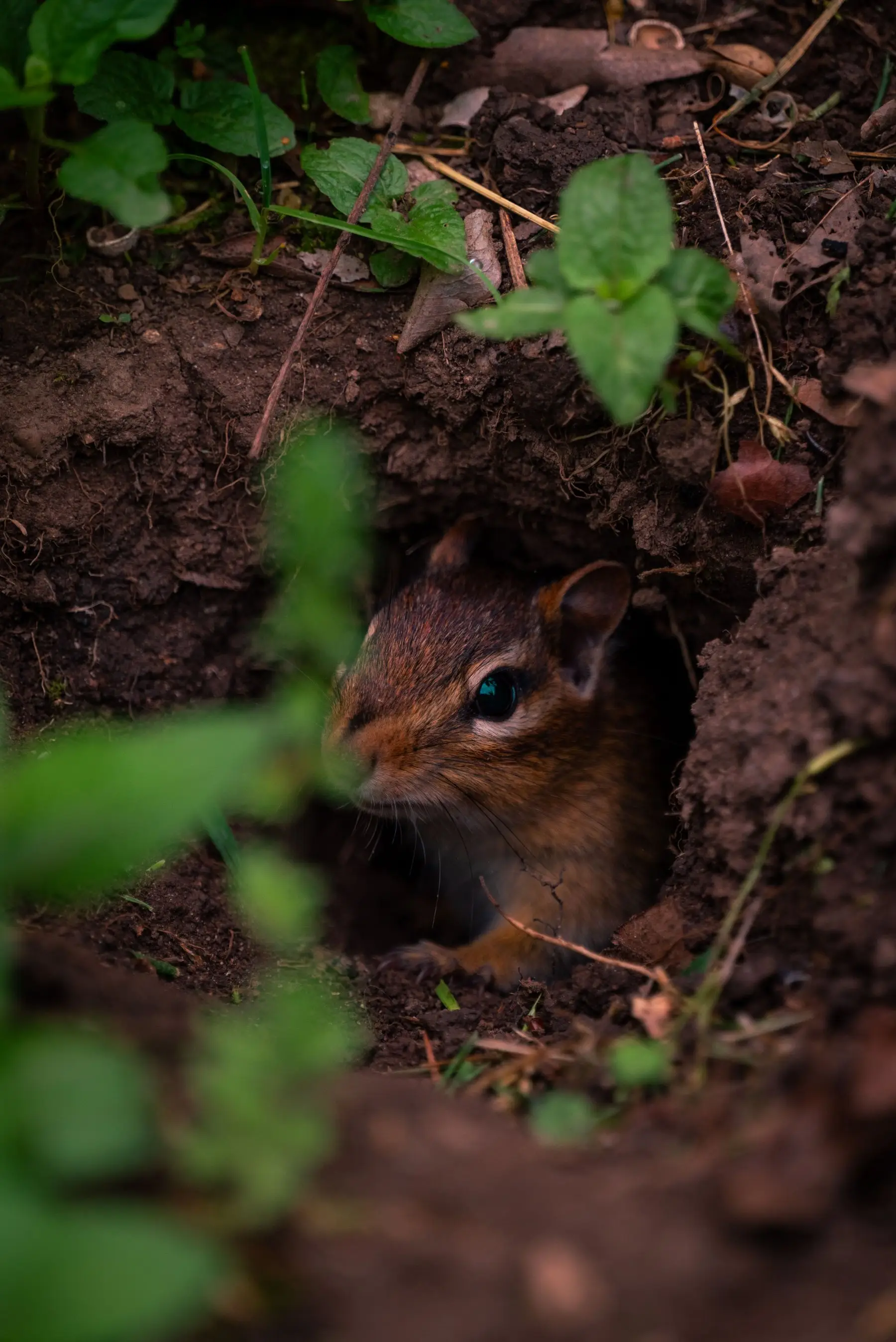
Where Do Chipmunks Sleep? Inside a Burrow You Never See
Chipmunks sleep in a nest chamber deep in a burrow system with a hidden entrance. How the tunnels are built, and what they do through the winter.
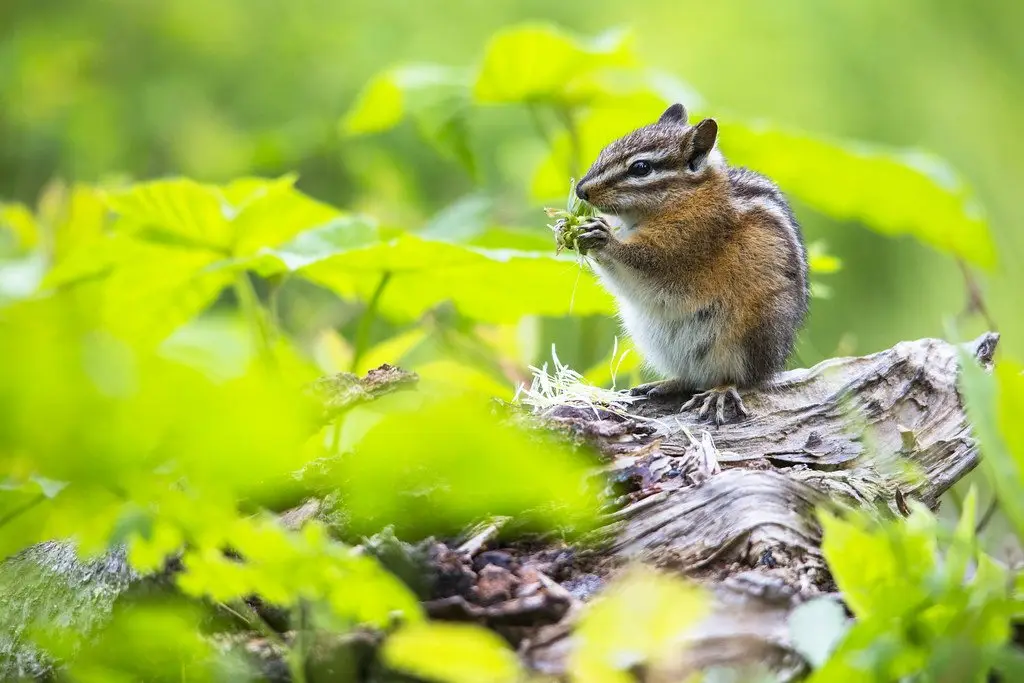
Can a Chipmunk Be a Pet? The Legal and Practical Answer
Taking a wild chipmunk is illegal in most states and a poor idea everywhere. What the law says, what captive Siberian chipmunks need, and the honest verdict.
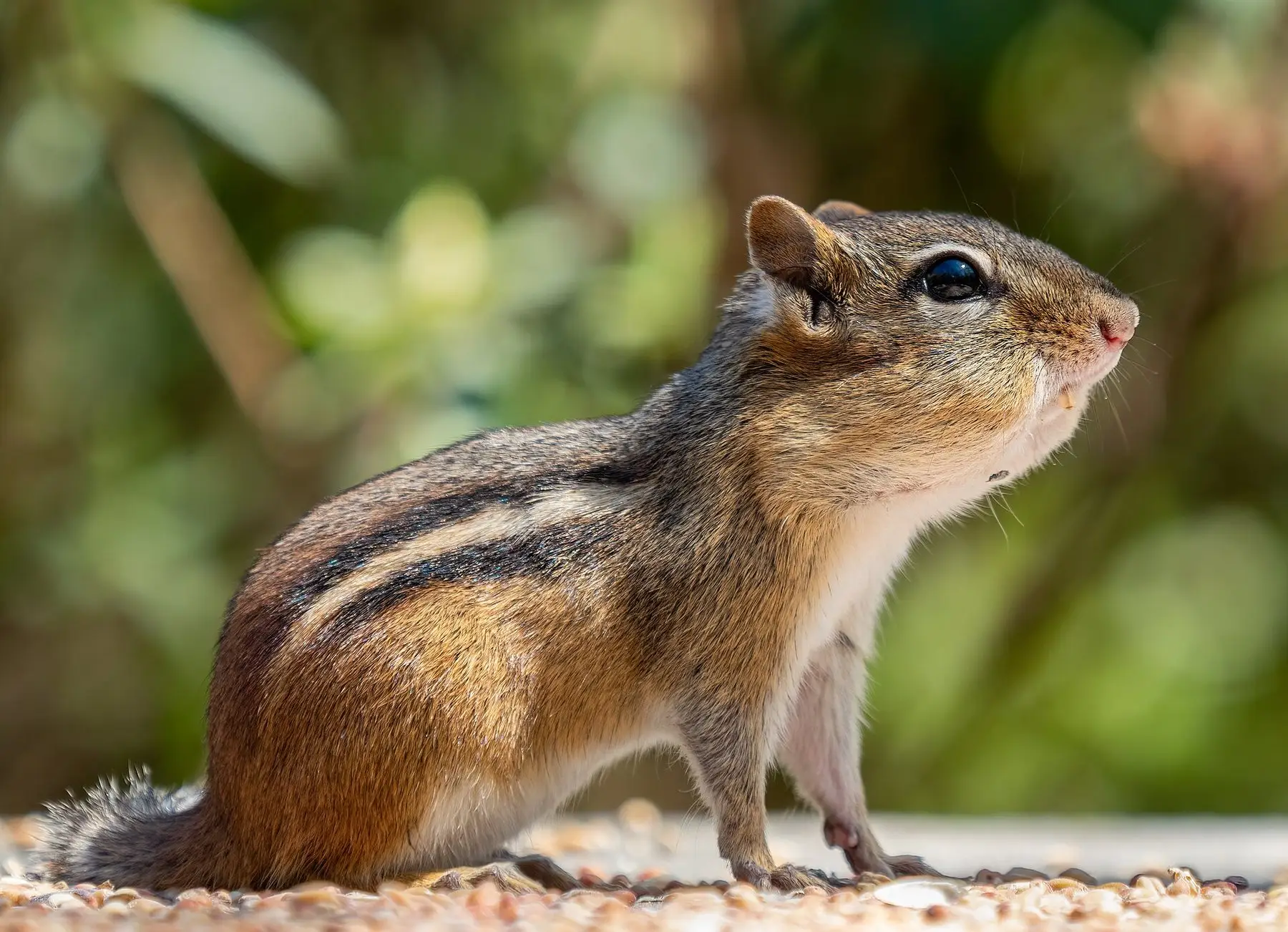
How Long Do Chipmunks Live? And Why They Dig Up Pots
Wild chipmunks rarely see three years — predators and winter mortality see to that. Realistic lifespan, what they eat, and why flower pots are such an easy target.
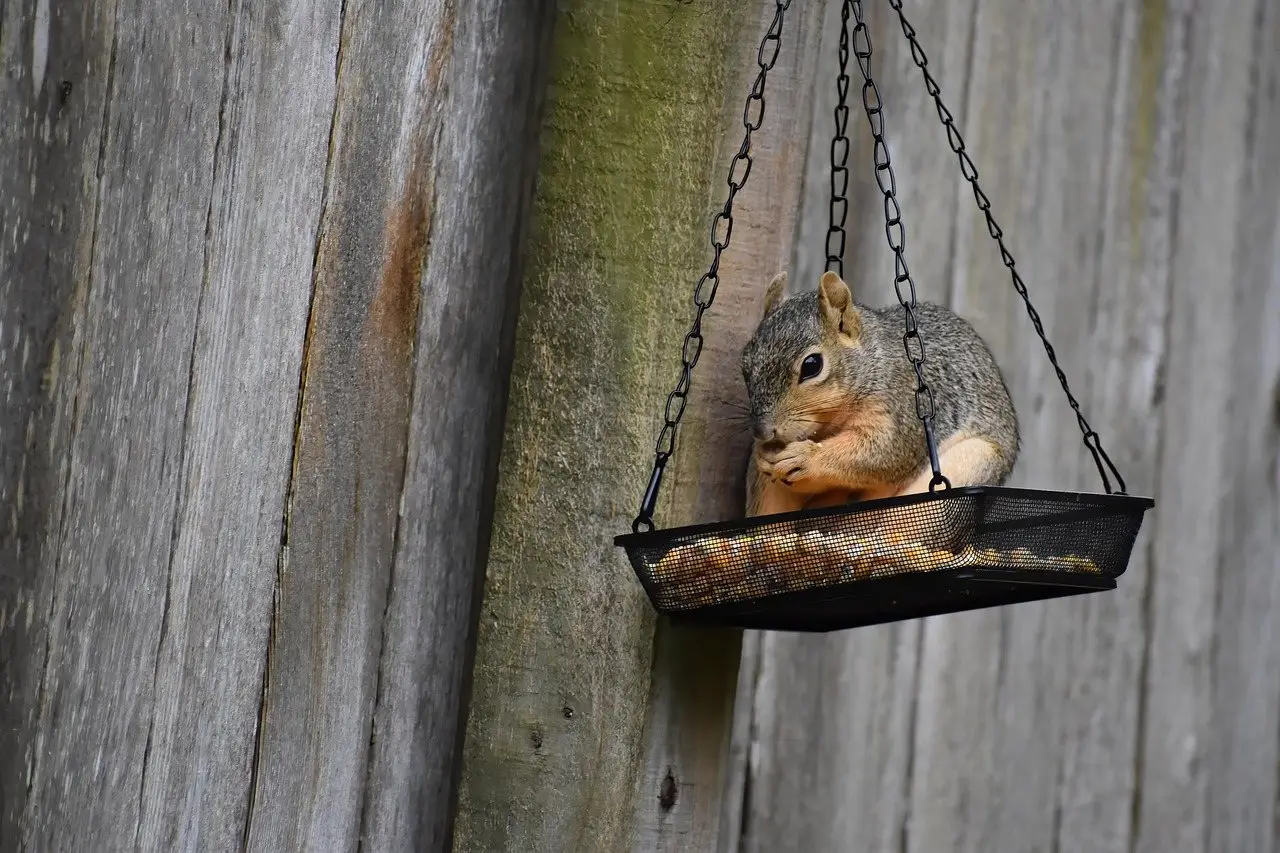
Non-Lethal Squirrel Deterrents: What Works and What Doesn't
Baffles and hardware cloth work. Ultrasonic devices, predator urine and most repellent sprays do not. Here is the evidence, sorted.