
How to Fill Chipmunk Holes (and Why Filling Rarely Works)
A chipmunk reopens a filled hole in a day. What actually stops the tunnelling, how to tell a chipmunk hole from a vole or rat hole, and when to worry.
 By
We may earn a commission when you buy through links on this page, at no extra cost to you.

On this page
You can fill a chipmunk hole. It will often be open again within a day, because a burrow system runs 10 to 30 feet with several entrances — the one you found is a door, not the house.
So this page covers how to fill one properly, and then the part that actually matters.
First: is it actually a chipmunk?
| Entrance | Soil mound | |
|---|---|---|
| Chipmunk | ~2 in, clean edged | None — spoil is carried off in cheek pouches |
| Vole | 1–2 in, often with surface runways in the grass | Little |
| Rat | 2–4 in, greasy smears at the entrance | Some |
| Ground squirrel | 3–4 in | Some |
| Groundhog | 10–12 in | Large mound, plus a clean second plunge hole |
| Crayfish | 1–2 in | Chimney of mud pellets |
| Mole | Rarely open at all | Volcano-shaped mounds and raised ridges |
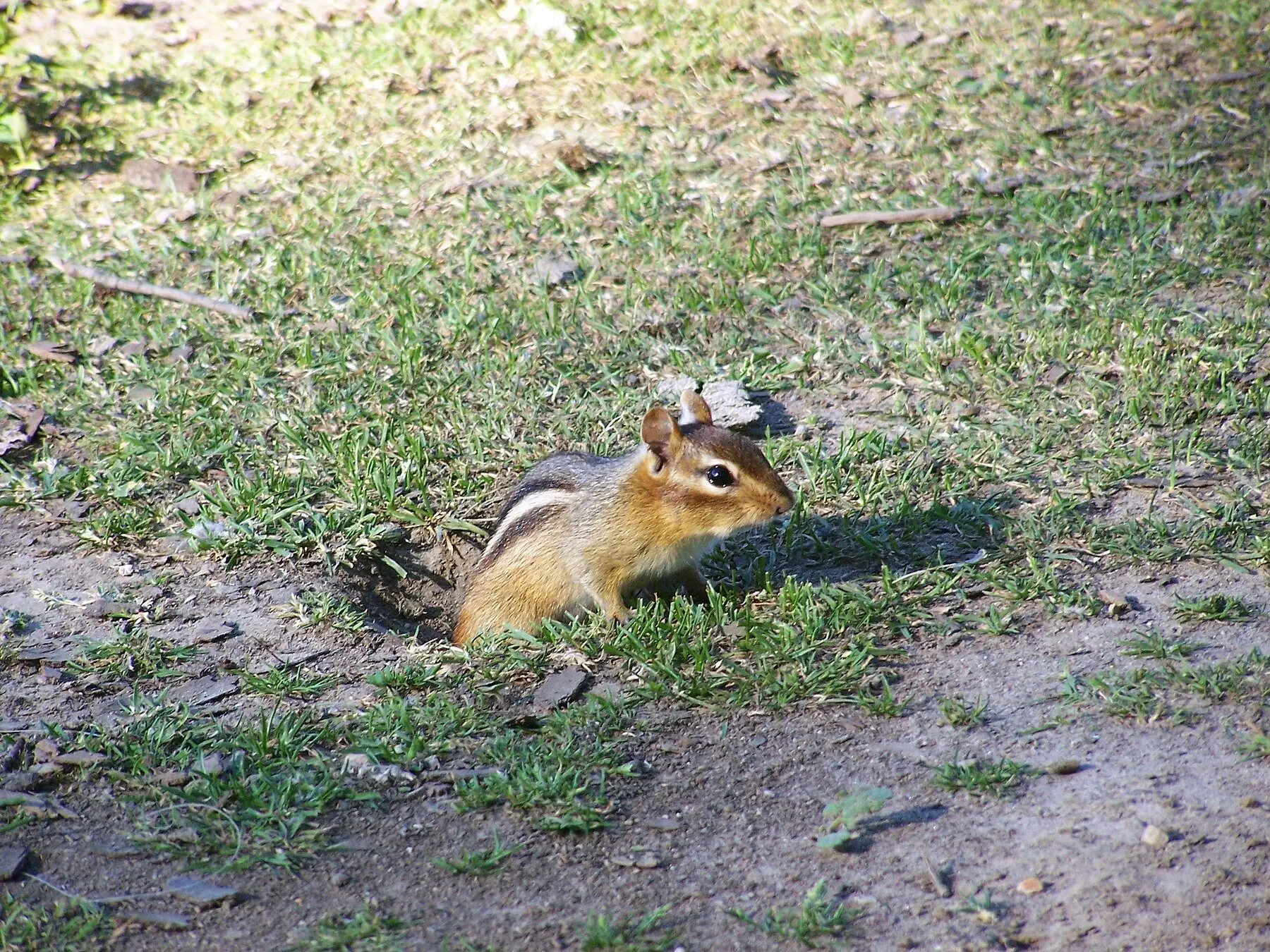
The no-mound rule is the tell. Chipmunks remove excavated soil in their cheek pouches and scatter it elsewhere specifically so the entrance is not advertised to predators.
Filling a hole properly
Check it is empty before you seal anything
Pack the entrance loosely with newspaper, or dust flour across it, and check for two or three consecutive mornings. Undisturbed means empty.
Sealing an occupied burrow traps the animal — and in late spring it traps a litter. That is inhumane, and it is also how people end up with a smell under a patio in July.
- Confirm it is vacant, as above.
- Pour in coarse gravel or crushed stone, not soil.
- Settle it with a hose so the stone works down into the tunnel rather than bridging.
- Top with soil and grass seed, or mulch in a bed.
- Tamp it down firmly.
Why gravel: a chipmunk re-excavates loose soil in an afternoon. Stone is far harder to move and makes the site unattractive to re-colonise. Plain topsoil is the usual approach and the least effective one.
What actually works
Filling holes treats a symptom. Three things treat the cause.
1. Exclude around what matters.
This is the only permanent measure here. Do not try to protect the whole yard — protect the things that are expensive to undermine.
- Dig a narrow trench along the edge of the patio, retaining wall, shed base or foundation
- Set quarter-inch hardware cloth 8 to 12 inches deep
- Turn it outward in an L at the bottom so digging along the barrier hits mesh
- Backfill, and consider a gravel band at the surface rather than soil
2. Cut the food supply.
Chipmunk density follows food almost exactly, and in most yards the food is spilled birdseed.
- No-mess seed, or a tray beneath the feeder
- Clear fallen fruit, nuts and acorns
- Secure pet food and bins
- Stop hand-feeding anything
3. Remove the cover they travel under.
Chipmunks avoid open ground because hawks hunt it. They move along walls, woodpiles, rock edging, dense ground cover and stacked materials.
- Move woodpiles away from walls
- Clear a strip of open ground around the structures you are protecting
- Thin very dense ground cover next to foundations
Does the tunnelling actually matter?
Usually less than it looks.
Worth acting on:
- Tunnels under a patio base, retaining wall, shed slab or foundation edge
- Repeated collapse under paving or steps
- Undermining beside a pool surround
Not worth much:
- Holes in an open lawn or a border
- A burrow in a hedge bottom or a bank
- Foraging divots — small cone-shaped scoops, which are a different animal’s work anyway
A chipmunk weighs about three ounces. It is not going to remove a meaningful volume of soil in a season unless it is working under something that concentrates the damage.
What not to do
No poison bait — it risks pets, children and anything that eats a poisoned animal, and it is illegal for this use in many places. No gas cartridges — a serious fire and asphyxiation risk near structures and utilities. No flooding the burrow, which rarely works, can undermine what you are trying to protect, and drowns an animal slowly. Relocation is illegal in many states and simply empties a niche that refills.
Ultrasonic repellers, mothballs and gum have no reliable evidence behind them either.
Timing works better if you know the daily pattern — see where chipmunks sleep.
Timing
Late autumn or winter is the window. Chipmunks go below ground for torpor bouts, spring litters have not arrived yet, and you can fill and exclude without trapping young.
Getting the barrier in before spring dispersal — when that year’s young go looking for territory — is what keeps the work from having to be repeated.
Our picks
| # | Pick | Best for | Where to buy |
|---|---|---|---|
| 1 | Hardware cloth, quarter inch | What stops them re-opening the hole | Check price for Hardware cloth, quarter inch → |
| 2 | Coarse gravel or crushed stone | Fill they will not dig back through | Check price for Coarse gravel or crushed stone → |
| 3 | Hand tamper | Against the sinkage afterwards | Check price for Hand tamper → |
What stops them re-opening the hole
Hardware cloth, quarter inch
Filling a hole without a barrier means filling it again next week. This is the difference between a repair and a routine.
- Mesh
- 1/4 in; they pass through 1/2 in
- Use
- Buried barrier under the fill
What we liked
- A quarter inch is the size that actually excludes a chipmunk
- Lasts decades underground, unlike plastic netting
- Works on the tunnel rather than on the animal
Worth knowing
- Cut edges are sharp; gloves are not optional
- Half-inch mesh, the commoner size in shops, does not work here
Fill they will not dig back through
Coarse gravel or crushed stone
Soil alone is an invitation — it is softer than what was there before. Stone first, soil only in the top few inches.
- Size
- 3/4 in angular
- Depth
- Fill the void, then soil on top
What we liked
- Angular stone locks together and resists re-excavation
- Drains, so the repair does not become a wet spot
Worth knowing
- Makes future planting in that exact spot awkward
Against the sinkage afterwards
Hand tamper
The dip in the lawn a month after the repair is uncompacted fill, not a new tunnel. Tamp in layers and it does not happen.
- Method
- Compact every few inches of fill
What we liked
- A filled tunnel settles for months if it is not compacted
- Cheap, and useful for every other small repair in a garden
Worth knowing
- Hard work on a long tunnel system
Step by step
- Time
- P14D
- Cost
- $40
- You need
- Coarse gravel or crushed stone, Quarter-inch hardware cloth, Topsoil and grass seed, or mulch, Gloves
- Tools
- Spade and trowel, Garden hose, Tamper or a length of timber
Confirm it is actually a chipmunk
A chipmunk entrance is a clean hole about 2 inches across with no mound of soil around it, because the animal carries spoil away in its cheek pouches to hide the entrance. A hole with a fan of excavated soil beside it is more likely a vole, a rat, a ground squirrel or a crayfish, and those need different responses. Getting this wrong means solving the wrong problem for a fortnight.
Check nothing is living in it first
Pack the entrance loosely with newspaper or scatter flour across it and check for two or three consecutive mornings. Undisturbed means empty. Sealing an occupied burrow traps the animal, and in late spring it traps a litter, which is both inhumane and how you end up with a smell under a patio in July.
Fill with gravel rather than soil
Pour coarse gravel or crushed stone into the tunnel, working it down with a hose to settle it, then cap with topsoil and grass seed or mulch. Chipmunks dig soil out again within a day; loose stone is far harder to excavate and far less attractive to re-colonise. Plain soil is the most common approach and the least effective one.
Protect structures rather than chasing tunnels
The damage that matters is undermining — patio bases, retaining walls, the soil beneath a shed slab or a foundation. Dig a narrow trench along the vulnerable edge and set quarter-inch hardware cloth 8 to 12 inches deep, turned outward in an L at the bottom. This is the only measure on this list that works permanently, because it stops digging at the places where digging costs you money.
Remove the food that supports the population
High chipmunk density is nearly always spilled birdseed. Use no-mess seed or a tray under feeders, clear fallen fruit and nuts, secure pet food and bins, and rake up acorns. Density follows food, so a yard with a constant seed supply refills with chipmunks no matter how many holes get filled.
Take away the cover they travel under
Chipmunks move along walls, woodpiles, rock edging, dense ground cover and stacked materials rather than crossing open ground where hawks can see them. Clearing a strip of open ground around vulnerable structures, and moving woodpiles away from walls, makes the site far less attractive without touching a single tunnel.
Common questions
How do I fill chipmunk holes?
Will filling a chipmunk hole get rid of the chipmunk?
How do I know it is a chipmunk hole and not something else?
Are chipmunk tunnels actually damaging?
Should I use poison or gas cartridges on chipmunk burrows?
When are chipmunks least active, so I can do this work?
Backyard Weekly
Know what to plant, week by week
Join the weekly email for seasonal jobs, fixes for what is going wrong, and gear worth buying.
Not ready to subscribe? The planting calendar is free and needs no email.
By subscribing you agree to our privacy policy. Grow In Backyard will never sell your address.
Keep reading
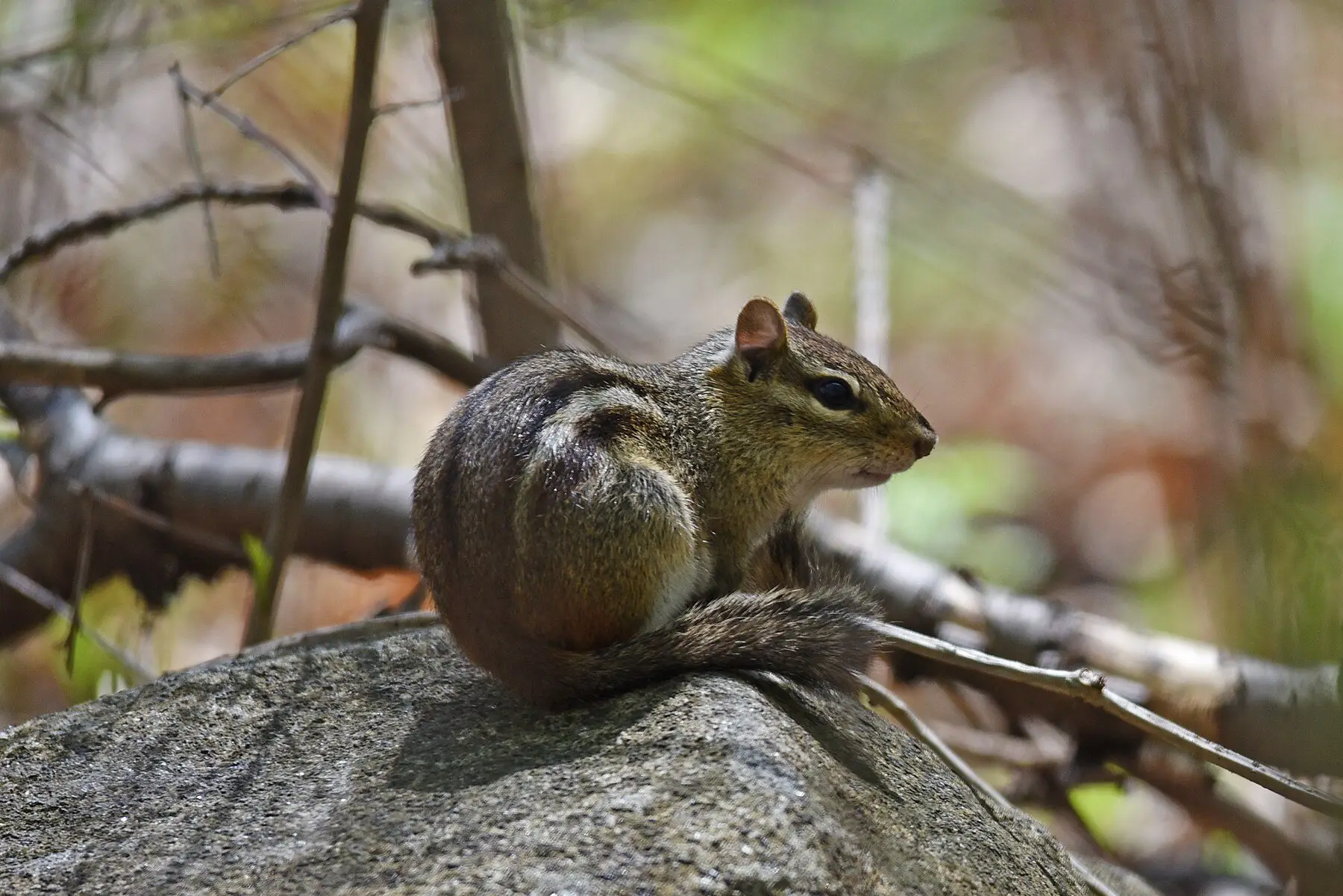
How Big Is a Chipmunk? Size, Weight and Burrow Depth
An eastern chipmunk is 8–11 inches including tail and weighs about 3 ounces — but its burrow runs 10 to 30 feet. Sizes, and when they reappear in spring.
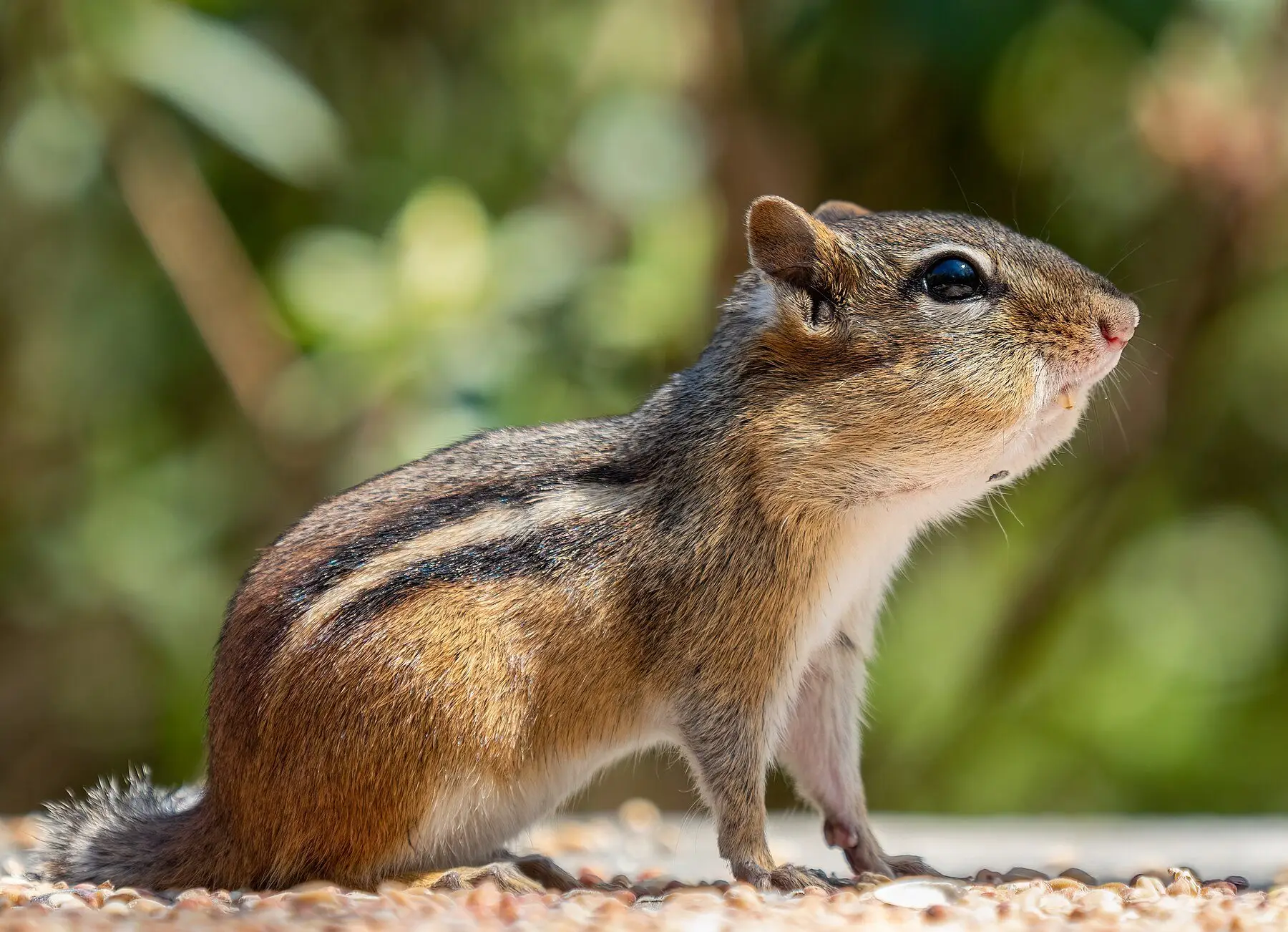
What Do Chipmunks Eat? Seeds, Nuts, and a Lot Else
Chipmunks are omnivores hoarding seeds and nuts in cheek pouches — plus insects, eggs and fungi. What to feed them, what harms them, and why they dig your pots.
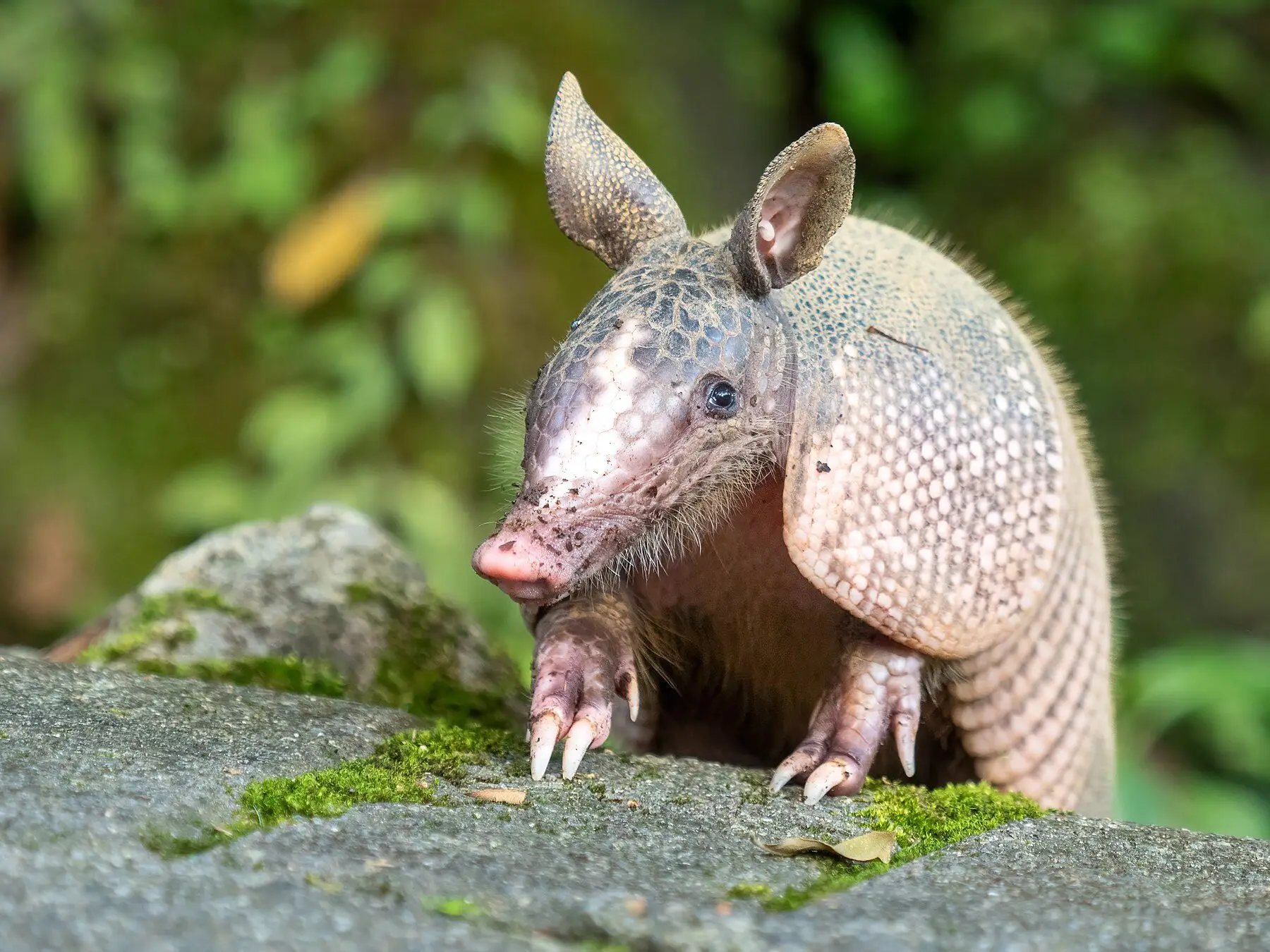
What Is Digging Holes in My Yard? Identify It by the Hole
Armadillos, skunks, groundhogs, voles and squirrels all dig differently. Hole size, shape, soil spray and timing identify the animal before you set anything.
How to Get Rid of an Armadillo Under Your House
Armadillos dig under slabs and decks for grubs and shelter. One-way exclusion, the burrow check that stops you sealing one in, and what to do about the lawn.