
How to Get Rid of an Armadillo Under Your House
Armadillos dig under slabs and decks for grubs and shelter. One-way exclusion, the burrow check that stops you sealing one in, and what to do about the lawn.
 By
On this page
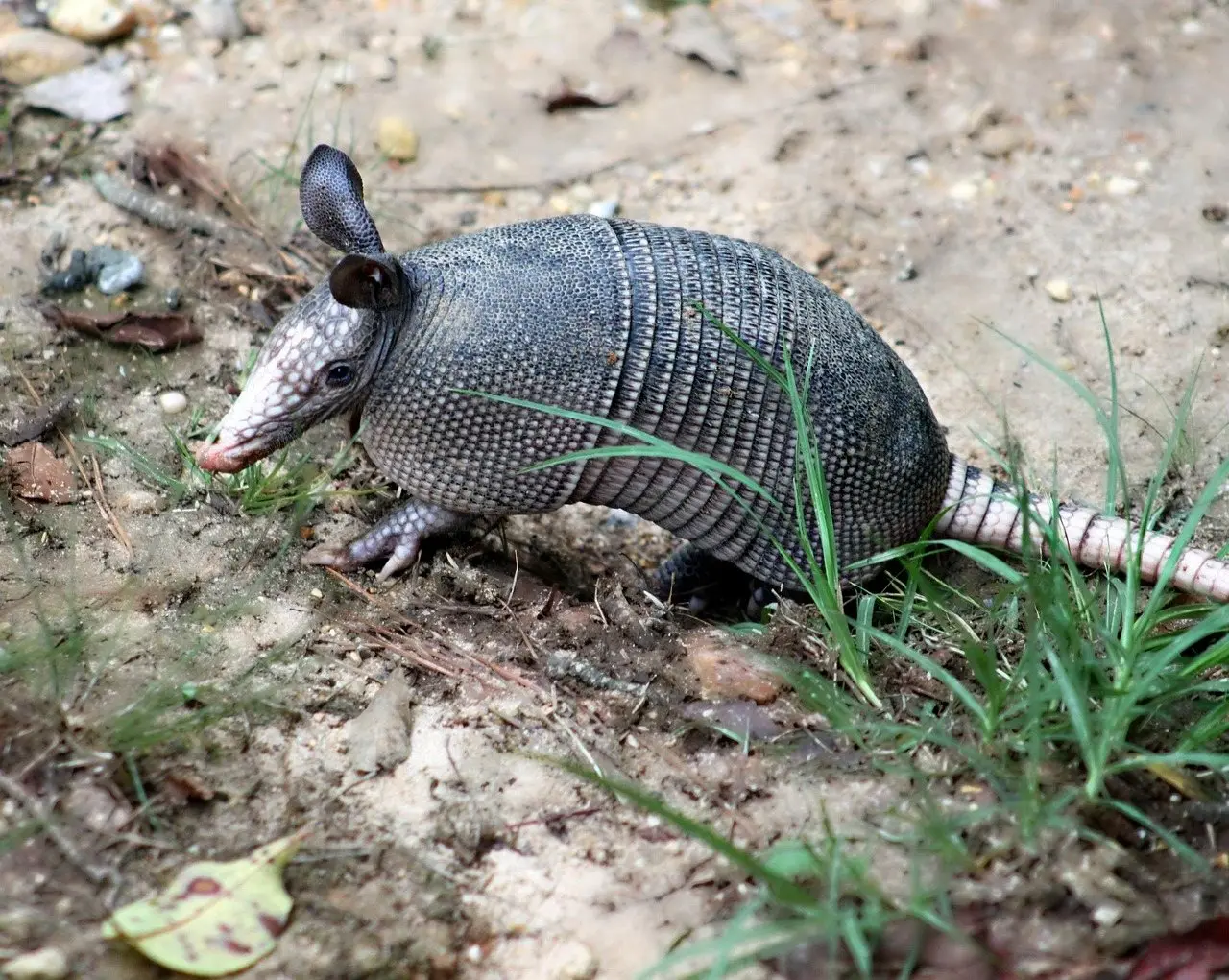
Two things bring an armadillo under a house: a grub-rich lawn to feed on, and a gap under a slab, deck or porch that is easier to enlarge than to dig fresh.
Step one: confirm nobody is home
Sealing an animal under your own slab is the mistake this whole job is arranged around avoiding.
- Find every entrance. Armadillos dig multiple burrows and often more than one mouth per burrow. Walk the skirting of the house, the deck, the porch, the shed and any slab edge
- Stuff each entrance loosely with crumpled newspaper, or sprinkle a band of flour or fine sand across it
- Check at first light. Pushed-out paper or outbound tracks with none returning means it left and has not come back
- Repeat for two or three nights. Armadillos do not emerge every night, especially in cold weather
- Only then treat the burrow as empty
If you cannot confirm it is empty, use a one-way door
A one-way exclusion door — hardware cloth hinged at the top over the entrance, open at the bottom, so the animal pushes out and cannot push back — is the right answer whenever the track test is ambiguous.
Leave it for four to seven nights, then test again before sealing. Never trust a single night’s reading.
Step two: close the burrow properly
| Method | Holds | Verdict |
|---|---|---|
| Loose soil | Days | Reopened almost immediately |
| Tamped gravel | Months to years | The right backfill |
| Gravel plus buried hardware cloth | Indefinite | Best |
| Concrete plug | Indefinite at that hole | They dig a new one two feet along |
| Rock on top of the hole | Hours | — |
- Backfill with gravel in tamped layers. Armadillos re-excavate soil easily and gravel badly
- Pin hardware cloth flat over the area, buried an inch or two down, so a fresh attempt at the same spot meets wire
- Then look along the wall for where they will try next, which is the point of the barrier in the next section
Step three: the barrier that makes it permanent
One sealed burrow moves the animal two feet along the wall. The barrier is what ends it.
- Dig a trench along the skirting of the deck, porch or slab, twelve to eighteen inches deep
- Set hardware cloth or welded wire — quarter to half-inch mesh — down the face, fixed to the structure at the top
- Angle the bottom twelve inches outward into an L, away from the house, and backfill over it. An animal digging at the base hits a horizontal apron rather than finding a gap
- No gaps at corners or posts. This is where every barrier fails
- Backfill with gravel at the surface rather than soil
Do the deck and the shed at the same time. An excluded armadillo looks for the next best void within a night or two, and that is the one you did not screen.
Step four: take away the food
A lawn being rolled up every night is a lawn full of soil invertebrates. The digging is the animal eating, not the animal vandalising.
- Check for grubs. Lift a square foot of turf; more than about five or six larvae underneath means a grub problem, and the armadillo is a symptom
- Treat the grubs — beneficial nematodes for a slow biological route, or a registered insecticide if the infestation is heavy
- Water less, and deeper. Soft, constantly damp soil is both easier to dig and better grub habitat
- Clear brush piles, log stacks and dense low cover near the house, which are the daytime shelter that makes the yard worth sleeping in
- Fallen fruit off the ground
Expect the lawn damage to look worse before it stops
The cone-shaped holes and rolled-back turf are foraging, and they continue for as long as the grubs are there — even after the burrow under the house is closed.
Grub control and exclusion are two separate jobs. Doing only the exclusion ends the burrow and leaves the lawn digging; doing only the grub control ends the digging and leaves an animal living under your slab.
Handling, and the one health note
- Do not handle an armadillo, alive or dead, with bare hands
- Nine-banded armadillos can carry Mycobacterium leprae, and a small number of human leprosy cases in the southern United States have been linked to them. The route is handling or eating them, not sharing a yard
- Gloves when working around burrows, and wash afterwards
- They do not bite defensively in any meaningful sense, but they jump straight up when startled, which is how so many are hit by cars
What does not work
- Mothballs. No effect, and illegal used outdoors in most places
- Ammonia, predator urine, castor oil. A few days of mild avoidance at best
- Ultrasonic repellers. No evidence of effect
- Filling the hole with soil. Reopened within the week
- Trapping without a barrier. Another armadillo arrives at an unscreened void, because the void was the attraction
- Relocating one. Prohibited in many states, and usually fatal to the animal
Common questions
How do I get an armadillo out from under my house?
What gets rid of armadillos permanently?
Do armadillos carry leprosy?
Will mothballs or ammonia get rid of an armadillo?
Is it legal to trap an armadillo?
How do I fill an armadillo hole?
Backyard Weekly
Know what to plant, week by week
Join the weekly email for seasonal jobs, fixes for what is going wrong, and gear worth buying.
Not ready to subscribe? The planting calendar is free and needs no email.
By subscribing you agree to our privacy policy. Grow In Backyard will never sell your address.
Keep reading
How to Fill Chipmunk Holes (and Why Filling Rarely Works)
A chipmunk reopens a filled hole in a day. What actually stops the tunnelling, how to tell a chipmunk hole from a vole or rat hole, and when to worry.
How to Get Rid of Ground Squirrels — 3 Measures
How to get rid of ground squirrels comes down to exclusion below ground. 3 measures compared on cost and effort. See which suits your beds.
How to Get Rid of Bats on a Porch, Legally and Humanely
Bats roosting on a porch are protected in most places and cannot be sealed in. Exclusion timing, the maternity season, and what to do about droppings.
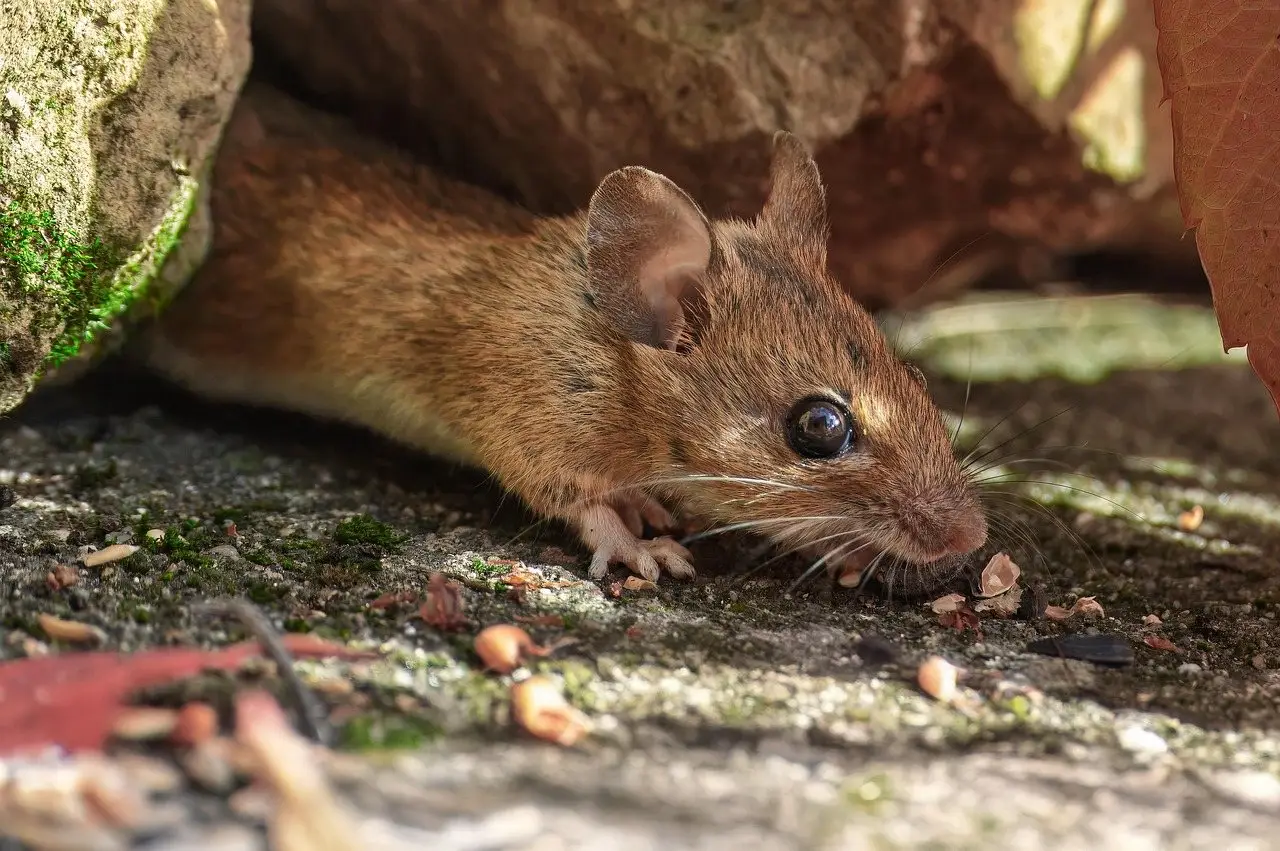
How to Get Rid of Mice Under a Shed, and Keep Them Out
A shed on bearers is a dry, warm void with no predators. Skirting it with hardware cloth, the order to do the work in, and why baiting first backfires.