
How to Get Rid of Bats on a Porch, Legally and Humanely
Bats roosting on a porch are protected in most places and cannot be sealed in. Exclusion timing, the maternity season, and what to do about droppings.
 By
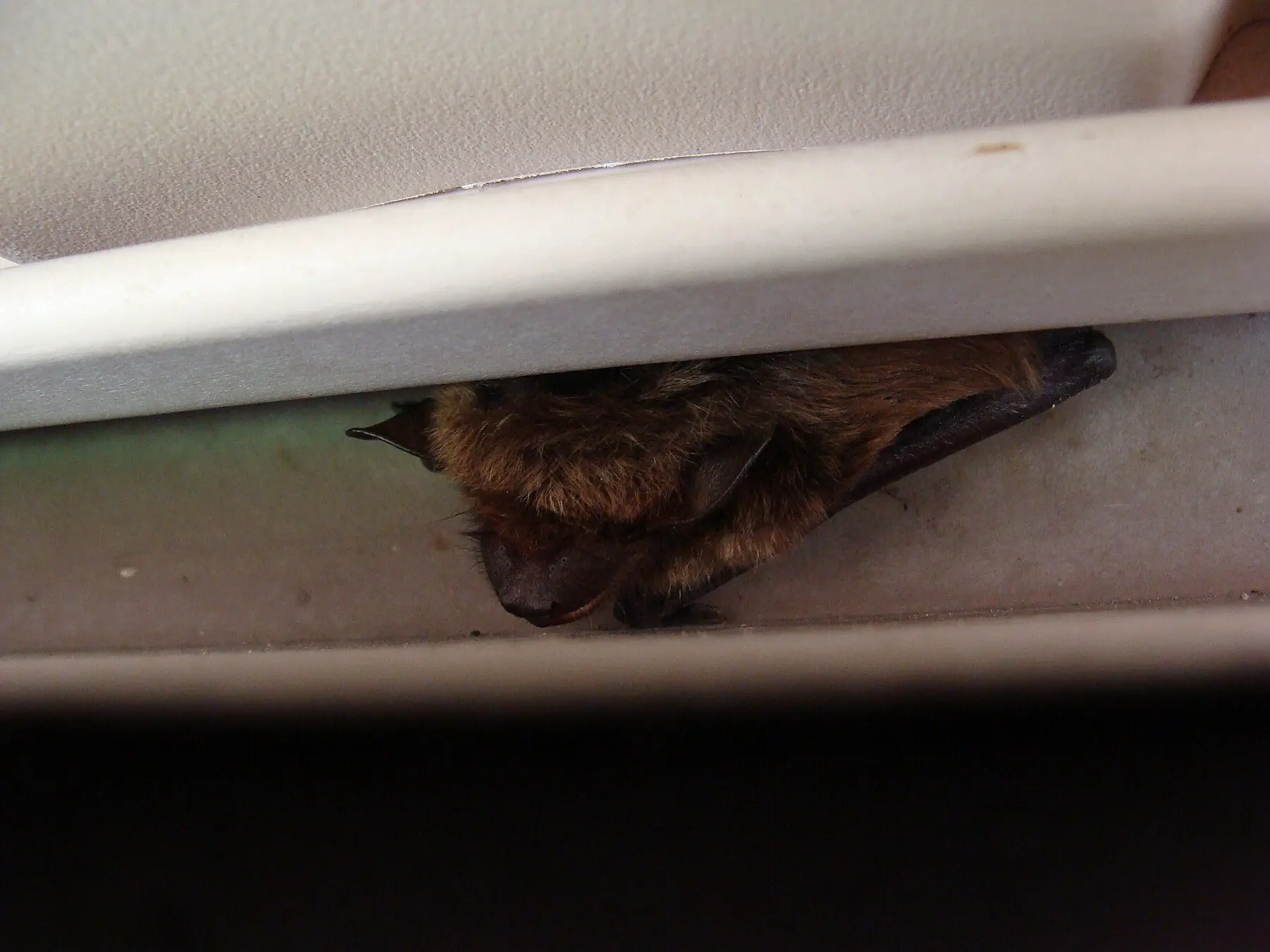

On this page
Two things make this different from most wildlife problems: bats are protected nearly everywhere, and sealing them in is both illegal and the worst available outcome.
The legal position first
- UK and EU: an offence to kill, injure or disturb bats, or damage or obstruct a roost — and a roost is protected whether or not bats are in it at the time. Professional advice is required before work
- United States: varies by state, and several species are federally listed as endangered or threatened, partly because of white-nose syndrome, which has killed bats in enormous numbers. Lethal control and roost destruction are prohibited in many places
- Check your own wildlife agency, not a pest control advertisement
Never exclude during the maternity season
Roughly May to August, mothers leave flightless pups in the roost while they hunt.
An exclusion during that window seals the pups in to starve. It is inhumane, it is illegal in most jurisdictions, and it leaves dead animals in your structure.
If in doubt, wait. A few more weeks of droppings is a far better outcome.
Why your porch
Three things, all of which you can change:
- Dark, sheltered and undisturbed — the corner where ceiling meets wall
- Insects at the lights. A white porch light is a moth magnet, and moths are dinner
- A gap into a soffit, wall void or shutter, if they are getting inside
Moving a porch roost
Start here, because for an open-porch roost it usually works and it is legal everywhere:
- Bright light on the roost corner. An LED work light or a security lamp, left on at night
- Air movement. A fan is remarkably effective — bats dislike disturbed air
- Warm amber or yellow bulbs on the porch itself, which cuts the insects that drew them
- Switch off decorative lighting and close blinds so indoor light stops spilling out
- Give them somewhere else. A bat box on a pole or a tree, 12 to 20 feet up, south or south-east facing, well away from the house
Give it a few nights. Bats are creatures of habit and do not abandon a roost the first evening.
A bat box is not a consolation prize
A single small brown bat eats a substantial number of insects in a night, mosquitoes among them.
Moving a colony from the porch to a box at the bottom of the garden is the best outcome available here — you lose the droppings, and you keep the bats.
If they are getting into the structure
This is exclusion work, and the method is fixed.
- Confirm the season. Not May to August
- Watch at dusk for several evenings and find every exit point — there are usually more than you think
- Seal all but the main exits, with caulk, mesh or foam
- Fit one-way exclusion doors on the remaining exits: netting or sheeting hung above the gap and open at the bottom, so bats drop out and cannot climb back in
- Leave it four to seven nights of decent weather
- Confirm the roost is empty — watch again at dusk
- Seal permanently
- Then clean up
Never seal a gap without a one-way door first. Trapped bats die inside the structure and sometimes come out into the house looking for a way back.
In the UK and EU, get advice before starting. In the US, a licensed wildlife operator is worth the money for anything inside a wall.
Droppings
| Situation | Approach |
|---|---|
| A scatter on an open porch | Low risk. Damp it, wash it off |
| Accumulation in an attic or void | Professional job |
| Any confined space | N95 respirator, gloves, ventilate |
| Dry sweeping | Never — it aerosolises spores |
Always dampen first with a mist of water, bag the material rather than brushing it about, and wear a respirator in anything enclosed. Accumulated guano can harbour Histoplasma, the fungus behind histoplasmosis, which is a genuine respiratory risk indoors and a minor one outdoors.
A board or tarp under the roost catches droppings while you work through the timing, which is often the practical answer during the maternity season.
Rabies, honestly stated
Bats do not attack people and want nothing to do with you. But:
- Never handle a bat. A bat on the ground or active by day may be sick
- Any bite or scratch warrants immediate medical advice
- A bat found in a room where someone was sleeping, or with a child, counts as an exposure even with no visible bite — a bat’s teeth can leave a wound too small to see
- Vaccinate pets. Cats bring bats indoors
That is the whole of the risk, and it is managed by not touching them.
What does not work
- Ultrasonic repellers — widely sold, do not work
- Mothballs — no effect, and illegal used this way
- Chemical repellents — none registered for bats in most jurisdictions
- Sticky deterrents — cruel, and they trap and kill
- Sealing while they are inside — illegal, and leaves dead animals in your walls
Common questions
How do I get bats off my porch?
Is it legal to remove bats?
When can bats be excluded?
Are bats on a porch dangerous?
How do I clean up bat droppings?
What repels bats?
Backyard Weekly
Know what to plant, week by week
Join the weekly email for seasonal jobs, fixes for what is going wrong, and gear worth buying.
Not ready to subscribe? The planting calendar is free and needs no email.
By subscribing you agree to our privacy policy. Grow In Backyard will never sell your address.
Keep reading
Uses for Bat Guano: What It Is Good For, and the Real Risks
Bat guano is a fast, high-nitrogen or high-phosphorus fertiliser depending on the bat's diet. How to use it, how to dilute it, and why the dust is dangerous.
How to Keep Birds From Nesting on a Porch, Deck or Ledge
Deter birds before they build, because once eggs are laid the nest is protected by law. Physical blocking, timing, and what deterrents fail at.
Can Squirrels Get Rabies? What the Bite Data Actually Says
Squirrels can carry rabies in theory but almost never do, and no US case of human rabies has been traced to one. What to do if you are bitten.
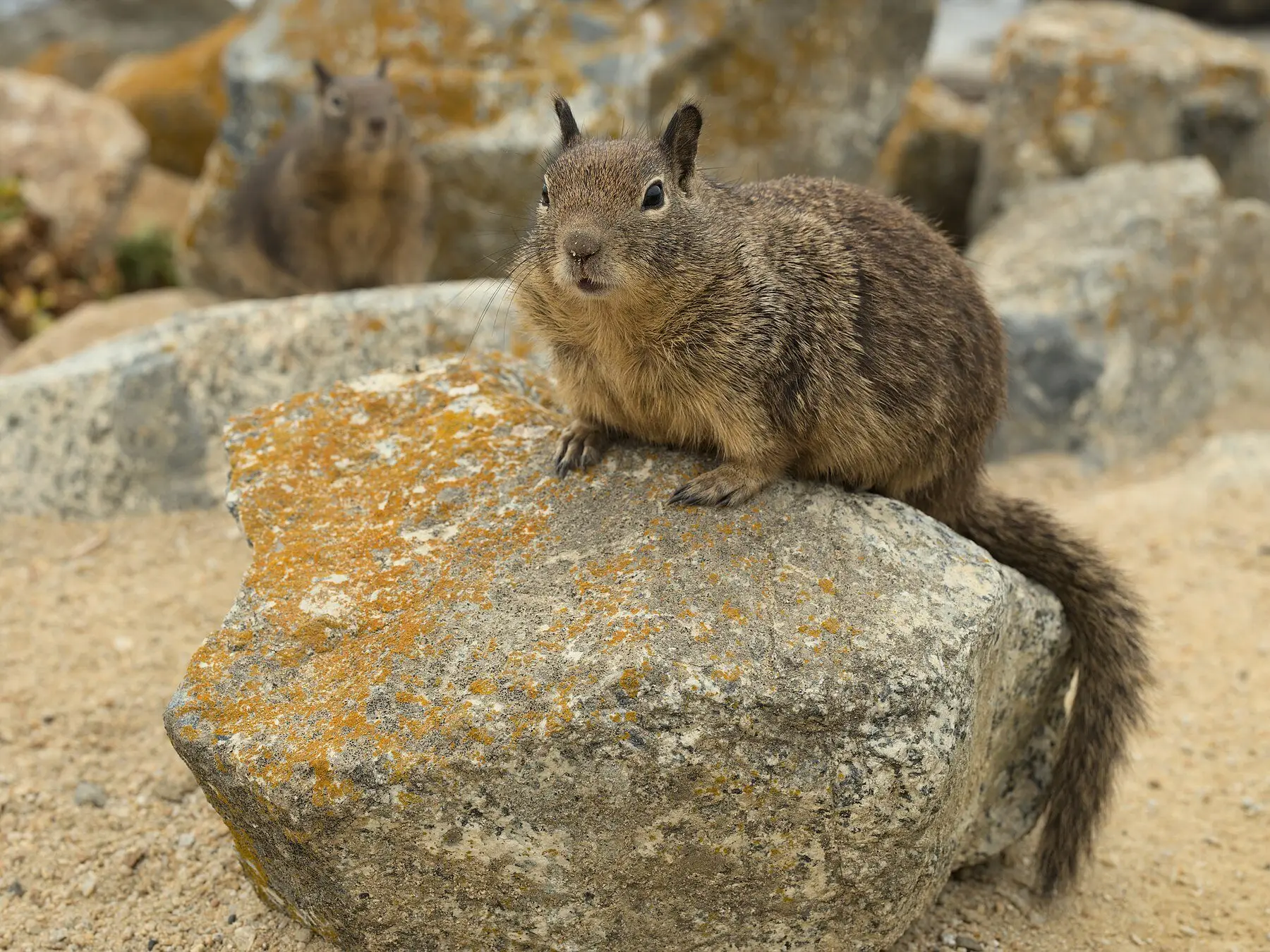
How to Get Rid of Ground Squirrels — 3 Measures
How to get rid of ground squirrels comes down to exclusion below ground. 3 measures compared on cost and effort. See which suits your beds.