
Why Do Squirrels Bark? Reading the Chatters, Screams and Kuks
A barking squirrel is an alarm call, and the sound tells you what kind of threat it found. Kuks, quaas, screams and the tail flick that goes with them.
 By
On this page
A barking squirrel has not taken offence. It is running an alarm broadcast — and it is telling the predator, as much as the other squirrels, that the ambush is blown.
The vocabulary
| Sound | What it is | Means |
|---|---|---|
| Kuk | Short, sharp, repeated bark | General alarm. Something is wrong |
| Quaa | Longer, drawn out, moaning | Threat located and being watched |
| Quaa-moan | Extended, plaintive | Often an aerial predator |
| Muk-muk | Soft puffing | Courtship, and kits to mother |
| Scream | Loud, grating shriek | Distress, injury or a fight |
| Teeth chatter | Dry clicking | Agitation, threat display |
| Tail flag | Exaggerated wave | Seen you — usually a ground threat |
Kuk and quaa often run together: a burst of sharp barks as the squirrel registers something, settling into the longer drawn-out call once it has found what it was and is watching it.
Why announce yourself to a predator
It sounds like the last thing a prey animal should do. It is not:
- Ambush predators depend on surprise. A hawk or a cat that has been publicly identified has lost its advantage and usually moves on
- Other squirrels benefit, including relatives — a genuine payoff for a signaller
- It buys watching time. The caller is in a safe spot, up a trunk, facing the threat
This is why a squirrel will bark at you for ten or fifteen minutes from six feet above your head and show no intention of stopping. From its side, the strategy is working: you are being watched, you know it, and eventually you go away.
You are being classified, not insulted
People, cats and dogs all register as ground predators. The squirrel is not reacting to anything you did.
Move away from the tree and the calling usually stops within a minute or two.
The tail
The tail is not decoration during an alarm — it is the visual half of the same message.
- Flagging — the big exaggerated wave — makes the squirrel conspicuous and says I can see you to a ground predator
- Tail flicking is used more for terrestrial threats, vocal alarms more for aerial ones, which makes sense: a hawk overhead is not deterred by a waving tail, a cat is
- Squirrels flag at each other too, in territorial disputes over food or a nest site
- Away from alarms it also does balance, a parachute in a fall, a sunshade and a blanket
The scream
The one that stops people mid-step. A loud, grating shriek means something genuinely wrong:
- A fight, usually between males in breeding season
- Injury or capture — a squirrel in a cat’s mouth screams
- A nest raided, with the mother responding
- A trapped animal, in a chimney, attic or live trap
It is not a routine sound. Unlike barking, if you hear it you are hearing an actual emergency.
A whole woodland listening
Squirrel alarms are not a private channel. Birds and other mammals respond to them, and squirrels in turn eavesdrop on bird alarm calls — research has found grey squirrels relax their vigilance when they hear relaxed background bird chatter nearby.
It is why one squirrel barking often sets off the jays, the chipmunks and everything else at once, and why a wood going suddenly quiet means something too.
The squirrel to be wary of is the silent one
A barking squirrel is frightened and keeping its distance, which is exactly what you want.
A squirrel that walks straight up to you without a sound has almost always been hand-fed until it lost its wariness — and a habituated squirrel is the one that eventually bites a hand holding a peanut.
When the barking is about your house
Persistent alarm calling from the same tree, day after day, sometimes means something more specific than you:
- A cat, hawk or owl using the area regularly
- A snake near a nest
- A nest in your roof, with a female objecting to activity below
- Kits nearby, which makes a mother far more vocal than usual
If it started abruptly and has not stopped, look up and look around before assuming it is about you.
In late winter and midsummer there is a fourth possibility that is not alarm at all: the noisy chasing of the mating season. Squirrels are emphatically not monogamous, and the racket that goes with it is easy to mistake for a predator.
Common questions
Why do squirrels bark at you?
What do the different squirrel sounds mean?
Why do squirrels shake or flick their tails?
Are squirrels barking at me dangerous?
Why does a squirrel bark for so long?
Do other animals listen to squirrel alarm calls?
Backyard Weekly
Know what to plant, week by week
Join the weekly email for seasonal jobs, fixes for what is going wrong, and gear worth buying.
Not ready to subscribe? The planting calendar is free and needs no email.
By subscribing you agree to our privacy policy. Grow In Backyard will never sell your address.
Keep reading
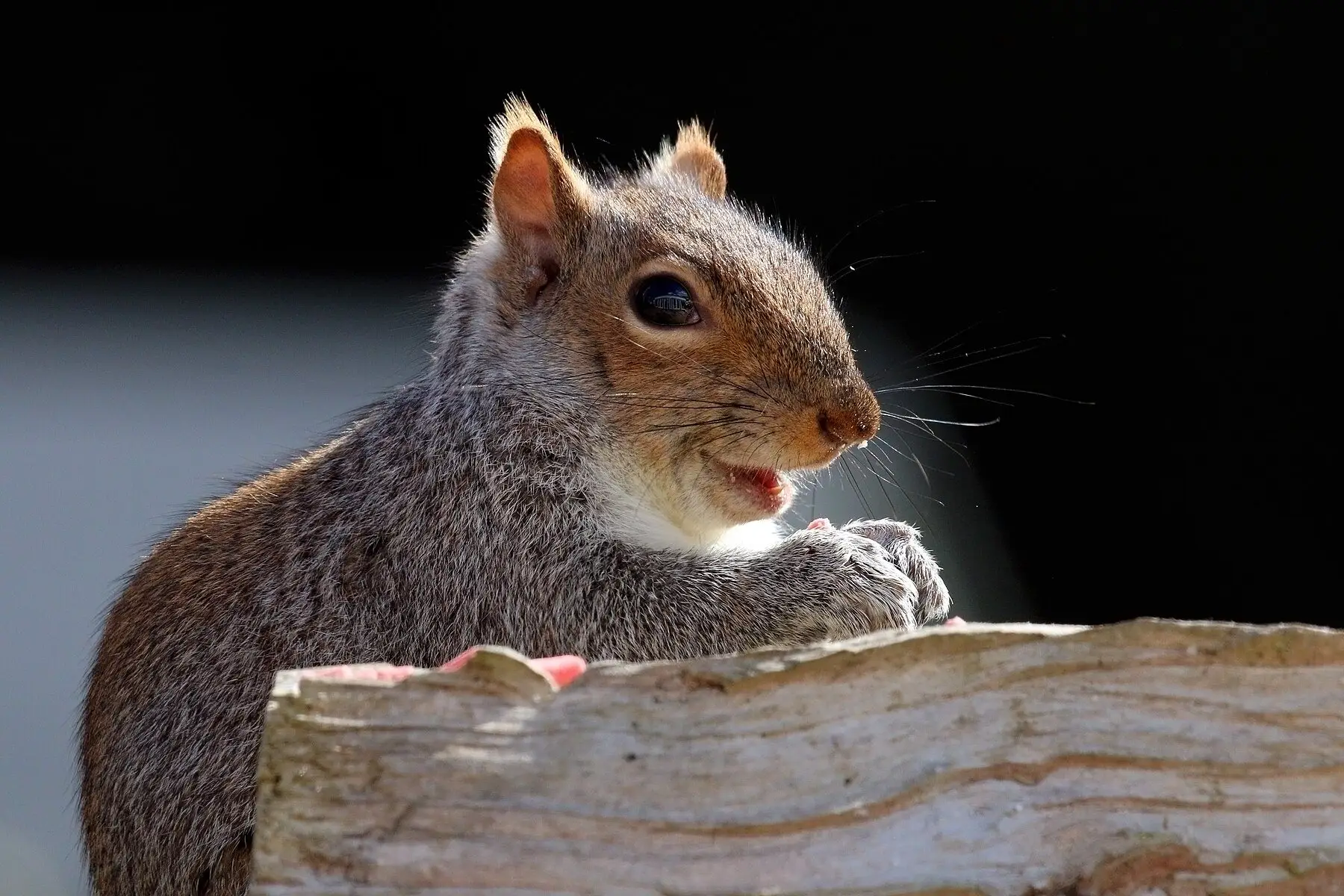
Why Do Squirrels Chase Each Other? Three Reasons, by Season
Spiralling chases up a tree are courtship, territory or play, and the time of year tells you which. How to read one, and when it turns serious.
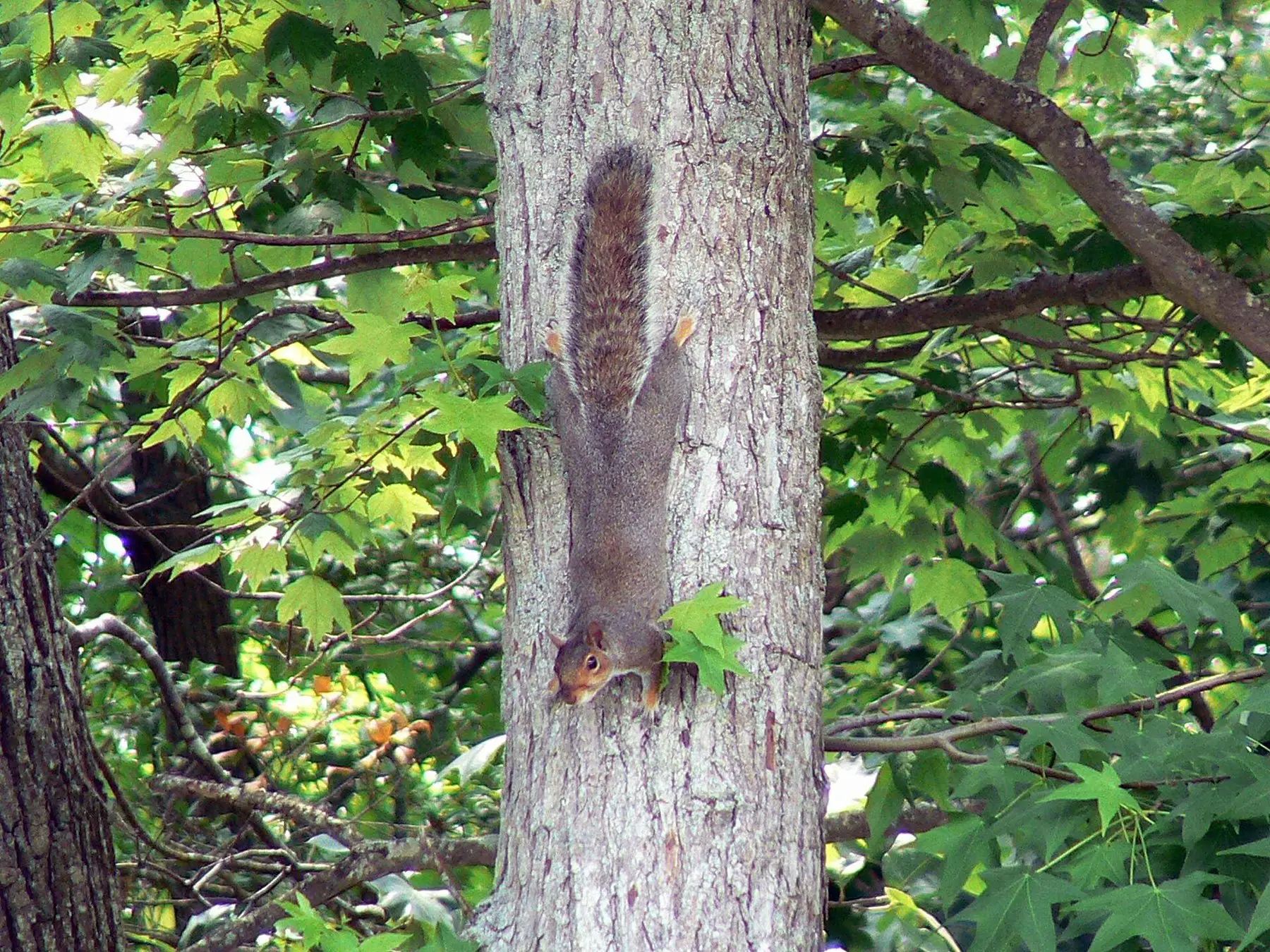
How Long Do Squirrels Live? Wild vs. What You'd Expect
Wild squirrels rarely see old age — most die in their first year. The realistic lifespan by species, and why the number is so much lower than people assume.
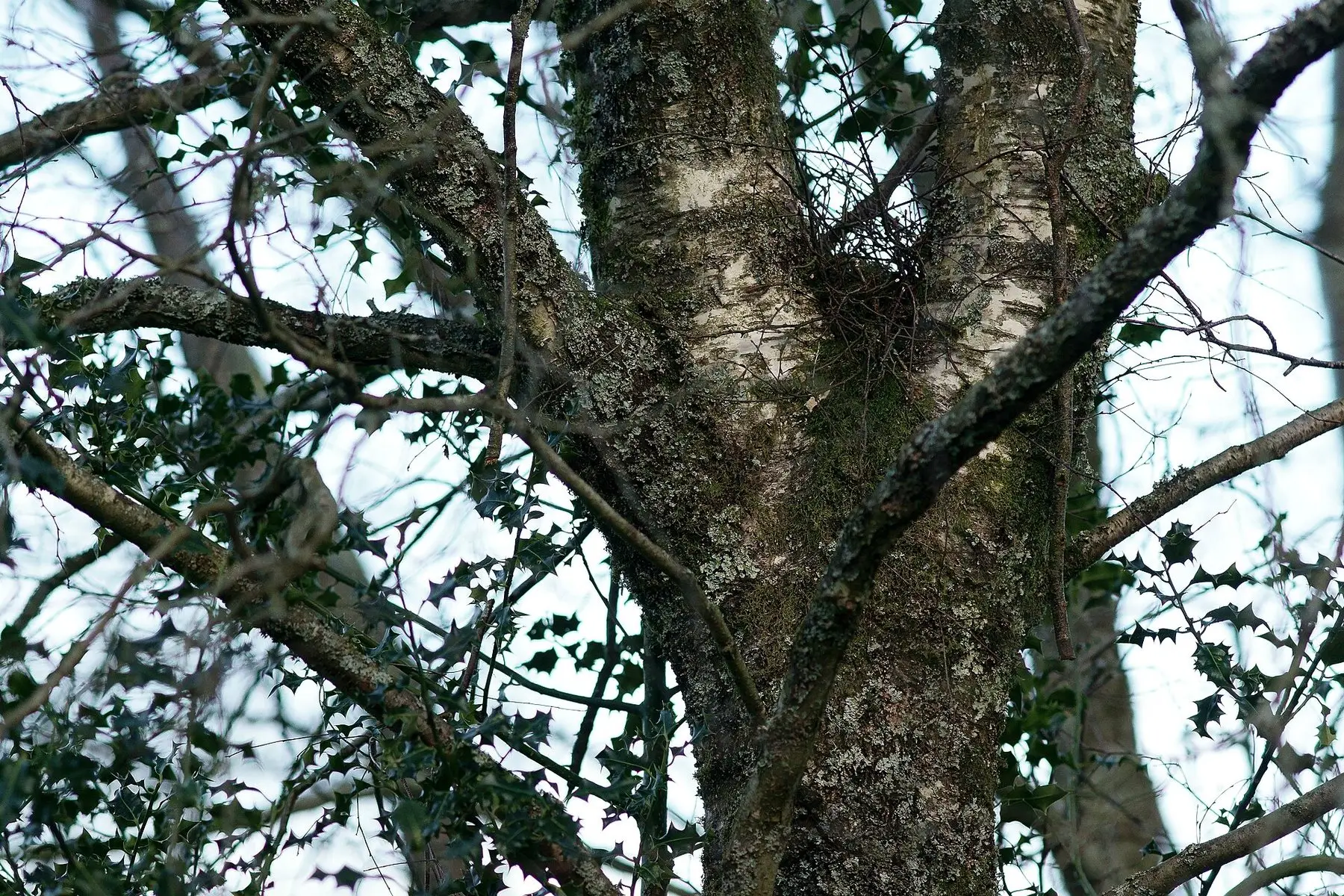
Where Do Squirrels Live and Sleep? Nests, Dens, and Winter
Squirrels build two distinct home types and switch between them by season. What a drey actually is, where they den in winter, and whether they hibernate.
Why Do Squirrels Bury Nuts? And How They Find Them Again
Squirrels cache thousands of nuts a year, in separate holes, and relocate them by memory and smell — while faking burials for any squirrel watching.