
Do Deer Attack Humans? Rarely, But Not Never
Deer injure more people than most wild animals in North America — almost all of it in autumn rut or from a doe with a fawn. What provokes it and what to do.
 By

On this page
Deer look like the least threatening large animal in the landscape, and mostly they are. But they injure more people in North America than bears and wolves combined — and the circumstances are narrow and predictable enough to avoid almost entirely.
The three situations
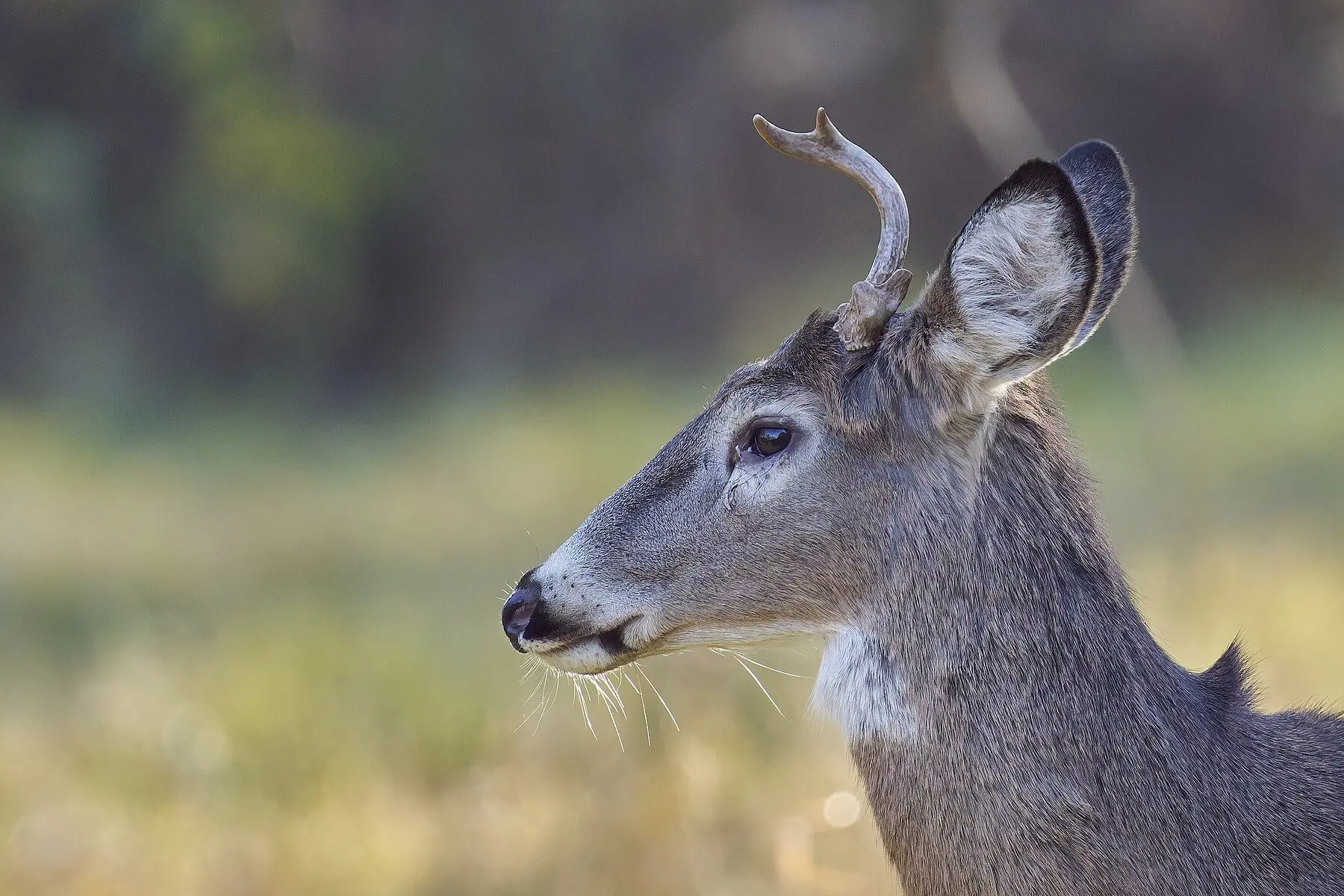
1. The rut. Roughly October to December. Bucks are running on testosterone, their antlers are hardened, and they respond to anything they read as a rival — including people, statues and reflections in windows. A rutting buck is the single most dangerous deer you will meet.
2. A doe with a fawn. Late spring into early summer. Does do not run from a threat to a newborn; they rear and strike downward with their front hooves. Sharp hooves driven by a 150-pound animal break arms and open scalps.
3. Habituated deer. The one people cause. A deer that has been hand-fed approaches people without fear — and will also approach them while agitated, rutting or protecting young.
Feeding deer is how people get hurt
Habituated deer account for a disproportionate share of serious injuries, which is why hand-feeding wild deer is illegal in many US states. A deer that has learned people mean food has lost the distance that keeps both of you safe.
What an attack actually looks like
Bucks lower their heads and drive forward with the antlers — puncture wounds to legs, abdomen and groin.
Does rear up and strike downward with the front hooves, repeatedly.
Neither bites in any meaningful way. The danger is antlers, hooves and 100–300 lb of momentum.
Warning signs before a charge: ears laid flat back, hair raised along the spine, a hard stare, a stamping front foot, or the loud explosive snort deer use as an alarm. A deer doing any of these is telling you to leave, and leaving is the correct response.
If one charges
- Do not run. Deer reach 30 mph. Running can also trigger pursuit.
- Get something solid between you — a tree, a car, a fence, a shed.
- Back away slowly, facing the animal.
- Be large and loud — arms up, shout.
- If knocked down, protect your head and abdomen and move behind cover.
Dogs are the usual trigger
Most suburban deer incidents start with a dog. A dog running toward a deer is a predator, and a doe with a fawn will attack it — and frequently the person holding the lead, or trying to intervene.
Keep dogs leashed anywhere deer are around, especially May through July. It removes most of the risk to both animals.
Keeping perspective
The real danger from deer is vehicular. Collisions cause around 200 human deaths a year in the United States and injure tens of thousands. Direct physical attacks are a footnote by comparison.
Deer are also carriers of ticks, and Lyme disease is a considerably more likely consequence of spending time around deer than any injury from the animal itself.
Common questions
Do deer attack humans?
When are deer most dangerous?
How do deer attack?
Why are hand-fed deer more dangerous?
What should you do if a deer charges you?
Are deer dangerous to pets?
Backyard Weekly
Know what to plant, week by week
Join the weekly email for seasonal jobs, fixes for what is going wrong, and gear worth buying.
Not ready to subscribe? The planting calendar is free and needs no email.
By subscribing you agree to our privacy policy. Grow In Backyard will never sell your address.
Keep reading
What Do Deer Eat? Garden Plants and What Not to Feed Them
Deer will eat far more of a garden than most plant lists admit, and a few backyard treats are genuinely dangerous. What is safe to feed, and what to skip.
Where Do Squirrels Live and Sleep? Nests, Dens, and Winter
Squirrels build two distinct home types and switch between them by season. What a drey actually is, where they den in winter, and whether they hibernate.
How to Tell if a Deer Is Going to Attack: The Warning Signs
Ears back, hair raised, head low, a hard stare and a stiff-legged approach. The body language that precedes a charge, and what to do when you see it.
Can Possums Climb? Fences, Trees, and What Stops Them
Opossums are capable, deliberate climbers with a grasping tail built for it. What that means for fencing them out, and where they actually can't get a grip.