
Can Foxes Climb Fences? Yes — Higher Than You Think
A fox clears a six-foot fence and climbs considerably higher. What actually keeps them out, and why the same fence stops a skunk but not a raccoon.
 By

On this page
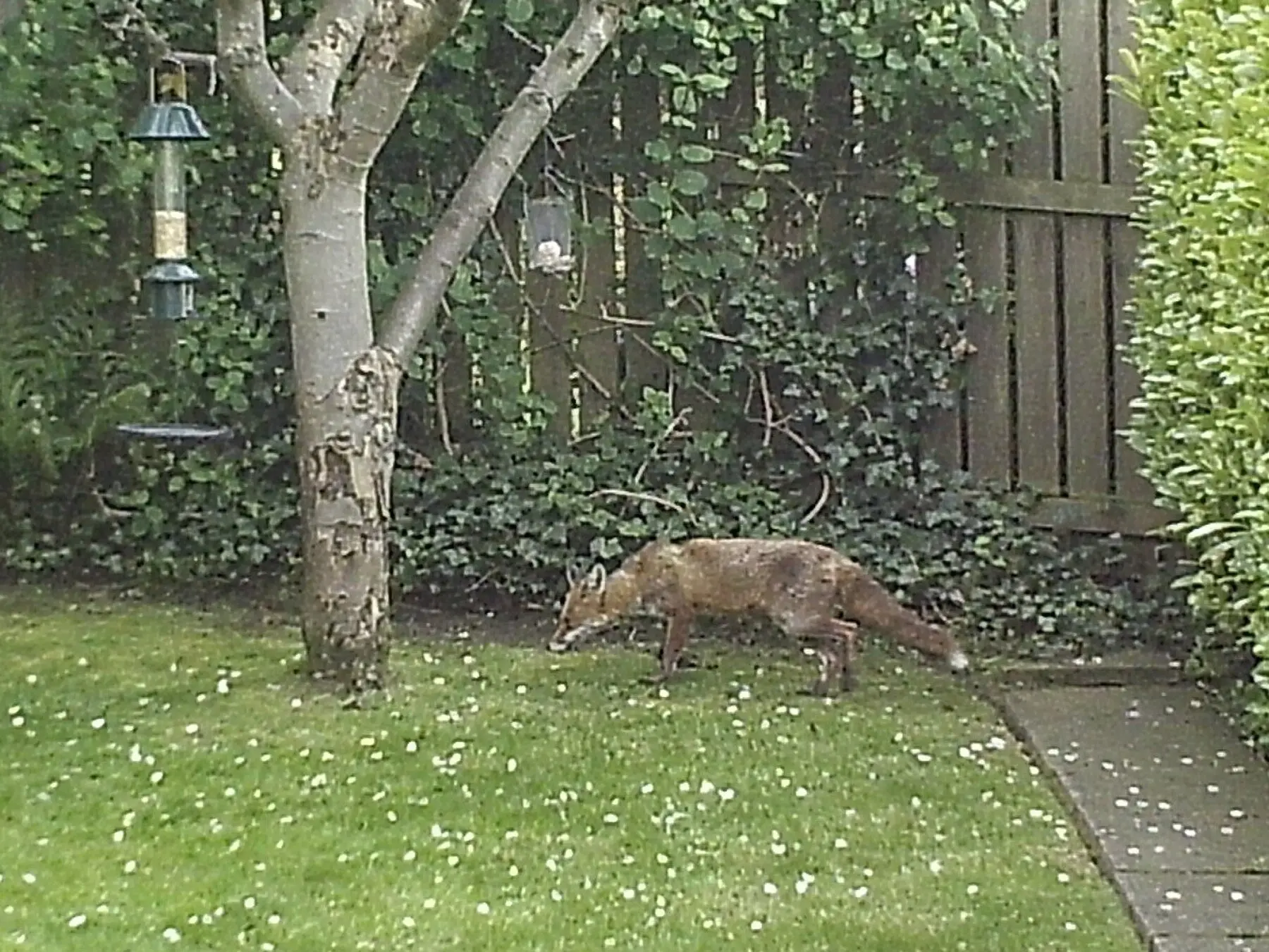
Yes — comfortably. A fox will clear a six-foot fence, climb higher than that with anything to push off, dig under a barrier, and squeeze through a four-inch gap.
Which means fence height on its own almost never solves a fox problem.
What each animal can actually do
| Animal | Jump | Climb | Dig | Squeezes through |
|---|---|---|---|---|
| Red fox | ~3 ft standing | Yes, well | Yes | ~4 in |
| Raccoon | ~4 ft | Excellent | Some | ~4 in |
| Striped skunk | Poor | No | Yes, well | ~3 in |
| Spotted skunk | Good | Yes | Yes | ~3 in |
| Opossum | Poor | Yes | Rarely | ~3 in |
| Rat | ~3 ft vertical, ~4 ft across | Yes | Yes | ~½ in |
| Groundhog | Poor | Some | Yes, extensively | ~3 in |
| Deer | 7–8 ft | No | No | — |
Rats deserve a note: a rat jumps about three feet vertically and four across, climbs brick and pipework, and gets through a gap the width of its skull — around half an inch. No fence is a rat barrier.
Fox-proofing, properly
Foxes are problem-solvers, so a barrier has to close all three routes at once.
Over the top:
- Six feet minimum, and treat that as a starting point.
- A roller bar along the top — a free-spinning tube that denies a paw-hold — is the most effective single addition.
- Or an outward-angled overhang at 45°.
- Remove launch points. Bins, woodpiles, compost bays, low sheds and garden furniture within six feet of the fence undo the height entirely.
Under the bottom:
- Bury wire mesh 12 inches deep, with an outward-facing L of another 12 inches. Foxes dig down at a barrier; the horizontal lip is what defeats that.
Through the middle:
- Close any gap over about four inches. Fence panels, gates, and the bottom of gates especially.
Take away the reason
Barriers are hard work. Removing the attraction is easier and often sufficient:
- Secure bins with locking lids or a strap.
- No pet food outside, ever, and no bowls left out overnight.
- Clear fallen fruit and spilled bird seed.
- Compost in a closed bin, not an open heap, if it takes food waste.
- Motion-activated sprinklers work well on foxes, which are naturally cautious.
Chickens specifically
This is where it matters most, and where the usual mistakes are made.
- Welded mesh, not chicken wire. Chicken wire keeps chickens in. A fox bites and tears through it.
- A roof on the run. Foxes climb and drop in — an open-topped run is not secure regardless of height.
- Wire buried 12 inches with an outward lip.
- Shut the coop at dusk, every night. Most losses are to an open door, not a defeated fence.
A fox that has found chickens returns nightly until it cannot get in. The fix has to be the structure, not vigilance.
Common questions
Can a fox climb a fence?
How high can a fox jump?
How do you keep foxes out of a garden?
Can skunks climb fences?
Can raccoons climb fences?
Do foxes attack chickens through fences?
Backyard Weekly
Know what to plant, week by week
Join the weekly email for seasonal jobs, fixes for what is going wrong, and gear worth buying.
Not ready to subscribe? The planting calendar is free and needs no email.
By subscribing you agree to our privacy policy. Grow In Backyard will never sell your address.
Keep reading
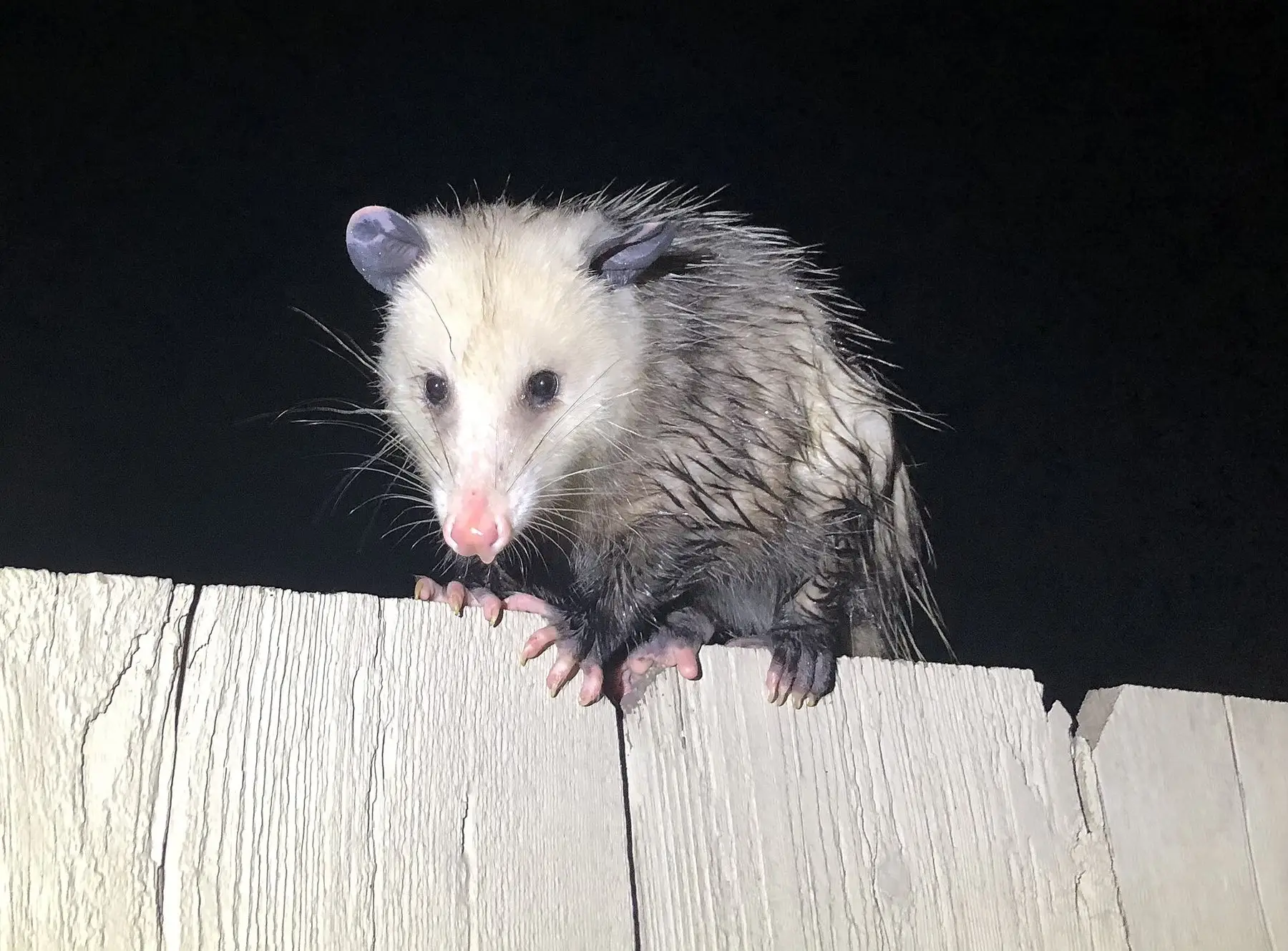
Can Possums Climb? Fences, Trees, and What Stops Them
Opossums are capable, deliberate climbers with a grasping tail built for it. What that means for fencing them out, and where they actually can't get a grip.
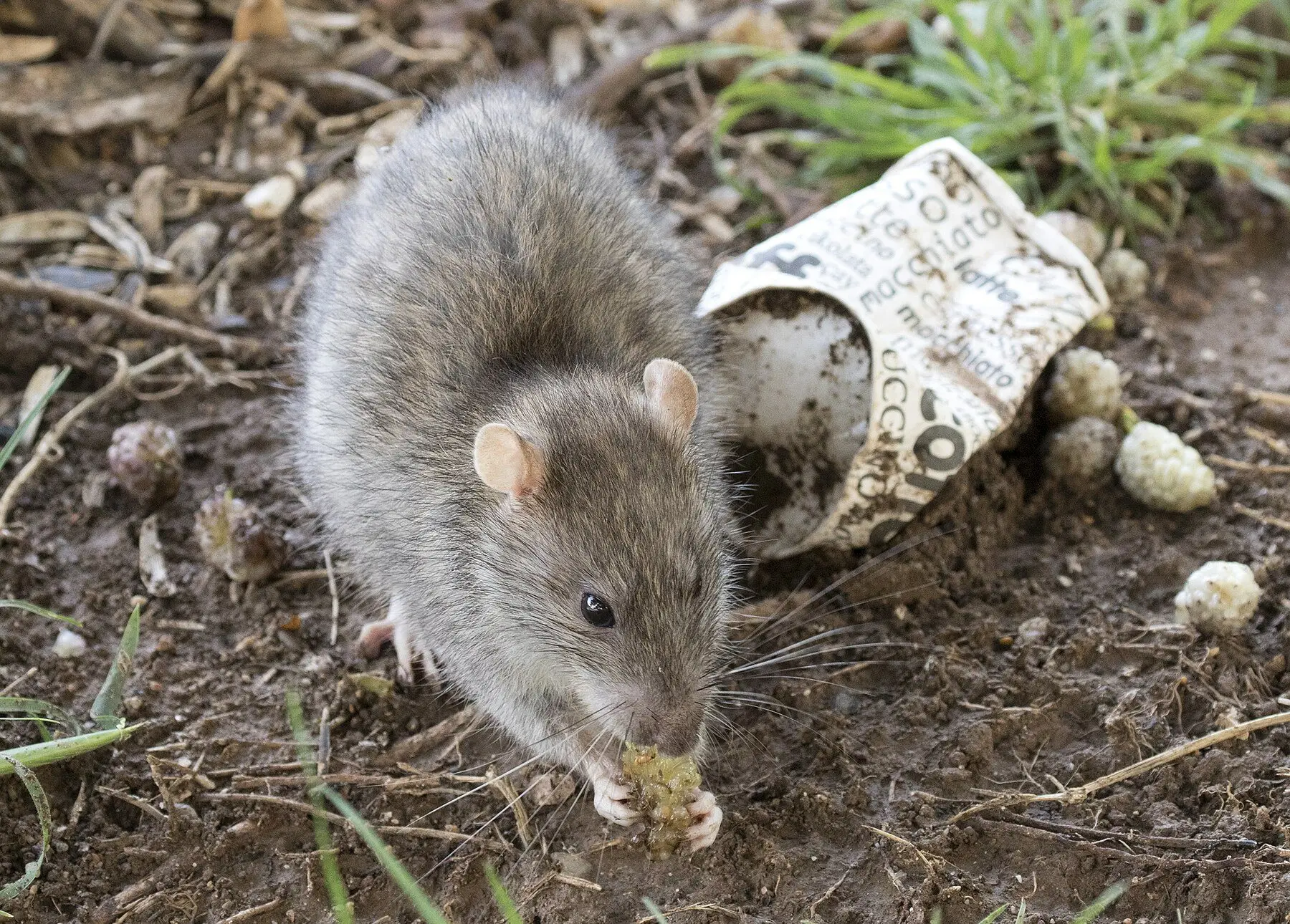
Can Rats Climb Walls? Brick and Pipes, Yes. Glass, No.
Rats climb rough vertical surfaces easily, jump three feet up and squeeze through a 20mm gap. What that means for sealing a house, and what actually stops them.
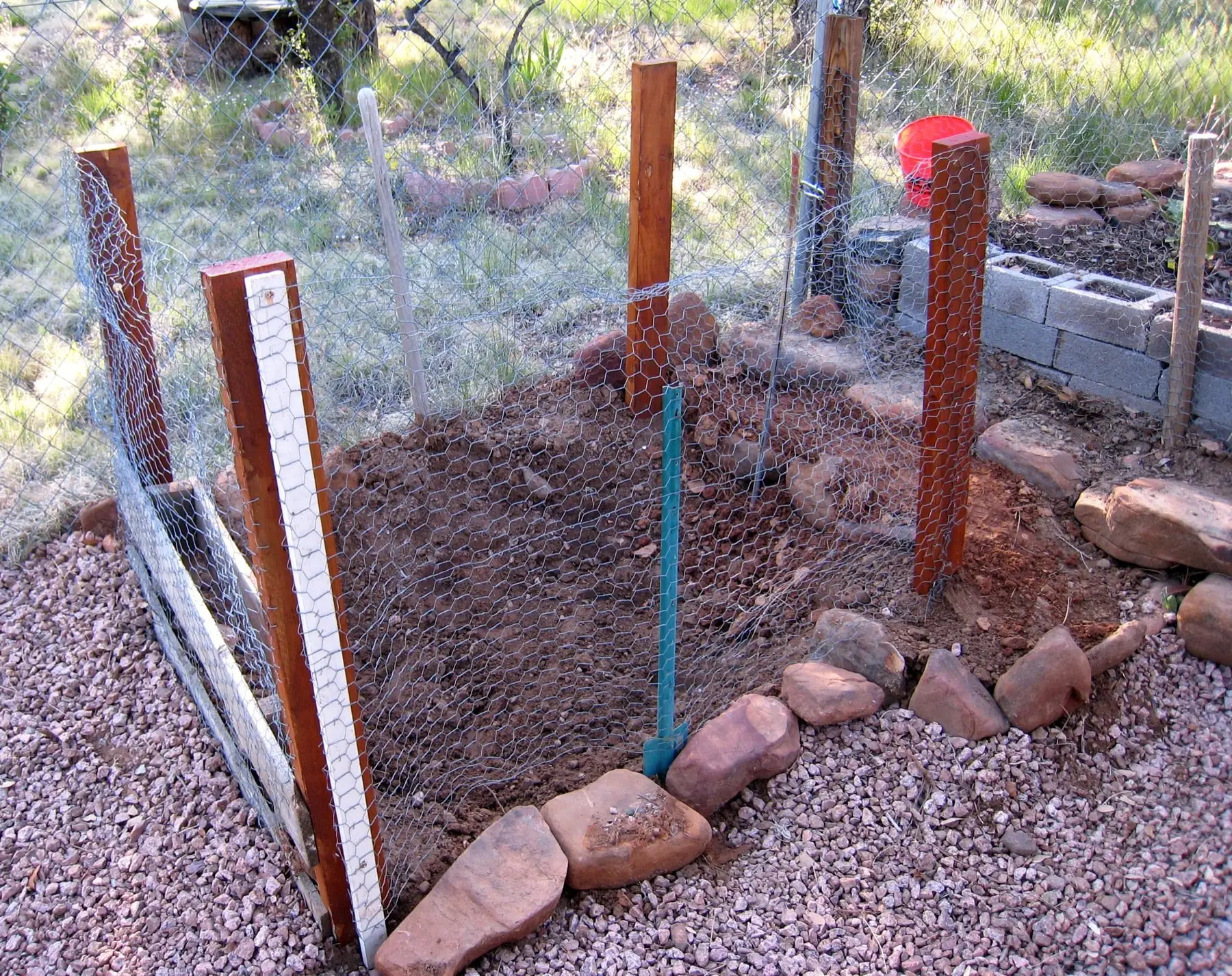
How to Keep Chickens Out of the Garden
Chickens will strip a vegetable bed in an afternoon. Fence the garden rather than the birds, and use the six other methods in the order that actually works.
Can I Have a Goat in My Backyard? Check Three Rules First
Zoning, minimum lot size and pet limits decide it before anything else — and goats are herd animals, so the answer is never one goat.