Can Rats Climb Walls? Brick and Pipes, Yes. Glass, No.
Rats climb rough vertical surfaces easily, jump three feet up and squeeze through a 20mm gap. What that means for sealing a house, and what actually stops them.

On this page
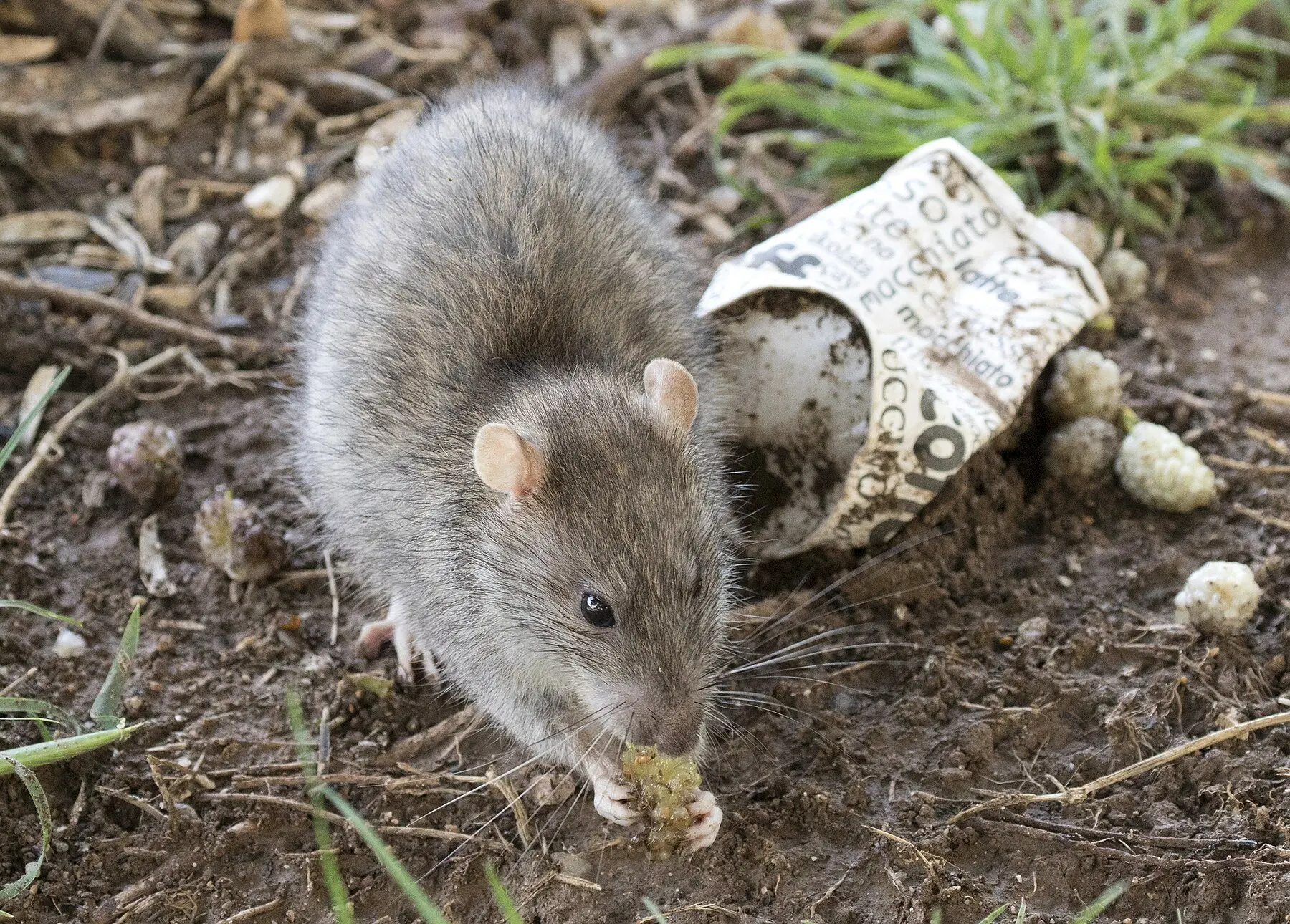
Yes — easily, on anything with texture. A brown rat can run up brick, breeze block, stone, render, stucco and timber cladding without slowing down, climb the inside or outside of a drainpipe, and cross a wire or a branch to reach a roof.
What stops them is smooth: glass, glazed tile, polished metal, clean uPVC.
What a rat can physically do
| Ability | Figure |
|---|---|
| Squeeze through a gap | ~20mm (2cm) |
| Vertical jump, standing | ~3 ft |
| Horizontal jump | ~4 ft |
| Climb rough vertical surfaces | Yes, at speed |
| Climb pipes and cables | Yes, inside and outside |
| Fall without injury | Around 40 ft |
| Swim | Up to 3 days; can enter via toilet traps |
| Gnaw through | Wood, plastic, lead, breeze block, aluminium |
The 20mm figure is the one that matters for a house. The skull is the limiting dimension; if the head passes, the body follows. And a gap slightly too small is simply a gap they will gnaw larger.
Mice need about 6mm, so a house sealed against rats is not sealed against mice.
Brown rats and black rats climb differently
- Brown rat (Rattus norvegicus) — the common one in most of Europe and North America. Heavy, burrows well, lives low: drains, foundations, decking, compost. Climbs competently.
- Black rat (Rattus rattus) — lighter, more agile, a genuinely excellent climber. Where present, this is the one in the loft, running along beams and cables.
Rats in a roof space are not evidence of a structural hole at roof level. They very often climb the outside of the building and enter under a loose tile or at a soffit gap.
How they actually get in
- Airbricks and vents without metal covers
- Gaps around pipework where it passes through a wall
- Under doors with a worn threshold seal
- Soffit and fascia gaps, and lifted roof tiles
- Drainpipes, climbed inside or out
- Damaged drains — a broken pipe in the garden is a direct route
- Overhanging branches and wires touching the roof
- Ivy and trellis on a wall, which is a ladder with cover
- Under decking, then up into a cavity
Sealing, so it works
Expanding foam alone is not a rat barrier
Rats gnaw straight through polyurethane foam, plastic, timber and even soft mortar. Foam on its own is a cosmetic repair that looks finished and fails within weeks. Pack the void with stainless steel wool or copper mesh first — which they cannot chew and dislike the feel of — then seal over it with cement, mortar or a metal plate. Foam is fine as a filler behind the metal, never as the barrier.
Work through the building methodically:
- Survey at ground level on hands and knees, all the way round. Most gaps are below knee height.
- Seal everything over 20mm with steel wool plus mortar or metal sheet.
- Cover airbricks and vents with fine stainless mesh — never block them, which causes damp.
- Fit metal guards to drainpipes, or a smooth collar that removes the grip.
- Cut branches back at least 4 feet from the roof, and remove ivy from walls.
- Fit bristle strips or metal thresholds to door bases.
- Check the drains. A cracked pipe or a missing rodent barrier is a common and invisible route.
- Board or mesh the skirt of decking, buried a few inches into the ground.
Remove what brought them
Exclusion holds; food is what makes them keep trying.
Bird feeders are the most common single cause in a garden. Spilled seed under a feeder is a reliable nightly meal. Use trays to catch spillage, sweep underneath, and take feeders in at night if you have an active problem — the same discipline as squirrel-proofing, for a different animal.
Also: pet food left outdoors, unsecured bins, fallen fruit, chicken feed, and open compost with cooked food in it. A sealed compost bin with only plant material in it is not a rat attractant; an open heap with kitchen scraps is — see building a compost bin.
Shelter matters less than food but still counts: woodpiles against walls, dense ground cover, long grass and rubble.
On poison
Rodenticide without exclusion produces a temporary dip and then recolonisation, because the route in is still open and the food is still there.
It also carries costs worth weighing: secondary poisoning of owls, foxes, cats and dogs that eat a poisoned rat, and the near-certainty that at least one rat dies inside a wall cavity, which is a smell that lasts weeks and cannot be reached.
Traps are more controllable. Professional control is worth it for an established infestation. But neither is a substitute for closing the gaps, which is the only part that lasts.
Common questions
Can rats climb vertical walls?
How small a gap can a rat get through?
Can rats climb pipes and cables?
How high can a rat jump?
What actually stops rats getting into a building?
What attracts rats to a garden?
Backyard Weekly
Know what to plant, week by week
Free planting calendar. Join the weekly email for seasonal jobs, fixes for what is going wrong, and gear worth buying.
Set MONETIZATION.email.endpoint in src/config/site.ts to enable this form.
By subscribing you agree to our privacy policy. Grow In Backyard will never sell your address.
Keep reading
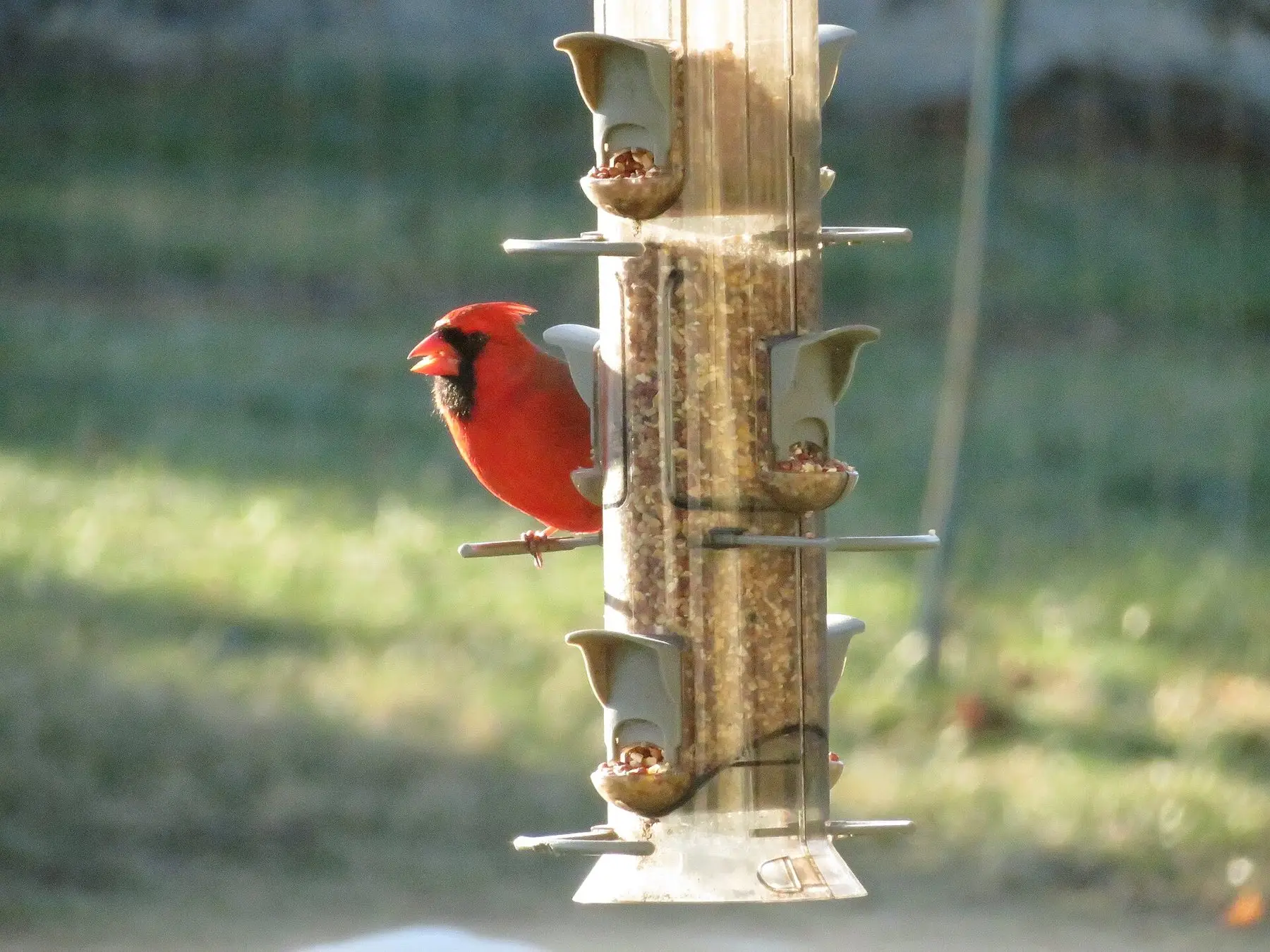
Squirrel-Proof Bird Feeders: What Actually Stops Them
Squirrels jump 10 feet sideways and 4 feet up, so placement defeats more of them than any feeder design. The mechanisms that work, and the ones that don't.
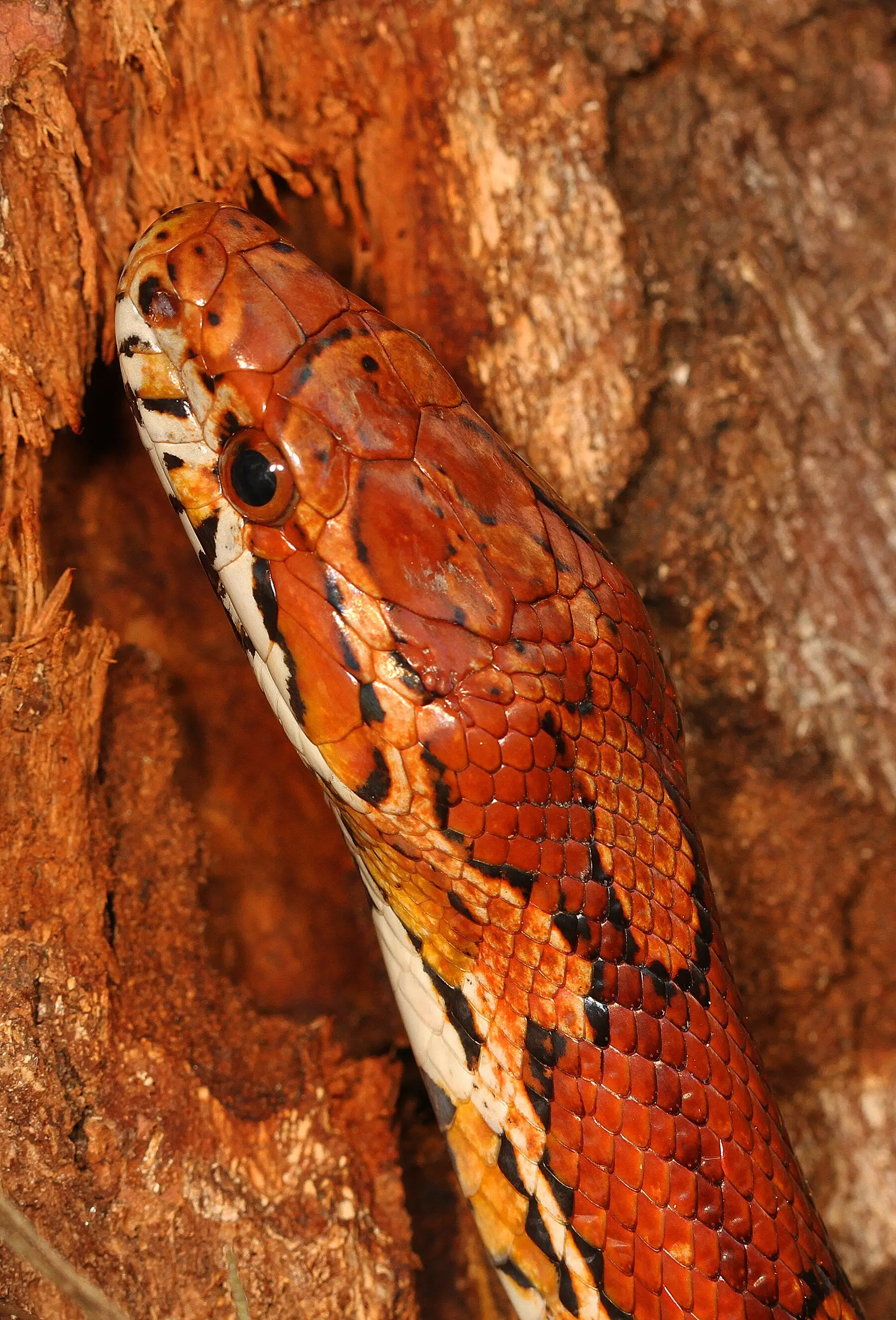
Are Corn Snakes Poisonous? No, and Not Venomous Either
Corn snakes are harmless constrictors often killed on sight because they mimic copperheads. How to tell them apart, and why one is worth keeping around.

How to Make a Compost Bin: Three Designs That Work
A heap needs about a cubic yard to heat up, air to keep going, and a lid in wet climates. Pallet, wire and bin designs, plus what actually goes in.

How Long Do Koi Live? 25 to 35 Years, With Caveats
Koi routinely outlive the pond they were bought for. What actually sets lifespan, the volume they need, and why the famous 226-year fish is not the benchmark.