
Why Do Deer Only Come Out at Night? They Don't — You Do
Deer are crepuscular, most active at dawn and dusk. Where they seem nocturnal it is usually learned avoidance of people, dogs and hunting pressure.
 By
On this page
They don’t — they are crepuscular, peaking at dawn and dusk. Where deer seem strictly nocturnal, they have learned it: shifting into the hours when people, dogs and vehicles are absent. That shift reverses where they are left alone.
When they actually move
| Window | Activity |
|---|---|
| Two hours around sunset | Peak — usually the strongest |
| Two hours around sunrise | Peak |
| Middle of the night | Moderate; rises around moonrise on bright nights |
| Midday | Lowest — bedded and ruminating |
| Autumn rut | Pattern breaks down — bucks move at all hours |
Their eyes explain the timing
- High proportion of rod cells and a wide pupil — built for low light
- Tapetum lucidum, a reflective layer behind the retina that sends light back through a second time. That is the eyeshine in headlights
- Poor detail resolution — they detect movement far better than shape
- Limited colour vision: little sensitivity to red and orange, good sensitivity into blue and ultraviolet
Which is why blaze orange works for hunters and blue jeans do not
A deer barely registers orange. Blue-tinted and UV-brightened clothing stands out to them sharply — including fabric washed in detergent containing optical brighteners.
What it means in a garden
If camera footage shows deer at two in the morning, that is avoidance, not preference. Gardens near houses carry constant daytime disturbance — people, dogs, doors, mowers — and deer learn the rhythm within days.
And it means the garden is worth the risk to them
An animal feeding at 2am in a place it considers dangerous is telling you the food is good enough to justify it. The plants are the thing to change, not the timing.
Why “no deer by day, heavy browse by morning” is misleading
A population under pressure concentrates feeding into fewer, safer hours. The same number of animals does more visible damage in a shorter window.
Seeing nothing all day and a stripped border by morning is entirely consistent with a small number of deer that have learned when you are asleep — not a herd.
Lighting
Static lighting: habituated to within days. A permanently lit garden becomes a lit garden they feed in.
Motion-activated lights do slightly better, because the change is what startles. Motion-activated sprinklers better again, because they deliver a consequence rather than a signal.
None of it matches a fence, which is the only measure that reliably works on deer.
Common questions
Why do deer only come out at night?
What time are deer most active?
Can deer see in the dark?
Why do I only see deer in my garden overnight?
Does a nocturnal pattern mean more deer?
Will lighting the garden keep them out?
Backyard Weekly
Know what to plant, week by week
Join the weekly email for seasonal jobs, fixes for what is going wrong, and gear worth buying.
Not ready to subscribe? The planting calendar is free and needs no email.
By subscribing you agree to our privacy policy. Grow In Backyard will never sell your address.
Keep reading
Do Deer Move During the Day? Yes, More Than Expected
Deer are crepuscular, not nocturnal — peak movement is dawn and dusk, but midday activity is real and rises in the rut and in cold weather.
Why Do Deer Sleep in My Yard? It Feels Safer Than Woods
Deer bed in yards because suburbs have food, cover and almost no predators. Repeated bedding means they've decided your garden is low risk.
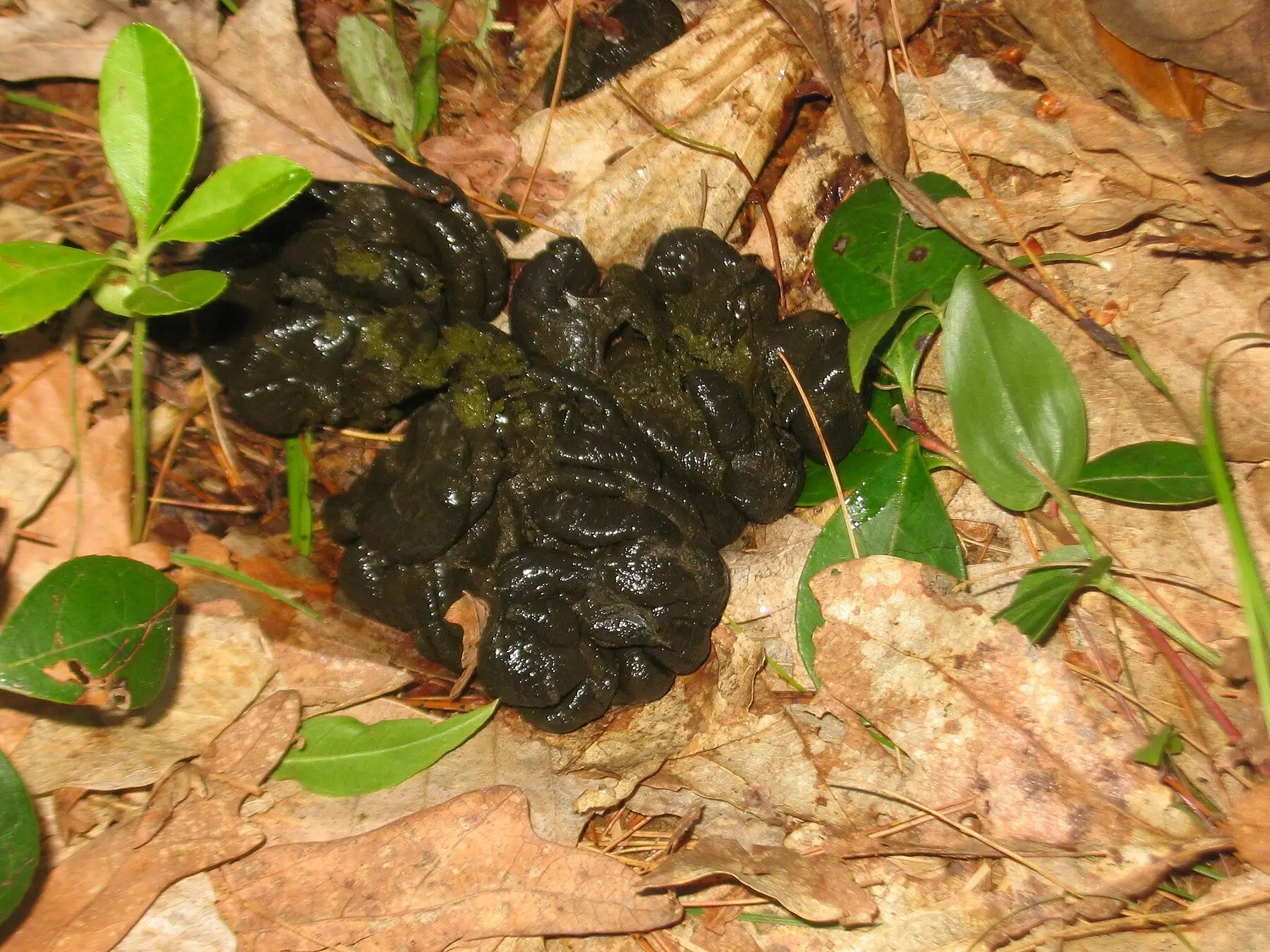
Deer Poop in the Yard: Identifying It, and What It Means
Deer droppings are pellet clusters, not scattered singles. How to tell them from rabbit and goat, what they say about your yard, and the real health risk.
Why Do Deer Snort? Reading the Alarm, Stomp and Blow
A snort is a deer telling every animal nearby it has seen you — and testing whether you move. What each sound means and how smart deer actually are.