
Why Do Deer Sleep in My Yard? It Feels Safer Than Woods
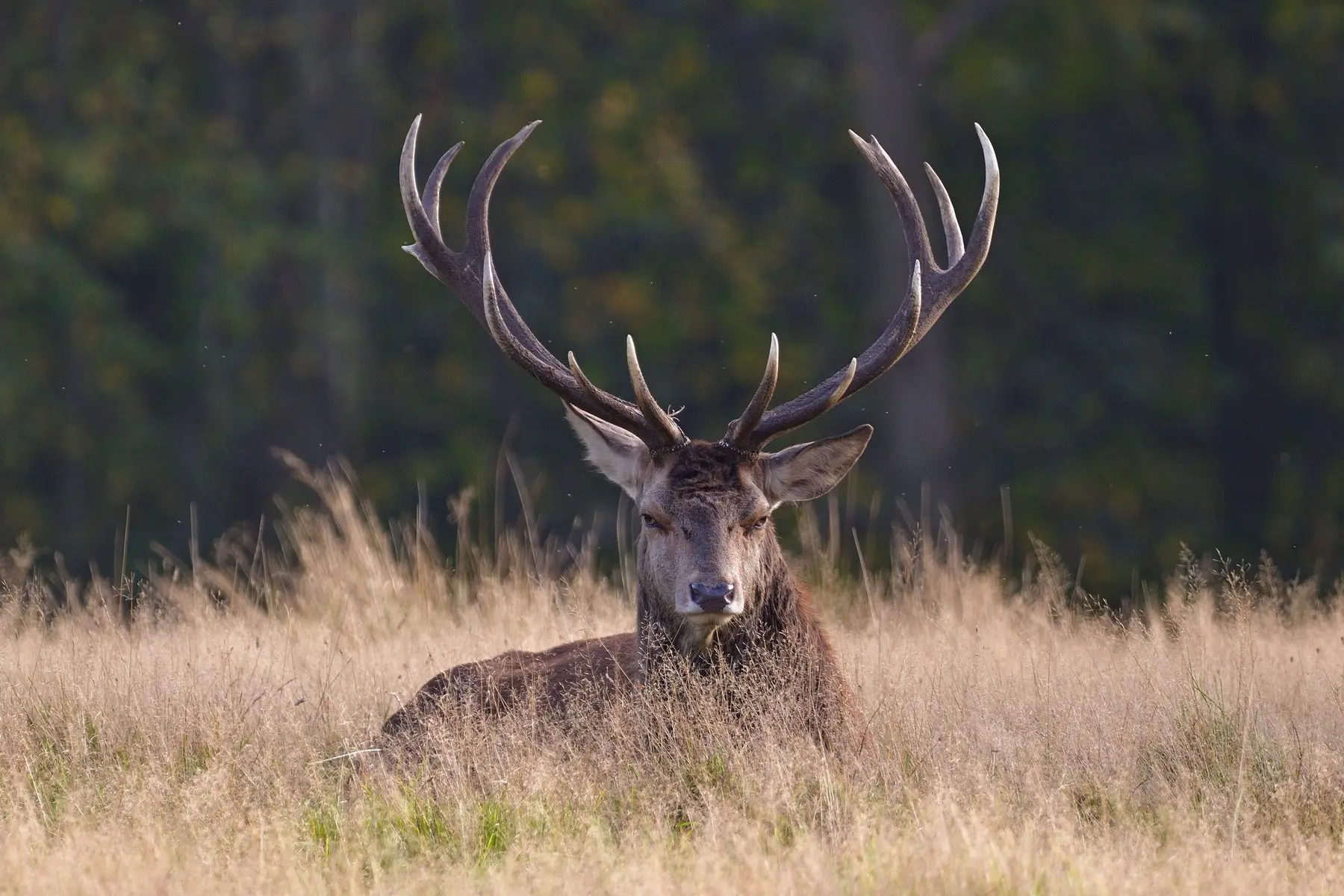
Deer bed in yards because suburbs have food, cover and almost no predators. Repeated bedding means they've decided your garden is low risk.
 By
We may earn a commission when you buy through links on this page, at no extra cost to you.
On this page
Because it scored well on the three things a deer weighs when choosing where to lie down: food within reach, cover to break line of sight, and no predators. Suburban gardens often beat surrounding woodland on all three — and the deer is not wrong.
What the deer is weighing
| Suburban garden | Woodland | |
|---|---|---|
| Food | More, and more nutritious | Variable |
| Cover | Hedges, shrub borders | Good |
| Predators | Usually none | Coyotes, hunting pressure |
| Disturbance | People, dogs, noise | Less |
On balance, a garden frequently wins. The deer has made a reasonable assessment.
What it means that they keep coming back
They reuse favoured bedding areas rather than exact spots, rotating between several within their home range.
- Fresh flattened ovals in the same corner repeatedly = a regular bed, not a one-off
- A group of beds close together = a doe with fawns or a small family group
The three consequences
Ticks are the one to take seriously
Adult deer ticks feed and mate on deer, then engorged females drop off and lay eggs where they land. A regular bedding area becomes a concentrated tick site the following season — including the species that carries Lyme disease.
- Keep the lawn short around the area
- Remove leaf litter
- Be careful about children and pets playing where deer bed nightly
The other two:
- Heavy browsing. They are already there, so the garden gets eaten
- Habituation. Deer that stop treating a place as risky get bolder, which matters most around dogs or small children who might startle one at close range
Stopping it
Remove the cover, since that is the variable you actually control:
- Thin or raise the canopy on dense shrub borders
- Clear tall grass in the corners they use
- Open sight lines through the area
Motion-activated sprinklers work unusually well on a bedding site
Deer particularly dislike being startled where they feel secure — which is precisely what a bed is.
Fencing works but needs to be around 8 feet to be reliable.
Is the deer alright?
Almost certainly. Healthy deer bed for much of the day and night, and being visible at rest is normal.
Signs that genuinely indicate a problem:
- Does not rise when approached closely
- Obvious injury, severe hair loss, visible ribs
- Disoriented and unafraid
A fawn lying alone and still is also normal. The doe is nearby. Leave it.
Our picks
| # | Pick | Best for | Where to buy |
|---|---|---|---|
| 1 | Motion-activated sprinkler | The deterrent deer habituate to slowest | Check price for Motion-activated sprinkler → |
| 2 | Deer netting, 7 ft, with ground pegs | What works when you want it to stop entirely | Check price for Deer netting, 7 ft, with ground pegs → |
| 3 | Trail camera | For learning the route before spending anything | Check price for Trail camera → |
The deterrent deer habituate to slowest
Motion-activated sprinkler
The one deterrent with evidence behind it rather than folklore. Move it every couple of weeks and it keeps working.
- Range
- 30–40 ft arc typical
- Power
- Battery plus hose pressure
- Season
- Must be drained before frost
What we liked
- Startles with water and noise, which deer do not acclimate to quickly
- Works on raccoons, cats and herons at the same time
Worth knowing
- Needs a hose connected all season
- Triggers on people, which is funny exactly once
What works when you want it to stop entirely
Deer netting, 7 ft, with ground pegs
If deer are bedding in the yard they are comfortable there, and comfort only ends with exclusion. Seven feet or it is decoration.
- Height
- 7 ft minimum; deer clear 6 ft easily
- Pegging
- Ground edge must be pinned
What we liked
- A physical barrier is the only thing that works every night
- Cheap relative to permanent fencing
Worth knowing
- Looks like what it is
- Loose netting is an entanglement risk to deer and birds; it must be taut and pegged
For learning the route before spending anything
Trail camera
Most people fence the wrong side. A week of camera footage usually shows one gap doing all the work.
- Use
- Find the entry point
- Placement
- Facing the gap, not the lawn
What we liked
- Deer enter the same way nightly; blocking one gap often ends it
- Saves fencing a whole boundary to solve a 6 ft problem
Worth knowing
- A week of footage before you can act on it
Common questions
Why do deer sleep in my yard?
Is it bad to have deer sleeping in your yard?
Do deer sleep in the same spot every night?
How do you stop deer bedding down in your yard?
Are deer in the yard a tick risk?
Does a deer bedding in the yard mean it is sick or injured?
Backyard Weekly
Know what to plant, week by week
Join the weekly email for seasonal jobs, fixes for what is going wrong, and gear worth buying.
Not ready to subscribe? The planting calendar is free and needs no email.
By subscribing you agree to our privacy policy. Grow In Backyard will never sell your address.
Keep reading
Why Do Deer Snort Wheeze? It Is a Buck Threatening a Rival
The snort-wheeze is an aggressive buck call, not an alarm. How to tell it from the alarm blow, when you hear each, and what the deer does next.

Do Deer Move During the Day? Yes, More Than Expected
Deer are crepuscular, not nocturnal — peak movement is dawn and dusk, but midday activity is real and rises in the rut and in cold weather.
Where Do Deer Go in the Summer? Into Cover, Not Away
Summer deer shift to dense cover and feed at dawn and dusk to avoid heat and flies. They rarely leave — you are just seeing them less.
How to Attract Deer to Your Property (Legally and Well)
Deer come for food, water, cover and quiet — in that order. What to plant, what they actually like, and why baiting is the wrong first move.