
Why Do Deer Snort? Reading the Alarm, Stomp and Blow
A snort is a deer telling every animal nearby it has seen you — and testing whether you move. What each sound means and how smart deer actually are.
 By

On this page
A snort is an alarm and a test at the same time. The deer is telling every animal in earshot that something is wrong, and it is waiting to see whether the suspicious shape in the hedge line moves.
The sounds, and what each means
| Signal | What it is | What it means |
|---|---|---|
| Single loud snort, then bounds off | Forced blast through the nostrils | Threat confirmed; it is leaving |
| Repeated snorting from cover | Same, held at a distance | Still unsure — it is testing you |
| Foot stomp | Visual, audible, and scent-marking | Suspicious, gathering information |
| Tail raised, white flag | Visual alarm to other deer | Fleeing, and signalling while it goes |
| Soft bleat or mew | Contact call | Doe and fawn communication |
| Loud bawl | Distress | Usually a separated fawn |
| Buck grunt | Low, short, repeated | Autumn rut, following a doe |
| Grunt-snort-wheeze | Sequence, drawn out | Buck challenging another buck; real aggression |
| Scream | Loud, harsh | Serious distress or injury |
Why the test works
Deer vision is built around motion detection across a very wide field — roughly 300 degrees — rather than around resolving detail. They also see blues well and reds poorly, which is why blaze orange works as hunter safety clothing without making the wearer obvious to deer.
What that means in practice: a deer often cannot tell whether the shape at the field edge is a person or a stump until it moves. The snort provokes exactly that. Most living things flinch at a sudden sharp noise, and the deer gets its answer.
Which is why standing still works
If a deer snorts at you and you freeze completely, it will frequently settle, resume feeding and move closer. Move a hand, and it is gone. Camouflage matters far less than stillness.
The stomp does something extra
The foot stomp is the signal people misread most often, because it looks like irritation.
It is doing three jobs at once:
- A visual alarm to any deer that can see it.
- An audible thump that carries surprisingly far through the ground.
- Scent deposition — the interdigital gland between the hooves leaves a chemical marker on that spot.
That third one is the interesting part. The warning persists. Another deer passing the same spot hours later encounters the scent and treats the location as suspect. A single alarmed doe can make a patch of your yard unpopular with deer for some time.
How smart are they, really?
Deer are frequently described as either stupid — because of the road behaviour — or uncannily clever, by hunters. Both are wrong in the same way: they are specialists.
What they are genuinely good at:
- Spatial memory for their home range: every trail, water source and escape route
- Remembering specific danger locations for years
- Adjusting to pressure, including shifting to nocturnal movement during hunting season
- Recognising individual people and vehicles by pattern and routine
- Threat assessment using three senses at once, with smell dominant
What they are poor at:
- Problem-solving and anything requiring manipulation
- Novel situations — headlights being the famous catastrophic example
- Distinguishing a genuinely dangerous person from a harmless one, except through repeated experience
The headlight problem
Freezing in headlights is not stupidity — it is a nocturnal eye adapted for very low light being overwhelmed, combined with a freeze response that works well against every predator except a car. The behaviour is well-tuned to the world deer evolved in and badly tuned to a road.
Can you pet one?
No — and the cases where you can are the worrying ones.
A deer relaxed enough to be touched is habituated, ill, or was hand-reared. Habituation is the common one, and it is bad for the animal: a deer that approaches one person approaches everyone, which leads to road deaths, to being treated as a nuisance animal, and often to being destroyed.
They are also large wild animals. A startled deer’s hooves cause serious injuries, does with fawns will strike, and bucks in the autumn rut are genuinely dangerous — a rutting buck that has lost its fear of people is one of the more hazardous animals in North America.
Feeding or handling wild deer is restricted or illegal in many places, partly for this reason and partly over chronic wasting disease.
Watching them instead
If the evening snorting bothers you, the answer is not a deterrent — it is being boring:
- Use the same route at the same time, and keep to it
- Sit still rather than approaching; let them close the distance
- Keep dogs in during the hours deer use the yard
- Watch from a fixed position — a window, a bench they can see from a distance
- Do not feed them, which is the one shortcut that ruins the animal
Deer habituate to predictable, non-threatening patterns quite quickly. That is the same mechanism that makes feeding so damaging, used in the version that does no harm.
Common questions
Why do deer snort?
What does it mean when a deer stomps its foot?
How smart are deer?
Can you pet a deer?
What other sounds do deer make?
How do I stop deer alarming in my yard every evening?
Backyard Weekly
Know what to plant, week by week
Join the weekly email for seasonal jobs, fixes for what is going wrong, and gear worth buying.
Not ready to subscribe? The planting calendar is free and needs no email.
By subscribing you agree to our privacy policy. Grow In Backyard will never sell your address.
Keep reading
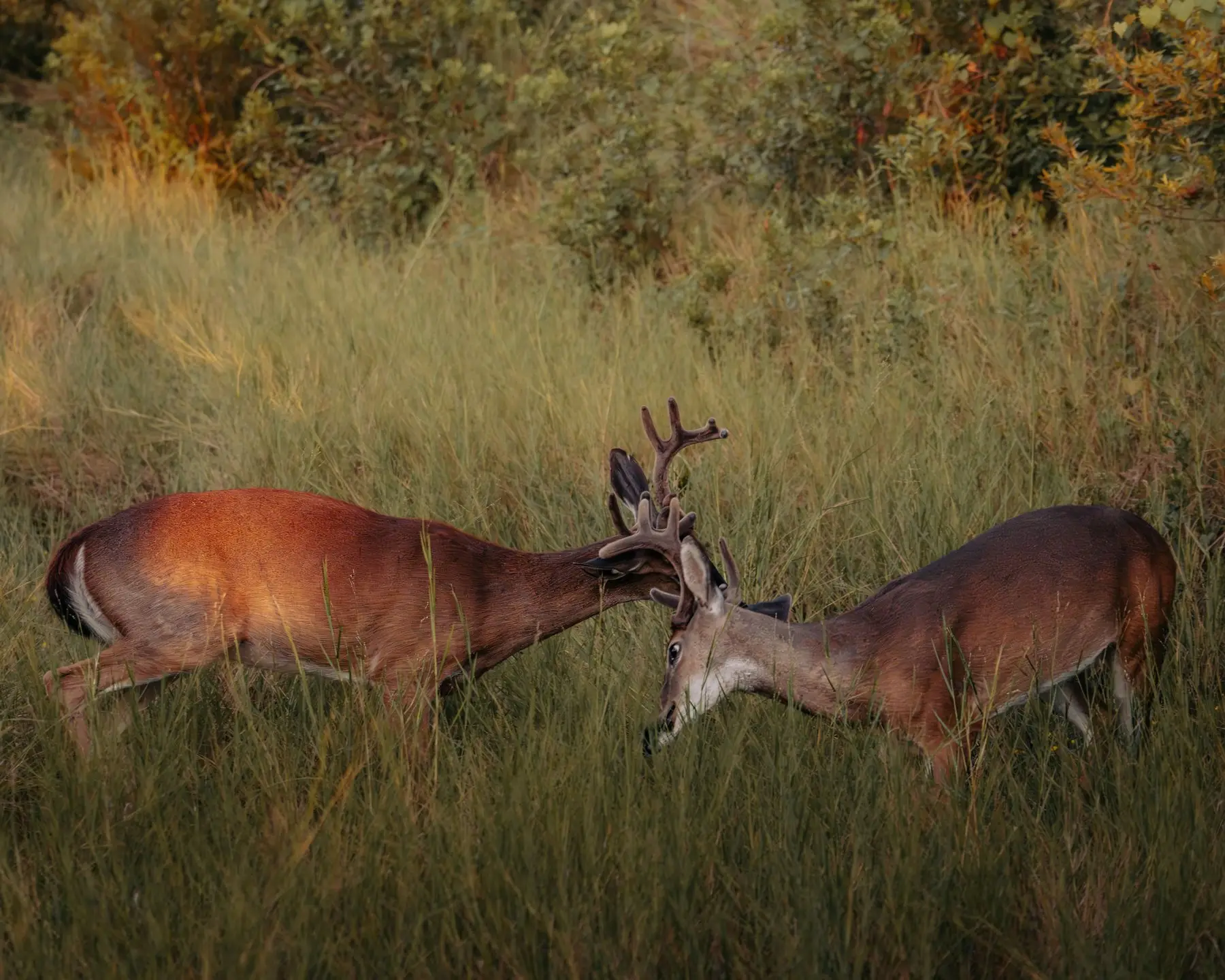
Why Do Deer Snort Wheeze? It Is a Buck Threatening a Rival
The snort-wheeze is an aggressive buck call, not an alarm. How to tell it from the alarm blow, when you hear each, and what the deer does next.
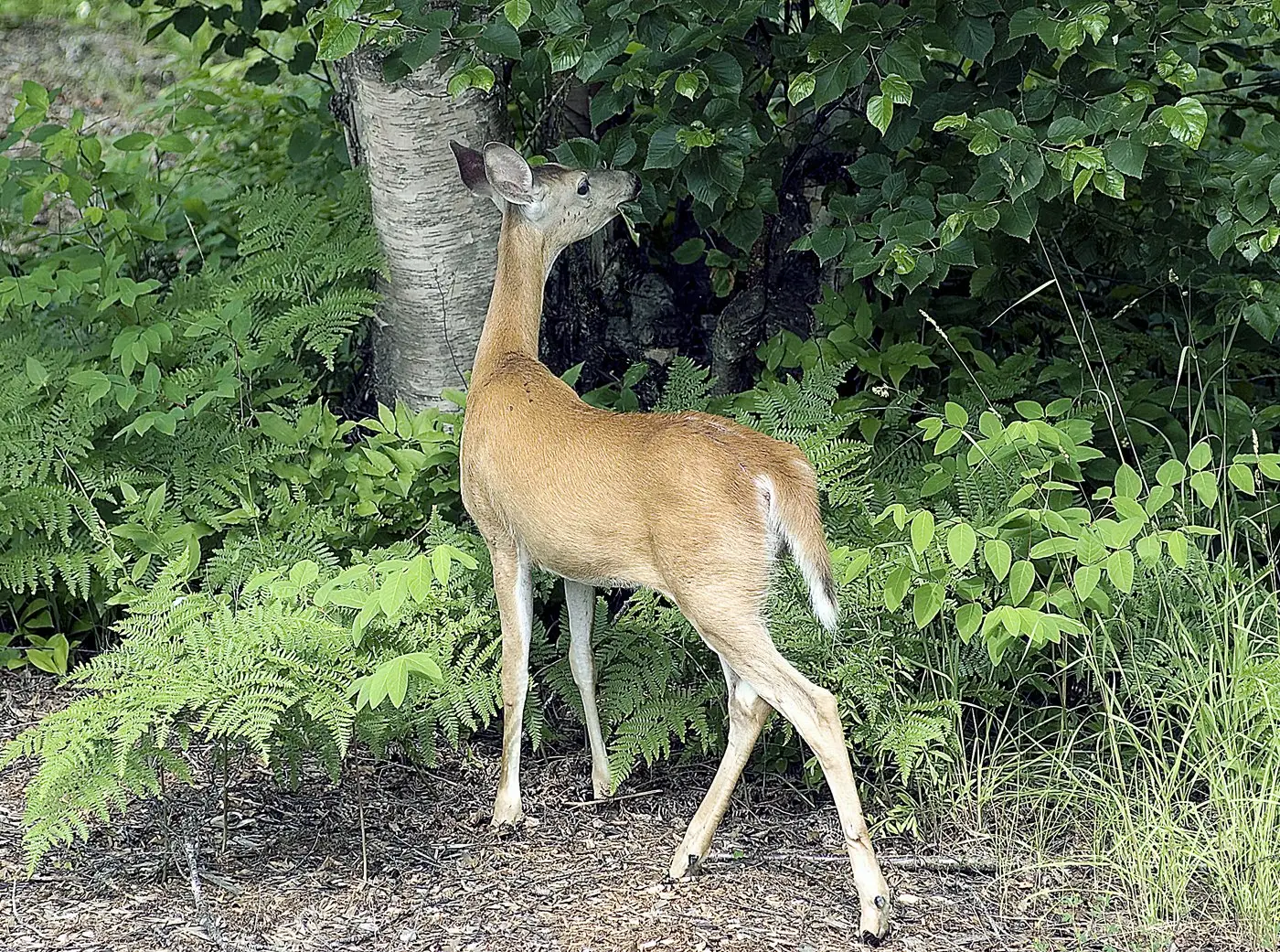
What Do Deer Eat? Garden Plants and What Not to Feed Them
Deer will eat far more of a garden than most plant lists admit, and a few backyard treats are genuinely dangerous. What is safe to feed, and what to skip.
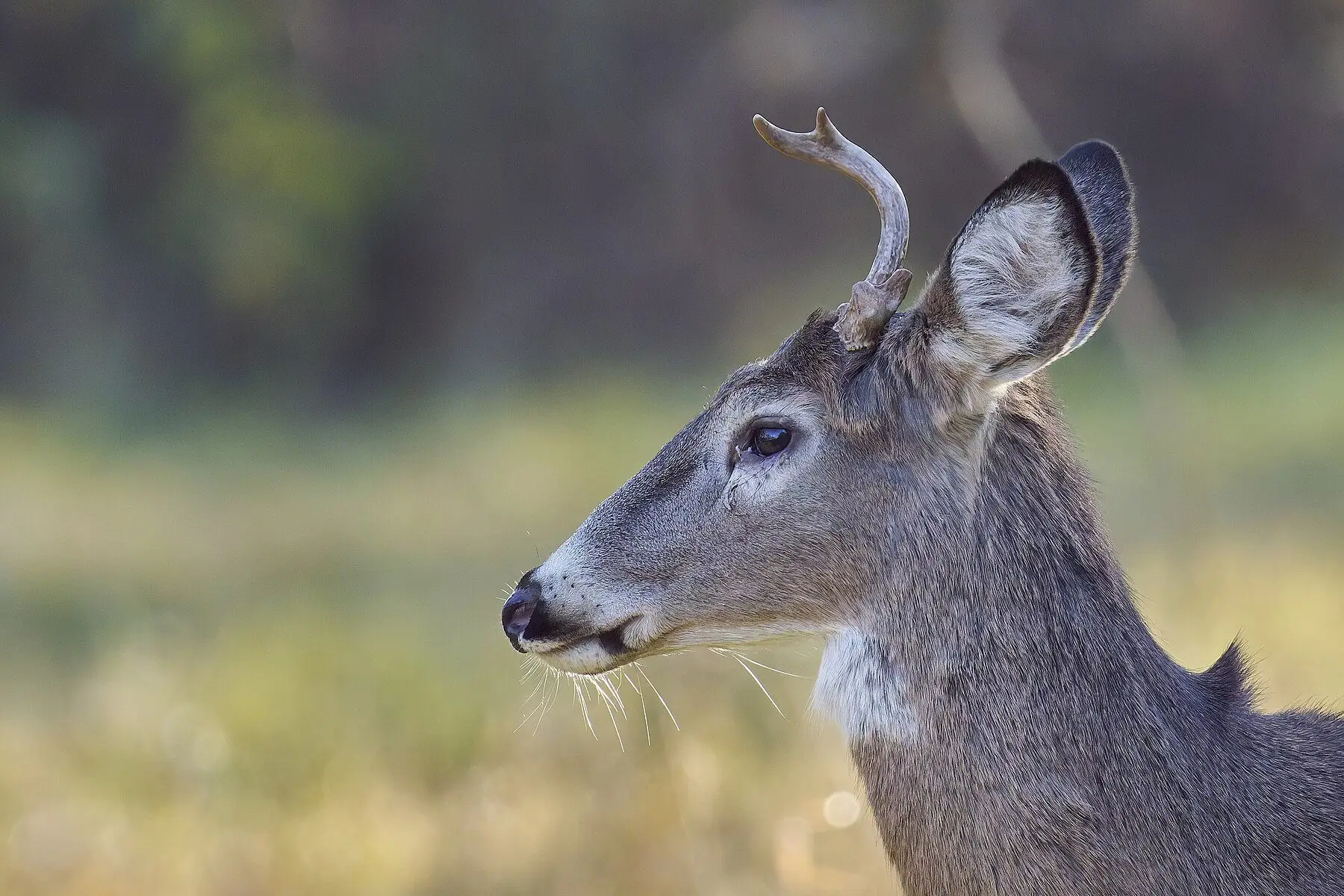
Do Deer Attack Humans? Rarely, But Not Never
Deer injure more people than most wild animals in North America — almost all of it in autumn rut or from a doe with a fawn. What provokes it and what to do.
How to Attract Deer to Your Property (Legally and Well)
Deer come for food, water, cover and quiet — in that order. What to plant, what they actually like, and why baiting is the wrong first move.