
Deer Poop in the Yard: Identifying It, and What It Means
Deer droppings are pellet clusters, not scattered singles. How to tell them from rabbit and goat, what they say about your yard, and the real health risk.
 By

On this page
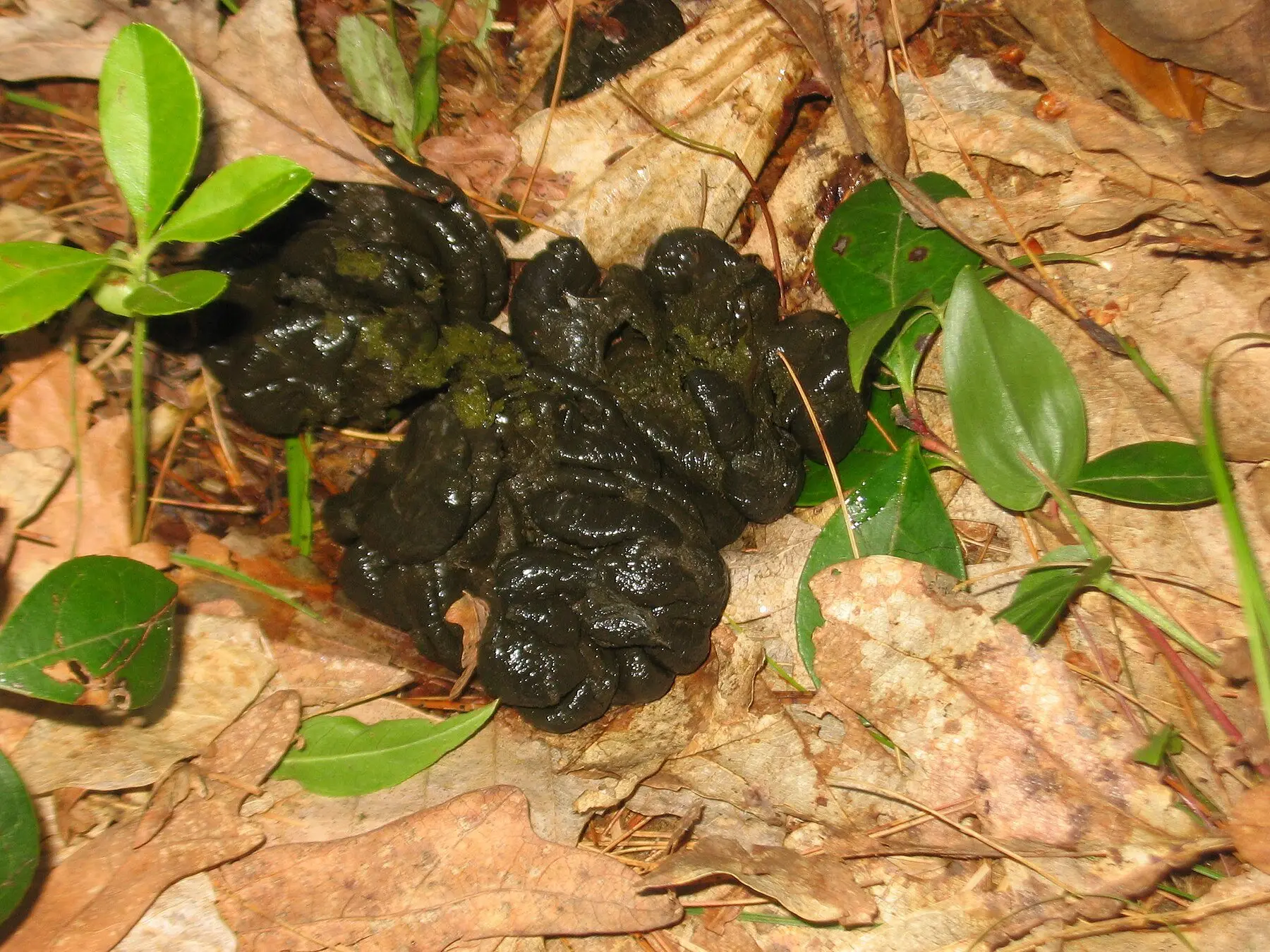
Dark oval pellets in clusters of several dozen, roughly half an inch long — not scattered singles. The useful information is not the poop itself but what it says about whether deer have settled in.
Telling it apart
| Shape | Size | Colour | Pattern | |
|---|---|---|---|---|
| Deer | Oval / acorn, one end pointed | ~½ in | Dark brown to black | Clusters of dozens |
| Rabbit | Round | ~¼ in | Light brown | Scattered, often fewer |
| Goat | Oval | ~½ in | Dark | Clusters — genuinely similar |
| Sheep | Oval, often clumped | ~½ in | Dark | Clusters |
Goat is the honest difficulty. The pellets are close enough that the surroundings decide it, not the dropping — whether there is a goat within a mile usually settles the question faster than measuring anything.
The same deer leaves two different-looking deposits
On dry autumn and winter browse you get the classic separate pellets.
On lush spring forage the pellets fuse into a soft clump that looks nothing like them — more like a miniature cow pat. People regularly conclude they have two different animals. They have one animal and two diets.
The health question, proportionately
The risk is low but not zero, and worth handling without alarm.
- E. coli, salmonella, giardia, cryptosporidium can all be present
- There are documented produce outbreaks traced to deer faeces in growing areas
- Ticks arrive with the deer, not with the droppings — that is a separate and arguably larger concern
The precautions are ordinary, and worth actually taking
- Gloves. Do not handle it bare-handed
- Keep it away from vegetable beds and anywhere children play
- Wash produce grown where deer browse
- It is not aged manure. Do not spread it on beds raw, and do not add it to a vegetable compost heap unless that heap genuinely runs hot
On chronic wasting disease: it is a prion disease of deer, there is no confirmed human case, and health agencies advise against eating meat from infected animals as a precaution. Prions can be shed in faeces and persist in soil, which matters for deer-to-deer spread across an area — not for someone clearing pellets off a lawn.
Clearing it
- Shovel into a bag and bin it, wearing gloves
- On a large lawn, mowing breaks the pellets down and they weather away within weeks
- Not into the vegetable compost unless the heap is genuinely hot
What it actually tells you
This is the part worth more than the identification.
| What you see | What it means |
|---|---|
| One scattered pile, no other sign | A deer crossed the yard |
| Repeated clusters in the same spot | Bedding or feeding — a routine |
| Flattened oval patches in long grass | Beds. They are sleeping there |
| Browsed shoots at 3–5 ft, ragged torn ends | Feeding regularly; deer have no upper incisors |
A routine is the thing worth acting on, not the droppings
Deer passing through leave sign and move on. Deer that have settled into a browsing routine are far harder to shift, because the behaviour is now learned and seasonal.
That is the point at which repellents stop being worth the money and fencing stops being optional. Finding pellets once tells you little. Finding them in the same place three weeks running tells you a great deal.
Common questions
What does deer poop look like?
How do I tell deer droppings from rabbit droppings?
Is deer poop dangerous to humans or pets?
Should I worry about chronic wasting disease?
How do you clean up deer poop?
What does finding deer poop tell me about my yard?
Backyard Weekly
Know what to plant, week by week
Join the weekly email for seasonal jobs, fixes for what is going wrong, and gear worth buying.
Not ready to subscribe? The planting calendar is free and needs no email.
By subscribing you agree to our privacy policy. Grow In Backyard will never sell your address.
Keep reading
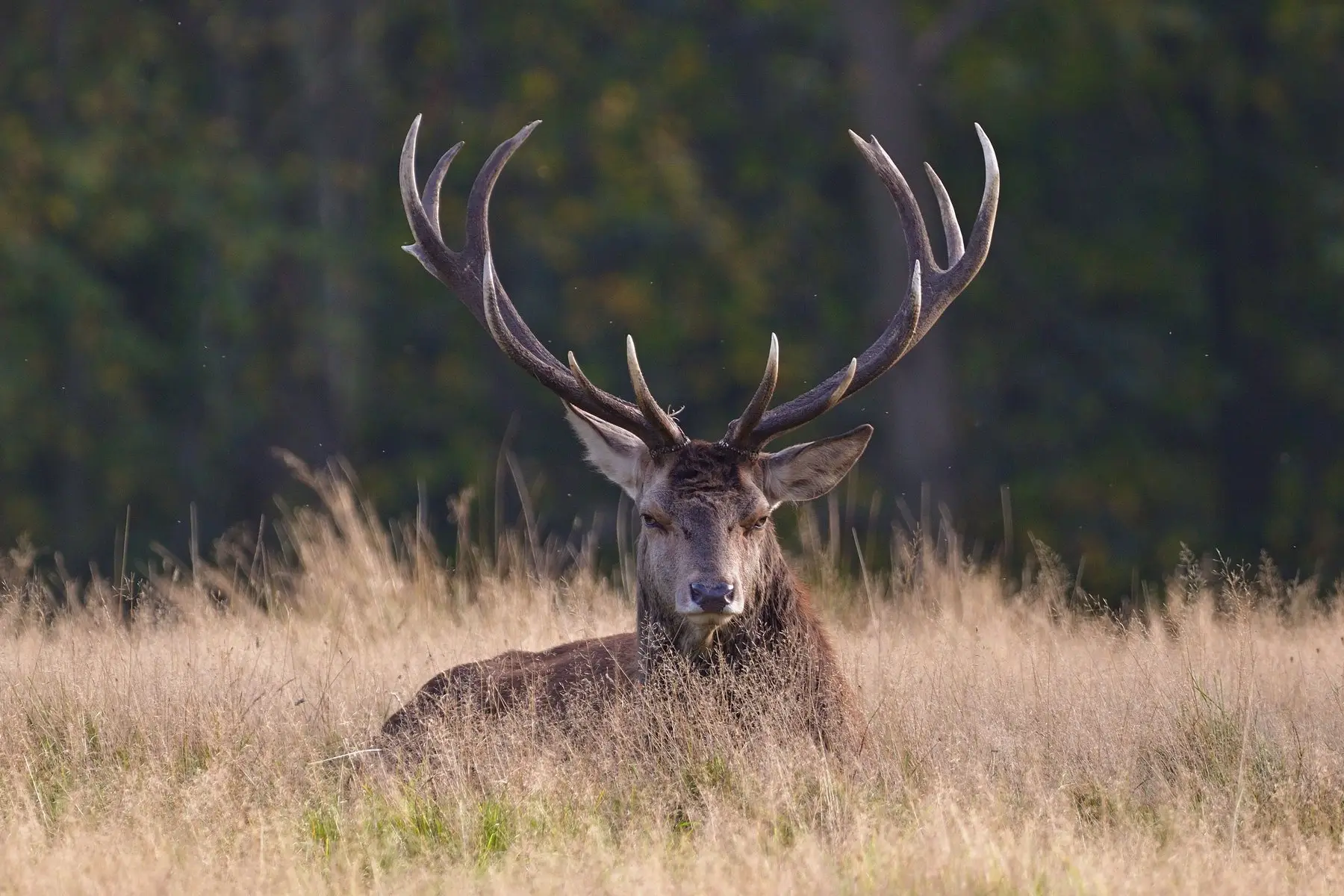
Why Do Deer Sleep in My Yard? It Feels Safer Than Woods
Deer bed in yards because suburbs have food, cover and almost no predators. Repeated bedding means they've decided your garden is low risk.
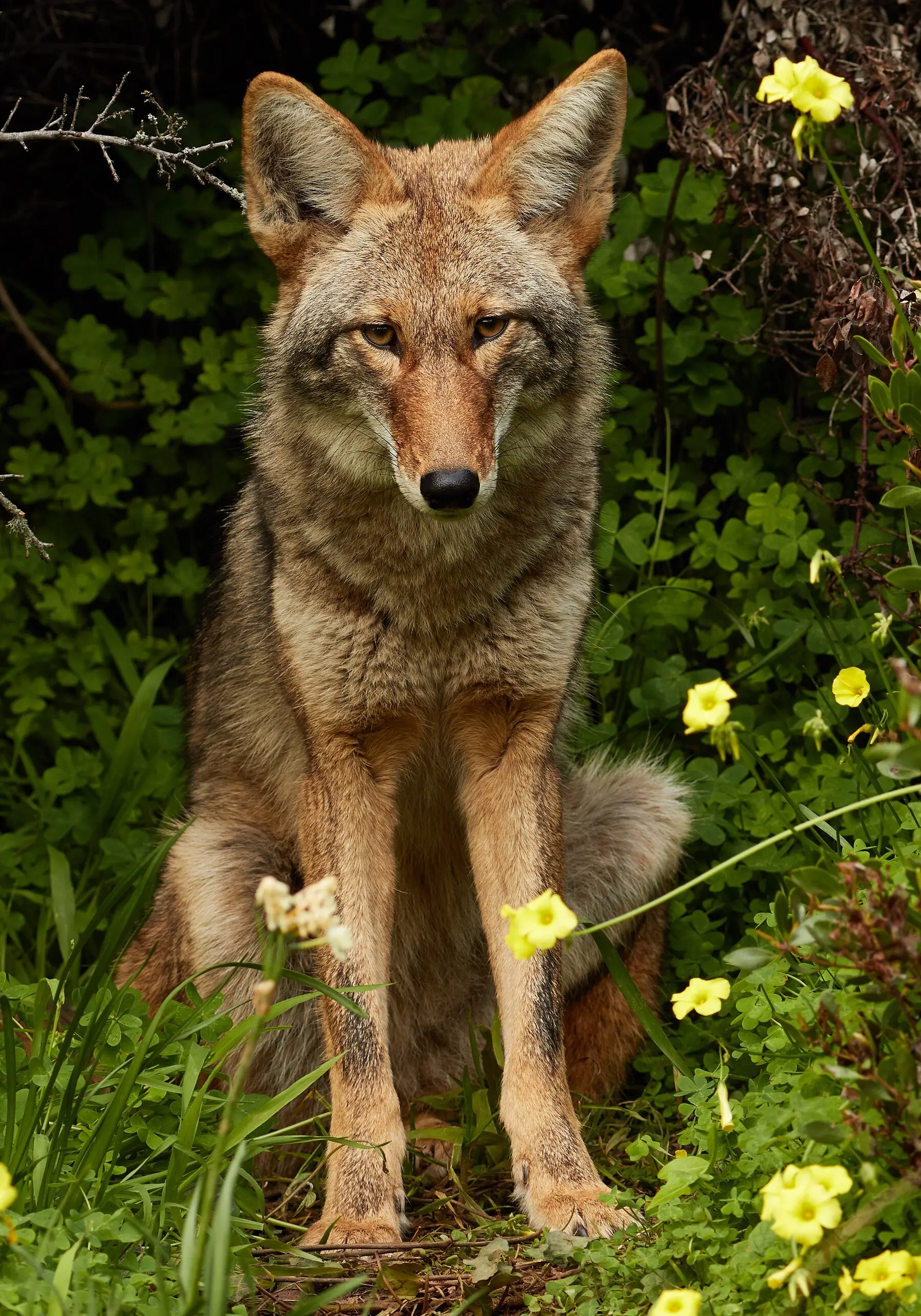
Coyote Poop vs Dog Poop: How to Tell Them Apart
Coyote scat is tapered, full of hair and bone, and left in the open on purpose. Dog stool is smooth and uniform. What each one tells you about your yard.
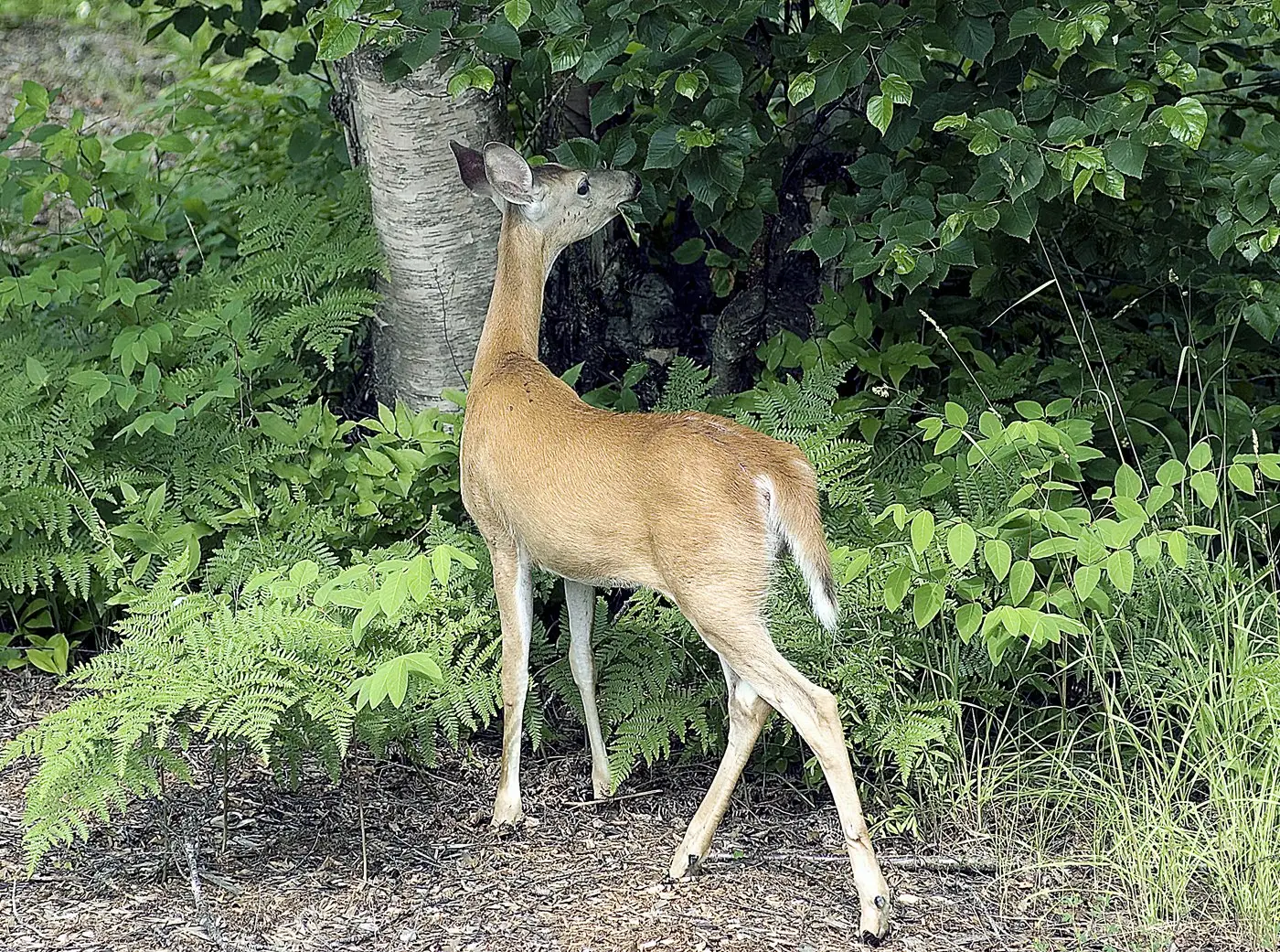
How to Attract Deer to Your Property (Legally and Well)
Deer come for food, water, cover and quiet — in that order. What to plant, what they actually like, and why baiting is the wrong first move.
Do Chipmunks Have Tails? Yes — and It Tells You a Lot
Chipmunks have flat, thin, dark-edged tails they carry upright when running. How the tail differs from a squirrel's, and what it does for the animal.