
What to Feed Newborn Squirrels: The Honest Answer
A cold newborn squirrel cannot digest anything, and the wrong formula kills. What to do in the first hour, and why a rehabilitator is the real answer.
 By
On this page
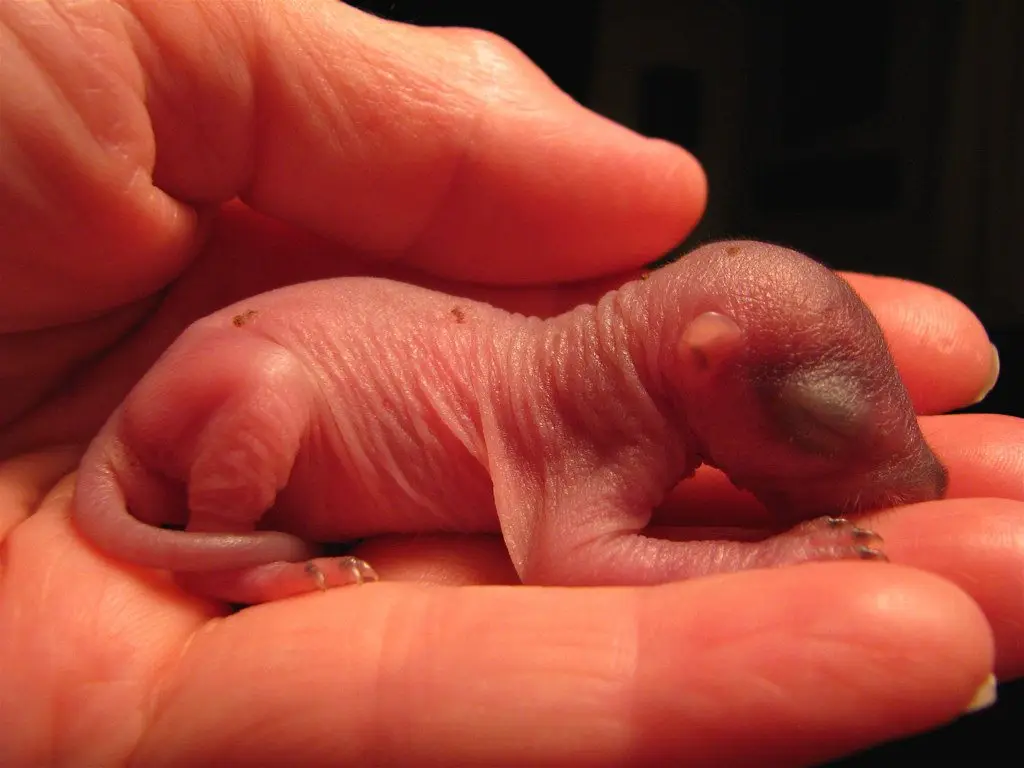
The honest answer is nothing, yet. A cold newborn squirrel cannot digest food, and feeding one before it is warm is the most common way a rescue kills the animal it was trying to save.
The first hour
Warm before anything else
A cold baby squirrel cannot digest. Food given to one that is not yet at body temperature sits in the gut, ferments, and kills the animal.
This is the single most important thing on this page, and it is the step nearly every improvised rescue skips.
- Contain it. A small box, lined with a soft cloth — not looped towelling, which catches claws. A fleece or an old t-shirt
- Warm it gently. A bottle of warm water wrapped in cloth, a rice sock warmed briefly, or a heat pad on low under one half of the box, so the kit can move away from it
- Never direct heat on skin, and warm slowly over an hour or so
- Dark, quiet, away from pets, children and noise. Handling is stress, and stress kills
- Call a licensed wildlife rehabilitator. Now, while it warms
- No food. No water. No milk.
Then: try to reunite
A mother squirrel is a far better carer than anyone reading this, and reuniting is almost always the right outcome.
- Warm the kit first — she will not collect a cold one
- Shallow open box at the base of the nest tree, in sight of where it fell
- If the nest tree came down, fix the box to the trunk a few feet up, or to a neighbouring tree
- Go inside. Keep cats and dogs in. Keep children away. She will not approach with people standing there
- Watch from a window for two hours
- Handling does not cause rejection. That is a myth, and it costs kits their mothers every spring
Do not feed these
| Given | Result |
|---|---|
| Cow’s or goat’s milk | Fatal diarrhoea, dehydration |
| Human infant formula | Same |
| Almond, oat, soy milk | Same |
| Water from a dropper | Aspiration pneumonia — into the lungs |
| Kitten milk replacer | Wrong composition; commonly causes scours |
| Anything, to a cold kit | Undigested, then fatal |
| Nuts, seeds, fruit | A newborn cannot eat solids at all |
The only appropriate milk replacer is a specific puppy milk replacer formula, at a dilution a rehabilitator specifies for the animal’s age and weight — and even then it is a stopgap until the kit is in proper care.
If help is genuinely hours away
Once the kit is warm, and only then, a rehabilitator may direct you to give an oral electrolyte solution — unflavoured Pedialyte or equivalent — warmed to body temperature, in very small amounts, from a 1 ml syringe.
Drop by drop, onto the lips, never squirted into the mouth, with the kit held upright. Milk in the lungs is a death sentence and it happens in seconds.
Get that instruction from the rehabilitator, not from this page.
When it is definitely a rehabilitator job
- Injured or bleeding
- Caught by a cat or dog — always, whether or not there is a visible wound. Cat saliva bacteria kill a small mammal within a day or two
- Cold, limp or unresponsive
- Fly eggs — small white grains on the fur, usually in the ears, nose or groin. Urgent
- No mother after two hours of quiet watching
- Obviously newborn — hairless, eyes closed
Finding one: search for a licensed wildlife rehabilitator in your state, or call a vet, an animal shelter, a humane society or your state wildlife agency for a referral. Most will take a call out of hours for a wildlife emergency.
How old is it
| Age | Appearance | Independent? |
|---|---|---|
| Newborn | Hairless, pink, eyes closed, ~1 in | No — urgent |
| 1–2 weeks | Fine fur, eyes closed | No |
| 3–4 weeks | Furred, ears open, eyes opening | No |
| 5 weeks | Fully furred, climbing | No |
| 6–7 weeks | Out of the nest, exploring | Nearly — watch first |
| 10–12 weeks | Weaned | Yes — leave it alone |
A furred squirrel with open eyes, alert and moving, is probably fine. That is a fledgling stage, and the mother is closer than you think.
Why not to raise it yourself
Beyond being illegal in most US states without a permit:
- Hand-raised squirrels have no fear of dogs, cats, cars or people, and released later they usually die quickly
- Formula, dilution and weaning are exacting. Small errors cause metabolic bone disease — a squirrel with a fractured spine from calcium deficiency
- They need to be raised in groups to develop normally
- Release takes a staged process rehabilitators are set up for and households are not
The kindest thing available in the first hour is warmth, dark, quiet and a phone call. Everything else works against the animal.
Common questions
What should I feed a newborn squirrel?
Can baby squirrels drink cow's milk?
How do I warm a baby squirrel?
Should I try to reunite a baby squirrel with its mother?
When does a baby squirrel need a rehabilitator rather than reuniting?
Is it legal to raise a baby squirrel yourself?
Backyard Weekly
Know what to plant, week by week
Join the weekly email for seasonal jobs, fixes for what is going wrong, and gear worth buying.
Not ready to subscribe? The planting calendar is free and needs no email.
By subscribing you agree to our privacy policy. Grow In Backyard will never sell your address.
Keep reading
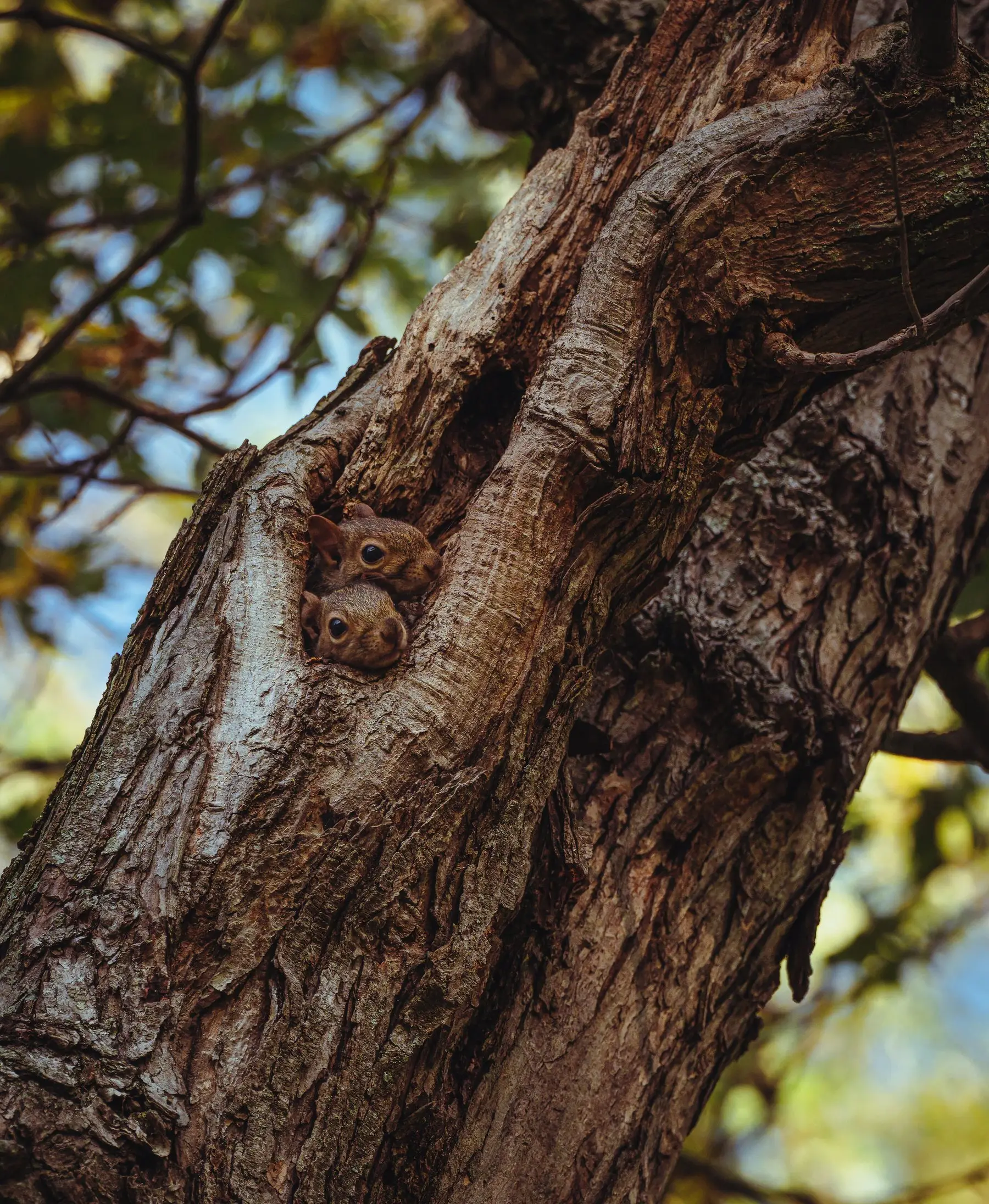
When Do Baby Squirrels Leave the Nest? Week by Week
Kits first come out at six or seven weeks and are independent by three months. The timeline, and how to tell an orphan from one that is fine.
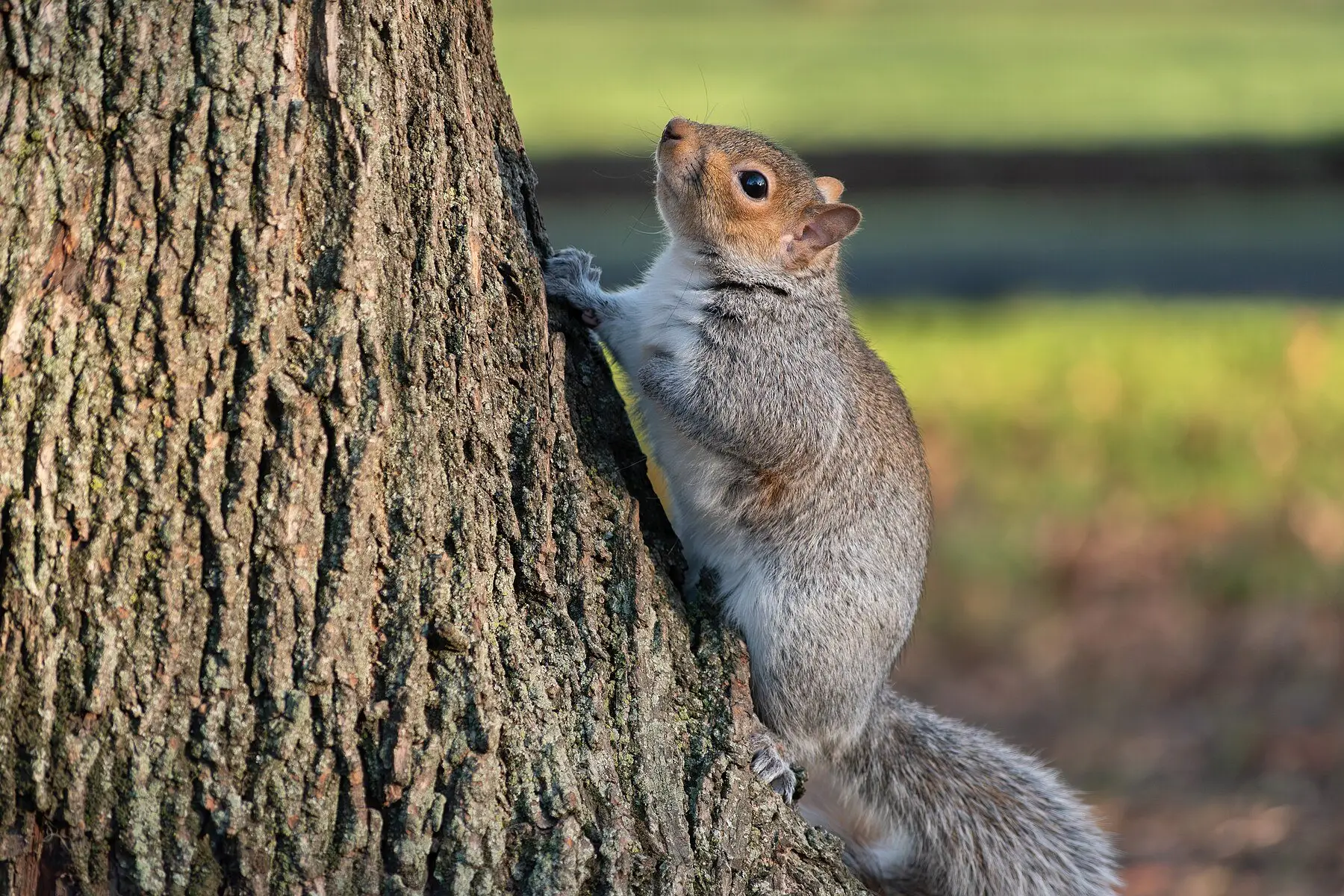
When Do Squirrels Mate? The Two Seasons and the Chases
Grey squirrels breed twice a year, in midwinter and midsummer. What the frantic spiral chases mean, and why babies appear in your attic in February.
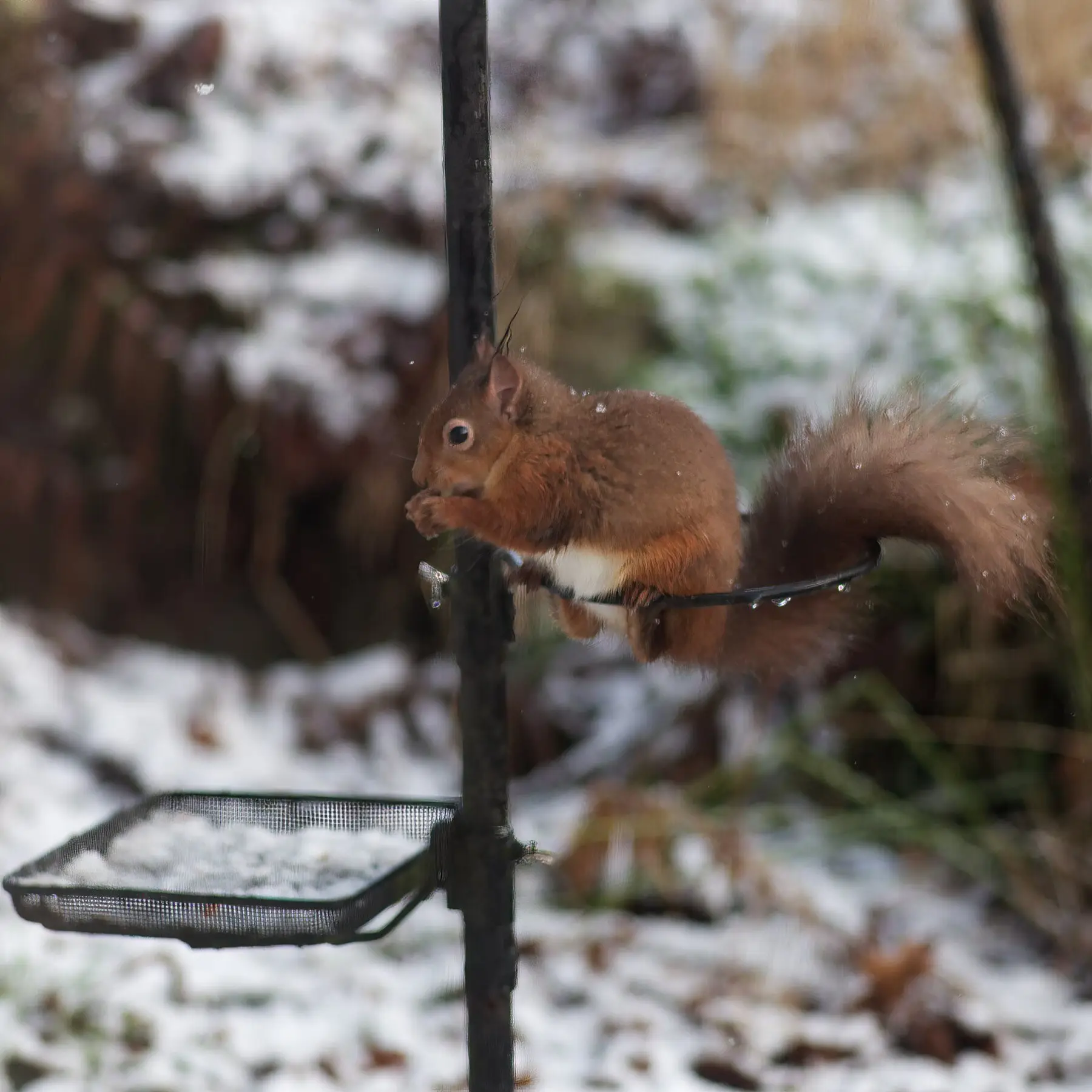
What Not to Feed Squirrels (And Whether to Feed Them at All)
Peanuts, bread, chocolate and salted nuts all cause real harm. The safe list, why corn is worse than it looks, and the case against feeding squirrels.
What to Feed Wild Squirrels: Nuts in Shell, Not Peanuts
Hazelnuts, walnuts and acorns in the shell suit them. Peanuts are legumes, nutritionally poor and risk aflatoxin, and bread does real harm.