
What to Feed Wild Squirrels: Nuts in Shell, Not Peanuts
Hazelnuts, walnuts and acorns in the shell suit them. Peanuts are legumes, nutritionally poor and risk aflatoxin, and bread does real harm.
 By
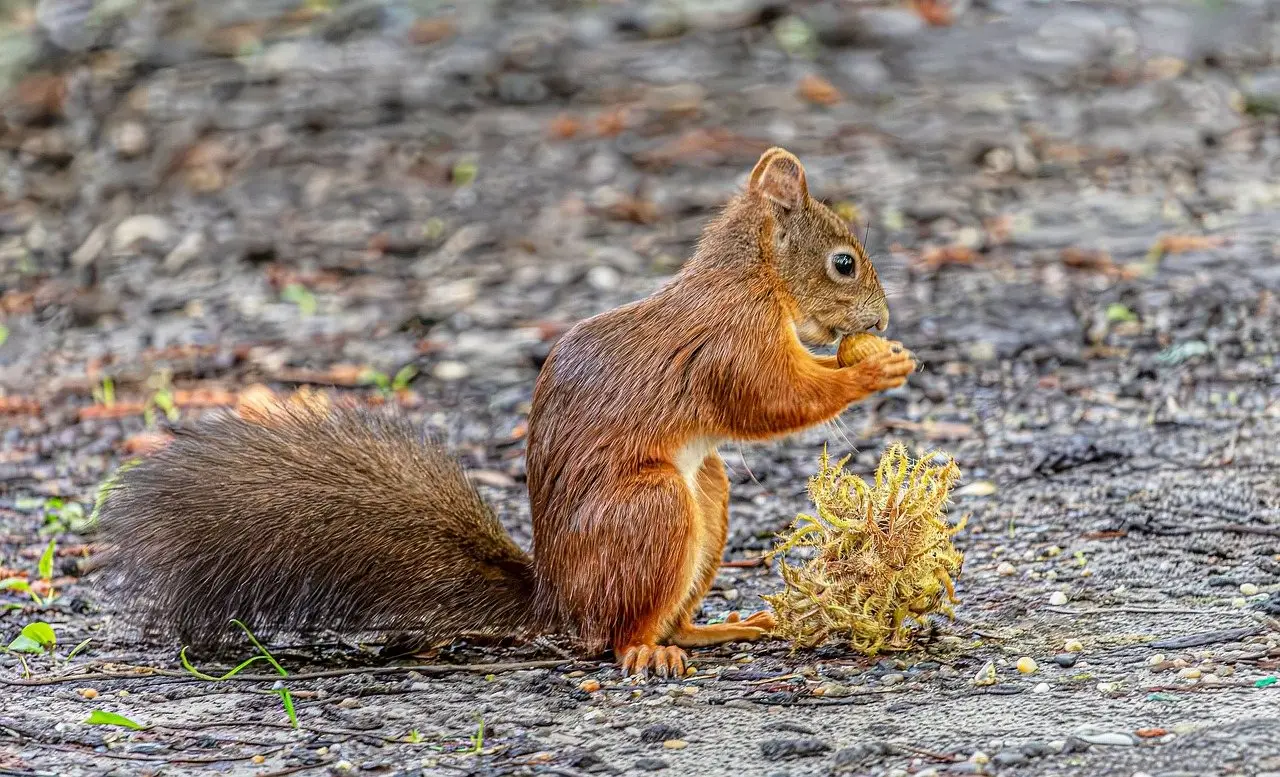
On this page
Nuts in the shell — hazelnuts, walnuts, pecans, acorns. Peanuts are legumes, low in calcium, high in phosphorus, and raw ones risk aflatoxin. Bread does real harm. And offer little and infrequently, not a daily pile.
What to offer
| Food | Verdict |
|---|---|
| Hazelnuts, walnuts, pecans, almonds, acorns — in shell | Best |
| Apple, carrot, courgette, leafy greens | Fine, small amounts |
| Hard-boiled egg, occasionally | Fine — they eat animal protein naturally |
| Sunflower seeds | Acceptable, not a staple |
| Roasted unsalted peanuts | Sparingly only |
| Raw peanuts | Avoid — aflatoxin |
| Bread, baked goods | No |
| Chocolate | Toxic |
| Dairy | No — lactose intolerant |
| Anything salted, sugared or processed | No |
Why peanuts specifically
They are legumes, not nuts. Low in calcium, high in phosphorus — and a squirrel on a peanut-dominated diet pulls calcium out of its own skeleton to balance that ratio.
Metabolic bone disease is the result, and it is irreversible
It shows as weakness, tremors, fractures and hind-limb paralysis. It is routinely seen in rehabilitation centres in animals that were being fed generously by someone who meant well. Raw peanuts add aflatoxin — a mould toxin poisonous to small mammals — on top of that.
The case against feeding at all
Worth hearing before you start:
- They lose wariness and get bolder around houses
- They chew into roof spaces more readily once comfortable
- Concentration spreads parasites and mange between animals
- They cache less and lean on the supply — which is a problem the week you go away
Occasional small offerings do little harm. A daily feeding station changes their behaviour, and that usually ends badly for the squirrel.
What they actually eat
The nut-hoarding image is accurate for autumn and badly incomplete for the rest of the year. The real diet: tree buds, flowers, shoots, bark, fungi, berries, seeds — and a meaningful amount of animal protein: insects, birds’ eggs and nestlings, carrion.
Which is why a single-food feeder is worse than it looks
A pile of one thing, every day, is nutritionally narrower than anything a squirrel would assemble for itself. Variety and infrequency are both the point.
Common questions
What should you feed wild squirrels?
Are peanuts bad for squirrels?
What should you never feed squirrels?
Should you feed wild squirrels at all?
Do squirrels need water put out?
What do squirrels eat naturally?
Backyard Weekly
Know what to plant, week by week
Join the weekly email for seasonal jobs, fixes for what is going wrong, and gear worth buying.
Not ready to subscribe? The planting calendar is free and needs no email.
By subscribing you agree to our privacy policy. Grow In Backyard will never sell your address.
Keep reading
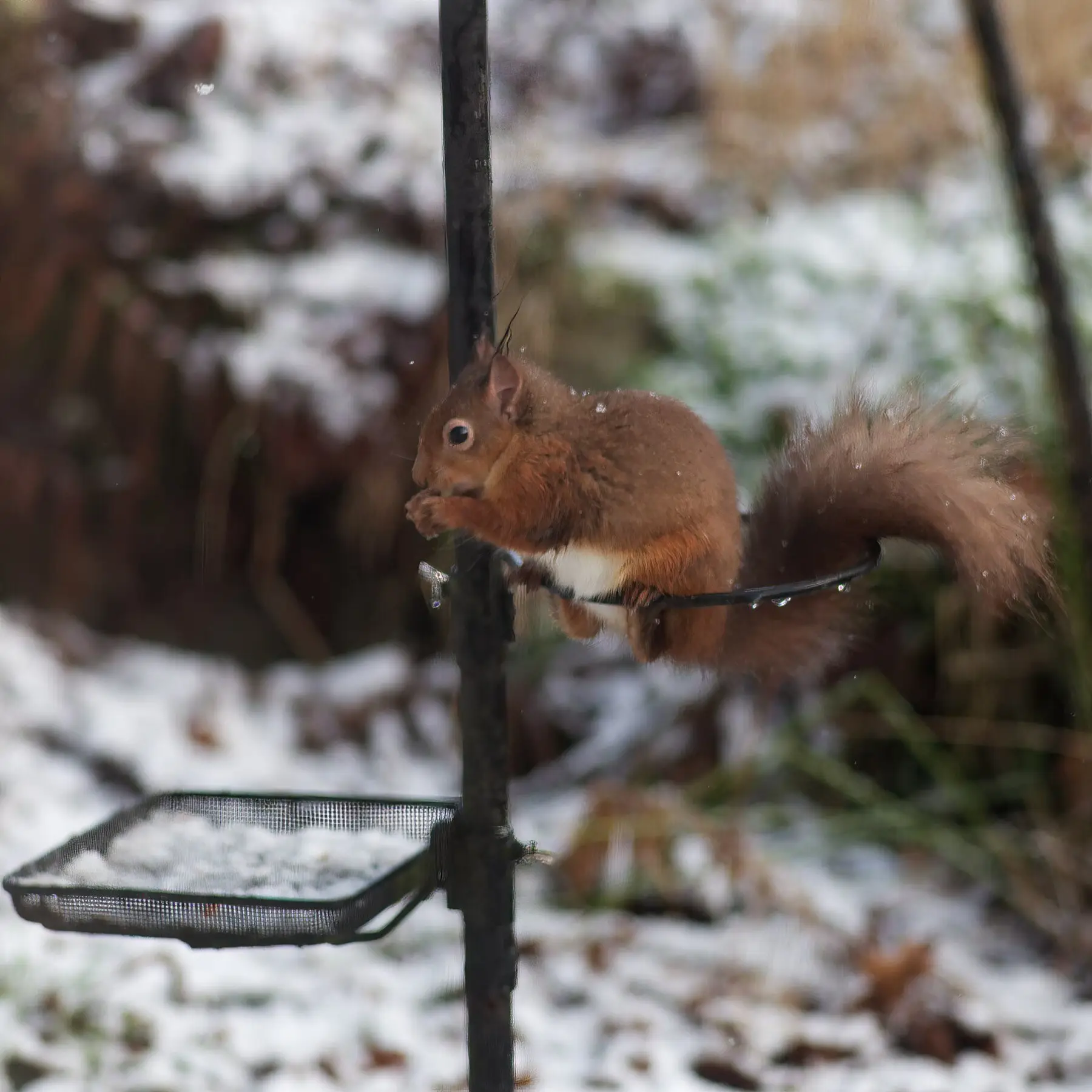
What Not to Feed Squirrels (And Whether to Feed Them at All)
Peanuts, bread, chocolate and salted nuts all cause real harm. The safe list, why corn is worse than it looks, and the case against feeding squirrels.
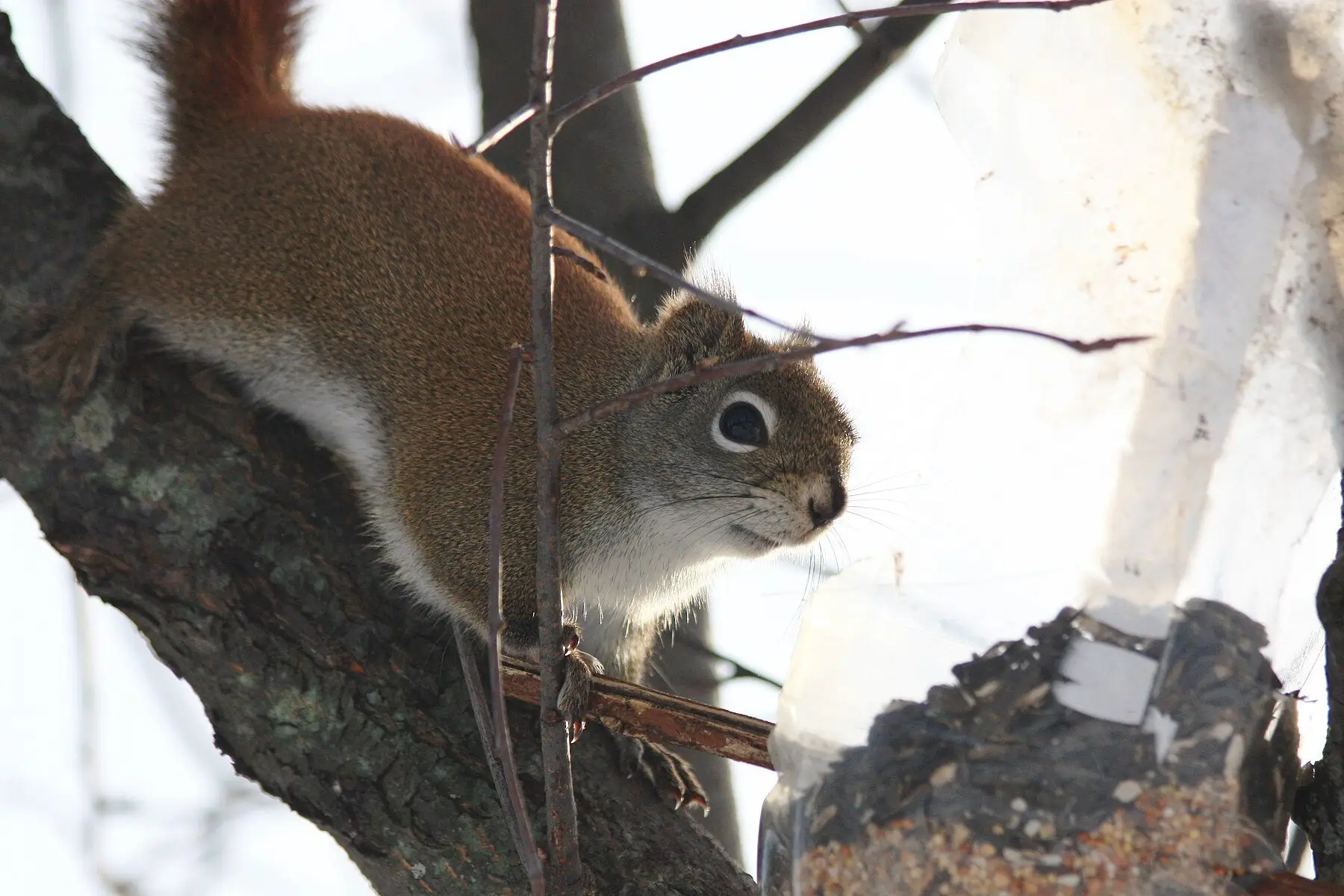
Do Squirrels Eat Sunflower Seeds? Yes — Rather Too Well
Sunflower seed is a squirrel's favourite feeder food, and black oil is the worst offender. What to feed instead, and the one barrier that reliably works.
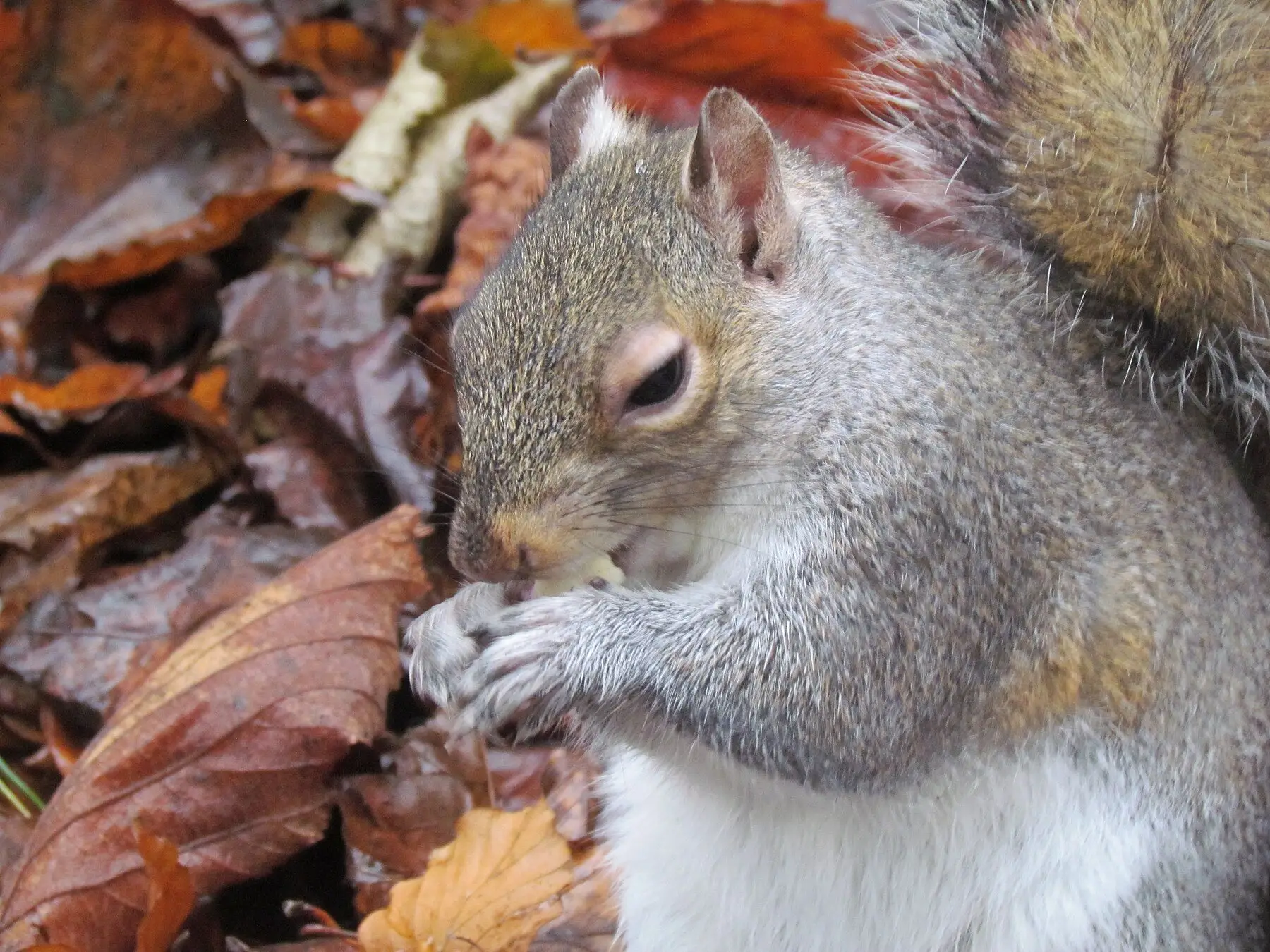
Can Squirrels Eat Cashews? Yes, But They Are a Poor Choice
Cashews are not toxic to squirrels, but the calcium-to-phosphorus ratio is wrong and rehabbers treat them as junk food. What to feed instead.
What Is Digging Holes in My Yard? Identify It by the Hole
Armadillos, skunks, groundhogs, voles and squirrels all dig differently. Hole size, shape, soil spray and timing identify the animal before you set anything.