
Do Deer Like Turnips? Yes — After the First Hard Frost
Deer largely ignore turnips until frost turns the starch to sugar. When to plant for that timing, and why the tops get eaten long before the bulbs.
 By
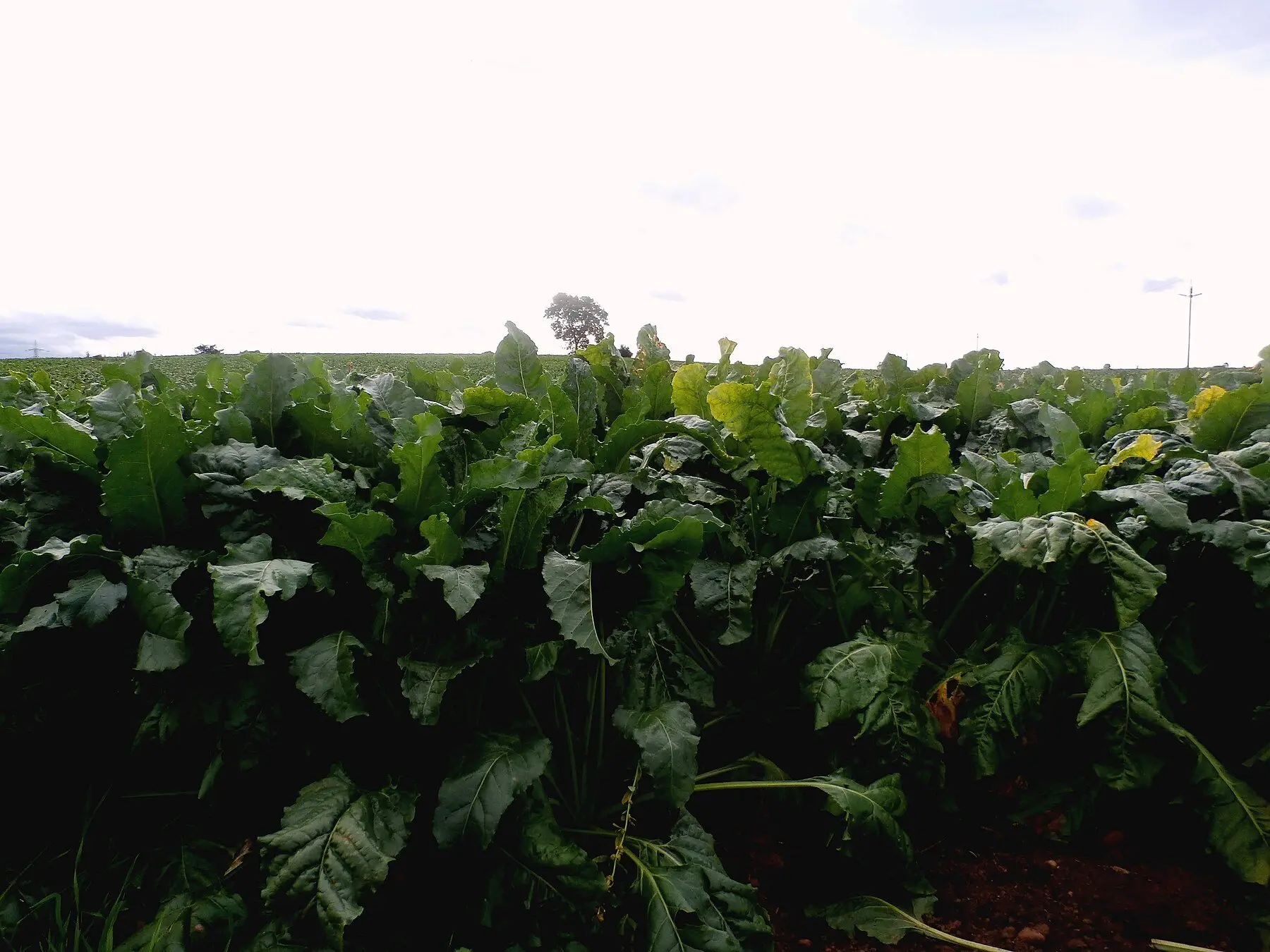

On this page
Yes — but usually not until after the first hard frost. Before that, deer often walk straight past a turnip plot, which is why so many people conclude the planting failed a month before it works.
Why the frost matters so much
Brassicas — turnips, rape, kale, radish — defend themselves with glucosinolates, which taste bitter. A deer with better options available takes the better options.
Cold changes the arithmetic. As temperatures drop the plant converts stored starch into sugars, both as antifreeze and as reserve. The bitterness falls, the sweetness rises, and the plot becomes one of the most attractive things in the landscape at precisely the moment most other food has gone.
This is the single most misunderstood thing about brassica plots: a plot ignored through September and early October is behaving exactly as expected.
Timing the planting
| Region | Sow | Why |
|---|---|---|
| Northern US, Canada | Late July – mid August | 60–90 days of growth before frost |
| Midwest, mid-Atlantic | Early – late August | Same target, later frost |
| South | Late August – early September | Frost arrives late; avoid sowing into summer heat |
The target is a plant with good leaf mass and a developed bulb at the moment frost arrives.
- Too late and you get small plants with nothing stored, which frost sweetens but barely feeds anyone
- Too early and plants bolt in summer heat, or get grazed flat before a bulb forms
- Turnips need 60 to 90 days; forage radish is faster, kale slower
Growing them
- Soil pH 6.0 to 7.0. Brassicas hate acid soil and a test is worth more than any seed choice
- Fertilise for leaf — nitrogen-forward at sowing, since the tops are most of the value
- Sow shallow, about ¼ to ½ inch, into a firm seedbed. Turnip seed is small and easily buried too deep
- Do not over-seed. Heavy rates give crowded plants and poor bulbs; follow the bag, usually a few pounds per acre
- Rotate. Continuous brassicas build up club root and flea beetle pressure
Tops now, bulbs later
| Tops | Bulbs | |
|---|---|---|
| Eaten | Late autumn onward, repeatedly | Late winter, once other food is gone |
| Nutrition | 15–25% protein | Energy-dense carbohydrate |
| Availability | Immediate, regrows after grazing | Needs diggable ground |
| Why it matters | Builds condition before winter | Carries deer through the hardest weeks |
That two-stage supply is the real argument for turnips over a brassica that offers leaf alone. The plot keeps feeding after the leaves have been grazed off and snow has covered everything else.
If deer are not touching it
In order of likelihood:
- Frost has not arrived. Wait. This is nearly always the answer.
- A heavy acorn year. Mast beats brassicas every time, and a good oak year can delay a plot’s use by weeks.
- The plot is too small or too exposed. Deer want cover nearby; a small plot in the open gets used at night if at all.
- Wrong variety. Culinary turnips bred for human eating are not forage varieties — the seed sold for food plots is selected for leaf mass and bulb size.
- Soil pH. Acid soil gives weak plants that never build the sugars worth walking to.
- Too much pressure. Deer avoid ground where they have been disturbed.
Check the law before you plant
Planting food for deer counts as baiting in some jurisdictions and is restricted or prohibited during hunting seasons, with rules that vary by state, province and even county. Some areas also restrict feeding outright to limit the spread of chronic wasting disease, which concentrating deer makes worse.
Your state or provincial wildlife agency is the authority here, and the rules change.
Think twice near the garden
A food plot makes deer resident, and resident deer treat everything nearby as part of the same circuit.
- Site it well away from the vegetable garden, ornamental beds and the house
- Mind the road. Drawing deer toward a road is how a plot ends badly for everyone
- Expect more deer generally, not just on the plot
- If your actual goal is keeping deer out of a garden, a plot is the opposite of the tool you want — fencing is.
Common questions
Do deer like turnips?
When should I plant turnips for deer?
Why are deer not eating my turnips?
Do deer eat the turnip tops or the bulbs?
Are turnips good for deer nutritionally?
Will turnips attract deer to my garden too?
Backyard Weekly
Know what to plant, week by week
Join the weekly email for seasonal jobs, fixes for what is going wrong, and gear worth buying.
Not ready to subscribe? The planting calendar is free and needs no email.
By subscribing you agree to our privacy policy. Grow In Backyard will never sell your address.
Keep reading
Raccoon Proof Deer Feeder — 5 Fixes That Keep Coons Out
A raccoon proof deer feeder needs a barrier raccoons cannot climb. 5 fixes compared, including retrofits. See which suits your feeder.
What Do Deer Eat? Garden Plants and What Not to Feed Them
Deer will eat far more of a garden than most plant lists admit, and a few backyard treats are genuinely dangerous. What is safe to feed, and what to skip.
How to Attract Deer to Your Property (Legally and Well)
Deer come for food, water, cover and quiet — in that order. What to plant, what they actually like, and why baiting is the wrong first move.
Do Deer Stay in the Same Area? Home Ranges and Daily Patterns
Most does live their whole lives within about a square mile. What that means for a garden, why bucks are different, and why removing deer never works.