
How to Keep Squirrels From Eating Tomatoes
Squirrels take one bite from a tomato and leave it, because they are after water. Cages that work, the water trick, and what does not help.
 By
On this page
The single-bite pattern gives it away, and it also gives you the fix: the squirrel is not hungry, it is thirsty. A tomato in a dry August is the nearest available drink.
Reading the damage
| Sign | Culprit |
|---|---|
| One bite from many fruit, rest abandoned | Squirrel |
| Fruit knocked down or carried a short way | Squirrel |
| Shallow pecks, same fruit revisited | Birds |
| Irregular holes low down, slime trails | Slugs |
| Rough cavity, most of the fruit eaten, at night | Rats |
| Small fruit gone entirely | Chipmunks |
| Neat clean cut, whole fruit removed | Deer |
Put water out
It sounds too easy, and it works better than most of what is sold for this. A shallow dish, kept filled, at the edge of the garden away from the beds.
The squirrels get what they were taking the tomatoes for. It is free, it takes a minute, and it is the only thing on this page that addresses the motive rather than the behaviour.
It will not protect an unfenced bed by itself. It makes everything else work better.
Exclusion, which is the real answer
A squirrel climbs, jumps, chews and remembers. Anything that is not a physical barrier is a delay.
A cage:
- Half-inch or one-inch hardware cloth, not chicken wire and not plastic netting
- Closed at the top. An open-topped cage is a doorway
- Framed on stakes, timber or hoops, sitting clear of the foliage
- Pinned or buried at the bottom, so nothing goes under
- A hinged side or removable panel, or harvesting becomes a daily fight
Individual fruit:
- Organza drawstring bags — the kind sold for wedding favours. Cheap, breathable, reusable
- Slip one over each truss as it starts to colour
- Fiddly across a whole bed; excellent on a few prize plants
Do not use bird netting
Squirrels chew through it, and in the meantime birds, snakes and squirrels get tangled in it and die there.
If you use netting at all, it needs to be taut, fine and framed away from the plants, not draped. Hardware cloth is better in every respect.
Pick early
The change that costs nothing.
Squirrels go for fruit at the point of ripening. Harvest at first blush — the breaker stage, when colour is just appearing at the blossom end — and finish ripening indoors on a windowsill.
The flavour is essentially the same. A tomato at breaker stage has already cut itself off from the plant’s supply, and everything after that is ripening the fruit can do on a counter. Vine ripening is largely a habit rather than a requirement.
What barely works
- Cayenne and chilli spray. Real but brief. Washes off in the first rain, needs reapplying after every watering and every new fruit, and is unpleasant to harvest around
- Blood meal, hair, soap. No
- Ultrasonic devices. No
- Fake owls, spinners, shiny tape. A few days
- Motion-activated sprinklers. Better than most — but squirrels learn the arc, and you are watering the path
- Mothballs. No effect, and illegal used this way
Reducing the pressure
- Move bird feeders well away from the vegetable garden, or stop feeding through summer. A feeder is a squirrel recruitment programme thirty feet from your tomatoes
- Clear fallen fruit promptly, which otherwise advertises the bed
- A dog in the garden does more than any spray
- Grow more than you need, if you have room. Ten plants absorb what three cannot
- Cherry tomatoes higher up are often left while large fruit lower down is taken
The combination that actually works
Water dish, early picking, and a hardware cloth cage over the plants that matter. Together those three resolve most tomato-and-squirrel complaints, and none of them depends on convincing a squirrel of anything.
Common questions
Why do squirrels take one bite out of a tomato and leave it?
What actually stops squirrels taking tomatoes?
Does putting out water really help?
Will cayenne pepper or chilli spray keep squirrels off tomatoes?
How do I know it was squirrels and not something else?
Does picking tomatoes early work?
Backyard Weekly
Know what to plant, week by week
Join the weekly email for seasonal jobs, fixes for what is going wrong, and gear worth buying.
Not ready to subscribe? The planting calendar is free and needs no email.
By subscribing you agree to our privacy policy. Grow In Backyard will never sell your address.
Keep reading
Bird Netting for Tomatoes — 5 Options, One Mesh Size
Bird netting for tomatoes works on mesh size, not strength. 5 options compared on framing, safety and cost. See which suits your plants.
Cayenne Pepper Spray for Squirrels — 5 Uses Compared
Cayenne pepper spray for squirrels works on taste, and only while dry. 5 uses compared on bulbs, bark and feeders. See where it earns its place.
Will Squirrels Eat Your Garden? What's Actually at Risk
Squirrels dig up bulbs, strip tomatoes, and raid every nut tree in reach — but leave most vegetables alone. What they actually target, and what stops them.
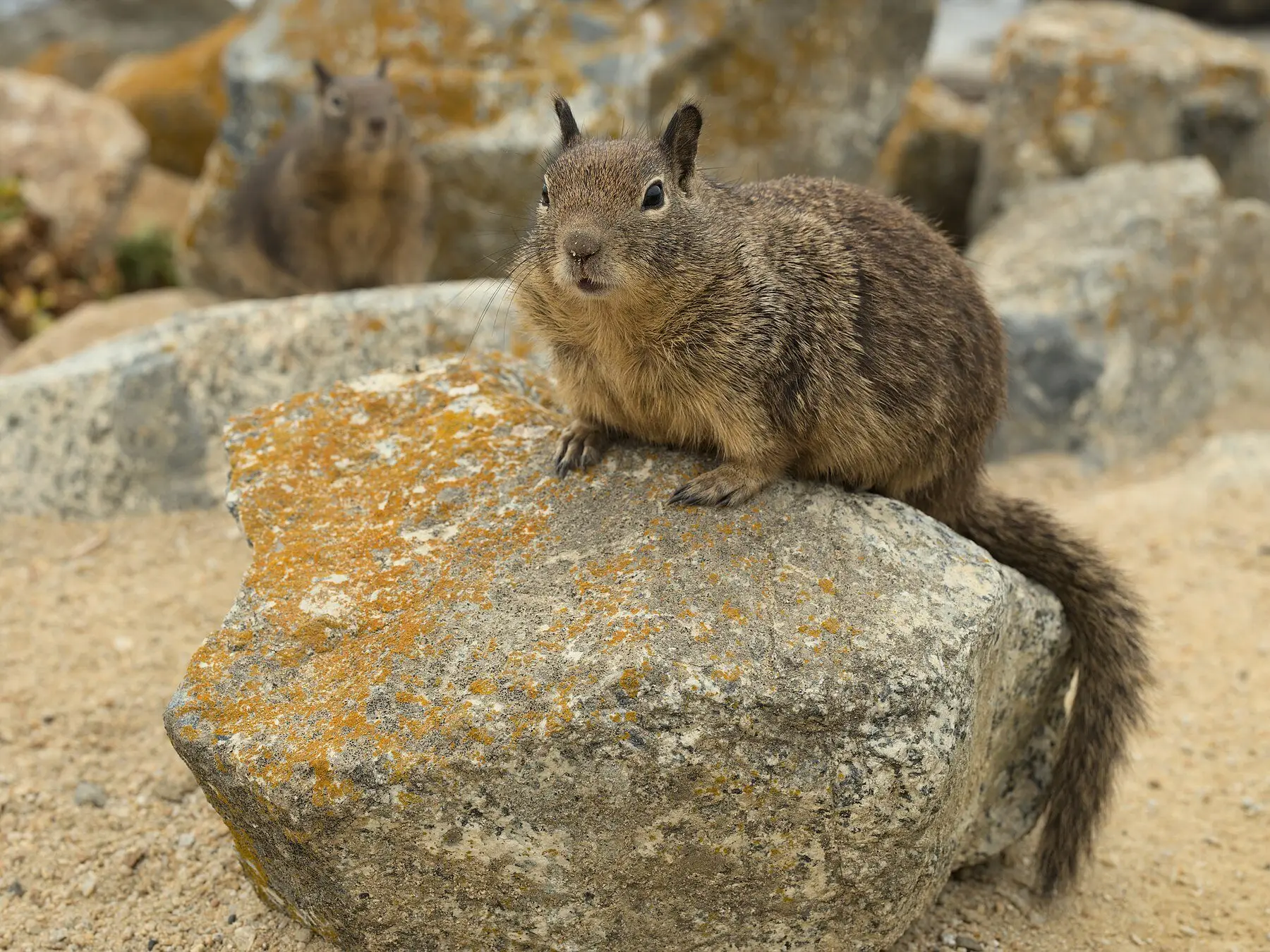
How to Get Rid of Ground Squirrels — 3 Measures
How to get rid of ground squirrels comes down to exclusion below ground. 3 measures compared on cost and effort. See which suits your beds.