
Bird Netting for Tomatoes — 5 Options, One Mesh Size
Bird netting for tomatoes works on mesh size, not strength. 5 options compared on framing, safety and cost. See which suits your plants.
 By
We may earn a commission when you buy through links on this page, at no extra cost to you.
On this page
Before buying netting, work out what is actually happening — because the damage pattern tells you whether netting is even the right tool, and because birds usually want something other than your tomato.
They want the water in it.
Read the damage before you buy anything
| What you see | Culprit | What works |
|---|---|---|
| Shallow pecks, ripest fruit, left on plant | Birds | Water, then 3/4 in netting on hoops |
| Whole fruit missing | Squirrel, chipmunk | Hardware cloth |
| Large bites, fruit dropped half-eaten | Squirrel, rat | Hardware cloth |
| Green fruit taken | Squirrel | Hardware cloth |
| Fruit eaten from below, stem intact | Slug, snail | Barriers, not netting |
| Holes with dark frass nearby | Hornworm, fruitworm | Hand-pick; encourage birds |
| Cracked but not pecked | Watering irregularity | Mulch and consistent watering |
That last row catches people out. Concentric or radial cracking in a tomato skin after heavy rain following a dry spell is a water-uptake problem, not an animal, and netting will not help.
The hornworm row is worth noting too: the birds pecking your tomatoes are also eating the caterpillars on them, which is part of why excluding them wholesale is not always a clear win.
Why water usually is the answer
A ripe tomato is roughly 95% water, soft-skinned and sitting at eye level in full sun. In a dry August, with puddles gone and natural water scarce, it is the most accessible water source in the garden.
The signature is a few shallow pecks in the reddest fruit, which is then left on the plant. A bird that wanted the tomato would do considerably more damage.
So the first thing to try is a shallow bird bath, kept filled, near the beds. Two weeks will tell you. It costs a fraction of netting a bed, and if it works you keep the birds — which, given they are eating hornworms and fruitworms, is the better outcome.
Picking at first blush and ripening indoors on a windowsill is the other free fix. A tomato picked at the first colour change ripens perfectly off the plant.
Mesh size does two jobs
This is the part worth getting right, because one of the two jobs is a welfare question.
Exclusion. Three-quarters of an inch or finer keeps garden birds out. Larger mesh lets smaller birds through and is routinely sold for fruit protection anyway.
Not trapping anything. A bird that pushes its head through a one-inch mesh cannot reverse out — feathers catch going backwards — and it struggles until exhausted. The same happens to garter snakes, lizards and hedgehogs, which get caught mid-body and cannot go either way. Conservation organisations list loose large-mesh garden netting as a notable hazard for exactly this reason, and an animal found too late does not recover.
Fine mesh pulled taut gives an animal nothing to push into. That is the whole safety measure, and it is free once you have chosen the right roll.
Watch out
Tension is as important as mesh size. Loose netting is what entangles, whatever the aperture. Check the edges weekly through the season — a corner that has worked free is the hazard.
Framing is the technique
Netting draped over tomato plants fails in three ways at once. Birds stand on it and peck through at fruit directly below. The netting presses on ripening tomatoes and marks them. And loose fabric in contact with foliage is what catches feet and feathers.
Held clear on hoops, all three go away:
- Hoops pushed into the soil, tall enough to clear the plants at full height
- Netting over the top, clipped to the hoops, pulled taut
- Edges weighted or pegged to the ground so there is no gap at the bottom
- One end left openable, so picking does not mean dismantling
Six inches of clearance is enough. More is better where you can.
Material, and false economy
The cheapest netting is extruded polyethylene — the stiff diamond-pattern stuff sold in wide rolls. It works for a season, then UV makes it brittle, and it tears and ladders. The fragments end up distributed through the garden, which is both a nuisance and a plastic-pollution problem.
Knitted or woven UV-stabilised netting costs more per square foot and lasts several seasons, holds its shape at the fixings, and tangles less because the mesh does not deform. Over three years it is the cheaper option.
If it turns out to be squirrels
The tell is scale: whole fruit gone, big bites, green tomatoes taken and abandoned. Squirrels and chipmunks chew through plastic netting without difficulty — it is an obstacle of a few seconds.
Half-inch galvanised hardware cloth, built into a cage or cylinder, is the answer. It is dearer and more work, it cuts a little more light, and it is the only thing that holds. It also excludes birds, so it covers both problems at once if you have both.
How we picked
Netting compared on mesh aperture, material and published tangle guidance from wildlife organisations, plus what growers report over a season of use. · Picks last checked October 2026.
- Mesh size, for exclusion and for safety
- Around 3/4 in or smaller excludes birds and is too fine to entangle a head or a leg. Large-mesh netting is both less effective and the kind birds and snakes get caught in.
- Whether it is held off the fruit
- Netting draped on a plant lets a bird stand on it and peck through, and presses on fruit so it bruises. Framed clear of the foliage is the whole technique.
- Material and lifespan
- Cheap extruded polyethylene lasts a season or two before UV makes it brittle. Knitted or woven netting lasts several years and tangles less.
- Tangle risk to wildlife
- Loose large-mesh netting catches birds, snakes, hedgehogs and lizards, and a tangled animal usually dies. Tensioning is a welfare issue, not just tidiness.
- Can you still get in to pick
- A cage you dread opening is a cage left open. Access matters more than it sounds for a crop picked every other day.
Our picks
| # | Pick | Best for | Where to buy |
|---|---|---|---|
| 1 | Fine knitted bird netting, ~3/4 in mesh | Best overall | Check price for Fine knitted bird netting, ~3/4 in mesh → |
| 2 | Hoops and clips for a net tunnel | Best framing | Check price for Hoops and clips for a net tunnel → |
| 3 | Net bags or truss sleeves | Best value | Check price for Net bags or truss sleeves → |
| 4 | Hardware cloth, 1/2 in | Best if it is actually squirrels | Check price for Hardware cloth, 1/2 in → |
| 5 | Shallow bird bath | The fix that is often enough | Check price for Shallow bird bath → |
Best overall
Fine knitted bird netting, ~3/4 in mesh
The netting to buy. The mesh size is doing two jobs at once — excluding birds and not killing them.
- Mesh
- About 3/4 in or finer
- Material
- Knitted or woven polyethylene
- Life
- Several seasons with UV stabilisation
- Tangle risk
- Low — too fine to catch a head or leg
What we liked
- Excludes birds reliably at this aperture
- Fine mesh is far safer for wildlife than large mesh
- Knitted construction resists tearing and laddering
- Lasts several years rather than one
Worth knowing
- Dearer per square foot than extruded netting
- Needs a frame to be worth using
- Fine mesh cuts a little light and airflow
Best framing
Hoops and clips for a net tunnel
Buy these with the netting, not instead of them. Netting draped straight onto plants fails and bruises fruit.
- Hoops
- Fibreglass or PVC, pushed into soil
- Clips
- Snap clips to hold netting to hoops
- Span
- Any row length
- Height
- Clear of the plants' full height
What we liked
- Holds netting off the fruit, which is the whole technique
- Ends open for picking without dismantling
- Reusable for years and for other crops
- Cheap relative to the netting it supports
Worth knowing
- Needs soil to push into, so awkward on hard standing
- Tall indeterminate tomatoes need tall hoops
Best value
Net bags or truss sleeves
The sensible answer for a handful of plants. Put them on at first blush, not before.
- Covers
- Individual trusses or fruit
- Mesh
- Fine drawstring bags
- Use
- Slip over a truss as it begins to colour
- Reusable
- Yes, for several seasons
What we liked
- No frame and no construction at all
- Protects the fruit that is actually at risk
- Ideal for a few plants or patio pots
- Very cheap
Worth knowing
- Fiddly on a heavily cropping plant
- Can trap humidity against the fruit in muggy weather
- Easy to lose
Best if it is actually squirrels
Hardware cloth, 1/2 in
Included because misdiagnosis is common. Whole fruit gone, carried off, or big bites means a mammal, and netting will not hold.
- Mesh
- 1/2 in galvanised
- Stops
- Squirrels, chipmunks, rats, birds
- Form
- Cage or cylinder around plants
- Life
- Years
What we liked
- Mammals chew through plastic netting and not through this
- Lasts for many seasons
- Also excludes birds, so it covers both causes
- Reusable for bulb beds and feeders
Worth knowing
- Expensive for a large area
- Rigid, so it needs building into a shape
- Cuts more light than netting
The fix that is often enough
Shallow bird bath
Try this for a fortnight before netting anything. In a dry spell it resolves a surprising share of tomato pecking.
- Depth
- Under 2 in
- Why
- Birds peck fruit for moisture in dry spells
- Place
- Near the beds, in the open
- Clean
- Every few days
What we liked
- Addresses the actual motive rather than the symptom
- Frequently stops tomato pecking outright in a dry summer
- Costs less than netting a bed
- Brings in birds that eat the caterpillars and hornworms
Worth knowing
- Does not work where birds want the fruit itself
- Needs regular cleaning
Which should you buy?
Our verdict
- Best overall:
- Fine knitted netting on a hoop frame
- Best value:
- Net bags over individual trusses
Fine knitted netting with a mesh around three-quarters of an inch, held clear of the plants on hoops, is the right answer: it excludes birds, it does not press on the fruit, it lasts several seasons rather than one, and the mesh is too fine to entangle a bird or a snake. Net bags over individual trusses are the value pick for a few plants in pots — no frame, a few dollars, and they protect the fruit that is actually ripening. Before buying either, try water: birds peck tomatoes mainly for moisture, and a bird bath in a dry spell frequently solves it for nothing.
| If you… | Buy | Because |
|---|---|---|
| A few plants, and you want it to just work | Fine knitted netting over a simple frame | Tensioned 3/4 in mesh on hoops or stakes keeps birds out, keeps the netting off the fruit, and is too fine to entangle anything. |
| Birds are only taking the ripest fruit | Pick slightly earlier and provide water | Birds peck tomatoes mainly for moisture in dry spells. A bird bath nearby and picking at first blush often ends it without netting. |
| A long row or a whole bed | Netting on a hoop tunnel | Hoops carry the net clear of the plants over any length, and the ends can be opened for picking without dismantling anything. |
| Pots on a patio | Individual net bags or sleeves over trusses | Cheap, quick and no frame needed. Protects the fruit that is actually ripening rather than the whole plant. |
| Squirrels and chipmunks, not birds | Hardware cloth, not netting | Mammals chew straight through plastic netting. If the bite marks are large or fruit is carried off, this is not a bird problem. |
When not to buy at all
Do not use large-mesh netting left loose. Mesh over about an inch, draped rather than tensioned, catches birds, snakes, lizards and hedgehogs by the head or leg, and an entangled animal almost always dies — wildlife organisations single this out as a significant garden hazard. If the damage is large bites, whole fruit missing, or stems snapped, it is not birds: squirrels and chipmunks chew through plastic netting, and that needs hardware cloth. And check whether you need netting at all, since providing water in a dry spell and picking at first blush often ends the problem.
Common questions
What mesh size bird netting is best for tomatoes?
Why are birds pecking my tomatoes?
Does bird netting harm birds?
Should netting touch the plants?
What is the best material for bird netting?
How do I stop squirrels taking tomatoes?
Backyard Weekly
Know what to plant, week by week
Join the weekly email for seasonal jobs, fixes for what is going wrong, and gear worth buying.
Not ready to subscribe? The planting calendar is free and needs no email.
By subscribing you agree to our privacy policy. Grow In Backyard will never sell your address.
Keep reading
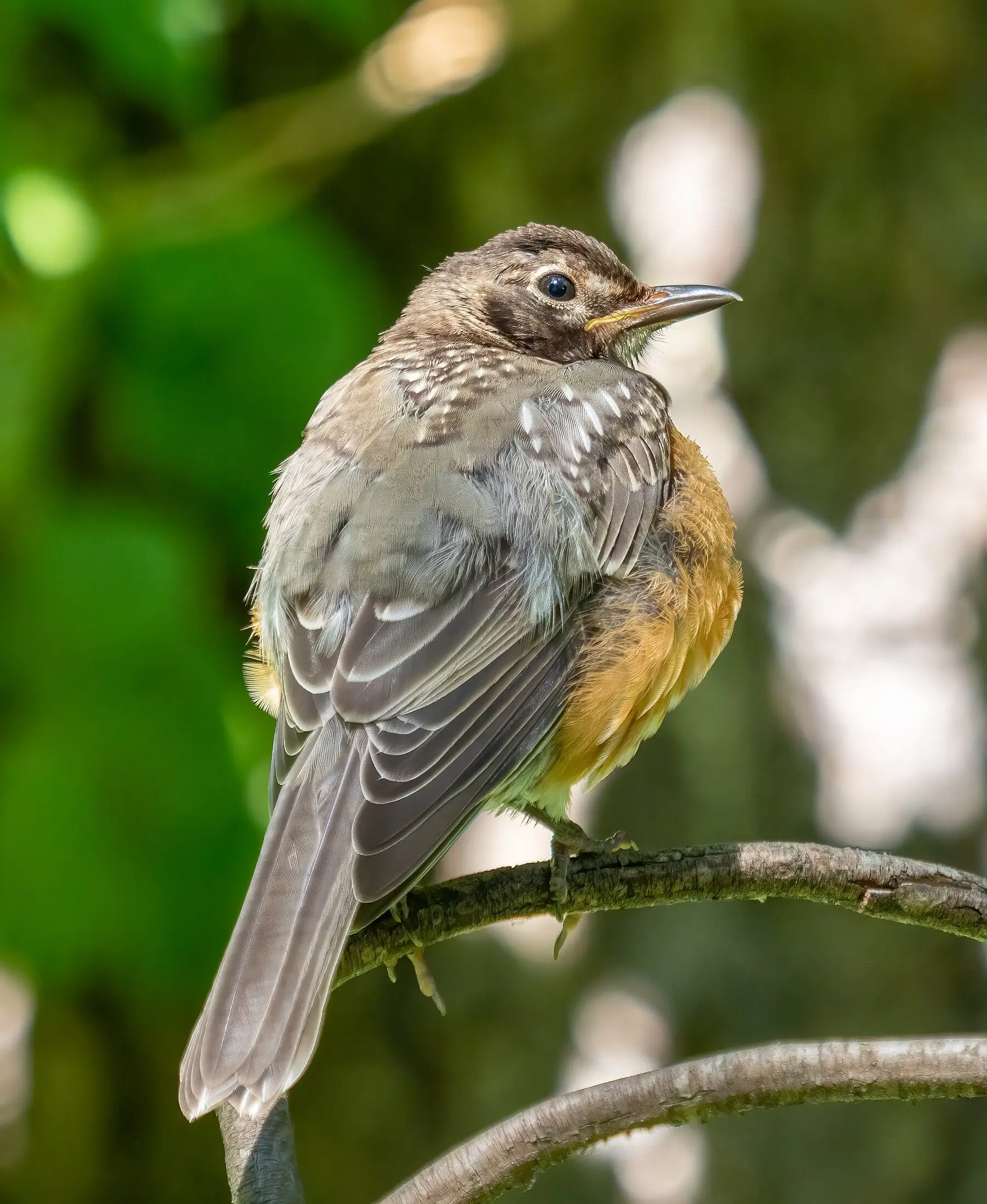
Do Birds Eat Tomatoes? They Are Usually After the Water
Birds peck tomatoes for moisture more than food, which is why you find one hole in six fruits. A birdbath fixes more of it than netting does.
How to Keep Squirrels From Eating Tomatoes
Squirrels take one bite from a tomato and leave it, because they are after water. Cages that work, the water trick, and what does not help.
What Keeps Squirrels Out of Tomato Plants? Only a Barrier
Squirrels bite tomatoes for water, not food, so repellents and scare tactics fail. Physical exclusion and a water source are what actually work.
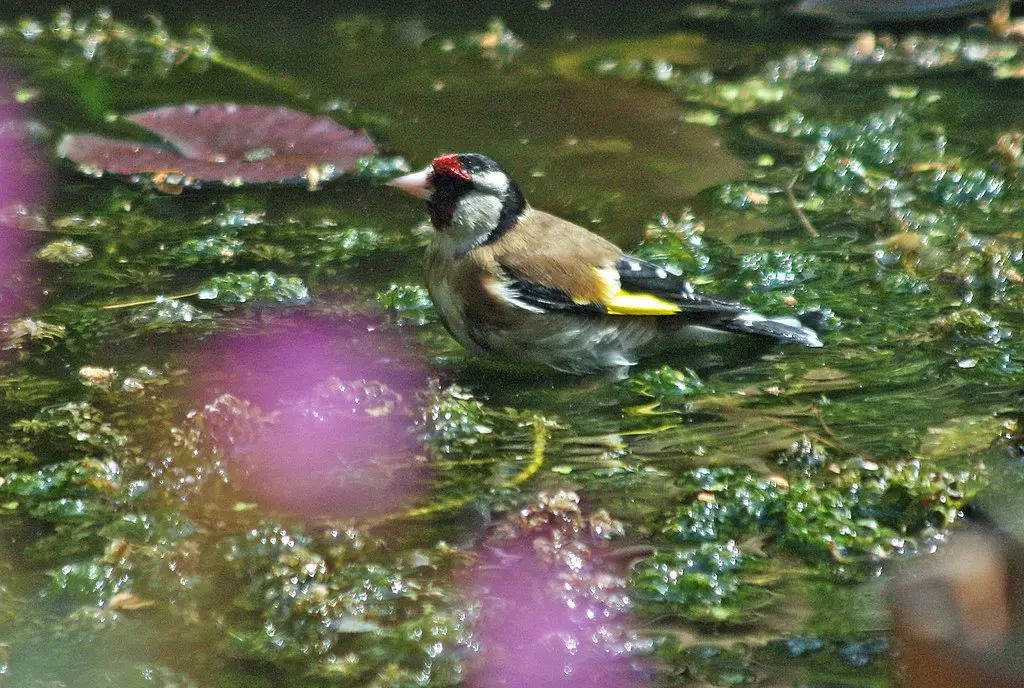
Best Bird Baths — 2 Inches Deep Is the Whole Secret
The best bird baths are 2 inches deep with a rough bottom. 6 picks compared on grip, depth and winter use. See which one birds will actually use.