
Do Birds Eat Tomatoes? They Are Usually After the Water
Birds peck tomatoes for moisture more than food, which is why you find one hole in six fruits. A birdbath fixes more of it than netting does.
 By

On this page
Yes — but the pattern gives away the motive. One neat hole in each of six tomatoes, none of them eaten properly, is not a bird feeding. It is a bird drinking.
Who and why
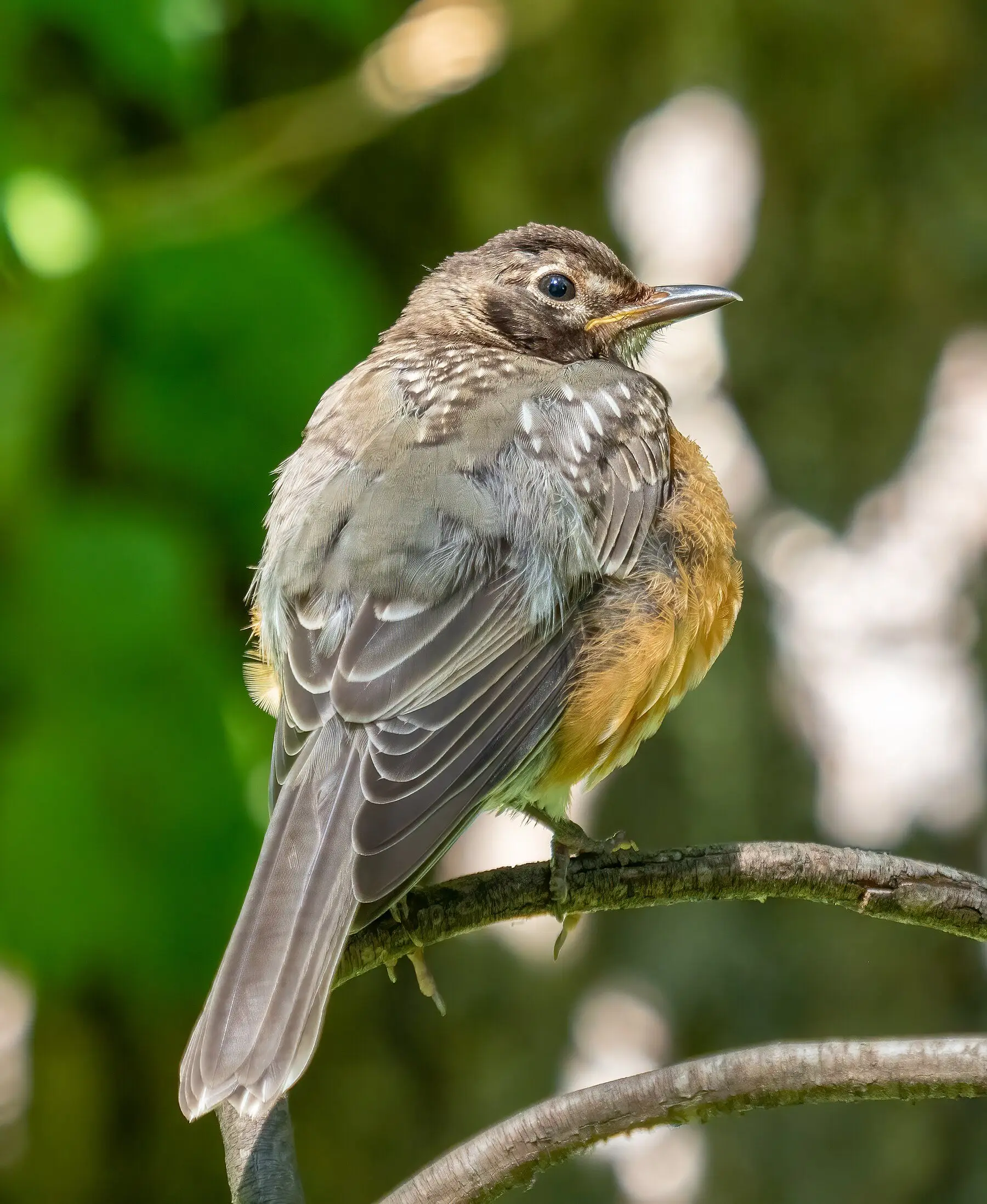
Robins, mockingbirds, blackbirds, crows, jays, starlings and finches. Few of them are fruit specialists — they are opportunists.
Water is the main driver. In a hot dry spell a ripe tomato is the most available moisture in the garden. The peck-and-move-on pattern follows directly from that: a few beakfuls, then the next fruit.
Larger birds — crows and jays — sometimes take whole small fruits, which is a different and less common problem.
Fix the thirst first
A birdbath is the cheapest control available
Put out shallow water within sight of the tomato bed, kept clean and topped up. In a dry spell this frequently ends the pecking within days, because the birds were never particularly interested in the tomato.
Shallow is important — an inch or two, with a sloping side or a stone to stand on. Birds drown in steep-sided containers.
On netting specifically — mesh size, framing and the tangle risk — see bird netting for tomatoes.
If that is not enough
Netting, done properly. Bird netting over a frame or hoops so it sits several inches clear of the fruit. Netting draped directly onto plants achieves little — birds simply peck through the mesh — and loose netting traps and kills birds and snakes, which is a real and common problem. Use small-mesh netting, pull it taut, and secure it at the ground.
Harvest early. Tomatoes picked at first blush — when colour has just begun to break — ripen on a windowsill with essentially no loss of quality. Nothing worth pecking is left outside.
Visual deterrents, rotated. Reflective tape, old CDs, spinning devices. They work for a week or two, then birds habituate. Moving them regularly and switching between types extends that.
Not wind chimes. Constant predictable noise becomes background within days. Sudden, irregular and visual beats audible and steady every time.
Motion-activated sprinklers are the most reliable of the deterrents, and they water the bed.
Before deterring birds generally
The robins pecking your tomatoes spend most of the day taking caterpillars, slugs, beetles and aphids out of the same garden.
Protecting the specific crop makes sense. Driving birds out of the garden altogether trades a handful of damaged tomatoes for a pest problem, and it is a bad trade.
Ruling out the alternatives
Not all tomato damage is birds:
- Squirrels — a bite from several fruits, often carried away. Also usually thirst.
- Slugs — irregular rasped holes low on the plant, with slime.
- Hornworms — leaves stripped and large dark droppings, fruit chewed.
- Blossom end rot — a sunken dark patch at the base. Not an animal at all; irregular watering.
- Splitting — a burst skin after heavy rain following dry weather.
The last two are far more common than birds, and neither is fixed by netting.
Common questions
Do birds eat tomatoes?
What birds peck tomatoes?
How do you stop birds eating tomatoes?
Do wind chimes scare birds?
Is it bad if birds are in the vegetable garden?
Do birds eat green tomatoes?
Backyard Weekly
Know what to plant, week by week
Join the weekly email for seasonal jobs, fixes for what is going wrong, and gear worth buying.
Not ready to subscribe? The planting calendar is free and needs no email.
By subscribing you agree to our privacy policy. Grow In Backyard will never sell your address.
Keep reading
Bird Repellent for Trees — 5 Options Ranked on Fruit
Bird repellent for trees works by movement, not smell. 5 options compared on fruit crops, plus the ones that fail. See which suits your tree.
Bird Netting for Tomatoes — 5 Options, One Mesh Size
Bird netting for tomatoes works on mesh size, not strength. 5 options compared on framing, safety and cost. See which suits your plants.
Best Bird Seed for Finches — 5 Picks, 2 They Actually Eat
The best bird seed for finches is nyjer or sunflower hearts, little else. 5 options compared with the feeders they need. See which fits yours.
How to Grow Tomatoes: Determinate or Indeterminate First
That one word on the seed packet decides your spacing, your pruning, and your harvest shape. Then it is warmth, consistent water, and feeding at the right time.