
Best Bird Baths — 2 Inches Deep Is the Whole Secret
The best bird baths are 2 inches deep with a rough bottom. 6 picks compared on grip, depth and winter use. See which one birds will actually use.
 By
We may earn a commission when you buy through links on this page, at no extra cost to you.
On this page
A bird bath is the cheapest way to increase the number of species in a garden, and most of the ones sold are the wrong shape to do it.
The reason is simple: baths are bought by people, on looks, and used by birds, on depth and grip.
The three things that decide whether it is used
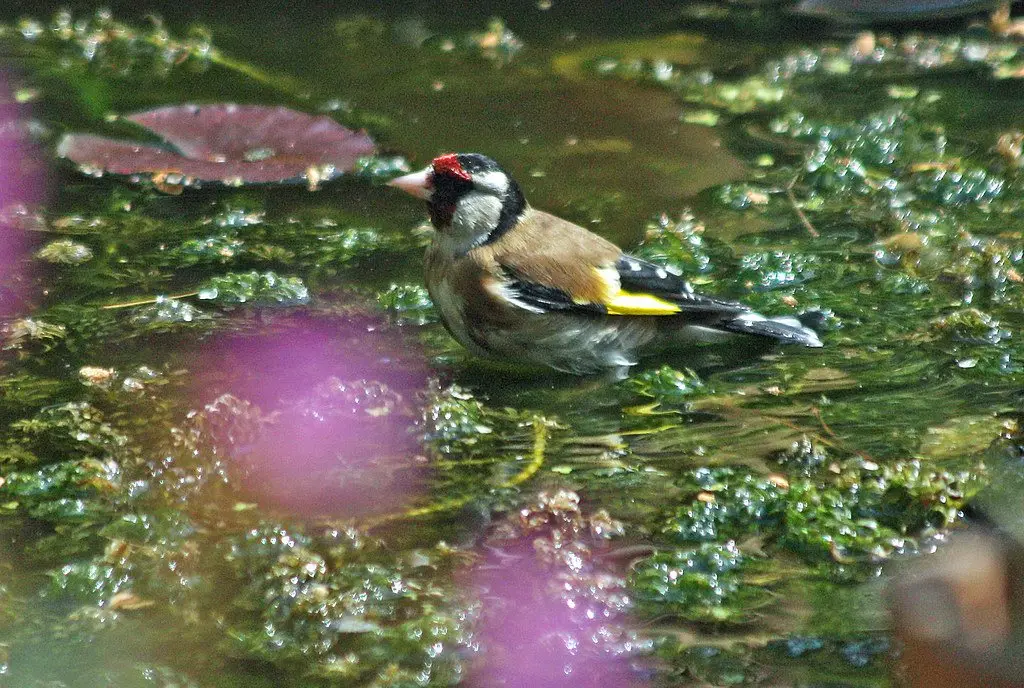
Depth. Small birds bathe by standing in water and flicking it through their feathers. They need to stand. Two inches is the working maximum, and a graduated slope is better still because it lets each bird pick its own depth — a chickadee and a jay want different things from the same bath.
Grip. A wet glazed ceramic surface is slippery, and a bird that cannot get purchase will not wade. Concrete, rough-textured plastic, unpolished stone, or a flat rock placed in a smooth basin all solve it.
Sound. This is the one most people leave out. Birds find water by hearing it. A still bath has to be discovered visually; a dripping one advertises itself across the garden.
Tip
If you already own a deep ornamental bath, do not replace it. A handful of gravel across the bottom and one flat stone standing proud of the water fixes depth and grip together, for nothing.
Why water does more for variety than a feeder
This is the part worth taking seriously, because it reframes what a bath is for.
A seed feeder can only ever attract seed-eating birds. That is a real but narrow slice of what visits a garden — finches, sparrows, chickadees, titmice, nuthatches, cardinals, jays.
Warblers, vireos, tanagers, thrushes, kinglets, flycatchers: all insect or fruit eaters, all essentially uninterested in a feeder, and all of them need to drink and bathe every day.
A shallow bath with moving water is the one piece of garden infrastructure that reaches them. In migration periods especially, a dripper over a shallow basin can produce species you would otherwise never record.
| Option | Effect | Cost | Notes |
|---|---|---|---|
| Shallow basin, rough bottom | The baseline that works | Low | Two inches, graduated |
| Dripper or wiggler | Biggest single uplift | Low | Sound attracts; stops mosquitoes |
| Solar bubbler | Movement, daylight only | Low | Clogs; stops in shade |
| Heated bath | Large, in winter | Medium | Open water is scarce in a freeze |
| De-icer for existing bath | Same, cheaper | Low | Check the basin survives frost |
| Gravel + flat stone in a deep bath | Fixes the usual fault | Free | Do this before buying anything |
| Deep glazed pedestal | Often none | Medium–high | The classic unused bath |
Placement, and the cat problem
A bathing bird is wet, heavy and briefly a poor flyer. It knows this, and it will not bathe anywhere it cannot see an approach.
So the siting rules pull in two directions and need balancing: open enough to see a cat coming, with cover a short flight away for escape. Roughly ten feet from a shrub is the same compromise that works for feeders.
Where cats are a real problem, a pedestal bath is the better choice despite ground level being the birds’ preference — height removes the ambush.
Partial shade for part of the day keeps the water cooler and slows algae without filling the bath with leaves.
Hygiene, which is the part that matters most
A bath concentrates many birds at one small surface, repeatedly, and they drink there. That makes it an efficient route for disease — trichomonosis, which is a major killer of finches and doves, and salmonella both spread this way.
The routine is short and it is not optional:
- Tip, scrub with a stiff brush, rinse and refill every two to three days in warm weather
- Weekly in cold weather, and immediately if the water looks green or has droppings in it
- Plain water and a brush is enough. No detergent, and therefore no residue
- If you see a bird with a swollen throat, lethargy or difficulty swallowing, take the bath down for a fortnight
Keep the brush next to the bath rather than in the shed. It is the difference between a one-minute job you do and a ten-minute job you postpone.
Winter, and the thing never to do
Open water in a freeze is scarcer than food and brings birds in reliably. Snow is a poor substitute — melting it costs a bird energy it needs for warmth — and most gardens have nothing liquid for weeks at a time.
A thermostatically controlled heated bath, or an immersion de-icer in the bath you already own, solves it properly and only draws power below freezing.
What to never do, and the reason: do not add antifreeze, glycerine, salt or any chemical. Antifreeze is straightforwardly lethal. Glycerine is the dangerous one because it circulates as a folk remedy and sounds harmless — it mats the feathers and destroys the overlapping structure that traps the air keeping a bird warm. A bird with glycerine-soaked plumage in January dies of cold.
How we picked
Judged against the depth, surface and placement that published bird-bath guidance identifies as decisive, plus what owners report about cracking, cleaning and winter use. · Picks last checked October 2026.
- Depth, which is the main thing
- Small birds will not enter water deeper than about two inches. Most decorative pedestal baths are three to four inches deep in the middle and go unused.
- A surface they can grip
- Glazed ceramic and smooth polished stone are slippery when wet. Birds will not wade on a surface they cannot stand on securely.
- Moving water
- Birds locate water by sound. A dripper or wiggler attracts species that walk past a still bath, and it stops mosquitoes breeding.
- Can you actually clean it
- A bath needs scrubbing every few days in warm weather. An ornate basin with a textured pattern is far harder to keep clean than a plain bowl.
- Freeze survival
- Water expands when it freezes and splits concrete and ceramic. A bath you can empty, or one designed to be heated, lasts years longer.
Our picks
| # | Pick | Best for | Where to buy |
|---|---|---|---|
| 1 | Shallow basin with a dripper | Best overall | Check price for Shallow basin with a dripper → |
| 2 | Ground-level shallow bath | Best value | Check price for Ground-level shallow bath → |
| 3 | Heated bird bath | Best for winter | Check price for Heated bird bath → |
| 4 | Immersion de-icer for an existing bath | Best cheap winter fix | Check price for Immersion de-icer for an existing bath → |
| 5 | Solar fountain pump | Best for movement without a hose | Check price for Solar fountain pump → |
| 6 | Stiff brush for cleaning | The accessory that makes it safe | Check price for Stiff brush for cleaning → |
Best overall
Shallow basin with a dripper
The combination that turns a bath from an ornament into the busiest thing in the garden. If you add one component, add the dripper.
- Depth
- 1–2 in, sloping
- Surface
- Rough stone, textured plastic or concrete
- Water
- Dripper or wiggler fed from a hose or reservoir
- Attracts
- Warblers, tanagers, thrushes, vireos, plus all feeder birds
What we liked
- Sound is how birds find water, so a dripper multiplies visits
- Moving water stops mosquitoes completing their cycle
- Correct depth means small birds actually enter it
- Brings in insect and fruit eaters that never visit a feeder
Worth knowing
- Needs a hose or a reservoir to feed it
- Drippers waste some water unless on a timer
- One more thing to bring in before a hard freeze
Best value
Ground-level shallow bath
What birds prefer, if your garden has no cat problem. Site it in the open with clear sightlines.
- Depth
- Under 2 in
- Height
- On the ground or a low plinth
- Surface
- Rough
- Suits
- Doves, juncos, sparrows, towhees, thrushes
What we liked
- Matches how most small birds naturally drink and bathe
- Cheapest option, and easy to improvise
- Very stable, so nothing blows over
- Used by ground-feeding species that ignore a pedestal
Worth knowing
- Exposed to cats, so needs open surroundings
- Gets dirty faster than a raised bath
- Fills with leaves and debris
Best for winter
Heated bird bath
The upgrade with the biggest seasonal effect. Birds cannot eat snow efficiently, and most gardens have no open water in January.
- Power
- Mains, thermostatically controlled
- Function
- Keeps water liquid, not warm
- Depth
- Under 2 in, as always
- Why
- Open water is scarcer than food in a freeze
What we liked
- Open water in a freeze attracts birds more reliably than food does
- Thermostat means it only runs when needed
- Removes the daily job of breaking ice and refilling
- Birds need water for drinking and for plumage even in cold
Worth knowing
- Needs an outdoor cable and a safe outlet
- Still needs cleaning through winter
- Running cost through a long cold spell
Best cheap winter fix
Immersion de-icer for an existing bath
The sensible route if you already have a bath you like. Check your basin can take a freeze at all before relying on it.
- Power
- Mains
- Fits
- Any existing bath
- Function
- Keeps a patch of water open
- Control
- Thermostatic on better models
What we liked
- Keeps the bath you already own in use through winter
- Far cheaper than a new heated bath
- Thermostatic versions only draw power below freezing
Worth knowing
- Visible cable and element in the bath
- A ceramic or concrete bath can still crack in a hard freeze
- Needs a safe outdoor outlet
Best for movement without a hose
Solar fountain pump
Good where a hose will not reach. A dripper is more reliable because it does not depend on sunshine or stay clean.
- Power
- Solar, floating panel
- Function
- Small fountain or bubbler
- Runs
- Daylight, sun-dependent
- Depth needed
- More than a very shallow bath in places
What we liked
- Moving water with no hose and no cable
- Stops mosquitoes breeding while it runs
- Cheap and simple to drop in
- Pleasant sound
Worth knowing
- Stops in shade and at dusk
- Needs enough depth to submerge the pump
- Small pumps clog with debris and algae constantly
The accessory that makes it safe
Stiff brush for cleaning
The difference between a bath that helps birds and one that harms them. Keep the brush by the bath, not in the shed.
- Use
- Scrub out algae and droppings
- Frequency
- Every 2–3 days in warm weather
- Method
- Scrub, rinse, refill — no detergent needed
- Why
- Standing water concentrates birds and disease
What we liked
- A dirty bath spreads trichomonosis and salmonella
- Plain water and a brush is enough; no chemicals needed
- Takes under a minute if done often
- Cheap, and lasts years
Worth knowing
- Needs doing, which is the whole point
Which should you buy?
Our verdict
- Best overall:
- Shallow basin with a dripper
- Best value:
- Ground-level shallow bath
The best bird bath is a plain shallow basin, no more than two inches deep, with a rough bottom birds can grip — plus a dripper, which is the single biggest upgrade available because birds locate water by sound and moving water also stops mosquitoes breeding. A ground-level shallow bath is the value pick and matches how most small birds naturally bathe. And if you already own a deep ornamental bath, do not replace it: a handful of gravel and a flat stone fixes the depth problem for nothing.
| If you… | Buy | Because |
|---|---|---|
| You want a bath that gets used, not one that looks good | A shallow basin with a rough bottom, on or near the ground | Two inches deep with grip is what small birds use. Ground level matches how most of them drink and bathe naturally. |
| You want to attract species that never visit feeders | Any shallow bath plus a dripper | Sound is how birds find water. Warblers, tanagers and thrushes eat insects and fruit and will never come to seed, but they come to moving water. |
| Cats are a concern | A pedestal bath in open ground, away from cover | Height and a clear approach let a bathing bird — which is briefly a poor flyer — see an ambush coming. |
| Freezing winters | A heated bath or an immersion de-icer | Open water in winter is scarcer than food and brings in birds reliably. Never use antifreeze or glycerine, which are lethal. |
| Your existing bath is too deep | Add stones, gravel and a flat rock | Costs nothing, fixes the commonest fault, and gives birds somewhere to stand and graduated depth to choose from. |
When not to buy at all
Never add antifreeze, glycerine, salt or any chemical to stop a bath freezing — antifreeze is lethal, and glycerine mats and ruins the plumage's insulating structure, which kills birds in cold weather. Skip deep ornate pedestal basins bought on appearance: three or four inches of water with a glazed slippery bottom is the most common unused bird bath there is. And skip the bath entirely if you cannot commit to cleaning it every few days in warm weather, because a dirty bath concentrates birds around standing water and spreads trichomonosis and salmonella.
Common questions
How deep should a bird bath be?
What style of bird bath is best?
Why do birds ignore my bird bath?
Should I put a bird bath in the sun or shade?
How do I stop a bird bath freezing?
How often should I clean a bird bath?
Will a bird bath attract mosquitoes?
Backyard Weekly
Know what to plant, week by week
Join the weekly email for seasonal jobs, fixes for what is going wrong, and gear worth buying.
Not ready to subscribe? The planting calendar is free and needs no email.
By subscribing you agree to our privacy policy. Grow In Backyard will never sell your address.
Keep reading
Best Bird Food to Attract Colorful Birds — 6 by Species
The best bird food to attract colorful birds changes by species. 6 foods matched to cardinals, orioles, bluebirds and more. See which to put out first.
How to Stop Birds Pooping on Your Patio or Balcony
Droppings on a patio come from a perch, not from the sky. Find the perch, make it unusable, and the mess stops — plus how to clean it safely.
Best Bird Seed for Cardinals — 5 Picks, Safflower First
The best bird seed for cardinals is safflower, which squirrels leave alone. 5 seeds compared on pull, cost and mess. See which suits your feeder.
The Great Backyard Bird Count: How to Take Part in 15 Minutes
A four-day global bird count each February, free and open to anyone. What to do, which app to use, and how to count without double-counting birds.