
How to Attract Foxes to Your Garden (Carefully)
Foxes come for cover, quiet and easy food. How to make a garden welcoming without creating a tame fox — and why feeding is the part to get right.
 By

On this page
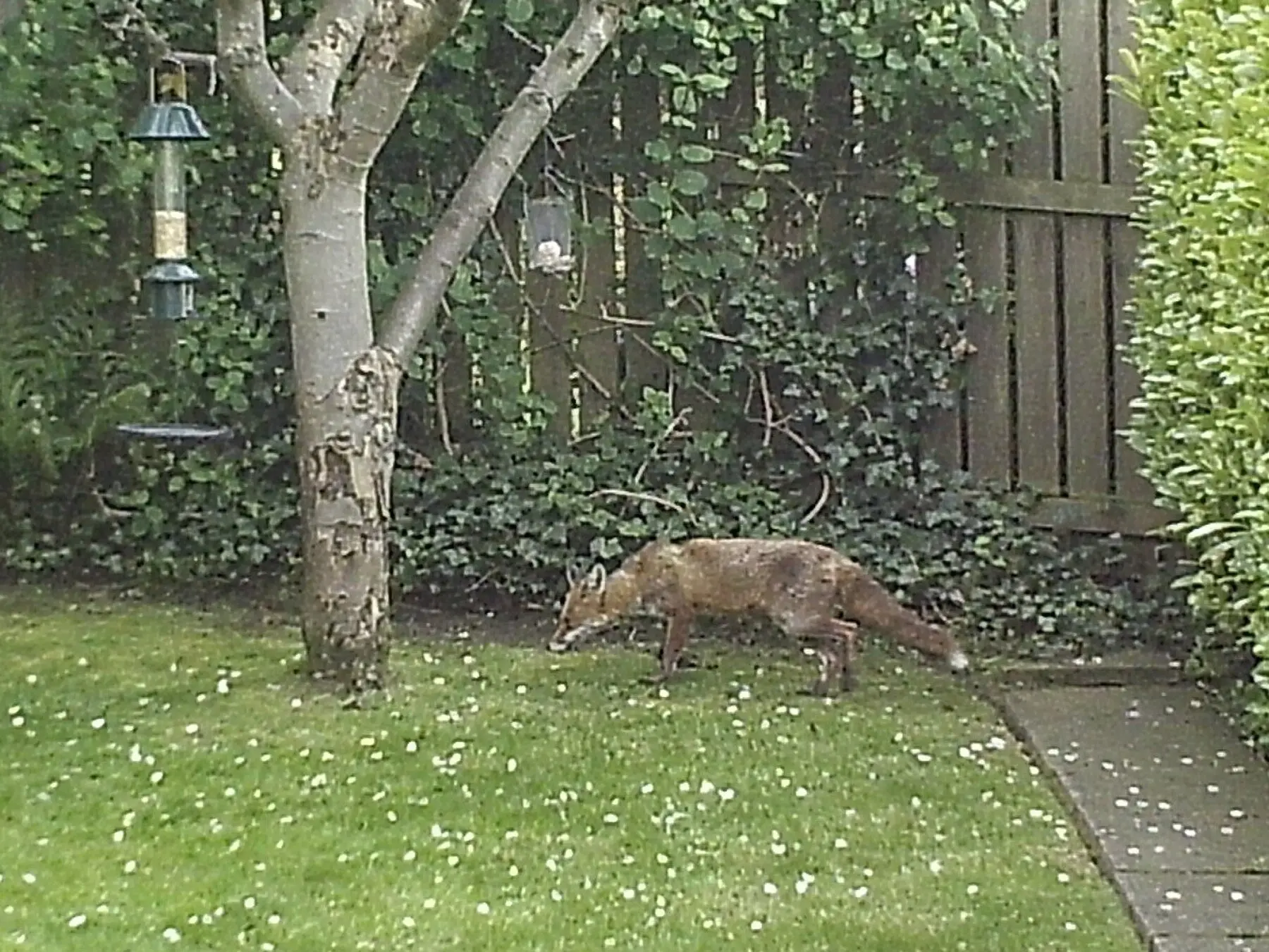
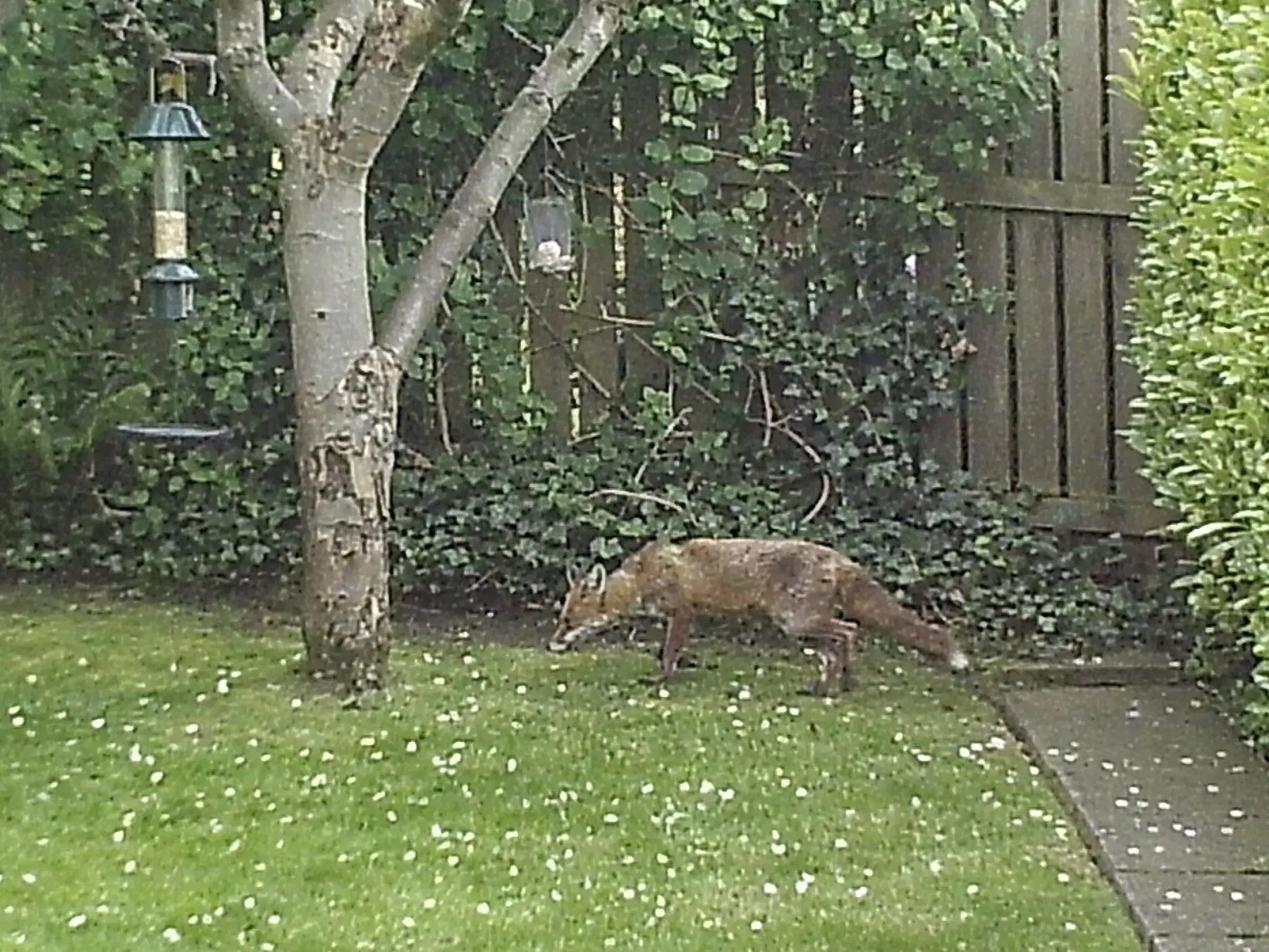
Foxes are already in most suburbs. What decides whether one uses your garden is not food — it is cover and quiet, plus a route in. And the part worth thinking hardest about is feeding, because that is where attracting a fox goes wrong.
What a fox actually wants
| Draw | Weight | How to provide it |
|---|---|---|
| Undisturbed daytime cover | Very high | Brush pile, log stack, rough corner behind a shed |
| Quiet | Very high | Keep the corner out of daily traffic; dogs elsewhere |
| A through route | High | 4–5 in gap at the base of a fence |
| Small mammals | High | Long grass, no rodenticide |
| Earthworms | High, underrated | Untreated lawn, damp evenings |
| Windfall fruit | Seasonal, strong | Leave apples and plums where they fall |
| Water | Moderate, genuinely useful | Shallow dish, quiet spot, kept clean |
| Put-out food | Effective, and the risky one | See below |
Earthworms are the surprise. A suburban fox spends a lot of damp evenings working a lawn for them, and a lawn treated with insecticide or drenched in weed-and-feed is worth much less to it than a scruffy one.
The feeding question
This is where good intentions cause harm, so it is worth being blunt.
A fox that learns people mean food stops being wary. It approaches strangers, sits on doorsteps, follows children carrying sandwiches — and that is the fox that gets reported, trapped or shot. The kindest thing you can do for a fox you enjoy watching is to keep it slightly afraid of you.
Never hand-feed, and never at the back door
Hand-feeding creates a habituated animal in days. Feeding in the same spot at the same time each evening does the same thing more slowly. Neither is a favour to the fox.
If you feed at all:
- Small amounts, scattered rather than in a bowl
- Irregular times, and away from the house
- Suitable: cooked or raw meat, tinned dog food, cheese, unsalted peanuts, fruit
- Not suitable: chocolate, onion, grapes and raisins, heavily salted or spiced food, cooked bones
- Stop entirely if the fox starts waiting for you, approaching, or showing no fear
Water is different. A shallow dish of clean water in a quiet spot is useful in dry spells and invaluable in freezing weather, and it creates none of these problems.
Cover, in practice
- A brush pile — larger branches criss-crossed at the base, prunings piled on top, against a hedge or fence line.
- A log stack left to rot down, which also feeds beetles and fungi.
- Rough grass left unmown in a corner.
- The space behind a shed or under a raised deck — foxes will use these readily, and a vixen may choose one as an earth in spring.
If a vixen dens under your shed
Cubs are usually above ground by late spring and the family moves on by midsummer. Blocking an active earth traps cubs inside. The straightforward answer is to wait, then seal the space in autumn once it is definitely empty.
Secure this first
Do this before you make the garden welcoming, not after:
- Poultry and rabbits: a genuinely fox-proof run — weldmesh rather than chicken wire, with a buried or ground-level wire apron, and closed every evening without fail. A fox will dig, and it will test a latch.
- Bins: rigid latching lids.
- Pet food: never left outside overnight.
A fox that cannot reach your animals is a pleasure to have. One that can is a disaster you invited.
Two things you may meet
Mange. Patchy fur, a thin ratty tail, bare skin. It is sarcoptic mange, it is contagious to dogs, and it kills the fox if untreated. Do not self-treat — contact a local wildlife rescue or fox charity, several of which supply treatment to give in food and know the dose.
Screaming at night. The vixen’s mating call, mostly December to February. It sounds like someone in distress, it is entirely normal, and it stops after a few weeks.
Step by step
- Time
- P60D
- Cost
- $0
- You need
- Brush, logs and prunings for cover
- Tools
- Trail camera, if you want to know what visits
Leave a wild, undisturbed corner
Foxes want cover and quiet more than they want food. A patch of rough grass, a brush pile, a log stack or an overgrown corner behind a shed gives them somewhere to lie up during the day. Site it away from the parts of the garden you use, because disturbance is what keeps foxes moving on.
Give them a way in and through
A gap of about four to five inches at the base of a fence lets a fox move along its normal route without forcing it through open ground. Foxes follow habitual paths across several gardens, so a connected route matters more than any single feature of yours.
Let the garden support their actual food
A fox's diet is mostly small mammals, earthworms, beetles and windfall fruit. Long grass supports voles and mice, an untreated lawn produces earthworms on damp nights, and a fruit tree left to drop feeds them in autumn. Stop using rodenticide entirely — a poisoned rodent kills the fox that eats it.
Put out water rather than food
A shallow dish of clean water in a quiet spot is genuinely useful, especially in dry spells and in freezing weather, and it creates none of the problems that feeding does. Refresh it regularly and site it where you can watch it from indoors.
If you feed at all, do it sparingly and unpredictably
Small amounts, scattered rather than in a bowl, at irregular times, never by hand and never at the back door. The goal is a fox that keeps its wariness of people. Cooked or raw meat, tinned dog food, cheese and unsalted peanuts are all suitable; chocolate, onion, grapes and heavily salted food are not.
Secure everything else first
Chickens, ducks and rabbits need a genuinely fox-proof run with a buried or aproned wire skirt, closed every evening. Bins need latching lids. Doing this before you encourage foxes is what keeps a welcome fox from becoming a problem one.
Common questions
How do I attract foxes to my garden?
Should you feed foxes?
What do foxes eat?
Are foxes dangerous to pets or children?
What does it mean if a fox looks mangy?
How do I stop a fox digging or fouling the lawn?
Backyard Weekly
Know what to plant, week by week
Join the weekly email for seasonal jobs, fixes for what is going wrong, and gear worth buying.
Not ready to subscribe? The planting calendar is free and needs no email.
By subscribing you agree to our privacy policy. Grow In Backyard will never sell your address.
Keep reading

Coyote Poop vs Dog Poop: How to Tell Them Apart
Coyote scat is tapered, full of hair and bone, and left in the open on purpose. Dog stool is smooth and uniform. What each one tells you about your yard.
Can Foxes Climb Fences? Yes — Higher Than You Think
A fox clears a six-foot fence and climbs considerably higher. What actually keeps them out, and why the same fence stops a skunk but not a raccoon.

How to Attract Rabbits to Your Yard (and Live With Them)
Rabbits want cover first, food second. Brush piles, native grasses and a quiet corner bring them in — and the same layout keeps them out of the vegetables.

How to Attract Squirrels to Your Yard (And Whether To)
Nut trees, water and cover bring squirrels in far more durably than a feeder. What works, what to put out, and the costs worth weighing first.