
Do Squirrels Eat Pumpkin Seeds? Yes — and Your Pumpkin
Squirrels eat pumpkin seeds readily and will hollow out a porch pumpkin to get them. What is safe to offer, what is not, and how to protect the display.
 By

On this page
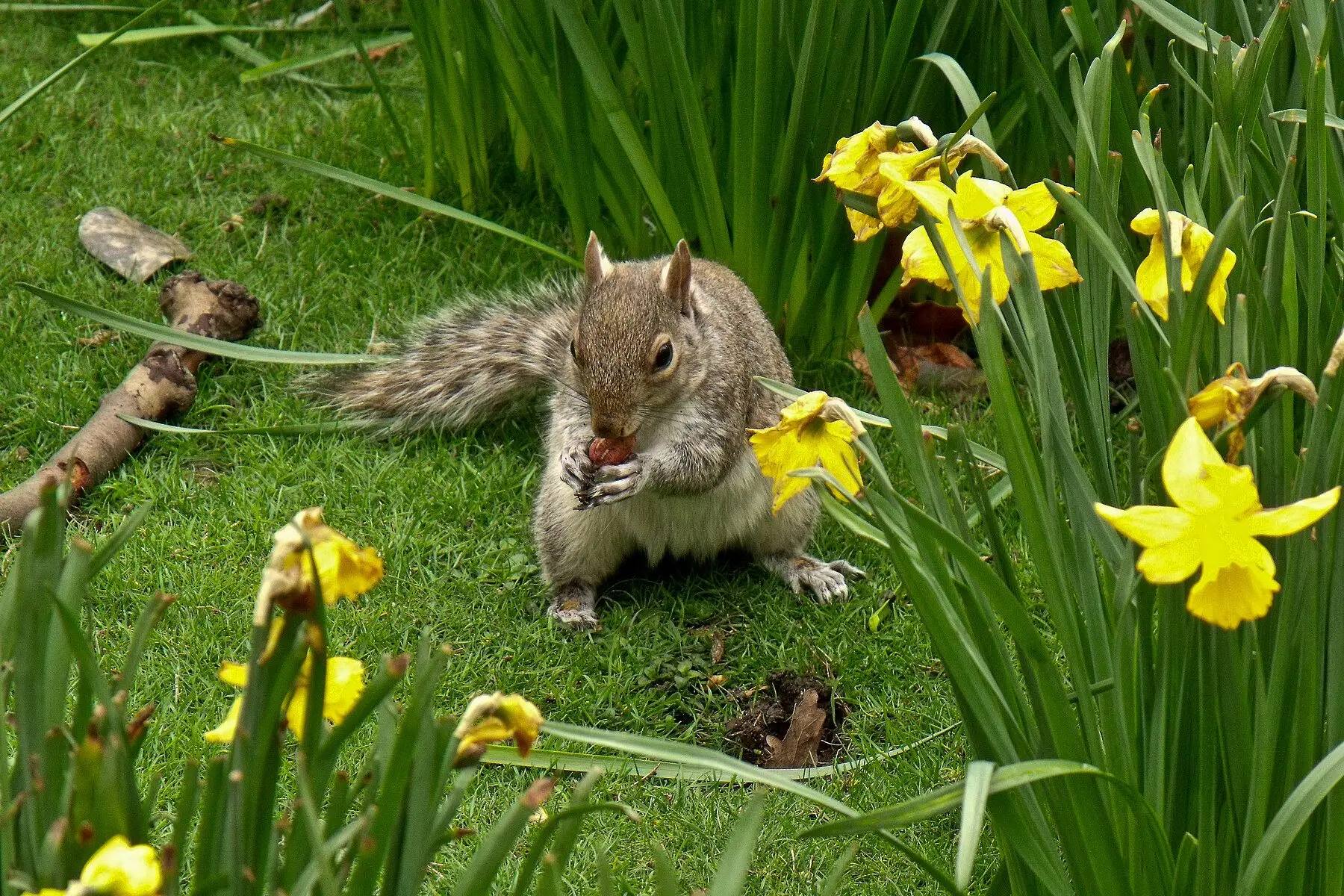
Yes — and that is exactly why the porch pumpkin gets hollowed out. Pumpkin seeds are high in fat and protein, squirrels take them readily, and a carved pumpkin puts the seeds on display at nose height in the middle of autumn caching season.
The nutrition, honestly
Pumpkin seeds are genuinely good food: fat, protein, magnesium, zinc, iron. That is why a squirrel wants them.
The problem is the same one that applies to nearly every nut and seed squirrels love.
The calcium-to-phosphorus trap
Seeds and nuts are high in phosphorus and low in calcium. A squirrel eating mostly one of them pulls calcium from its own bones to balance the ratio, which causes metabolic bone disease — weak bones, fractures, hind-leg paralysis. It is the single most common cause of illness in hand-fed and over-supplemented squirrels. Wild squirrels avoid it by eating very widely, which is why variety is the whole answer.
The same arithmetic is why sunflower seeds sit on the same list — taken eagerly, and one of the worst things to make a staple.
| Food | Verdict |
|---|---|
| Pumpkin seeds, raw and unsalted | Good occasional food |
| Walnuts, hickory, hazelnuts, acorns | Favourites; good in variety |
| Pecans, beech nuts | Fine in variety |
| Sunflower seeds, peanuts, corn | Popular but poor staples — high phosphorus |
| Raw peanuts specifically | Risk of aflatoxin mould |
| Salted or seasoned nuts | No |
| Bread, crackers, processed food | No |
| Chocolate, sweets | No — toxic |
| Fresh fruit and vegetables in small amounts | Good for variety |
Do they like walnuts?
Very much. Black walnuts are near the top of the preference list, and the hard shell is no obstacle at all. Hickory nuts, acorns, hazelnuts, beech nuts and pecans are all taken enthusiastically.
There is a pattern to what they do with them: squirrels assess a nut before caching it. Perishable or damaged nuts get eaten on the spot; the ones that store well get carried off and buried. So a squirrel eating one nut at the feeder and running away with the next is making a storage decision, not being fussy.
Protecting the porch pumpkin
The attraction is the cut flesh and exposed seeds, so the fixes work on those.
What works:
- Petroleum jelly mixed with cayenne pepper or hot sauce, smeared on the cut edges and the inside of the lid. Mammals react strongly to capsaicin; birds do not detect it at all, which is why the same trick is used on bird feeders.
- Leaving the pumpkin uncarved as long as possible. An intact skin is far less interesting.
- Hairspray or a clear sealant on the cut edges — modest effect, mostly by drying the surface.
- A vinegar or peppermint-oil wipe, reapplied often. Weakest of the real options.
- Feeding squirrels somewhere else in the yard, which gives them a better option than your doorstep.
What does not: ultrasonic devices, and most bottled squirrel repellents once it rains.
In the vegetable garden
This is the version people take less seriously and probably should. Squirrels take developing pumpkin and squash fruit on the vine, gnawing into the side for the seeds, and a single squirrel can ruin a row.
Repellents wash off. Wire cages or hardware cloth over developing fruit is the answer that actually holds, along with cleaning up spilled birdseed, which is what supports the high squirrel numbers in the first place.
If you want to feed them
Offer variety in small amounts rather than a bulk pile of one thing:
- A mix of nuts in the shell — walnuts, hazelnuts, acorns, pecans
- Raw unsalted pumpkin and squash seeds
- Fresh fruit and vegetable pieces
- A cuttlebone or a calcium block, which offsets the phosphorus problem directly
And keep it away from the house, the bird feeders and the vegetable beds — otherwise you have simply moved the problem to a place you use more often.
Common questions
Do squirrels eat pumpkin seeds?
Are pumpkin seeds good for squirrels?
Do squirrels like walnuts?
How do I stop squirrels eating my porch pumpkins?
What should you not feed squirrels?
Can squirrels eat the whole pumpkin, flesh and all?
Backyard Weekly
Know what to plant, week by week
Join the weekly email for seasonal jobs, fixes for what is going wrong, and gear worth buying.
Not ready to subscribe? The planting calendar is free and needs no email.
By subscribing you agree to our privacy policy. Grow In Backyard will never sell your address.
Keep reading
Best Bird Seed for Tube Feeders — 5 That Never Clog
The best bird seed for tube feeders is sized to the port. 5 seeds compared on pouring, clogging and mess. See which matches your feeder's ports.
What Not to Feed Squirrels (And Whether to Feed Them at All)
Peanuts, bread, chocolate and salted nuts all cause real harm. The safe list, why corn is worse than it looks, and the case against feeding squirrels.
Why Do Squirrels Bury Nuts? And How They Find Them Again
Squirrels cache thousands of nuts a year, in separate holes, and relocate them by memory and smell — while faking burials for any squirrel watching.
How to Attract Squirrels to Your Yard (And Whether To)
Nut trees, water and cover bring squirrels in far more durably than a feeder. What works, what to put out, and the costs worth weighing first.