
Is It Illegal to Kill a Possum? Usually Yes
Opossums are protected game or nongame wildlife in most US states, so killing one often needs a permit. Exclusion is legal everywhere and works better.
 By
On this page
In most US states, yes — killing an opossum without a permit or outside a defined season is an offence. And it is the wrong tool anyway: removing one animal from good habitat just vacates it for the next one.
The legal picture, and why no article can give you the answer
Opossum status is set state by state, and sometimes county by county. Broadly you will find one of three classifications:
| Classification | What it means |
|---|---|
| Game animal / furbearer | Defined season, bag limits, licence required |
| Protected nongame wildlife | Generally stricter — no take without a permit |
| Unprotected or limited protection | A minority of states; cruelty law still applies |
On top of that, most states have some form of landowner damage provision — but it is routinely narrower than people assume. Typical conditions include that the animal be actively causing damage, that the agency be notified, that specified methods be used, or that a permit be obtained first. “It was in my garden” is not usually enough.
And animal cruelty statutes apply to wildlife in every US state. An inhumane method can be an offence even where taking the animal would have been lawful.
Get this from your state agency, not from the internet
This is one of those questions where the honest answer is a phone number. Search for your state’s department of natural resources, fish and wildlife, or game commission, and ask them directly — they answer this exact question routinely.
Anything written generally, this page included, cannot tell you what is legal on your property.
Why relocation is not the humane alternative
This is the part that catches people out, because live trapping feels like the kind option.
It is illegal in many states, and where it is not, it is generally discouraged. Two reasons:
- Disease. Moving animals moves their parasites and pathogens into populations that have not encountered them
- It usually kills the animal anyway. An opossum dropped in unfamiliar territory has no known shelter, no known food, and residents already holding the ground. Survival rates for relocated wildlife are poor
Where live trapping is permitted, the law commonly requires release on the same property, or hand-over to a licensed rehabilitator or animal control — which makes the trap pointless as a removal tool.
What actually works, and is legal everywhere
Exclusion. The principle is that you are not removing an animal, you are removing the habitat:
- Find the access points. Under decks, sheds, porches, steps and outbuildings
- Fit a one-way door over the main entrance first, so anything inside can leave and not return. Give it several nights
- Confirm nothing is inside before sealing. Opossums carry young in the pouch and then on the back; sealing a mother out from her young is both cruel and a smell problem you will regret
- Seal with galvanised mesh, buried four to six inches into the soil and turned outward, so it cannot be dug under
- Remove the attractants: pet food left out, fallen fruit, unsecured bins, spilled bird seed, accessible compost
That sequence ends the problem for good, which trapping does not. Good habitat with a vacancy gets re-occupied, usually within weeks.
Check for young before you seal anything
Breeding runs roughly February to September across most of the range, with two litters common. If there is any chance of young in the space, wait — or call a licensed operator who can check.
A one-way door with young inside is the single most common way this job goes wrong.
The case for doing nothing
Worth weighing before any of the above, because opossums have a worse reputation than they deserve:
- Rabies is very rare in them. Their body temperature is low enough that the virus does not sustain well
- They eat ticks in substantial numbers, along with slugs, snails, carrion, insects and rodents
- They do not dig lawns the way skunks and raccoons do, and rarely damage structures
- They are short-lived — typically two to four years — so no individual is a long-term fixture
- They are not territorial and tend to move on by themselves
The real reasons to act are an animal inside a building, a genuine conflict with pets, or fouling in a confined space like under a porch. An opossum crossing the yard at night is doing you a small favour.
Common questions
Is it illegal to kill a possum?
Are opossums protected animals?
Can you trap a possum and release it somewhere else?
What is the legal way to get rid of a possum?
Should you call animal control for a possum?
Are opossums actually a problem worth removing?
Backyard Weekly
Know what to plant, week by week
Join the weekly email for seasonal jobs, fixes for what is going wrong, and gear worth buying.
Not ready to subscribe? The planting calendar is free and needs no email.
By subscribing you agree to our privacy policy. Grow In Backyard will never sell your address.
Keep reading
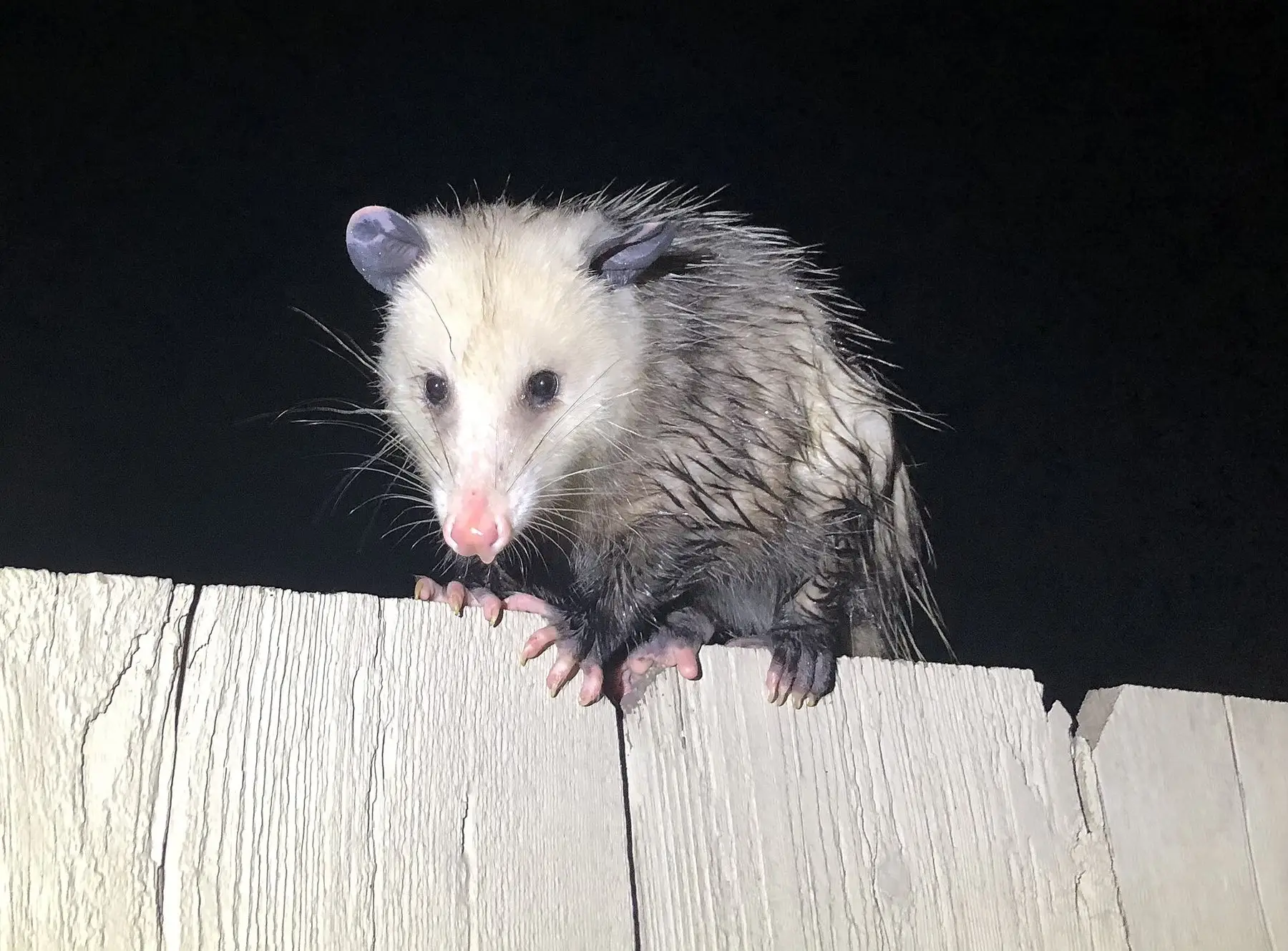
Can Possums Climb? Fences, Trees, and What Stops Them
Opossums are capable, deliberate climbers with a grasping tail built for it. What that means for fencing them out, and where they actually can't get a grip.
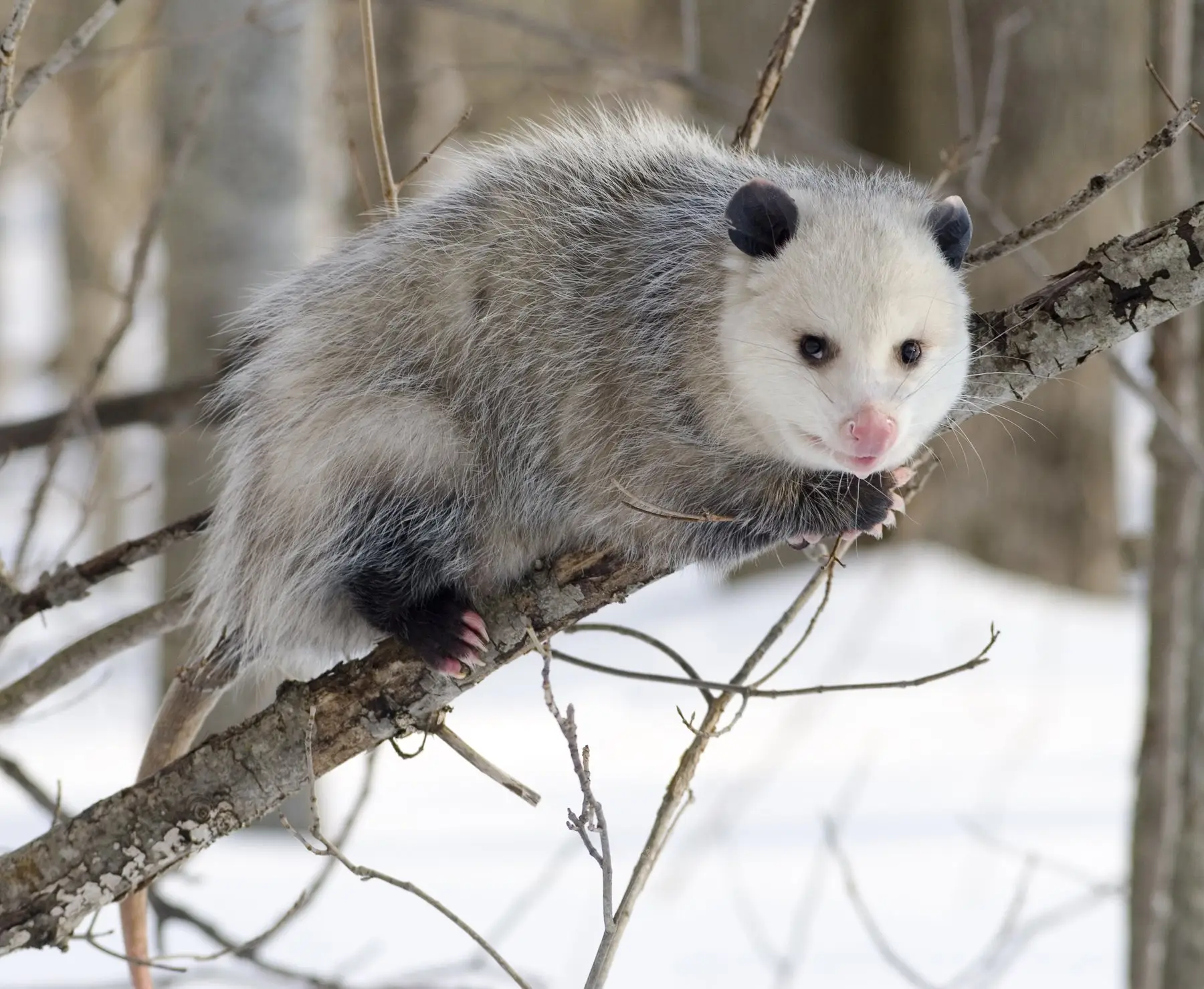
Do Possums Live Underground? Where Opossums Actually Den
Opossums use burrows but almost never dig them. What they take over, why they move every few days, and how to tell an opossum hole from a groundhog's.
Why Do Possums Play Dead? And How Long It Lasts
Playing possum is an involuntary shock state, not a decision. Why it happens, how long it lasts, and what to do with one lying in your yard.
Is It Illegal to Shoot Squirrels? It Depends Where You Are
Squirrels are game animals with seasons in most US states, and firing a weapon in town is separately illegal. What the law says, and what works instead.