
Best Goats for Meat — 4 Breeds and Why Crosses Win
The best goats for meat trade growth against hardiness. 4 breeds compared on weight gain, input and carcass. See why a cross usually beats a purebred.
 By
We may earn a commission when you buy through links on this page, at no extra cost to you.
On this page
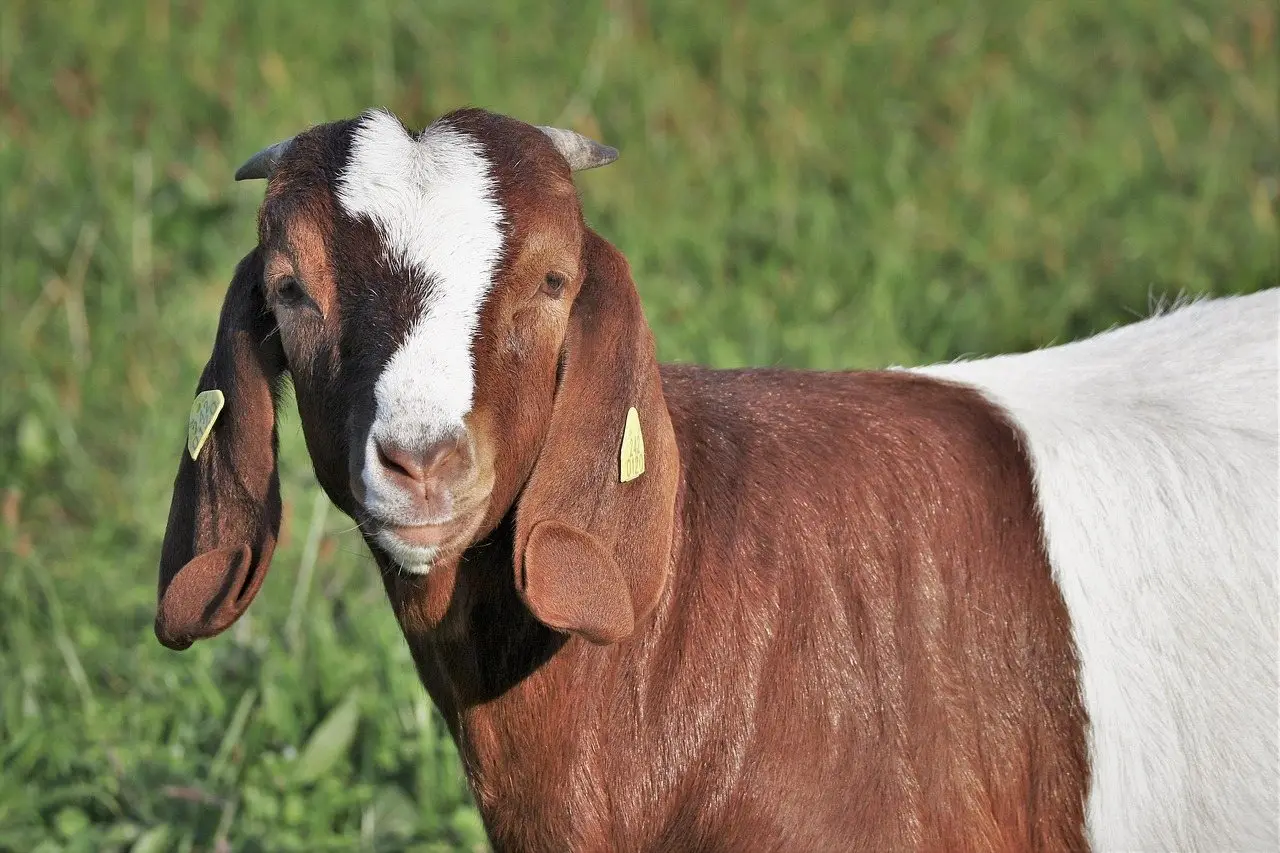
Boer grows fastest. Kiko survives on least. Spanish asks for almost nothing. And the animal most commercial producers actually run is a cross of the first over one of the other two.
The three breeds, and the trade they represent
| Boer | Kiko | Spanish | |
|---|---|---|---|
| Growth rate | Fastest | Strong | Modest |
| Carcass | Heaviest, best muscled | Good | Smallest |
| Parasite resistance | Low | High | High |
| Feed requirement | High | Low | Lowest |
| Kidding assistance | Occasionally needed | Rare | Rare |
| Handling | Easy, docile | Moderate | Difficult |
| Hooves on wet ground | Weaker | Strong | Strong |
| Stock availability | Wide | Moderate | Regional |
Why parasite resistance dominates the economics
This is the part that newcomers consistently underestimate, and it is the reason the obvious answer — buy the fastest-growing breed — is frequently wrong.
Barber pole worm (Haemonchus contortus) is a blood-feeding stomach worm and the single biggest health problem in goats across most of the world. It causes anaemia, poor growth and death, and resistance to the available drench chemistries has been building for decades, so the old approach of routine whole-herd drenching no longer works and actively accelerates the problem.
What that means in practice:
- A Boer on parasite-heavy pasture may need repeated monitoring and treatment
- A Kiko or Spanish on the same ground often needs very little
- The difference shows up as vet costs, drench costs, labour, and dead animals
- A fast-growing goat that needs constant intervention is not cheaper to raise
FAMACHA and selective treatment
Modern practice is to treat individual animals based on anaemia scoring — the FAMACHA system, which grades eyelid colour — rather than drenching the whole herd on a schedule. It slows resistance and reduces cost.
Breeds that rarely score badly are the ones that make this manageable. That is the practical value of hardiness.
Running the arithmetic before buying anything
The numbers newcomers most often have not done:
Dressing percentage is about 45 to 50 per cent. A 100 lb live goat gives roughly 45–50 lb hanging weight. Packaged meat after boning and trimming is commonly 60 to 75 per cent of that again.
So a market kid at 70 lb live produces considerably less meat than most people picture — which matters enormously if the plan is to feed a family rather than to sell.
The costs that actually sink small operations, in rough order:
- Fencing. Goats test everything. Proper fencing is the largest up-front cost and the one people under-budget most
- Predator losses — dogs, coyotes, depending on region
- Parasite management — drench, vet, labour, losses
- Shelter, which goats need more than sheep because they hate being wet
- Minerals, particularly copper, where goats have different requirements from sheep
- Feed, which is usually a smaller line than expected if pasture is good
Why the cross wins
A Boer buck over Kiko or Spanish does is the standard commercial pattern, and the logic is straightforward:
- The buck contributes growth and carcass to every kid
- The does contribute hardiness, mothering and parasite resistance, and they are the animals that live on your land year-round
- Hybrid vigour appears in precisely the traits that matter commercially — kid survival, doe longevity, growth to weaning
- You can breed your own replacements rather than buying them in
The exception is if you intend to sell breeding stock, where registration papers carry real value and purebreds make sense.
Is it profitable?
Honestly: it can be, at scale, with a market and low input costs — and frequently is not at small scale.
The variables that decide it are how many kids each doe raises to market weight, what the herd costs to keep, and whether there is a market near you paying a fair price. In many regions demand for goat meat is strong and underserved, which is the genuine opportunity. In others there is no route to market at all beyond selling to neighbours.
That calculation has to be done with your own land, your own fencing costs and your own local prices. Adopting someone else’s spreadsheet from a different state is how people end up with twenty goats and no buyer.
Starting sensibly
- Fence first. Before buying a single animal
- Start with four or five does, not twenty
- Buy from a producer whose conditions resemble yours, not from a sale barn
- Buy hardy does and one good buck rather than all purebreds
- Learn FAMACHA scoring before you need it
- Find your market before you have animals ready to sell
Our picks
| # | Pick | Best for | Where to buy |
|---|---|---|---|
| 1 | Boer | Fastest growth, best carcass | Check price for Boer → |
| 2 | Kiko | Best hardiness-to-growth balance | Check price for Kiko → |
| 3 | Spanish | Lowest input, roughest ground | |
| 4 | Boer cross on Kiko or Spanish | What most producers actually run |
Fastest growth, best carcass
Boer
The growth benchmark, and the right choice where nutrition is good and parasite pressure is manageable. As a terminal sire over hardy does it is hard to beat.
- Mature doe
- 90–110 kg
- Growth
- Fastest of the meat breeds
- Parasite resistance
- Low — the main drawback
- Temperament
- Docile, easy to handle
What we liked
- Heaviest, best-muscled carcass and the market benchmark
- Fast weight gain shortens time to market
- Docile and straightforward to handle and move
- Widely available with established breeding stock
Worth knowing
- Noticeably susceptible to barber pole worm, with the cost that implies
- Needs better nutrition than the hardy breeds to express its growth
- Hoof problems more common on wet ground
Best hardiness-to-growth balance
Kiko
What we would build a commercial herd on. You give up a little carcass weight and recover it several times over in reduced drenching and losses.
- Mature doe
- 60–80 kg
- Growth
- Strong, close behind Boer
- Parasite resistance
- High
- Temperament
- Hardy, independent
What we liked
- Selected explicitly for survival without supplementary feeding
- High parasite resistance cuts the biggest recurring cost
- Excellent mothering and very little kidding assistance
- Strong hooves — less lameness on rough or wet ground
Worth knowing
- Less muscled than a Boer, so a slightly lighter carcass
- More independent and harder to handle in a pen
- Breeding stock costs more and is less widely available
Lowest input, roughest ground
Spanish
The base to cross onto if your land is rough and your management is light. Rarely the finished product on its own.
- Mature doe
- 50–70 kg
- Growth
- Modest
- Parasite resistance
- High
- Temperament
- Independent, flighty
What we liked
- Survives and raises kids on forage that would not sustain other breeds
- Very low management requirement
- Strong foraging instinct — excellent for brush as well as meat
Worth knowing
- Smallest carcass of the three
- Hardest to handle and contain
- Regional availability varies a lot
What most producers actually run
Boer cross on Kiko or Spanish
The practical answer for producing meat rather than pedigree. A Boer buck over hardy does is the standard commercial pattern for good reason.
- Growth
- Close to Boer
- Parasite resistance
- Much better than purebred Boer
- Hybrid vigour
- Real, in survivability and mothering
- Availability
- Easy to produce yourself
What we liked
- Most of the growth advantage with much of the hardiness
- Hybrid vigour shows in kid survival and doe longevity
- You can breed replacements rather than buying them
Worth knowing
- No registration value if you want to sell breeding stock
- Variable, since crosses are less uniform than purebreds
Common questions
What is the best goat breed for meat?
Which meat goat is most parasite resistant?
How much meat do you get from a goat?
Is raising goats for meat profitable?
Should I buy purebred or crossbred meat goats?
Backyard Weekly
Know what to plant, week by week
Join the weekly email for seasonal jobs, fixes for what is going wrong, and gear worth buying.
Not ready to subscribe? The planting calendar is free and needs no email.
By subscribing you agree to our privacy policy. Grow In Backyard will never sell your address.
Keep reading
Best Tasting Goat Milk Breed — 4 Compared on Butterfat
The best tasting goat milk breed is Nubian, on butterfat. 4 breeds compared, plus the handling that matters more. See which suits your holding.

Can a Chipmunk Be a Pet? The Legal and Practical Answer
Taking a wild chipmunk is illegal in most states and a poor idea everywhere. What the law says, what captive Siberian chipmunks need, and the honest verdict.

Can a Deer Kill You? The Honest Risk, and When to Worry
Deer kill more people than bears and snakes combined — almost all in car collisions. Direct attacks are rare but real. When a deer is genuinely dangerous.
Can a Raccoon Jump? How High, How Far, and What Stops One
A raccoon jumps about 4 feet up and 4 to 5 feet across, but climbing is the real problem. What actually keeps one off a fence, a roof or a bin.