
Do Chipmunks Live Underground? Yes, in 30 ft Burrows
Do chipmunks live underground: yes, in burrow systems up to 30 ft long with separate chambers. What that means for your lawn, and why the entrance has no soil pile.
 By
On this page
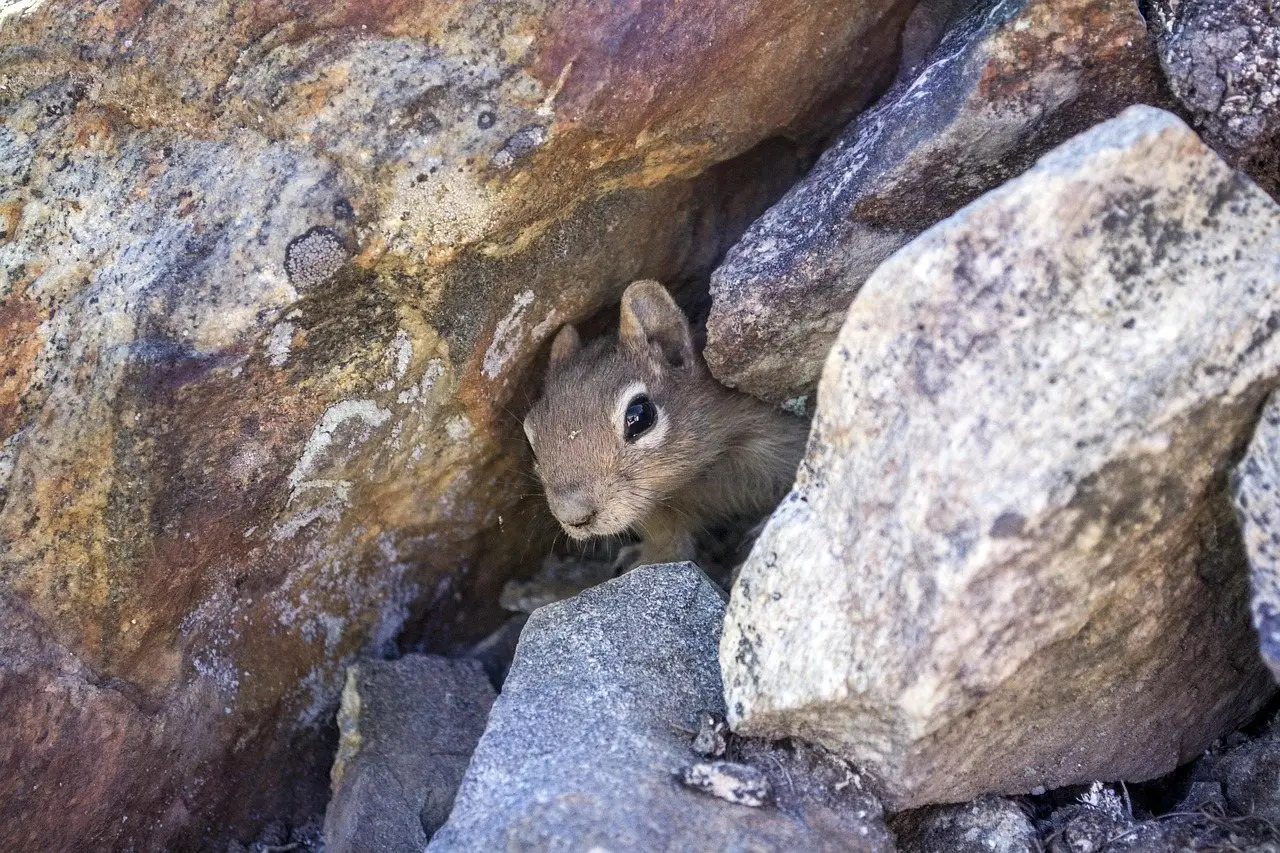
Yes — and more thoroughly than most people expect. A mature chipmunk burrow is a system of tunnels running twenty to thirty feet with separate chambers for sleeping, storing food and waste.
What a burrow actually contains
| Chamber | Purpose | Notes |
|---|---|---|
| Nest chamber | Sleeping, raising young | Lined with leaves; often enlarged over time |
| Larder | Cached nuts and seeds | The food that gets them through winter |
| Latrine | Waste, kept separate | Sometimes also shell and husk debris |
| Side tunnels | Escape routes | Usually two or more exits per system |
A first-year animal may have little more than a tunnel and a chamber. A system occupied for several seasons becomes extensive, and old side tunnels get plugged and new ones dug as it develops.
The clean hole is the giveaway
This is the single most useful identification detail, and it separates chipmunks from almost everything else that makes holes in a lawn.
A chipmunk digs with a temporary working entrance, pushing spoil out as it goes. When the tunnel is far enough along, it plugs that entrance from the inside and opens the real one elsewhere — carrying any further soil away in its cheek pouches and scattering it.
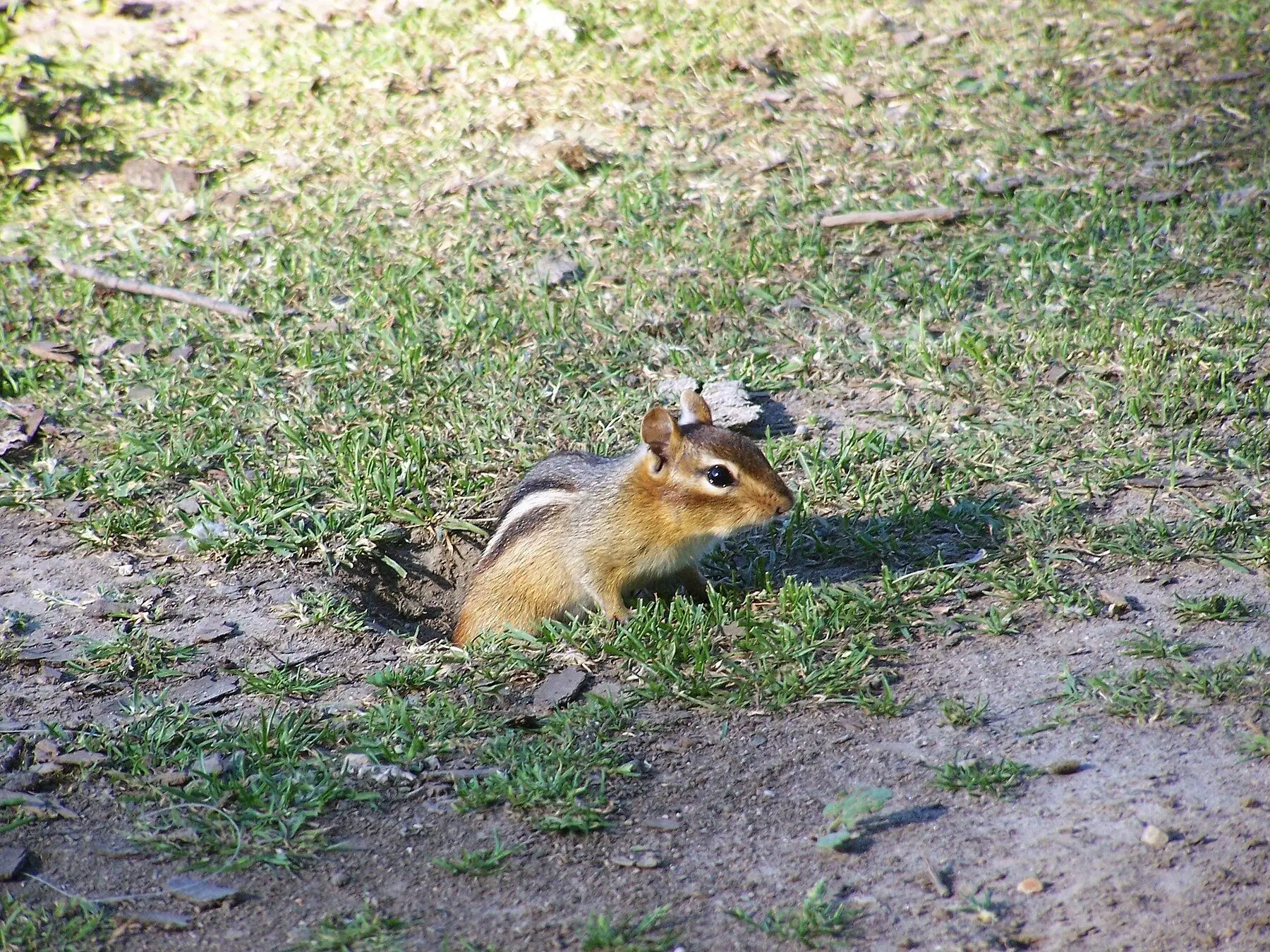
The result is a hole about two inches across with bare clean edges and no mound at all.
- Mounded soil → mole, vole or ground squirrel
- Hole larger than about 3 inches → rat or ground squirrel
- Clean 2-inch hole, no mound → chipmunk
Note
Chipmunk holes appear most often at the edge of something — under a step, beside a wall, at the margin of a patio, against a foundation or under a woodpile. They want a solid roof over the tunnel mouth. A hole in the open middle of a lawn is more likely something else.
Whether it matters
Mostly it does not, and the structural fear is overstated. Chipmunks exploit voids that already exist rather than mining through sound material.
The genuine problems are secondary:
- Soil washing out from under a patio slab or path, which then settles
- Retaining wall backfill escaping through tunnels, which weakens the wall over years
- Bulbs and seedlings, which is the real garden complaint and has nothing to do with the burrow
If a structure is already losing material to water, a chipmunk tunnel gives the water a route and accelerates it. If it is not, the tunnel is very unlikely to cause anything by itself.
Winter, and why they cache so hard
Chipmunks do not hibernate in the way a woodchuck does. They enter torpor — body temperature and heart rate drop, but they rouse every few days, eat from the larder chamber, use the latrine, and go back under.
That is why autumn caching is so frantic: the stored food is the entire winter strategy. An animal that fails to fill its larder does not survive on body fat, because it has not laid any down.
It also explains the occasional chipmunk above ground on a mild January day. It is not confused — it is awake between torpor bouts and taking the opportunity.
Common questions
How deep do chipmunk burrows go?
Why is there no pile of soil at a chipmunk hole?
Do chipmunks damage foundations?
Do chipmunks hibernate in their burrows?
How many chipmunks live in one burrow?
Backyard Weekly
Know what to plant, week by week
Join the weekly email for seasonal jobs, fixes for what is going wrong, and gear worth buying.
Not ready to subscribe? The planting calendar is free and needs no email.
By subscribing you agree to our privacy policy. Grow In Backyard will never sell your address.
Keep reading
How to Fill Chipmunk Holes (and Why Filling Rarely Works)
A chipmunk reopens a filled hole in a day. What actually stops the tunnelling, how to tell a chipmunk hole from a vole or rat hole, and when to worry.
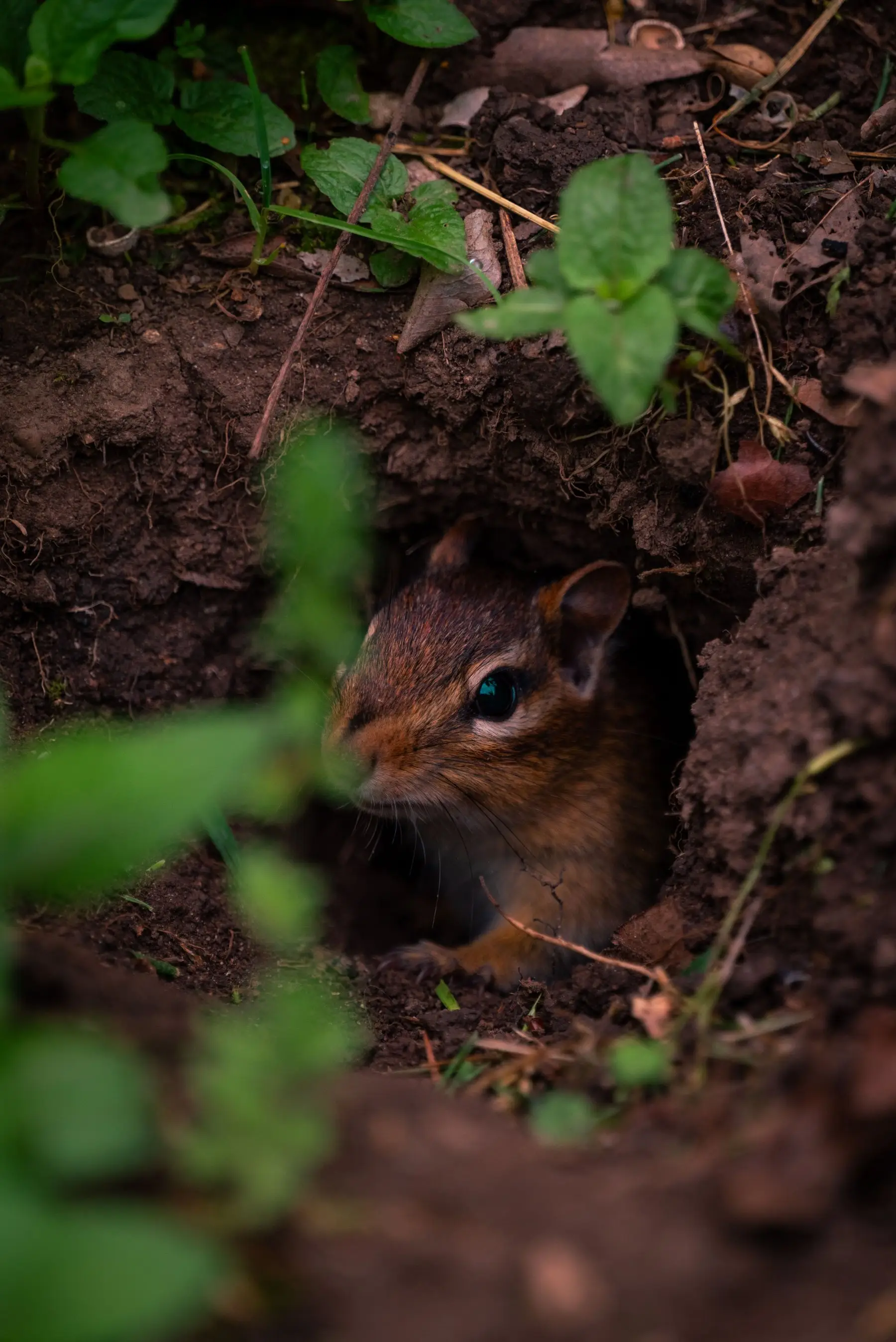
Where Do Chipmunks Sleep? Inside a Burrow You Never See
Chipmunks sleep in a nest chamber deep in a burrow system with a hidden entrance. How the tunnels are built, and what they do through the winter.
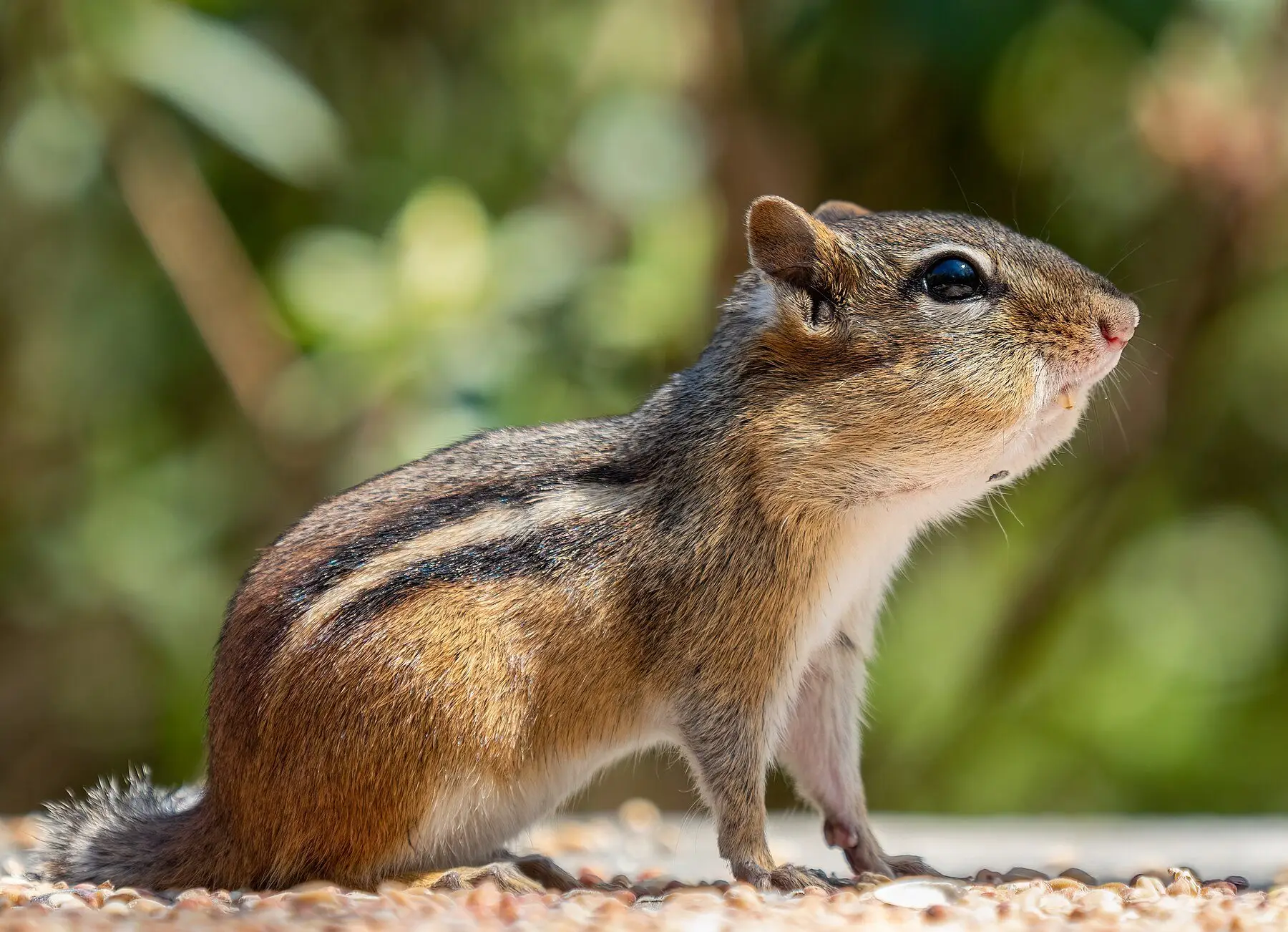
When Are Chipmunks Most Active? Daily and Seasonal Patterns
Chipmunks are strictly daytime animals with morning and late-afternoon peaks. Why they vanish in midsummer, and why a January sighting is normal.
Do Deer Attack Humans? Rarely, But Not Never
Deer injure more people than most wild animals in North America — almost all of it in autumn rut or from a doe with a fawn. What provokes it and what to do.