
Are Begonias Deer Resistant? Mostly Yes, With Caveats
Begonias are among the more reliably deer-resistant bedding plants, thanks to bitter sap and fleshy leaves. Why hungry deer still browse them sometimes.
 By
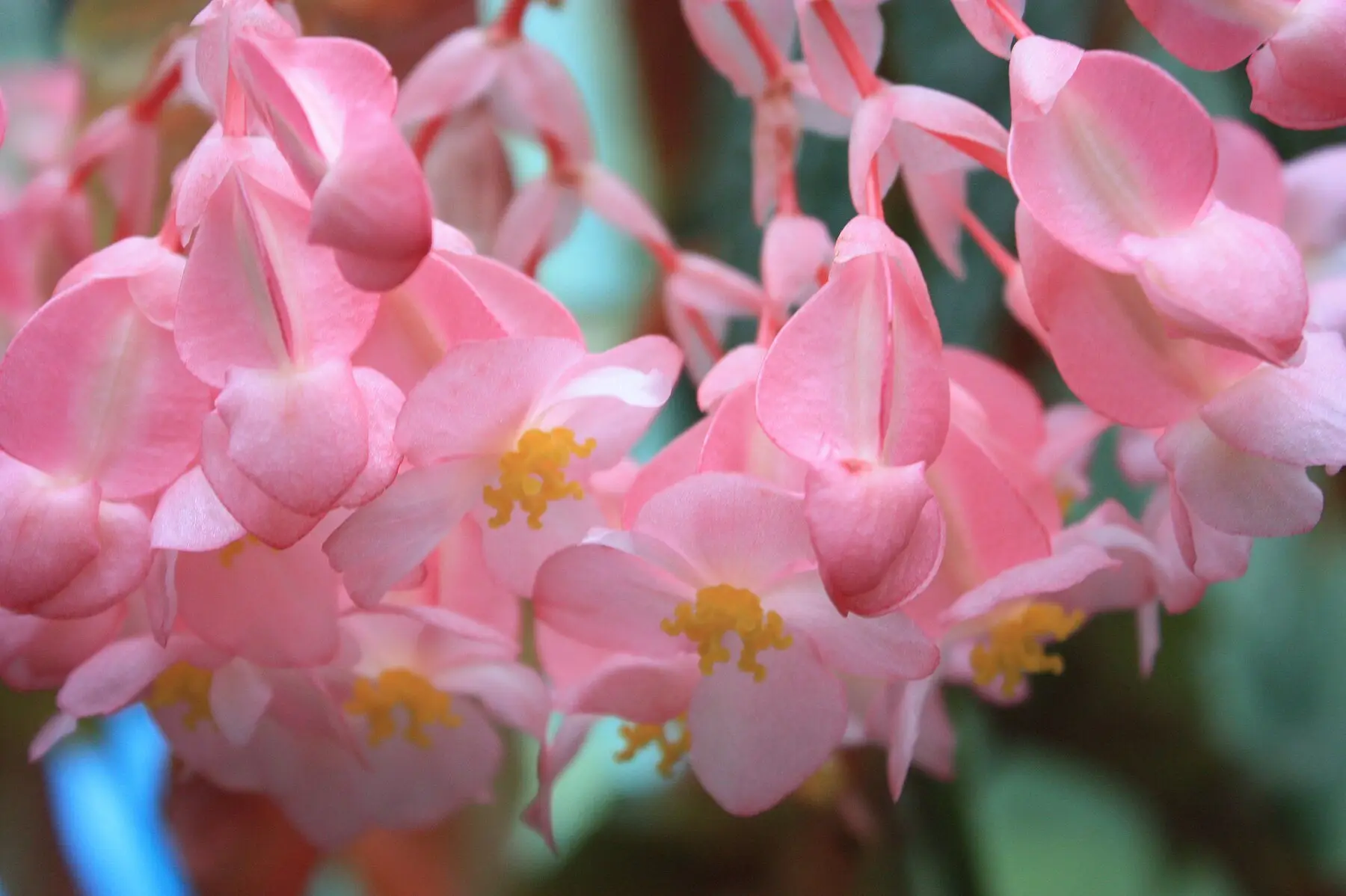

On this page
Mostly yes. Begonias sit near the top of most extension services’ “rarely damaged” lists, and the reason is chemical: the sap contains oxalic acid, which is bitter and irritating in a deer’s mouth. The fleshy leaves do not help either.
Where begonias sit on the scale
Extension services rate plants on a scale rather than a yes/no, because deer pressure varies enormously by place and season.
| Rating | Plants |
|---|---|
| Rarely damaged | Begonia, ageratum, sweet alyssum, dusty miller, marigold, snapdragon, salvia, lantana, vinca |
| Seldom damaged | Zinnia, cosmos, verbena, nicotiana |
| Occasionally damaged | Petunia, geranium, coleus |
| Frequently damaged | Impatiens, pansy, hosta, daylily, tulip |
Begonias are in the best category. Note the neighbour they are most often confused with in a shady bed: impatiens are in the worst one, so a shade border that mixes both will look as though the deer are picking through it selectively — because they are.
Why deer avoid them
Oxalic acid. It is the same compound that makes rhubarb leaves and sorrel sharp, and it is present throughout begonia foliage and stems. To a browsing deer it is immediately unpleasant, and one mouthful is usually enough to teach avoidance.
Texture. Deer prefer tender, high-moisture growth they can strip quickly. Begonia stems are thick, succulent and awkward rather than leafy.
No strong draw. Unlike hostas or daylilies, begonias are not on the short list of plants deer will detour for.
Oxalic acid matters for pets too
The same compound makes begonias — the tubers especially — toxic to dogs, cats and horses if eaten in quantity, causing mouth irritation, drooling and vomiting. Worth knowing before you plant a bed a puppy digs in.
When they do get eaten
Four situations account for nearly all of it:
- Late winter and early spring. Preferred browse is gone and the animals are in the leanest part of the year. Almost nothing is safe then.
- High deer density. Where the population is well above what the habitat supports, the “rarely damaged” list compresses toward nothing.
- Young deer sampling. Fawns test plants they will avoid as adults. A single bitten stem and then nothing is usually this.
- Flowers on tuberous begonias. Large soft blooms get taken even where foliage is ignored. If a border has to look pristine, the smaller-flowered wax begonias are safer.
Check it is actually deer
This is worth ten seconds before you buy a repellent.
| What you see | Culprit |
|---|---|
| Ragged, torn stem ends, damage above ~18 in | Deer — they have no upper incisors and tear |
| Clean angled cuts, low down, near ground level | Rabbits |
| Ragged holes in leaves, slime trails, overnight | Slugs and snails |
| Seedlings sheared off at soil level | Cutworms |
| Flowers stripped, foliage untouched | Earwigs, birds, or deer on tuberous types |
| Plants dug up and tipped out of pots | Squirrels |
Building the bed around them
Deer-resistant planting works best as a whole bed, not one plant. A single resistant species surrounded by favourites just means the deer walk past it.
Pair begonias with, for sun to part shade: ageratum, sweet alyssum, snapdragon, marigold, salvia, dusty miller, lantana, vinca.
For shade: ferns, astilbe, lamium, brunnera, hellebore, heuchera.
Keep out of the same bed: hosta, daylily, tulip, impatiens, arborvitae. These are the plants that bring deer into the area in the first place.
And the honest limit
Planting choice changes what gets eaten. It does not change whether deer come. If the goal is fewer deer rather than fewer losses, the only reliable answer is a physical barrier — proper deer fencing at 8 feet or more, or a fenced enclosure around the beds that matter — combined with removing other attractants.
Repellent sprays help at the margins, but they need reapplying after rain and as new growth appears, and deer habituate to any single one. Rotating two different types works better than trusting one.
Common questions
Are begonias deer resistant?
Do deer ever eat begonias?
Which begonias are most deer resistant?
What else is eating my begonias if not deer?
What should I plant with begonias for a deer-resistant bed?
Do deer-resistant plants stop deer coming into the yard?
Backyard Weekly
Know what to plant, week by week
Join the weekly email for seasonal jobs, fixes for what is going wrong, and gear worth buying.
Not ready to subscribe? The planting calendar is free and needs no email.
By subscribing you agree to our privacy policy. Grow In Backyard will never sell your address.
Keep reading
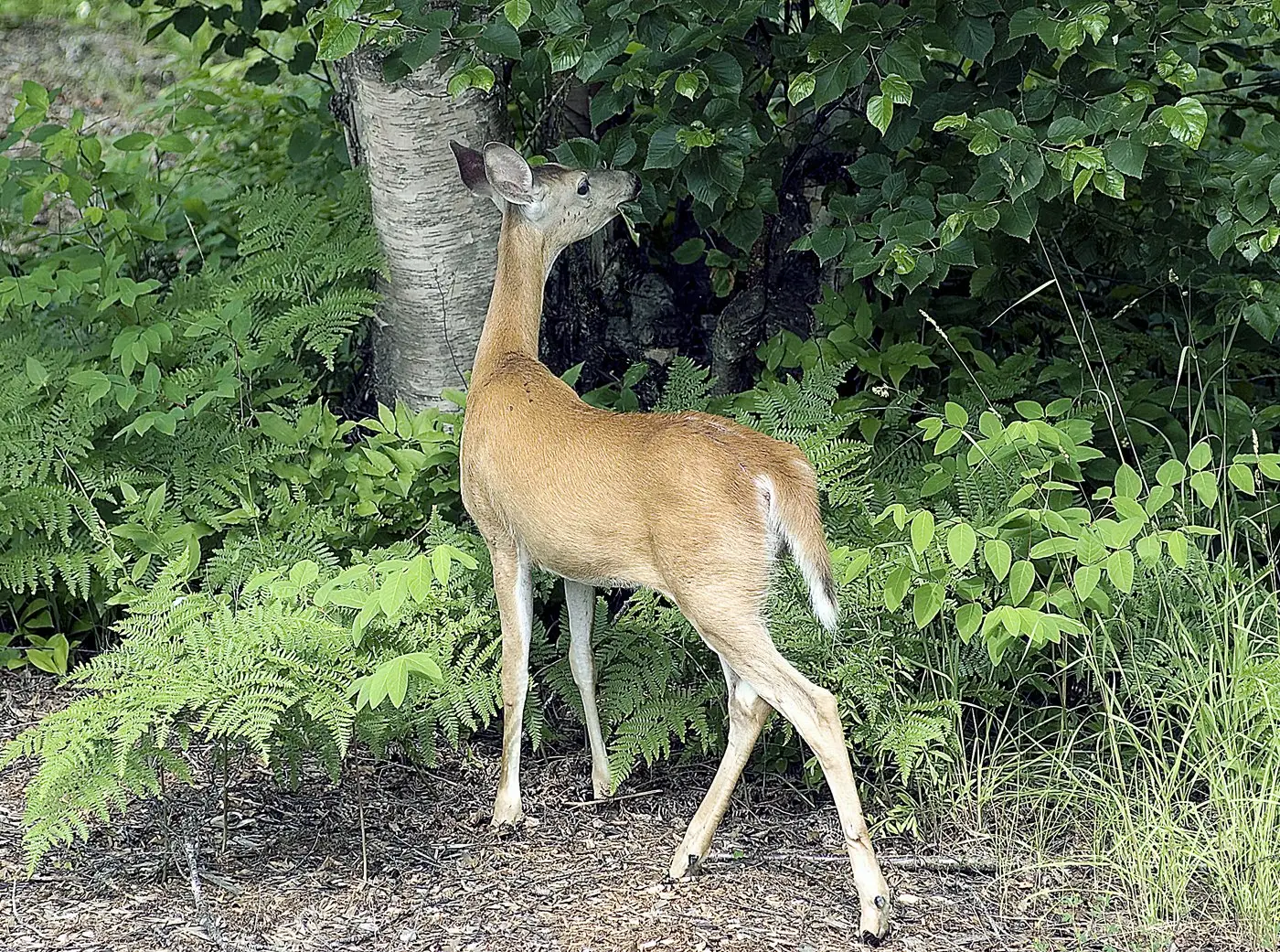
What Do Deer Eat? Garden Plants and What Not to Feed Them
Deer will eat far more of a garden than most plant lists admit, and a few backyard treats are genuinely dangerous. What is safe to feed, and what to skip.
How to Attract Deer to Your Property (Legally and Well)
Deer come for food, water, cover and quiet — in that order. What to plant, what they actually like, and why baiting is the wrong first move.
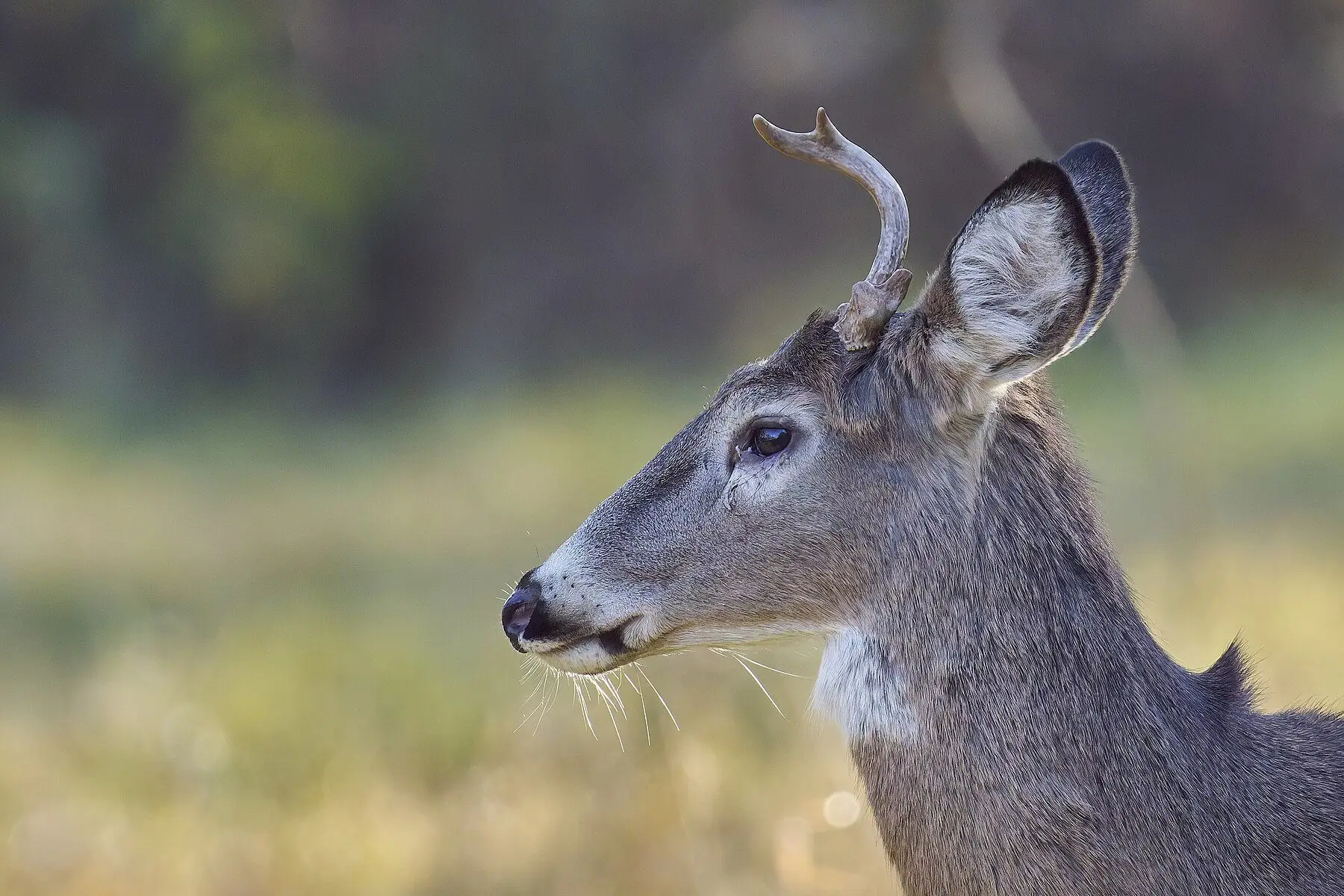
Do Deer Attack Humans? Rarely, But Not Never
Deer injure more people than most wild animals in North America — almost all of it in autumn rut or from a doe with a fawn. What provokes it and what to do.
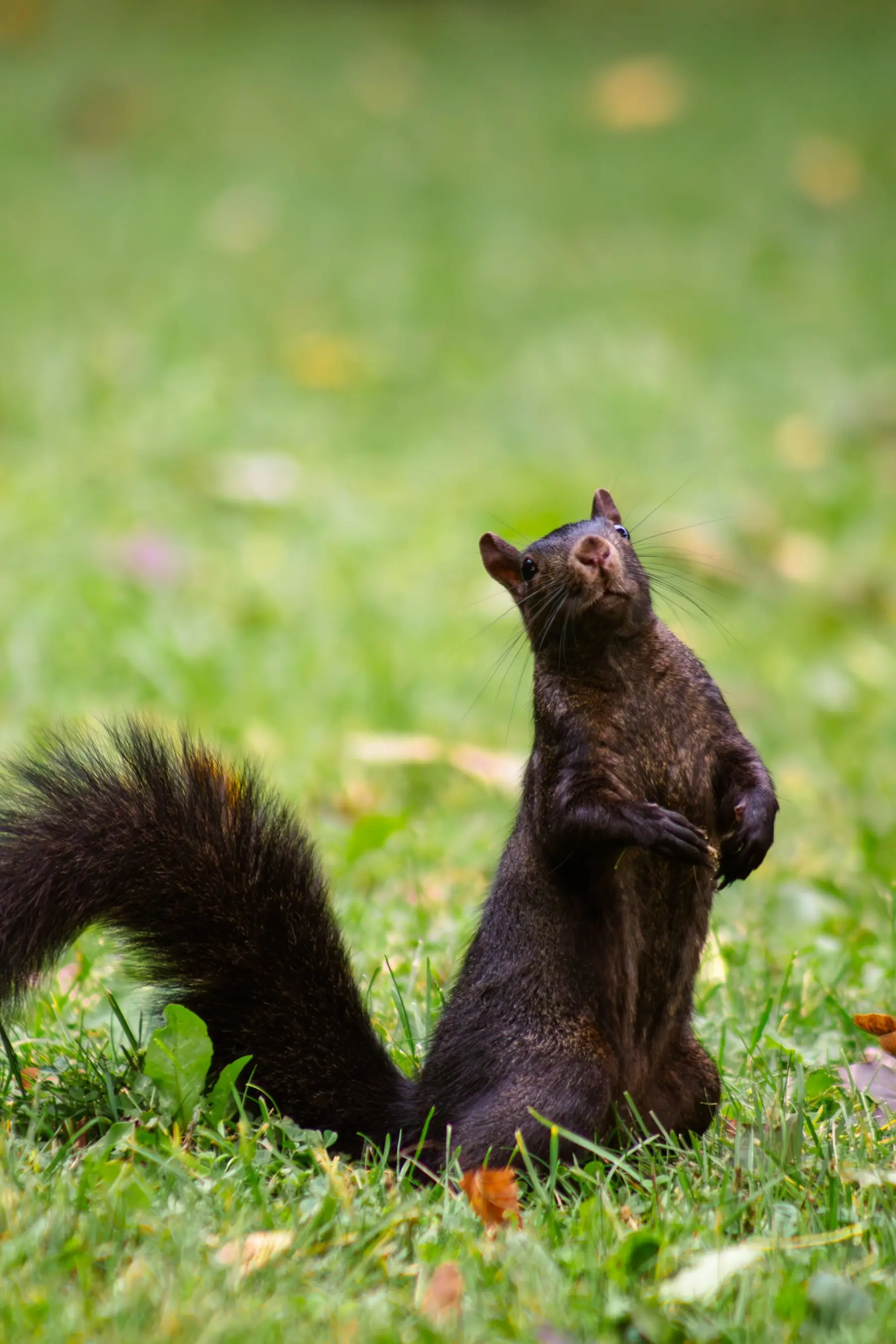
Are Black Squirrels Rare? Common in Some Towns, Absent Elsewhere
Black squirrels are grey squirrels with a pigment variant, not a separate species. Why they cluster in particular towns and what the colour buys them.