
What Attracts Lightning Bugs? Darkness, Damp and Long Grass
Fireflies need unlit, undisturbed, damp ground with leaf litter and long grass. What actually draws them in, and why porch lights drive them out.
 By
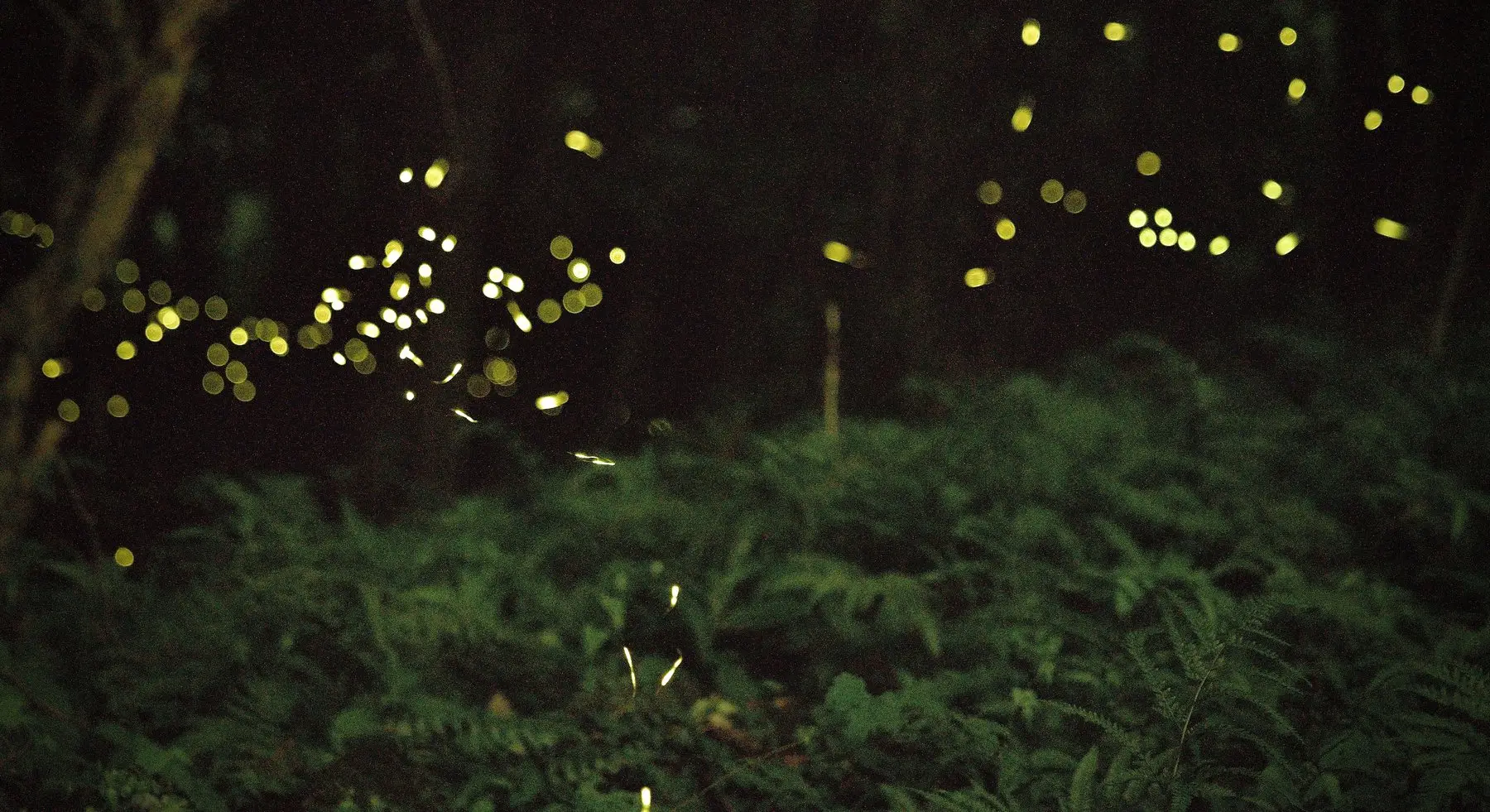
On this page
Dark, damp and untidy. Every one of the three is something most gardens actively work against — which is why fireflies have quietly disappeared from so many of them.
Why light is the big one
Fireflies talk to each other in flashes. A male signals, a female of the same species answers with a precisely timed reply, and they find each other in the dark.
Ambient light breaks that conversation. A single porch light or path light raises background brightness enough that flashes stop registering, and the display simply fails.
The highest-leverage change is a switch
Turn outdoor lights off through early and midsummer. If you need lighting, make it warm-coloured, shielded so it points down, and on a motion sensor so it is dark by default.
This costs nothing and does more than any planting.
What the larvae need, which is the real answer
Adults live a few weeks. Larvae live one to two years — so the garden has to support the larval stage or nothing follows.
| Supports fireflies | Does not | |
|---|---|---|
| Lighting | Dark through the season | Porch, path and security lights |
| Grass | Long, at least in strips | Closely mown throughout |
| Leaf litter | Left in place | Cleared and binned |
| Moisture | Damp ground, a pond, a ditch | Sharp drainage everywhere |
| Wood | Log piles left to rot | Removed |
| Sprays | None | Insecticides; slug pellets |
The larvae are predators — they hunt slugs, snails and worms in that damp layer. Which means two things: a garden with slugs has firefly food, and pesticides remove both the larvae and what they eat.
What to actually do
- Leave a strip unmown through the season. Even a narrow one along a hedge or fence
- Stop clearing leaf litter from at least one corner
- Let a log pile rot rather than tidying it away
- Keep something damp — a pond, a boggy corner, or just an area that does not drain hard
- Plant natives and low shrubs at the edges, where fireflies gather
- Stop spraying, including slug pellets
When to look
Early to midsummer, in the hour after dusk. Best on warm, humid, still evenings — and near edges rather than in the open: woodland margins, hedge lines, long grass beside water.
Wind, cold snaps and drought all shut the display down, so an empty garden one night can be full a week later. Give it a few evenings before concluding they are gone.
Common questions
What attracts lightning bugs to a yard?
Why are there no fireflies in my yard?
Are lightning bugs attracted to light?
What do fireflies eat?
Does long grass really help?
When and where do you see them?
Backyard Weekly
Know what to plant, week by week
Join the weekly email for seasonal jobs, fixes for what is going wrong, and gear worth buying.
Not ready to subscribe? The planting calendar is free and needs no email.
By subscribing you agree to our privacy policy. Grow In Backyard will never sell your address.
Keep reading
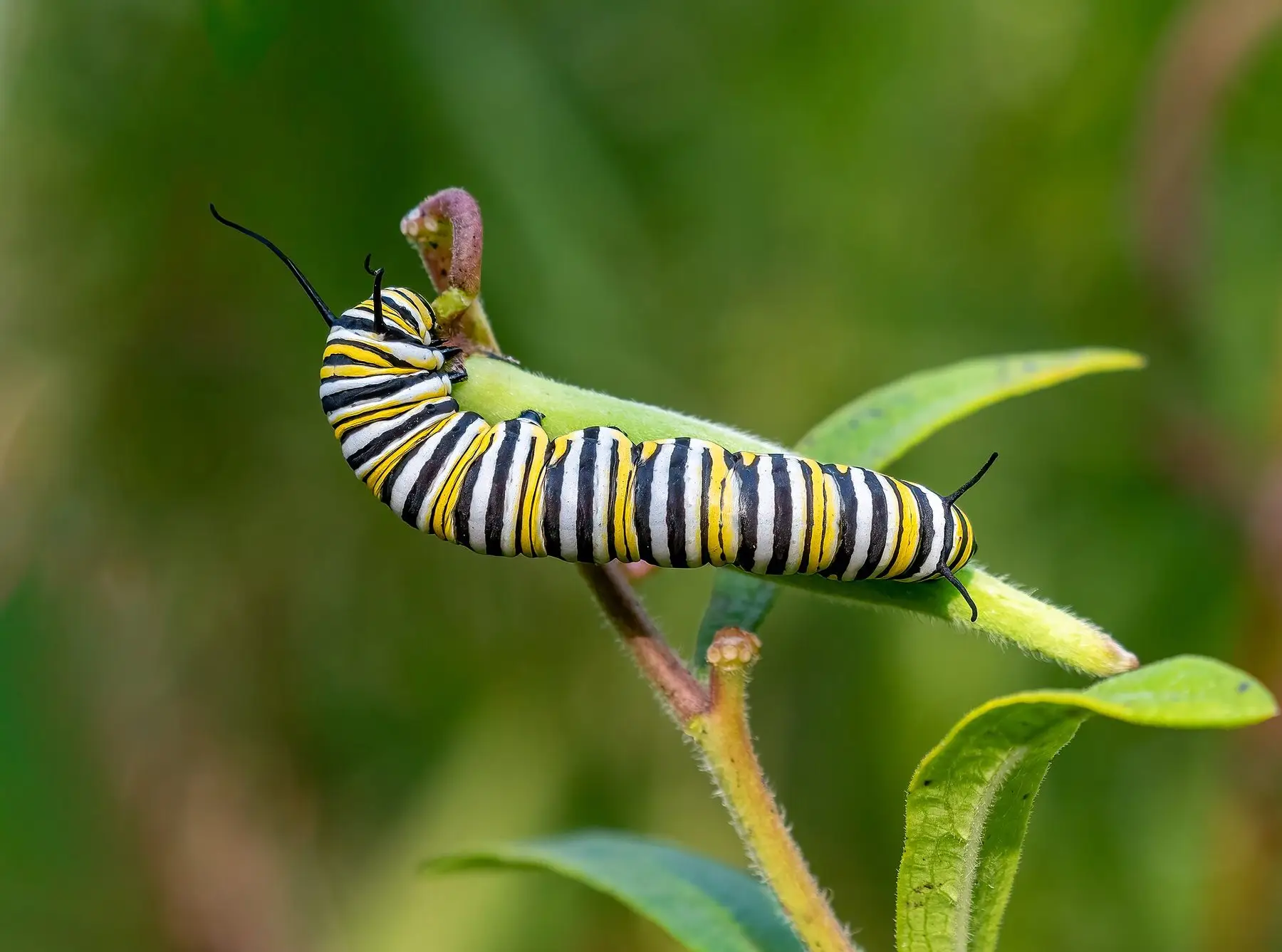
What Butterflies Need to Survive in a Backyard
Nectar flowers feed adult butterflies but cannot raise any. Caterpillars only eat specific host plants — that gap is why most butterfly gardens stay empty.
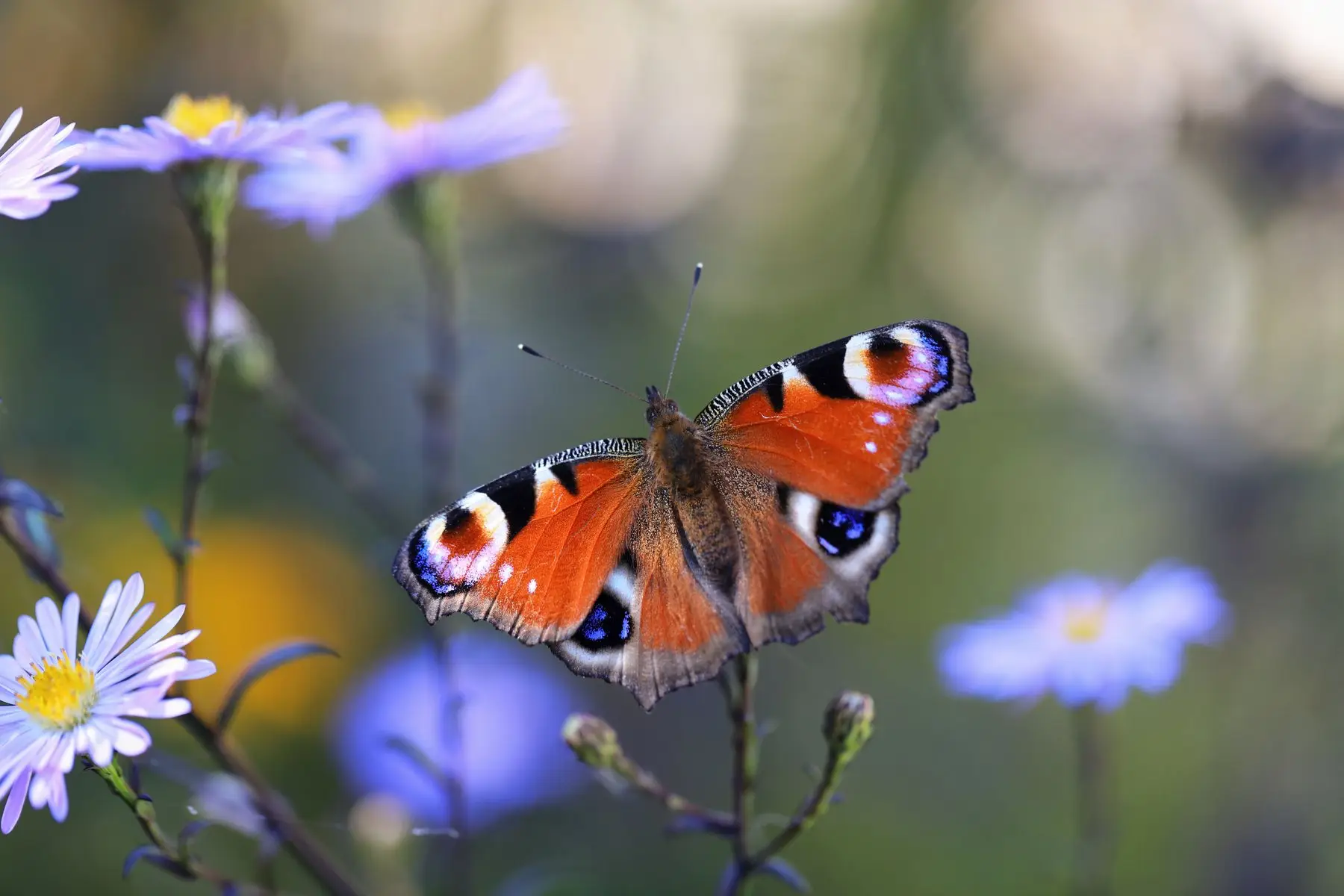
Are Butterflies Attracted to Light? Moths Are, They Aren't
Butterflies fly by day and are not drawn to lamps — moths are. What actually pulls butterflies in, and why night lighting still harms them.
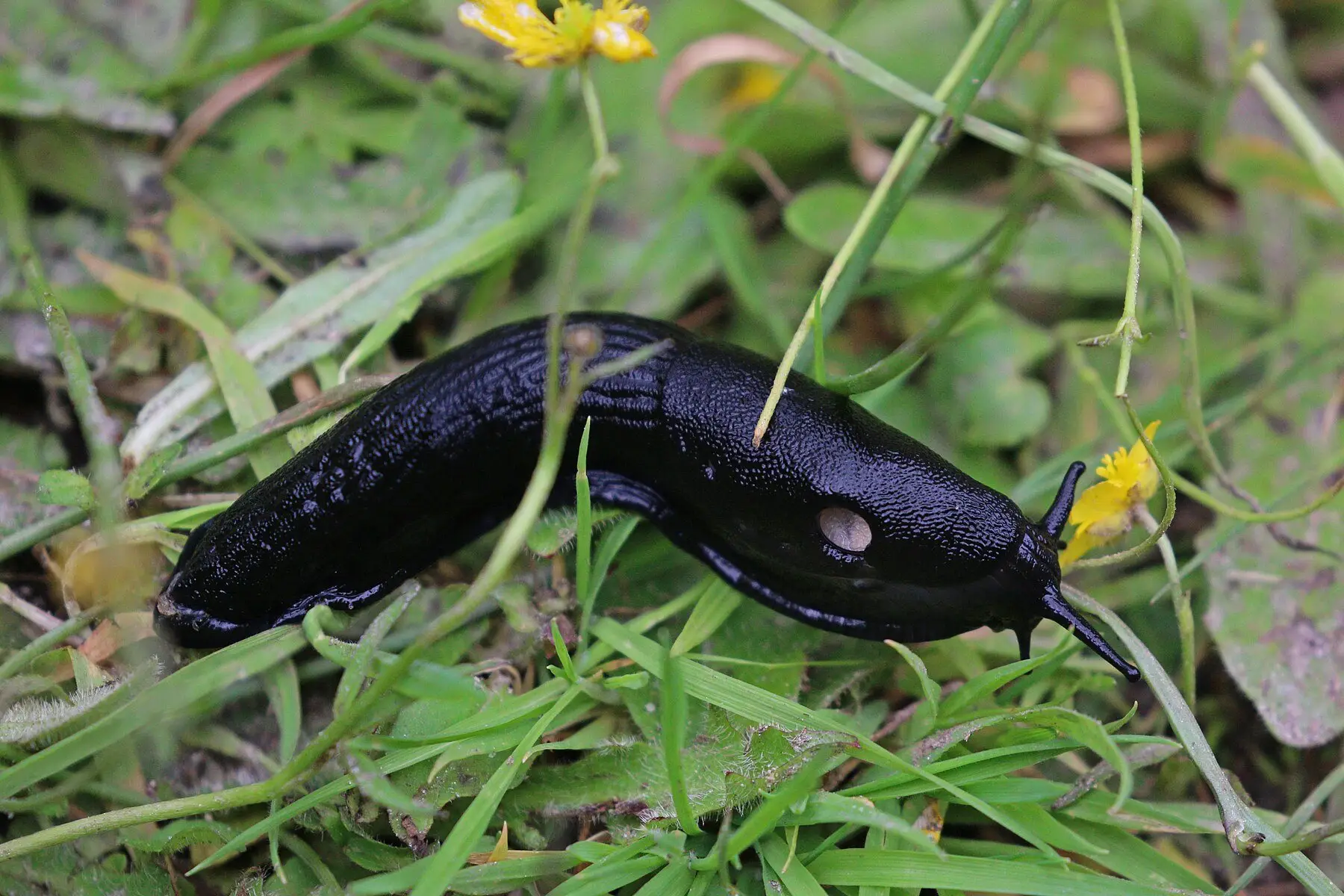
Where Do Slugs Live, and Where Do They Go in the Day?
Slugs spend daylight underground or under damp cover within feet of where they feed. Where to look, and why finding the shelter beats any barrier.
What Chipmunks Should Not Eat: Bread, Nuts and Salt
Bread, salted nuts and chocolate do real harm to chipmunks. Which common garden offerings are safe, which are not, and why feeding them backfires anyway.