What Butterflies Need to Survive in a Backyard
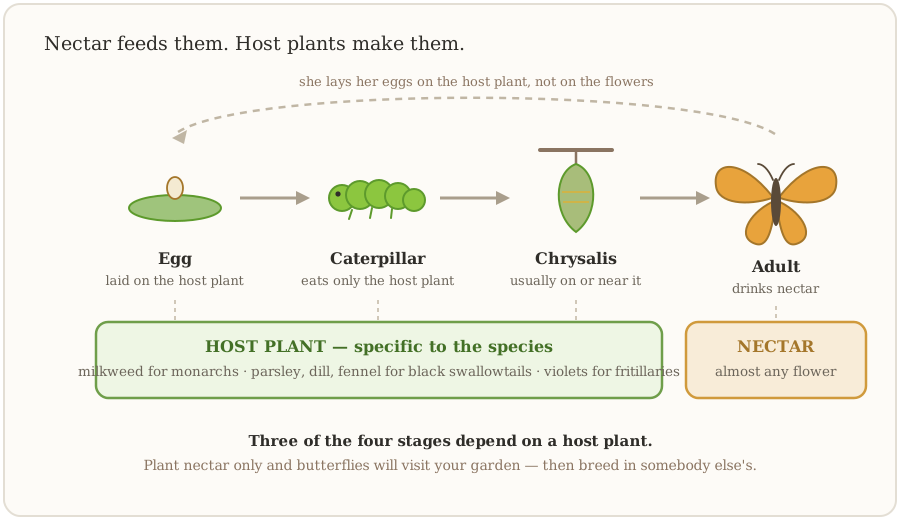
Nectar flowers feed adult butterflies but cannot raise any. Caterpillars only eat specific host plants — that gap is why most butterfly gardens stay empty.
.jpg)
On this page
Most butterfly gardens are built on half the requirement. They are full of nectar-rich flowers, which feed adult butterflies beautifully — and cannot produce a single new one.
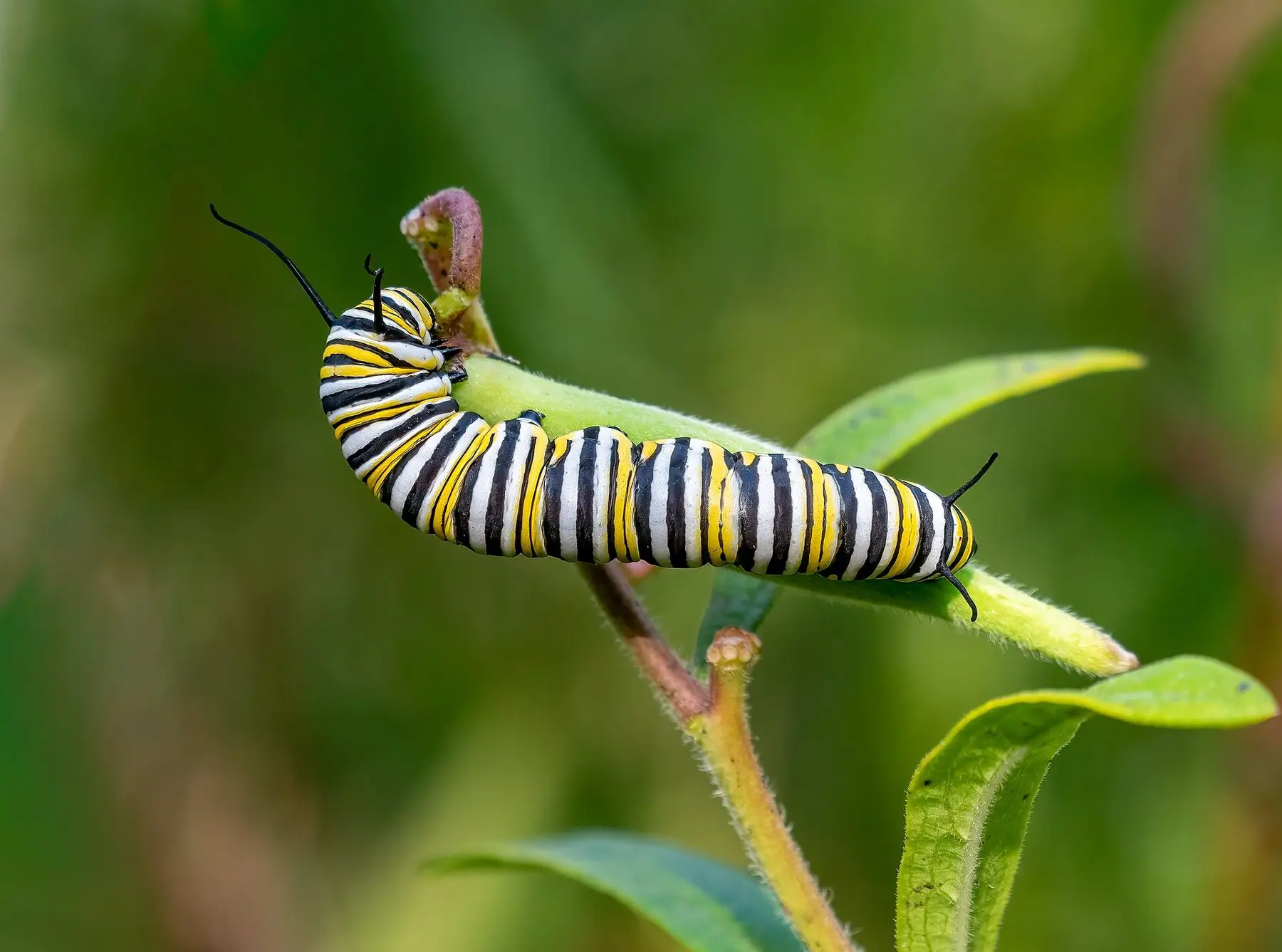
A butterfly spends the large majority of its life as a caterpillar, and caterpillars do not drink nectar. They eat leaves, and for most species, the leaves of a very short list of plants. Supply nectar alone and you get visitors. Supply host plants and you get a population.
The gap nobody mentions
Adult butterflies are generalists. Nectar is nectar, and a coneflower will feed almost anything with a proboscis.
Caterpillars are the opposite. Over evolutionary time each species has specialised on plants whose chemical defences it can tolerate, and it cannot switch. A monarch caterpillar placed on anything other than milkweed will starve beside perfectly good leaves.
That specificity is why the female’s job is not finding flowers but finding the right plant to lay on. If it is not in your garden, she lays elsewhere — and everything you planted fed her for an afternoon and contributed nothing to the next generation.
| Butterfly | Caterpillars eat | Notes |
|---|---|---|
| Monarch | Milkweed only (Asclepias) | Plant species native to your region |
| Black swallowtail | Parsley, dill, fennel, carrot tops | Grow extra and expect them chewed |
| Eastern tiger swallowtail | Tulip tree, wild cherry, willow | A tree job, not a border job |
| Painted lady | Thistle, mallow, hollyhock | Among the least fussy |
| Great spangled fritillary | Violets | Lays near them, not on them |
| Red admiral | Nettles | A patch of nettles is genuinely useful |
| Gulf fritillary | Passionflower vine | Southern states |
| Cabbage white | Brassicas | The one you may not want to encourage |
Plant the parsley twice
The awkward part of hosting swallowtails is that the host plants are herbs you also want to eat. The workable answer is to plant a second patch of parsley, dill, or fennel somewhere out of the way and treat it as caterpillar food. Ragged, stripped stems mean it is working.
Nectar for the adults
Adults need a nectar supply that runs from spring to hard frost, not just a midsummer peak. Late nectar matters especially — migrating monarchs and overwintering species need fuel in September and October, when most gardens have finished.
Some practical points that matter more than the specific list:
- Plant in blocks, not singles. Butterflies find and work drifts of one flower far more readily than scattered individual plants.
- Flat or clustered flower heads — coneflowers, yarrow, joe-pye weed, asters, zinnias — give somewhere to land. Deep tubular flowers bred for hummingbirds are much less useful.
- Prefer single flowers over doubles. Many double-flowered cultivars have had their nectaries bred away, so they look generous and offer nothing.
- Include natives. Native asters and goldenrods in particular carry the late season, and goldenrod does not cause hay fever — that is ragweed, flowering at the same time.
Sun, shelter, and warmth
Butterflies are ectothermic and cannot fly until their flight muscles are warm, which is why they bask with wings spread on cool mornings. A garden with no morning sun gets far fewer of them.
Give them a sunny, sheltered spot — sun for most of the day, and a hedge, fence, or shrub band on the windward side. Butterflies are poor fliers in wind and simply avoid exposed ground. A few flat stones or a bare patch of soil in full sun gives them somewhere to bask.
Water, done correctly
They do not drink from open water and can drown in a birdbath. What they do is puddle: settling on damp sand or mud to take up dissolved salts and minerals, a behaviour especially associated with males.
A shallow dish or saucer filled with coarse sand, kept damp, sunk to soil level in a sunny spot, does more than any water feature. A pinch of sea salt mixed in occasionally makes it more attractive still.
Insecticides, including the ones sold as safe
Caterpillars are insects, and insecticides do not distinguish between the ones you want and the ones you do not. This includes several products marketed as organic — Bacillus thuringiensis (Bt) is specifically a caterpillar killer, and spinosad and pyrethrin are broad-spectrum. Neonicotinoids are worse again, because they are systemic: they move into leaf tissue, nectar, and pollen, and persist for months. A garden that is sprayed is not a butterfly garden, whatever is planted in it.
Somewhere to overwinter
Butterflies spend the winter somewhere in your garden — as eggs, caterpillars, chrysalises, or, for species like mourning cloaks and commas, as adults tucked into bark and log piles.
That makes autumn tidying the quiet killer. Cutting every stem to the ground, clearing all leaf litter, and removing dead wood removes the overwintering generation along with it. Leaving seed heads standing through winter, keeping leaf litter under shrubs, and delaying the spring cutback until temperatures are consistently mild costs nothing and preserves next year’s butterflies.
What success looks like
Chewed leaves. A butterfly garden that is working has ragged, holed host plants, because something is eating them — that is the entire point. If your milkweed is pristine and your parsley is immaculate, you have built a very pretty feeding station and nothing is breeding there.
Common questions
What do butterflies need to survive?
What is the difference between a host plant and a nectar plant?
What plants attract the most butterflies?
Do butterflies need water?
Why do I see butterflies but never caterpillars?
Backyard Weekly
Know what to plant, week by week
Free planting calendar. Join the weekly email for seasonal jobs, fixes for what is going wrong, and gear worth buying.
Set MONETIZATION.email.endpoint in src/config/site.ts to enable this form.
By subscribing you agree to our privacy policy. Grow In Backyard will never sell your address.
Keep reading
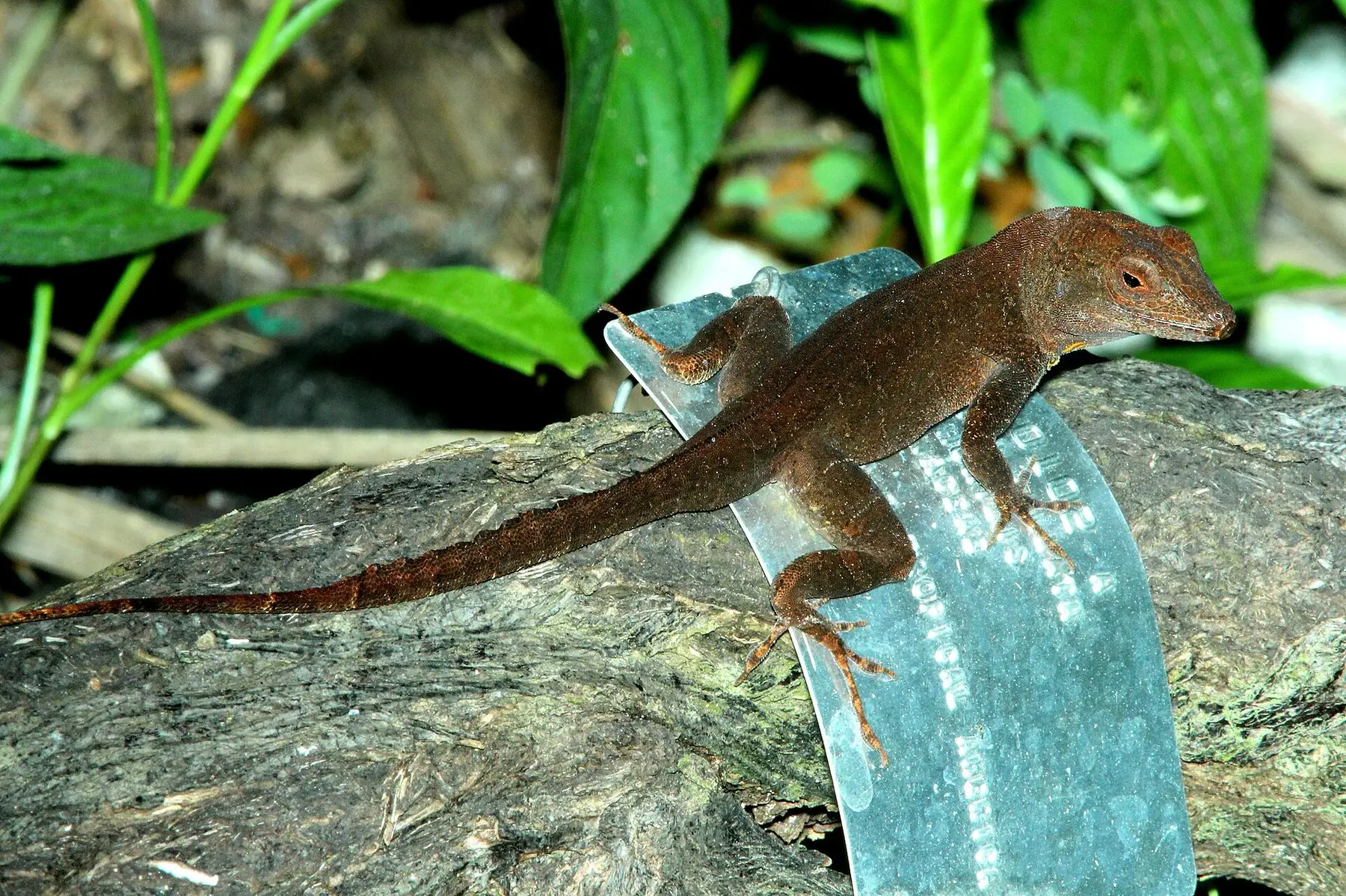
What Do Backyard Lizards Actually Eat?
Wild lizards in a garden are almost entirely insect-eaters, not the varied diet pet-care sites describe. What they hunt, and what draws more of them to your yard.
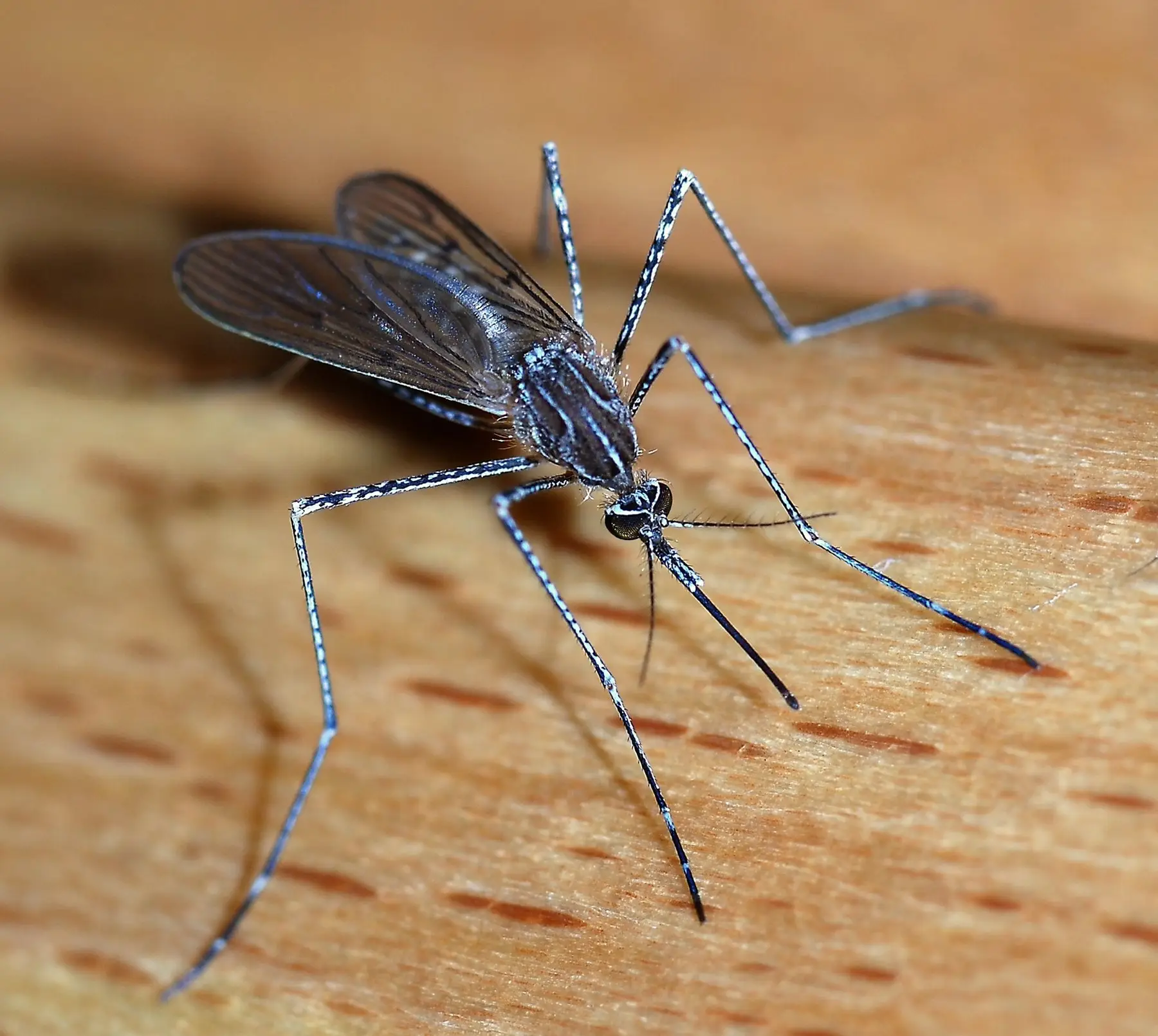
Plants That Repel Mosquitoes (and What Actually Works)
Most mosquito-repelling plants do nothing while they sit in a pot. Which ones have real repellent compounds, how to actually release them, and what to do instead.
Garden Decor Ideas That Don't Look Cluttered in a Year
Most backyard decor gets added piece by piece until the yard looks like a garden center. A short list of what earns its place, and what to skip.
Are Corn Snakes Poisonous? No, and Not Venomous Either
Corn snakes are harmless constrictors often killed on sight because they mimic copperheads. How to tell them apart, and why one is worth keeping around.