What Do Backyard Lizards Actually Eat?
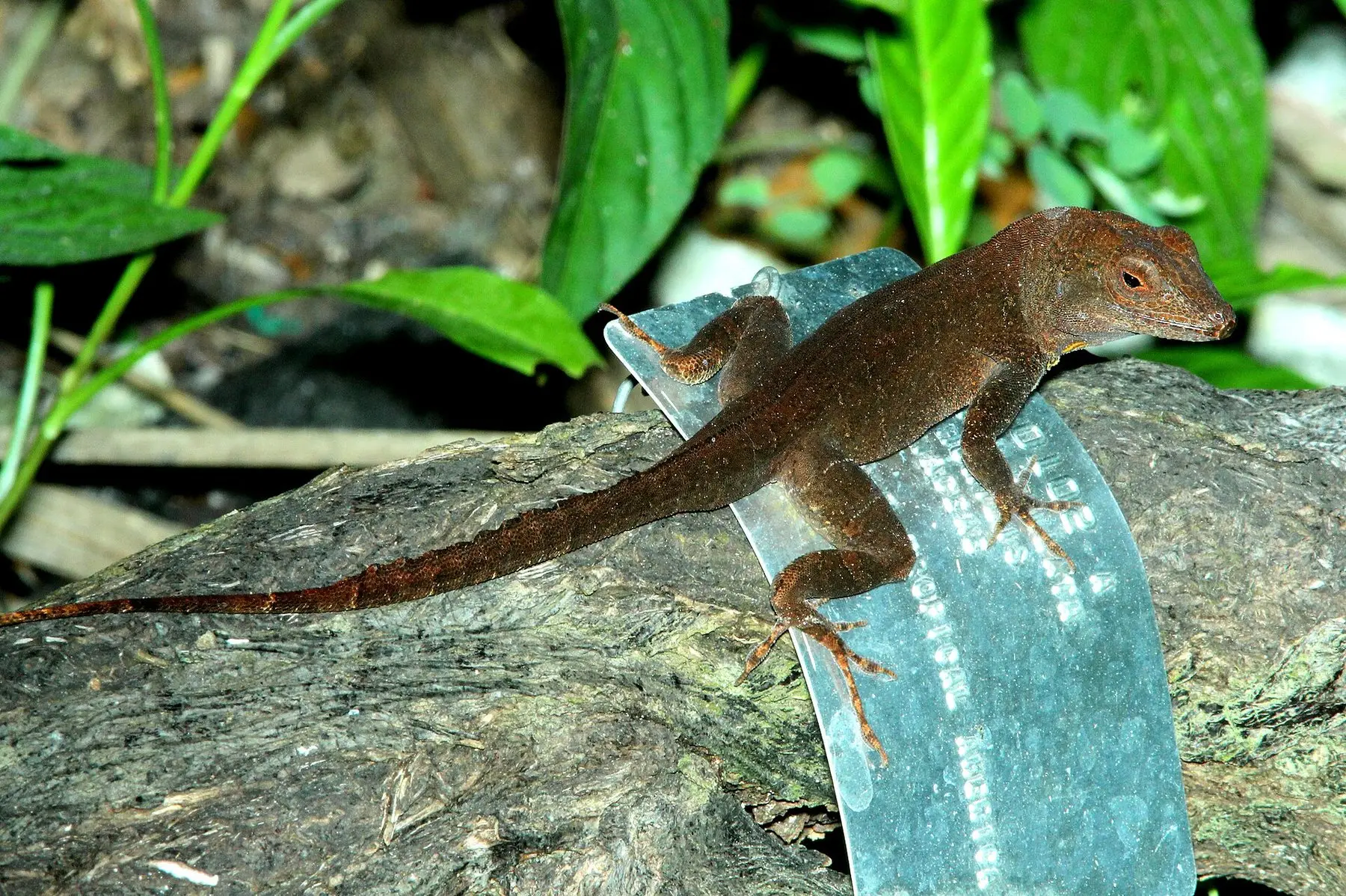
Wild lizards in a garden are almost entirely insect-eaters, not the varied diet pet-care sites describe. What they hunt, and what draws more of them to your yard.
_(5-11-14)_fairchild,_tropical_gardens,_miami-dade_co,_fl_(2)_(14019368809).jpg)
On this page
Most of what comes up when searching “what do lizards eat” is written for pet owners feeding a captive bearded dragon a curated diet of greens and insects. A lizard that showed up on your patio is answering a much simpler question: what can it catch.
What is actually on the menu
| Prey | How common | Notes |
|---|---|---|
| Crickets & grasshoppers | Very common | A staple for most ground and garden lizards |
| Beetles | Very common | Includes some species gardeners actively want fewer of |
| Ants | Common | Especially for smaller species and juveniles |
| Flies & gnats | Common | Caught opportunistically in the open |
| Moths & small butterflies | Common | Often taken at dusk near lights |
| Spiders | Common | Both a food source and, for large spiders, a rare threat |
| Small caterpillars | Moderate | Includes some plant-pest species |
| Earthworms & slugs | Occasional | Mainly ground-dwelling species |
A lizard's diet overlaps with what you already want fewer of
This is the part worth knowing if you are deciding whether a resident lizard population is a good thing: the insects making up most of a lizard’s diet include several species gardeners spend money trying to reduce. A yard that supports lizards is, indirectly, doing some of its own pest management.
Hunting style, not a fixed menu
Lizards are opportunistic ambush and pursuit hunters rather than selective feeders. What a given lizard eats on a given day depends almost entirely on what is moving within striking range, not on any preference. This is why “what do lizards eat” does not really have a species-by-species answer at the backyard scale — a skink and an anole in the same yard are eating largely the same available insects, differing mainly in hunting style and size of prey they can manage.
What draws more lizards to a yard
If lizards are welcome rather than a concern, three things reliably increase how many stick around:
- Insect abundance. A yard with a healthy, varied insect population is the single biggest draw — and using broad-spectrum insecticide undermines this directly by removing the food supply.
- Cover. Log piles, loose rock walls, dense low groundcover, and mulch give lizards places to retreat from predators and from summer heat.
- Water. A shallow dish, saucer, or birdbath at ground level provides a reliable source in dry weather.
What they do not eat
Contrary to some pet-care content that gets surfaced for this search, the small lizard species typical of US backyards — anoles, skinks, most geckos — do not eat garden plants, vegetables, or ornamentals in any meaningful way. If something is damaging plants in a yard that also has lizards, the lizards are very unlikely to be the cause; look instead at the usual plant-eating suspects covered in garden pest control.
For how long these lizards actually live once they establish themselves in a yard — wild lifespan is much shorter than most people assume — see how long do lizards live.
Common questions
Are lizards good or bad to have in the garden?
Do lizards eat plants?
What attracts lizards to a yard?
Do lizards eat mosquitoes?
Backyard Weekly
Know what to plant, week by week
Free planting calendar. Join the weekly email for seasonal jobs, fixes for what is going wrong, and gear worth buying.
Set MONETIZATION.email.endpoint in src/config/site.ts to enable this form.
By subscribing you agree to our privacy policy. Grow In Backyard will never sell your address.
Keep reading
How Long Do Lizards Live? By Species, Wild vs. Kept
Backyard lizard lifespan runs from 1 year to over 20, depending entirely on species and whether it is wild or kept as a pet. The real numbers, by common type.
Are Corn Snakes Poisonous? No, and Not Venomous Either
Corn snakes are harmless constrictors often killed on sight because they mimic copperheads. How to tell them apart, and why one is worth keeping around.
Can Rats Climb Walls? Brick and Pipes, Yes. Glass, No.
Rats climb rough vertical surfaces easily, jump three feet up and squeeze through a 20mm gap. What that means for sealing a house, and what actually stops them.

How Long Do Koi Live? 25 to 35 Years, With Caveats
Koi routinely outlive the pond they were bought for. What actually sets lifespan, the volume they need, and why the famous 226-year fish is not the benchmark.