
What to Feed a Lizard From Outside? Usually, Let It Go
A garden lizard you have caught needs live insects, not lettuce — and almost certainly needs releasing. What to offer if you are keeping it briefly.
 By
We may earn a commission when you buy through links on this page, at no extra cost to you.
On this page
Live insects — and the more useful answer is that the lizard should almost certainly go back where it came from.
What they eat
| Taken | Notes | |
|---|---|---|
| Crickets, small roaches | Readily | The staple |
| Mealworms | Yes | Hard-shelled; not a sole diet |
| Waxworms | Yes | Very fatty — a treat only |
| Spiders, soft caterpillars, small worms | Yes | What they catch anyway |
| Ants | Mostly avoided | Formic acid; some species specialise |
| Lettuce, fruit, bread, cat food | No | Does not move, so it does not register |
Movement is the trigger. Most small lizards hunt by sight and strike at motion, which is why a dish of chopped anything sits untouched. There are herbivorous lizards, but they are large tropical species, not what turns up under a paving slab.
Why it should probably go back
Wild reptiles are protected in many places
Collecting one from the wild is an offence in much of the world, under state or national law. Worth checking before anything else.
Even where it is legal, it usually goes badly:
- Stress. Handling and a strange enclosure both suppress feeding
- Food refusal is the norm for wild-caught animals, not the exception
- Parasites are common in wild reptiles and go untreated
- Heat, UVB and humidity are species-specific, and getting them wrong causes metabolic bone disease within weeks
- It has a territory it knows, with cover and food it has already found
If you are holding one overnight
- A ventilated container with a secure lid
- Somewhere to hide — a bit of bark, a folded leaf, kitchen paper. Cover reduces stress more than anything else
- A warm end and a cool end. Heat at one side only, so it can choose. Never heat the whole container
- Out of direct sun. A closed container in sunlight kills a small reptile in minutes
- Shallow water, plus a light mist on the sides — many lizards drink droplets rather than from a dish
- A few live insects, and do not worry if they are ignored
- Release the next morning, at the exact spot
The better version of this question
If you like having lizards around, make the garden hold them:
- Flat stones and a south-facing wall for basking
- Log piles, rockeries and dense low planting for cover and hibernation
- A shallow water source
- No pesticides — spraying removes their food supply directly
A garden with resident lizards has fewer insect problems and is far more interesting than a box with one stressed animal in it.
Our picks
| # | Pick | Best for | Where to buy |
|---|---|---|---|
| 1 | Live crickets or dubia roaches | What a wild-caught lizard will actually eat | Check price for Live crickets or dubia roaches → |
| 2 | Calcium with D3 dusting powder | What prevents metabolic bone disease | Check price for Calcium with D3 dusting powder → |
| 3 | Shallow water dish and a mister | Most wild lizards will not drink from a bowl | Check price for Shallow water dish and a mister → |
What a wild-caught lizard will actually eat
Live crickets or dubia roaches
A lizard that will not eat is almost always being offered the wrong size or dead prey. Head width is the rule that solves most refusals.
- Size
- No wider than the lizard's head
- Frequency
- Daily for juveniles
What we liked
- Movement is what triggers feeding; most wild lizards ignore dead prey
- Dubia roaches are quieter, longer-lived and more nutritious than crickets
Worth knowing
- Crickets are noisy and die fast
- Feeding live insects is a commitment, not a one-off
What prevents metabolic bone disease
Calcium with D3 dusting powder
If a wild lizard is kept indoors for more than a few days, this is the one thing not to skip — the deficiency develops faster than people expect.
- Use
- Dust insects before feeding
- Frequency
- Most feedings for a juvenile
What we liked
- Insects alone are badly calcium-deficient, which is the commonest cause of death indoors
- A single tub lasts months
Worth knowing
- D3 is only needed without UVB; over-supplementing has its own risks
Most wild lizards will not drink from a bowl
Shallow water dish and a mister
Dehydration is misdiagnosed as not eating. Mist first, and watch whether it drinks from the leaves.
- Why
- Many species drink droplets, not standing water
What we liked
- Misting foliage is how most garden species actually take water
- A shallow dish prevents drowning in small species
Worth knowing
- Needs doing daily
Common questions
What do you feed a lizard from outside?
Can I keep a lizard I caught in the garden?
How do I keep a lizard alive overnight?
Do lizards drink water?
Why does the lizard I caught refuse to eat?
How do I get more lizards in my garden instead?
Backyard Weekly
Know what to plant, week by week
Join the weekly email for seasonal jobs, fixes for what is going wrong, and gear worth buying.
Not ready to subscribe? The planting calendar is free and needs no email.
By subscribing you agree to our privacy policy. Grow In Backyard will never sell your address.
Keep reading
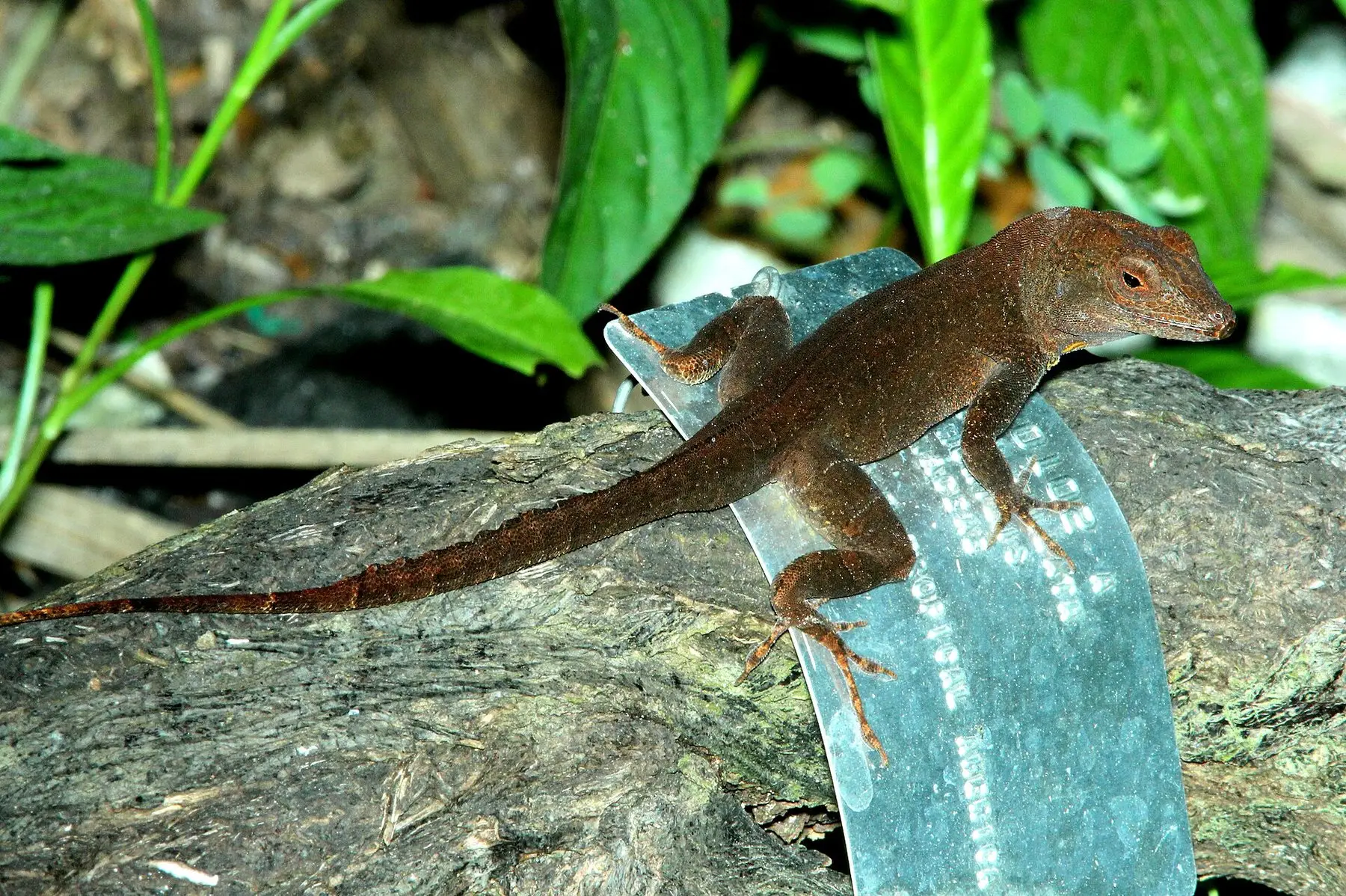
What Do Backyard Lizards Actually Eat?
Wild lizards in a garden are almost entirely insect-eaters, not the varied diet pet-care sites describe. What they hunt, and what draws more of them to your yard.
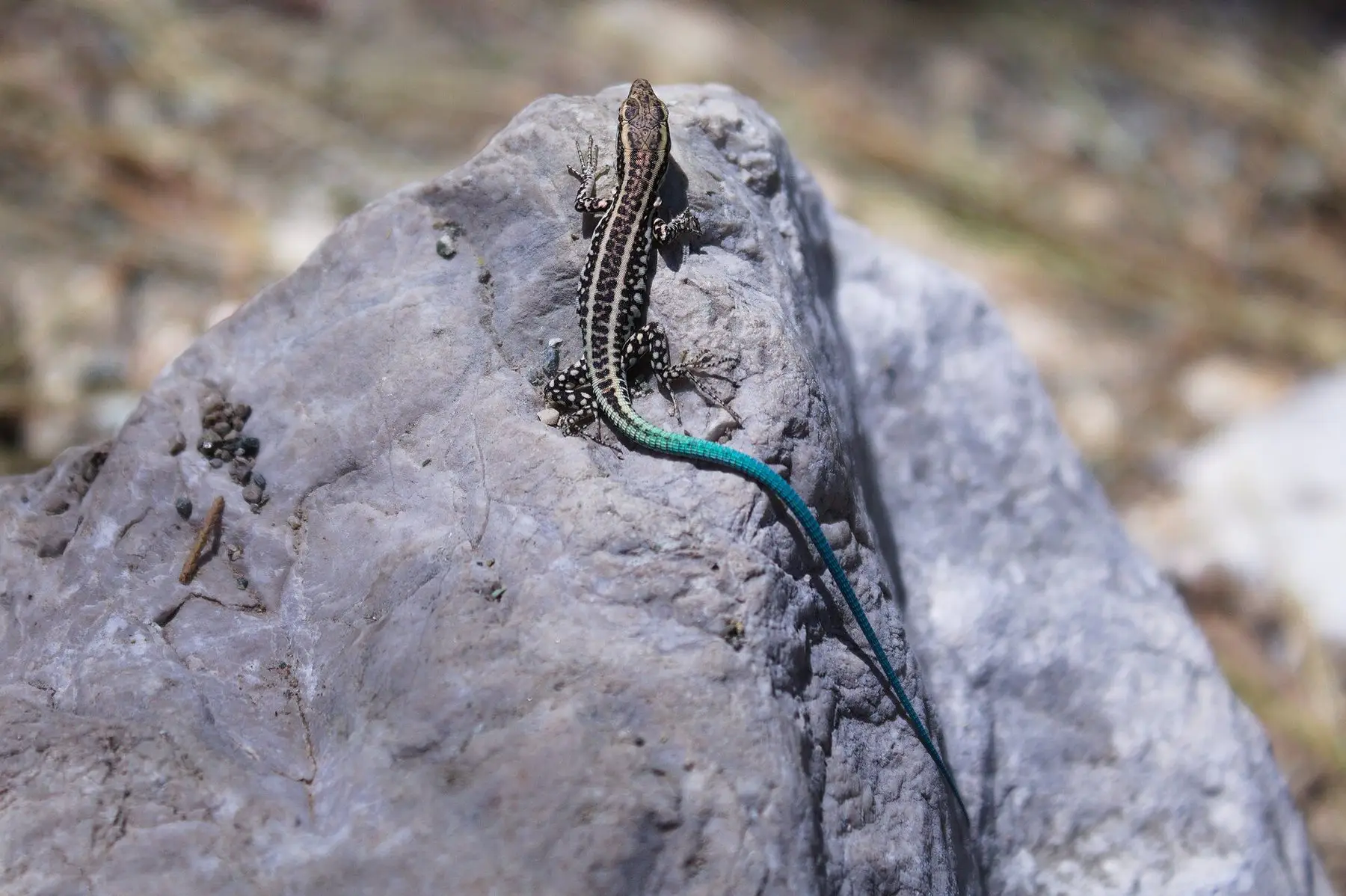
How Long Do Lizards Live? By Species, Wild vs. Kept
Backyard lizard lifespan runs from 1 year to over 20, depending entirely on species and whether it is wild or kept as a pet. The real numbers, by common type.
Do Lizards Keep Snakes Away? And Do Frogs Attract Them?
Lizards do not repel snakes — they are prey. Frogs do not summon them either. What a yard's small animals actually tell you about its snakes.
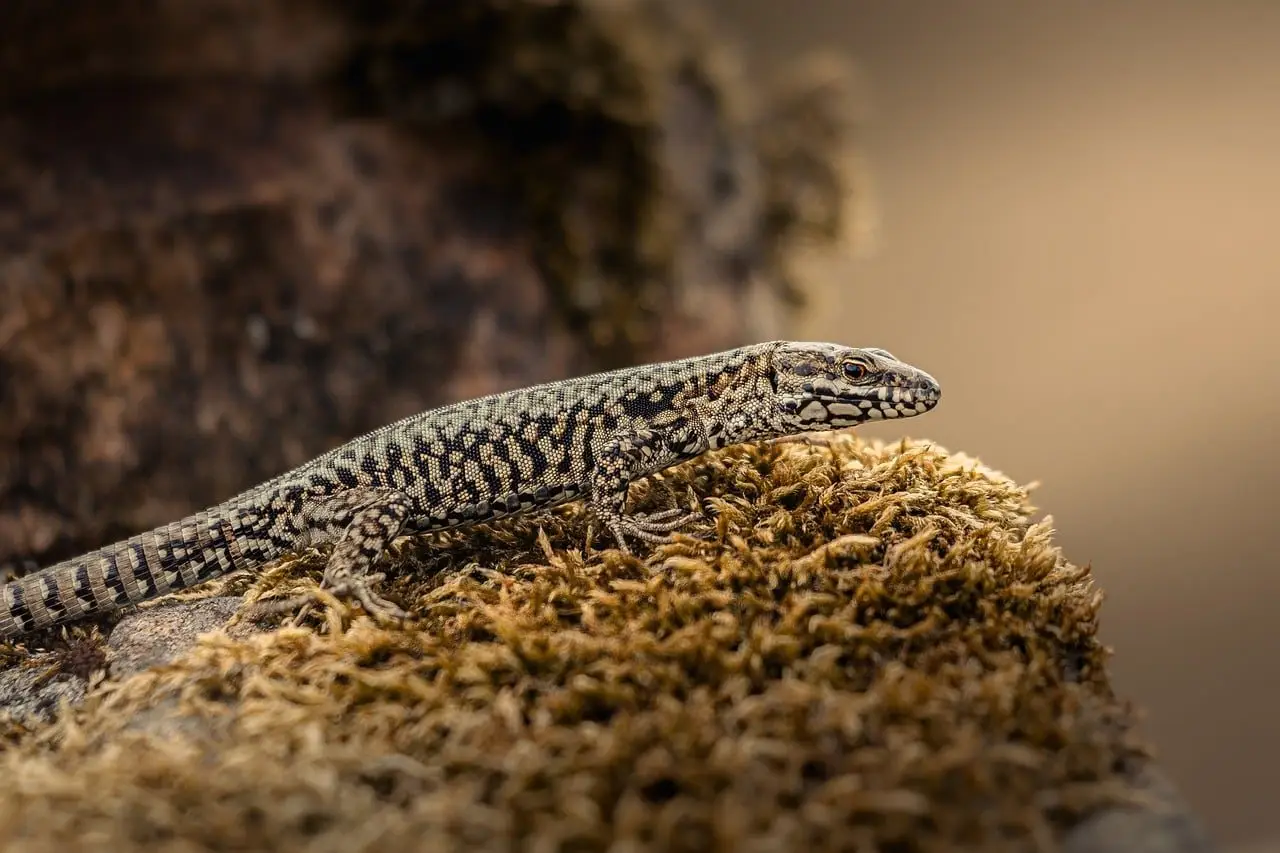
Where Can You Find Lizards in Your Backyard? Warm Edges
Sunlit walls, rock piles, log edges and south-facing paving in the morning. Lizards need to warm up before they can hunt, so they bask first.