
Where Can You Find Lizards in Your Backyard? Warm Edges
Sunlit walls, rock piles, log edges and south-facing paving in the morning. Lizards need to warm up before they can hunt, so they bask first.
 By
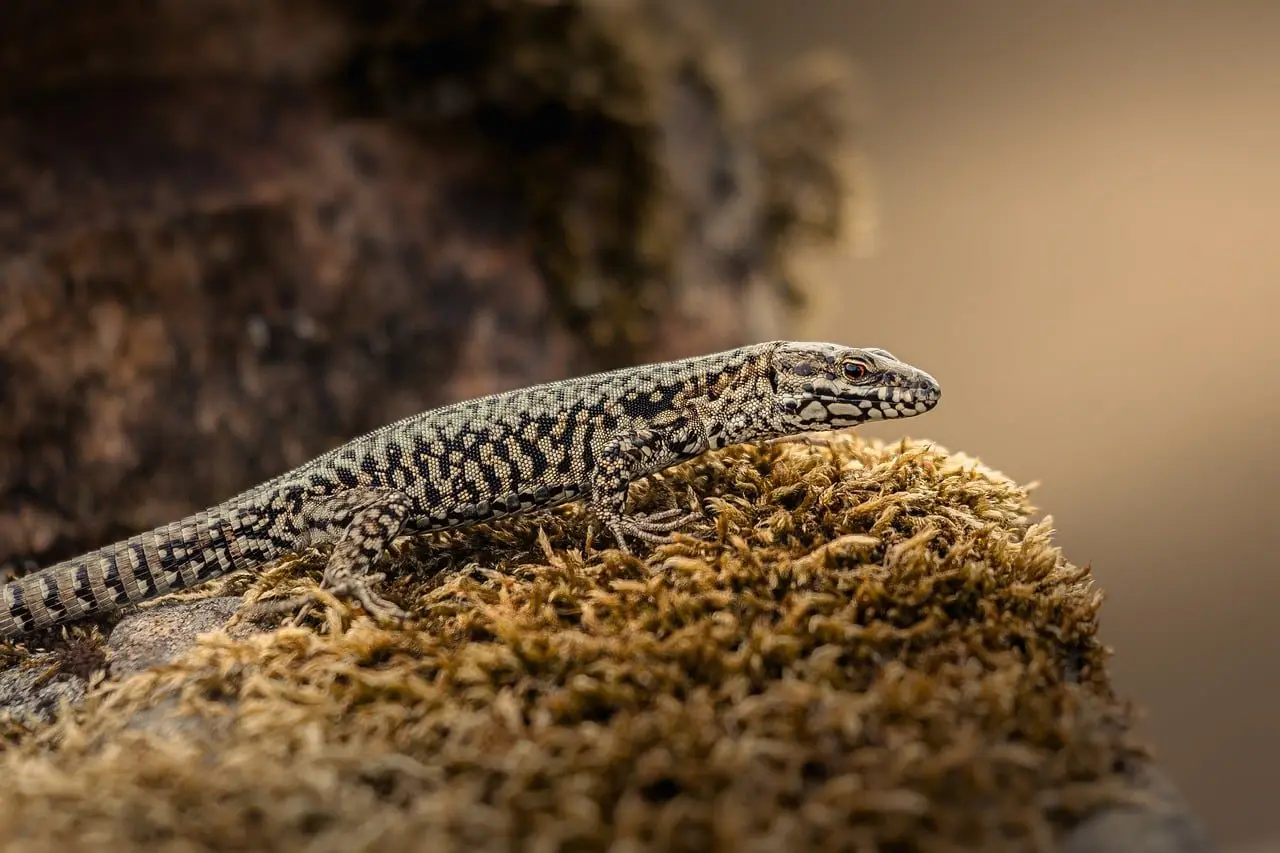
On this page
Where sun meets shelter. South-facing walls, rock piles, log edges, paving that catches morning sun — always within a body length of a gap to vanish into. Lizards are ectotherms: they must warm up before they can hunt, so they bask first.
Where to look
| Place | Why |
|---|---|
| South-facing wall and fence bases | Holds heat, crevices behind |
| Rock piles, dry-stone walls | Heat plus instant escape — the best habitat |
| Log piles, woodpiles, loose bark | Warm surface, gaps underneath |
| Paving and patio edges, morning sun | Thermal mass |
| Compost heap sides | Warm, and full of insects |
| Behind drainpipes, under step treads | Narrow refuge next to a warm surface |
Why the timing matters
Lizards are ectothermic — they take their body heat from the environment. Cold, they cannot move well, hunt or digest. So the day starts with basking, not hunting.
- Mid-morning — an hour or two of sun on a surface. Easiest to see and slowest to react
- Warm afternoon — active but hard to approach. A warm lizard is a fast lizard
- Very hot climates — morning and late-afternoon peaks with a midday retreat
- Cold or overcast — essentially absent
Making a garden they will use
- Build a loose rock pile in full sun. Irregular gaps, not mortared. This is the highest-value thing you can do.
- Add a log pile nearby.
- Leave some bare sun-warmed ground. Mulching every square inch removes basking surface.
- Shallow water dish with stones in it.
- Stop using insecticides. Insects are the whole food supply.
Never buy and release lizards
They arrive on their own once the habitat suits them. Releasing bought animals spreads disease, introduces species where they do not belong, and is illegal in many places. Build the habitat and wait.
Why they vanished
- Tidiness — log piles cleared, leaf litter removed, every bare patch mulched, a dry-stone wall repointed. All of it strips basking and refuge structure.
- Cats — a major predator of garden reptiles.
- Insecticides — removes the food.
- Autumn — the simple explanation. They are entering brumation and will reappear in spring.
They are worth having, and often protected
Lizards eat large numbers of insects, spiders, slugs and snails, and are harmless to people, plants and pets. In the UK, common lizards and slow-worms are legally protected against intentional killing and injury. Many other regions protect native reptiles similarly.
Common questions
Where can you find lizards in your backyard?
What time of day are they easiest to see?
How do I attract lizards to the garden?
Where do lizards hide when they are not basking?
Are lizards in the garden a good thing?
Why have the lizards disappeared from my garden?
Backyard Weekly
Know what to plant, week by week
Join the weekly email for seasonal jobs, fixes for what is going wrong, and gear worth buying.
Not ready to subscribe? The planting calendar is free and needs no email.
By subscribing you agree to our privacy policy. Grow In Backyard will never sell your address.
Keep reading
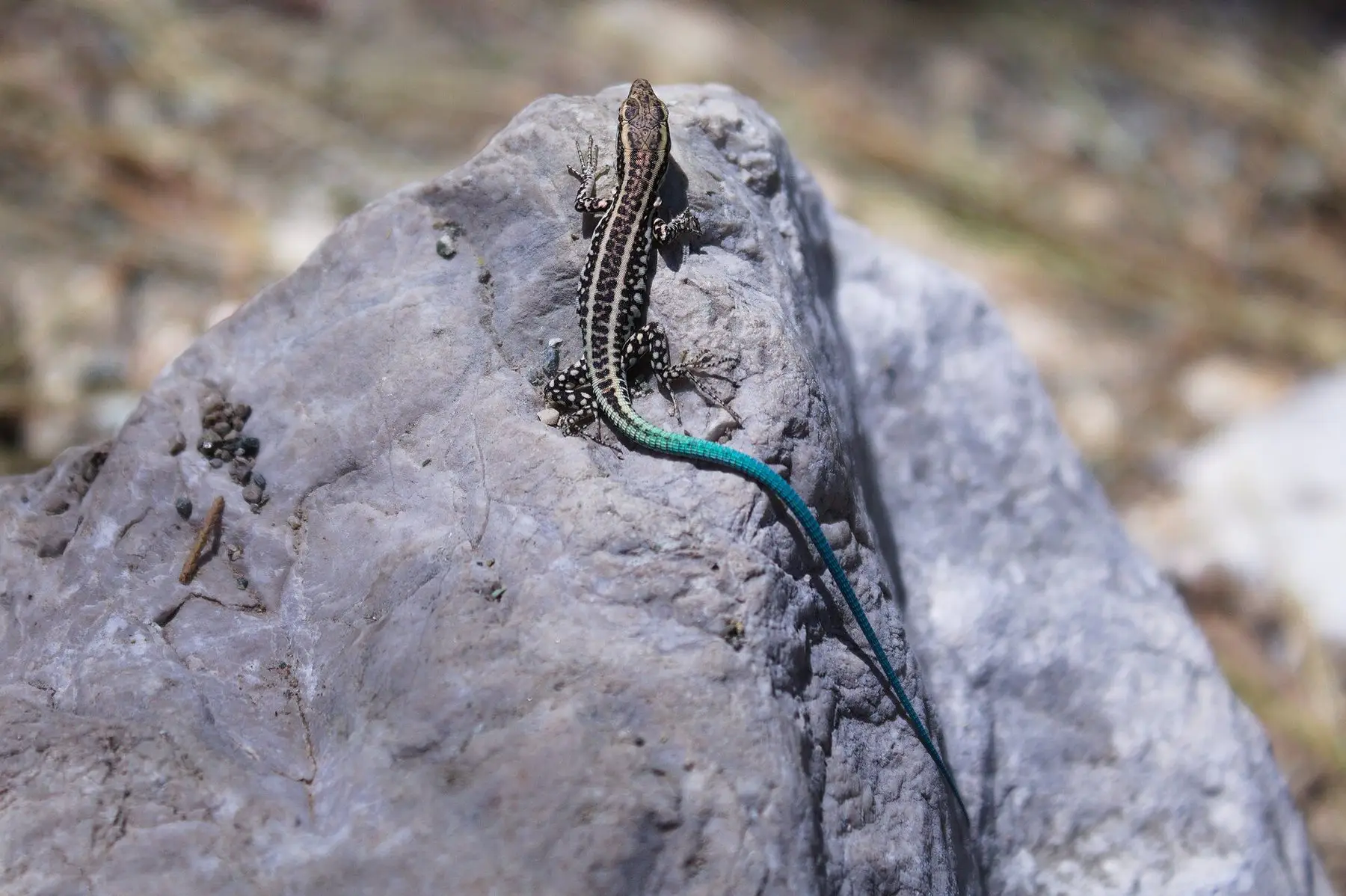
How Long Do Lizards Live? By Species, Wild vs. Kept
Backyard lizard lifespan runs from 1 year to over 20, depending entirely on species and whether it is wild or kept as a pet. The real numbers, by common type.
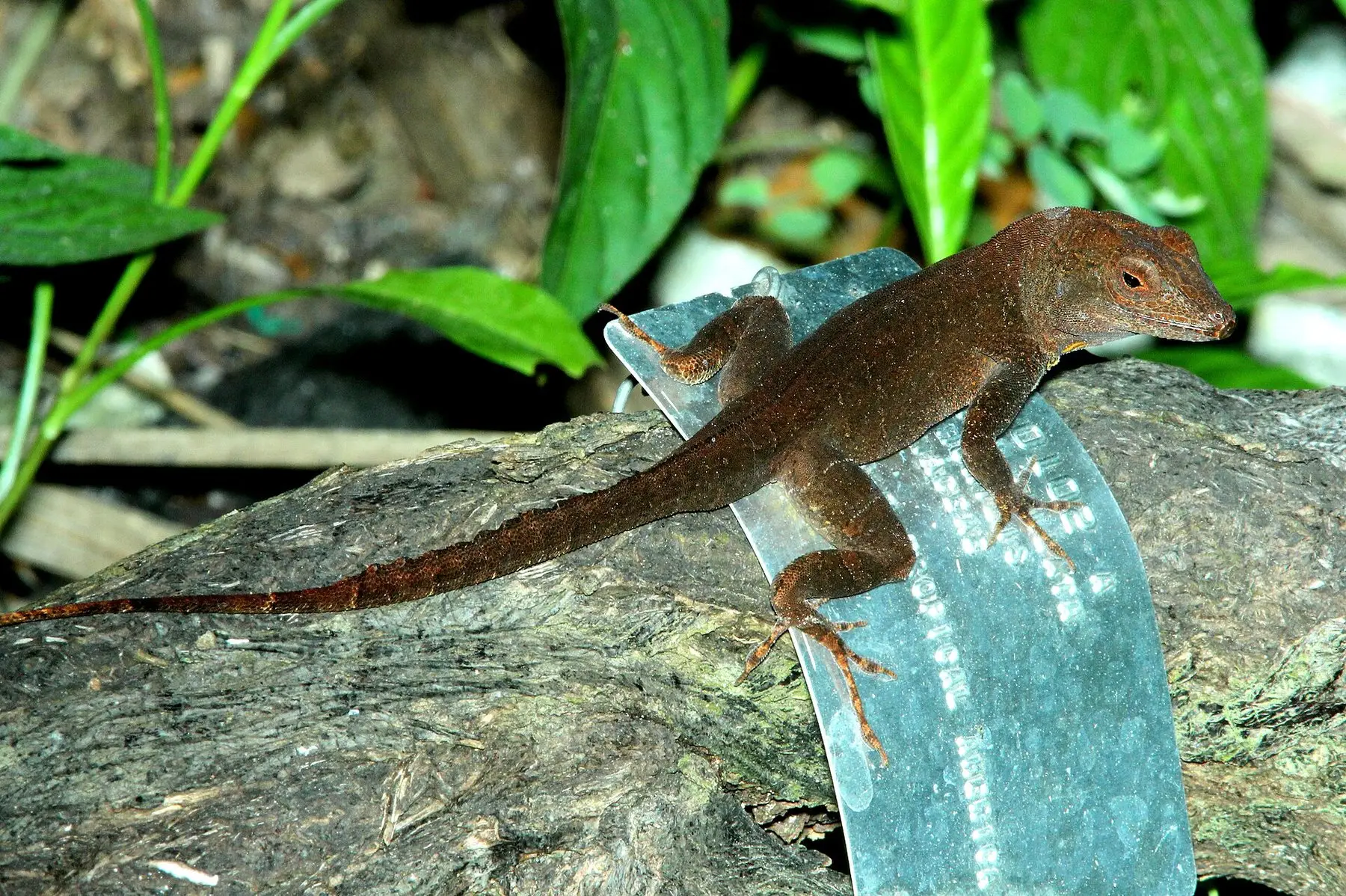
What Do Backyard Lizards Actually Eat?
Wild lizards in a garden are almost entirely insect-eaters, not the varied diet pet-care sites describe. What they hunt, and what draws more of them to your yard.
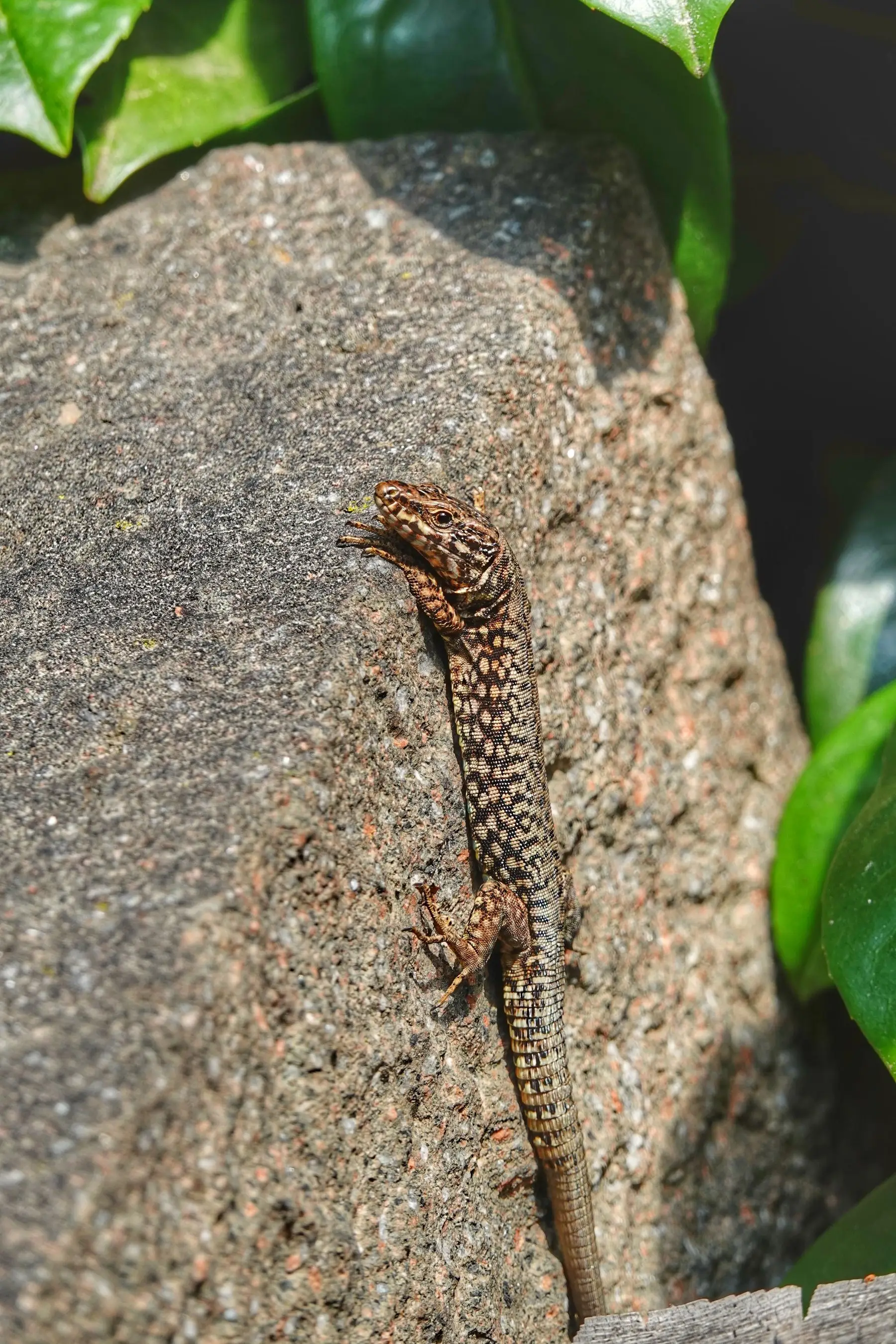
What to Feed a Lizard From Outside? Usually, Let It Go
A garden lizard you have caught needs live insects, not lettuce — and almost certainly needs releasing. What to offer if you are keeping it briefly.
Will Tortoises Eat Poisonous Plants? Often Yes
Wild tortoises avoid most toxic plants, but captive ones in a small enclosure will eat them. Never rely on instinct — remove the plant instead.