
Will Tortoises Eat Poisonous Plants? Often Yes
Wild tortoises avoid most toxic plants, but captive ones in a small enclosure will eat them. Never rely on instinct — remove the plant instead.
 By
On this page
Yes — often enough that you should never rely on them not to. Wild tortoises largely avoid toxic plants. A captive tortoise in a small enclosure is a different animal in a different situation, and the instinct does not carry over reliably.
Why the instinct is not a safety mechanism
There is something real behind the folk belief. Tortoises do show aversion to intensely bitter alkaloids, and wild adults — grazing across a large range over a lifespan measured in decades — appear to learn what to avoid.
Three things break that in captivity:
- Many toxic plants are not bitter. Taste aversion catches some alkaloids and misses plenty of other toxins entirely
- Learned experience is absent in young captive-bred animals. A three-year-old tortoise that has only ever seen a dish of greens has learned nothing about wild plants
- Choice is absent. A wild tortoise walks past a plant it dislikes. One in a ten-foot enclosure walks past it, comes back, and eventually samples it — particularly if there is nothing else to graze
That third point is the one keepers underrate. Boredom drives sampling. A tortoise with nothing to browse will work through the ornamental planting.
Identify before you plant, not after
The usual sequence in poisoning cases is: a plant goes into or near the enclosure, the tortoise ignores it for weeks, and then eats it.
So the rule is to identify any plant positively before it goes in — and to treat “it has not eaten it so far” as meaning nothing at all.
The plants that matter
| Acutely toxic — remove | Harmful in quantity |
|---|---|
| Buttercup, hellebore, lupin | Rhubarb leaves (oxalates) |
| Foxglove, oleander | Spinach, chard (oxalates) |
| Daffodil and other bulbs | Beet greens |
| Azalea, rhododendron | Cabbage family in excess (goitrogens) |
| Yew | Fruit in excess (sugar, gut flora) |
| Ivy, hemlock | |
| Nightshade foliage — tomato, potato leaves | |
| Avocado |
The right-hand column is worth understanding separately, because it is not about acute poisoning. Oxalates bind calcium, and a tortoise needs a great deal of calcium for shell and bone. A diet heavy in spinach, chard and beet greens contributes to metabolic bone disease over months — slow-moving damage that is easy to miss and hard to reverse.
Safe planting, which is better than bare ground
An enclosure planted with edible species lets a tortoise graze the way it naturally would, spread across the day, and it removes the boredom that drives sampling:
- Dandelion — leaves and flowers, one of the best
- Plantain, clover, sow thistle
- Grasses, particularly for Mediterranean and African species
- Hibiscus — leaves and flowers both
- Mulberry leaves
- Opuntia cactus pads, spines removed
- Most culinary herbs other than the high-oxalate ones
A mix is better than a monoculture, both nutritionally and because it keeps grazing interesting.
If it has already eaten something
- Call a reptile vet promptly. Not a general small-animal practice if you can avoid it
- Take a sample or a clear photograph of the plant. Identification changes the treatment completely
- Do not try to induce vomiting. It is neither safe nor practical in a tortoise
- Keep the animal warm and hydrated. Both support its ability to process and clear the toxin — a cold tortoise metabolises almost nothing
- Note how much and when, as best you can
Many cases resolve with supportive care. The outcome depends on which plant, how much, and how quickly advice was taken — which is the one variable you control.
Common questions
Will tortoises eat poisonous plants?
Do tortoises know which plants not to eat?
Which common garden plants are toxic to tortoises?
What should you do if your tortoise eats a toxic plant?
What plants are safe in a tortoise enclosure?
Are tortoises more at risk than wild ones?
Backyard Weekly
Know what to plant, week by week
Join the weekly email for seasonal jobs, fixes for what is going wrong, and gear worth buying.
Not ready to subscribe? The planting calendar is free and needs no email.
By subscribing you agree to our privacy policy. Grow In Backyard will never sell your address.
Keep reading
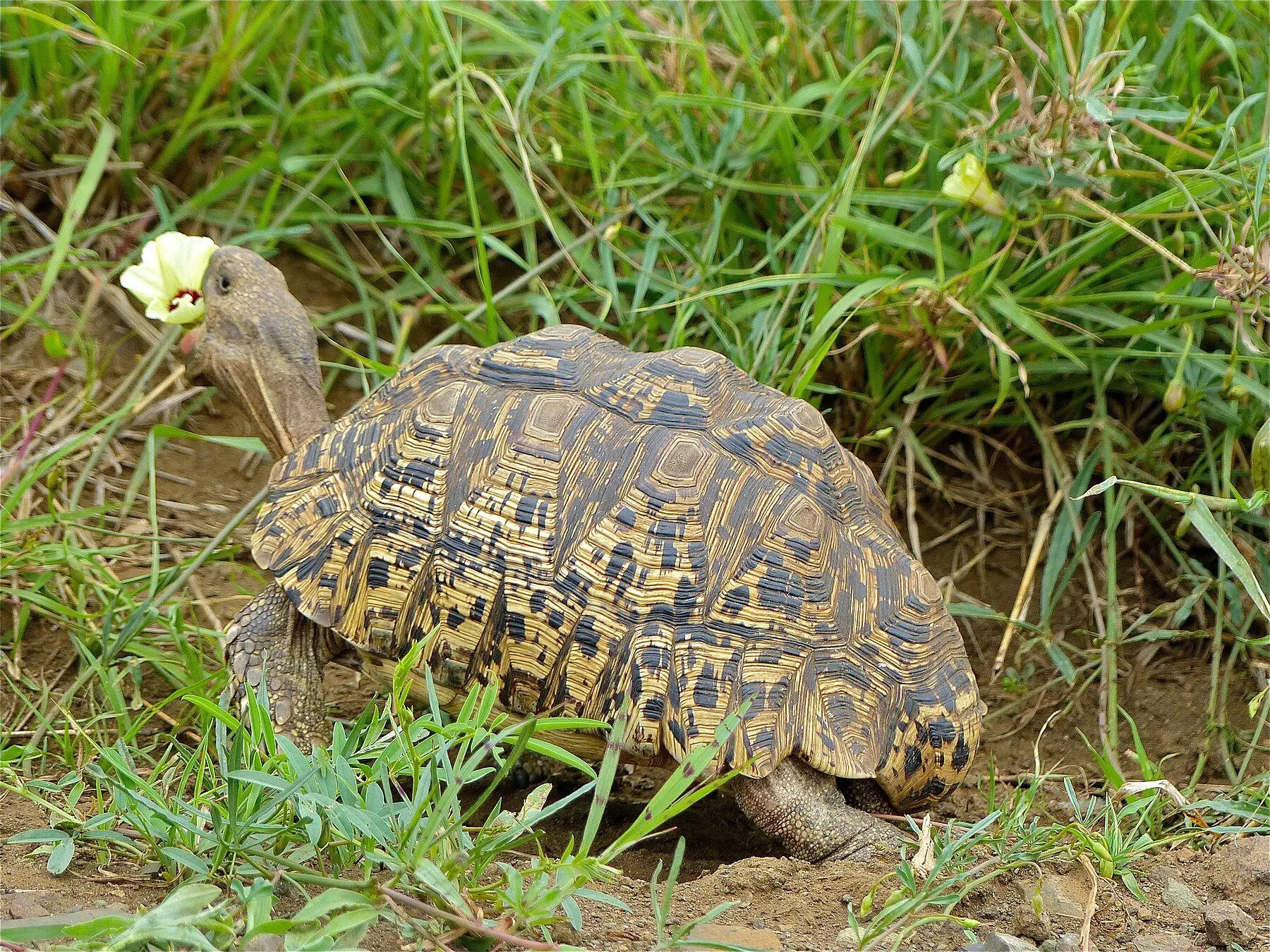
What Flowers Can Tortoises Eat? A Safe and Unsafe List
Hibiscus, dandelion, nasturtium and rose are all safe and popular. The flowers that are genuinely toxic, and why variety matters more than any one.
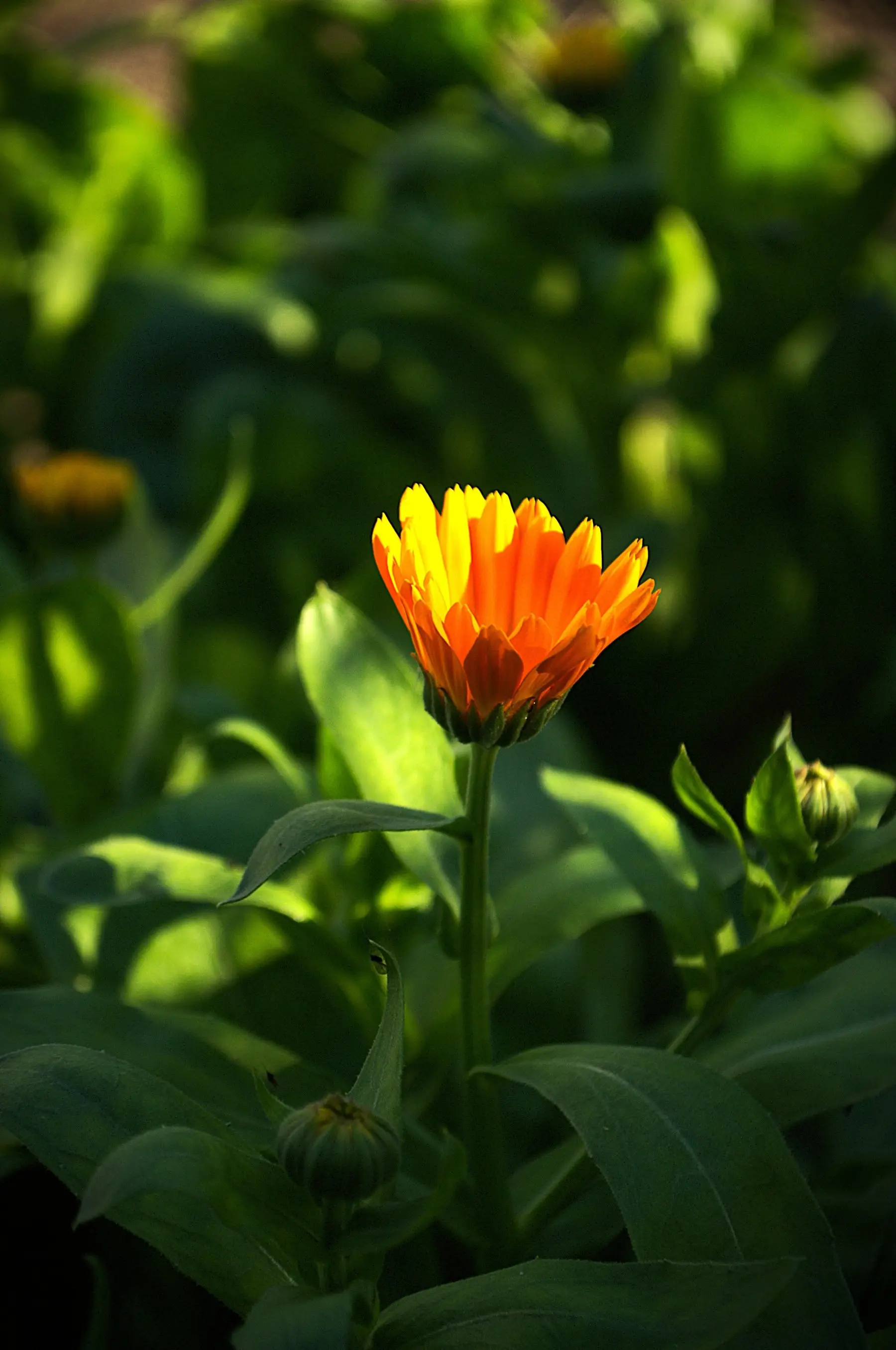
Can Tortoises Eat Marigolds? Pot Marigold Yes, French No
Calendula is safe and readily eaten; the French and African marigolds sold as bedding are a different genus. How to tell them apart before feeding.
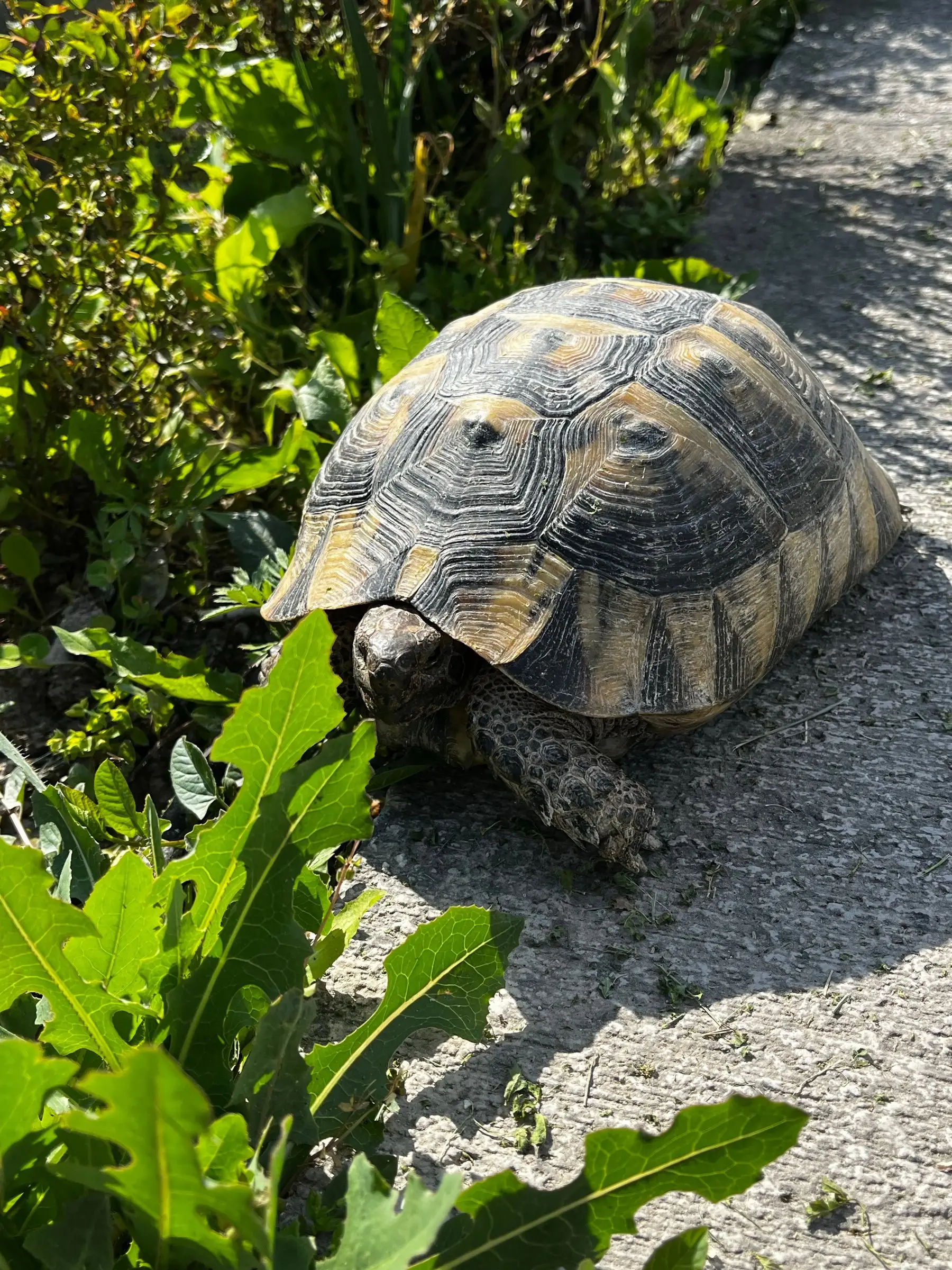
Can Tortoises Eat Mint? Safe, but a Herb, Not a Meal
Mint is non-toxic to tortoises and most will eat a little. Why it stays an occasional addition, and the weeds that should make up the bulk instead.
Are Corn Snakes Poisonous? No, and Not Venomous Either
Corn snakes are harmless constrictors often killed on sight because they mimic copperheads. How to tell them apart, and why one is worth keeping around.