
Can Tortoises Eat Mint? Safe, but a Herb, Not a Meal
Mint is non-toxic to tortoises and most will eat a little. Why it stays an occasional addition, and the weeds that should make up the bulk instead.
 By
On this page
Safe, and largely beside the point. The question worth asking is not what a tortoise can eat but what it should be eating most of — and mint is nowhere near that list.
Where mint sits
| Weeds and coarse leaves | Herbs like mint | Fruit and salad leaves | |
|---|---|---|---|
| Share of diet | The bulk of it | Occasional garnish | Rare or never |
| Fibre | High | Low | Very low |
| Calcium | Good | Variable | Poor |
| Sugar | Low | Low | High |
| Risk if overdone | — | Displaces better food | Pyramiding, gut upset |
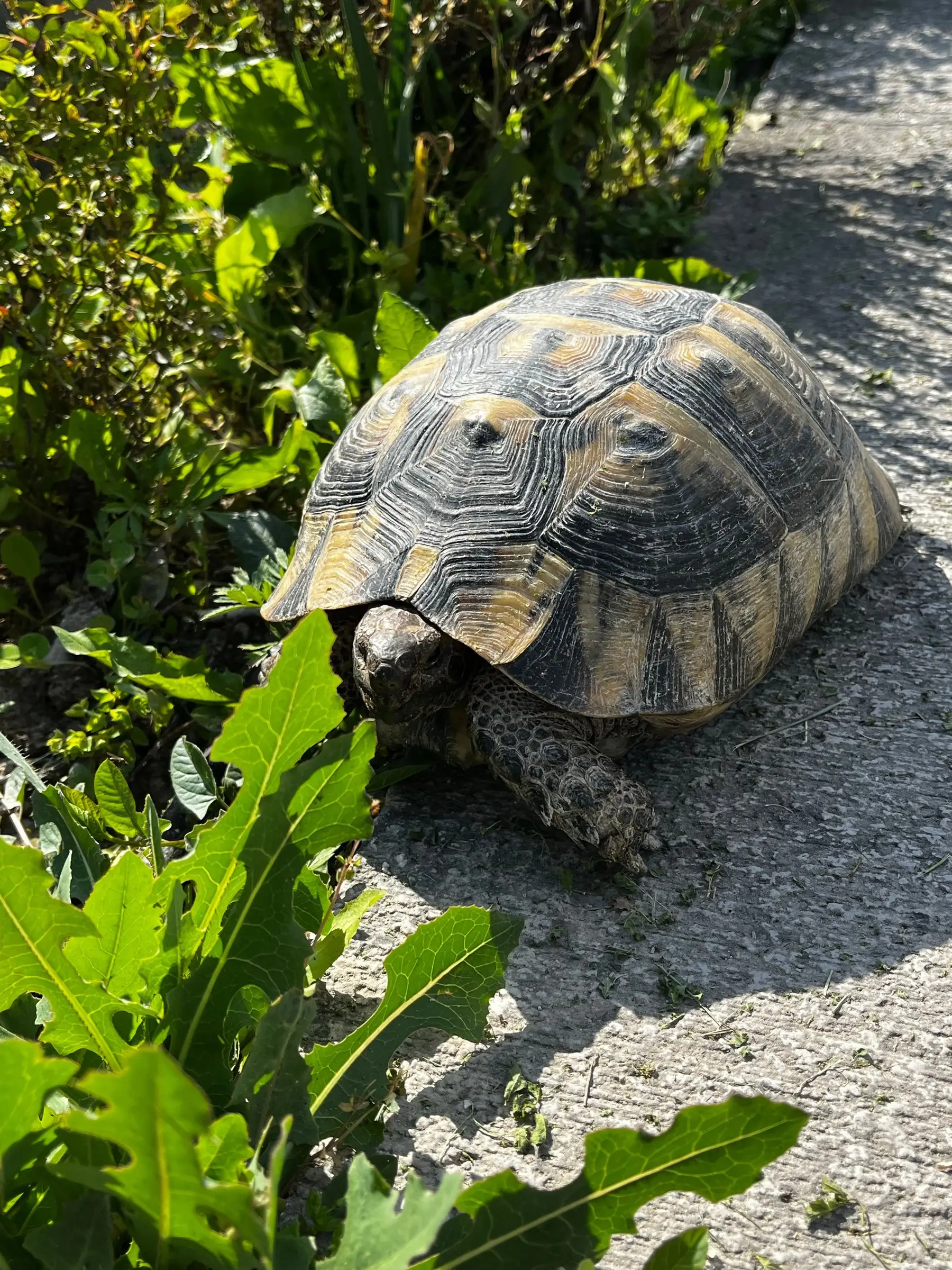
Tortoises are built to ferment rubbish slowly. A wild Hermann’s spends the summer eating tough, dry, unrewarding weeds, and its gut, its beak and its growth rate all assume that. Soft, rich food pushes growth faster than the shell can form evenly, which is what produces the raised, lumpy scutes of a pyramided tortoise.
Herbs, ranked by how freely to use them
- Fine in small amounts: mint, basil, oregano, thyme, marjoram, coriander, sage
- Limit: parsley — comparatively high in oxalates, which bind calcium
- Avoid entirely: chives, garlic, onion tops
Mint in a sunk pot is a good enclosure plant
It spreads aggressively in open ground but stays put in a container, and a tortoise that grazes a few leaves in passing is self-limiting in a way a bowl of chopped mint is not.
What to grow instead, if you are planting for a tortoise
The list is mostly things people weed out:
- Dandelion — leaves and flowers, and about as good as it gets
- Plantain, both broadleaf and ribwort
- White clover, sow thistle, hawkbit, cat’s ear
- Mallow, vetch, bramble leaves
- Hibiscus and nasturtium flowers as treats
- Grass, which matters much more for sulcatas and leopard tortoises than for Mediterranean species
The things to actually keep away
Safe-herb questions are the easy end. The real hazards in a planted garden are ornamental: buttercup, foxglove, daffodil and other bulbs, hellebore, rhododendron, yew, ivy and lupin among others. Before a tortoise gets free range of a border, walk it against a proper toxic-plant list — and check that nothing in reach has had pesticide or slug pellets on it.
Common questions
Can tortoises eat mint?
How much mint can a tortoise have?
What herbs can tortoises eat safely?
What should a tortoise actually be eating?
Why is fibre so important for tortoises?
Can tortoises eat mint growing in the garden?
Backyard Weekly
Know what to plant, week by week
Join the weekly email for seasonal jobs, fixes for what is going wrong, and gear worth buying.
Not ready to subscribe? The planting calendar is free and needs no email.
By subscribing you agree to our privacy policy. Grow In Backyard will never sell your address.
Keep reading
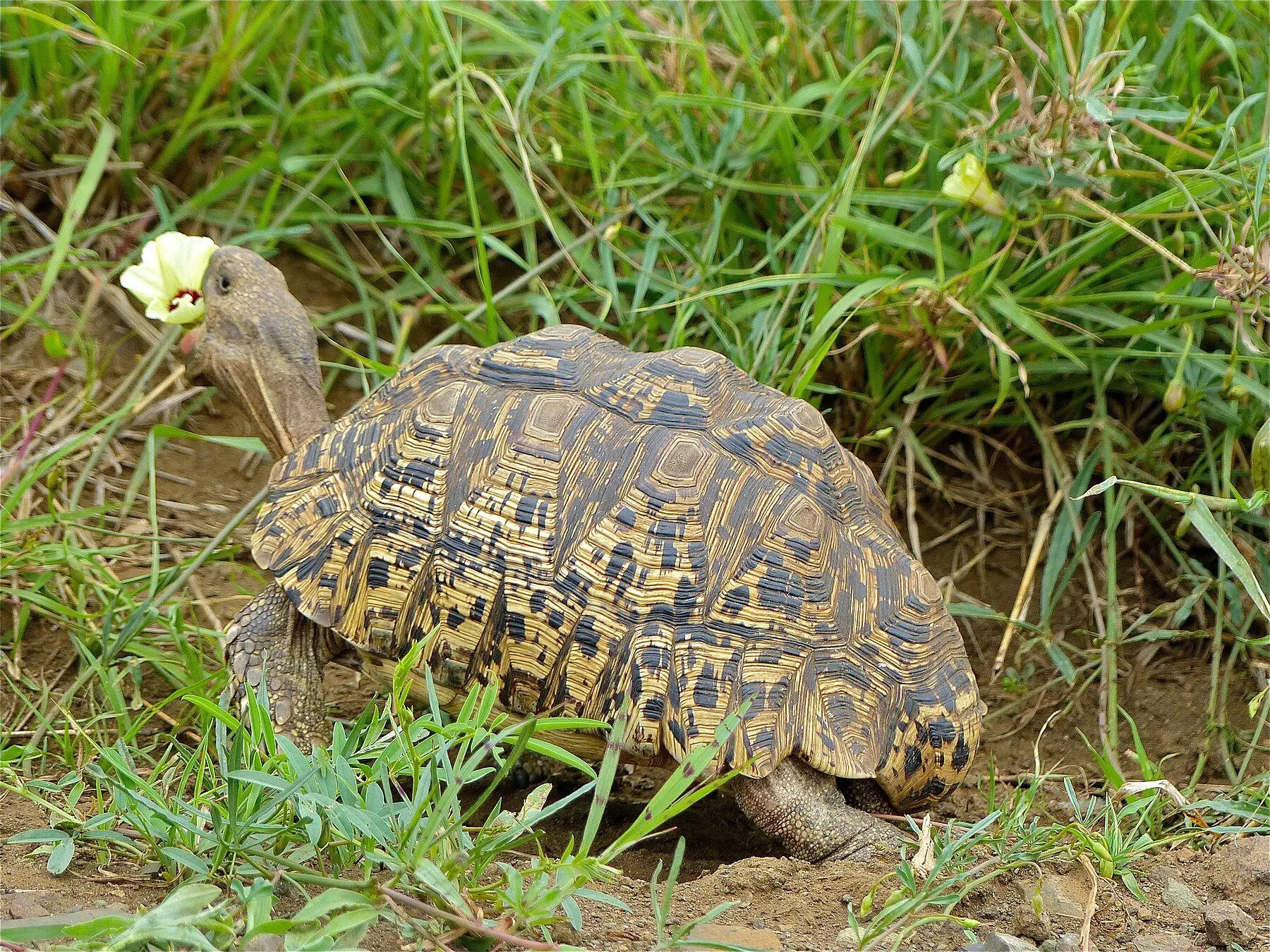
What Flowers Can Tortoises Eat? A Safe and Unsafe List
Hibiscus, dandelion, nasturtium and rose are all safe and popular. The flowers that are genuinely toxic, and why variety matters more than any one.
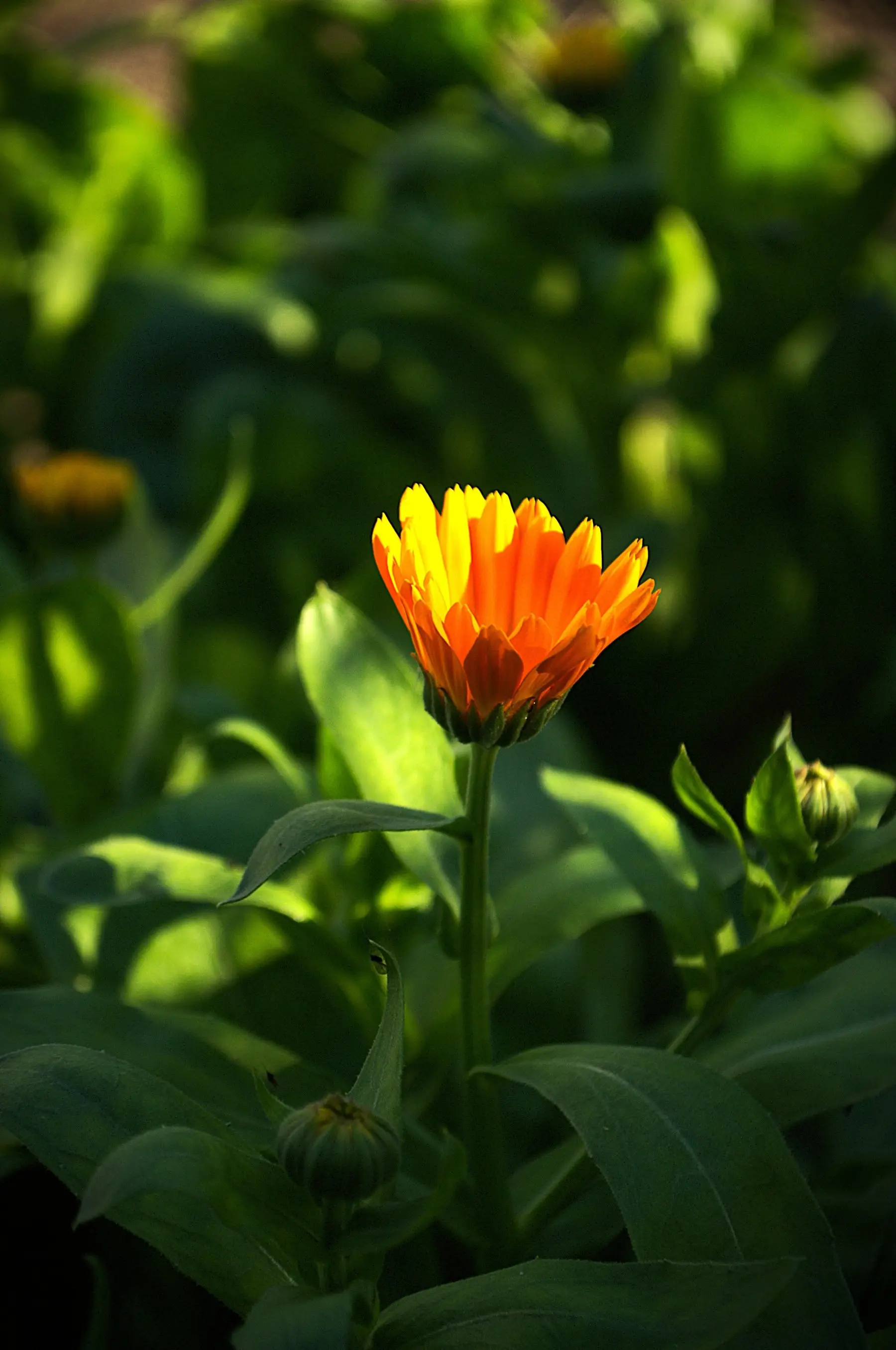
Can Tortoises Eat Marigolds? Pot Marigold Yes, French No
Calendula is safe and readily eaten; the French and African marigolds sold as bedding are a different genus. How to tell them apart before feeding.
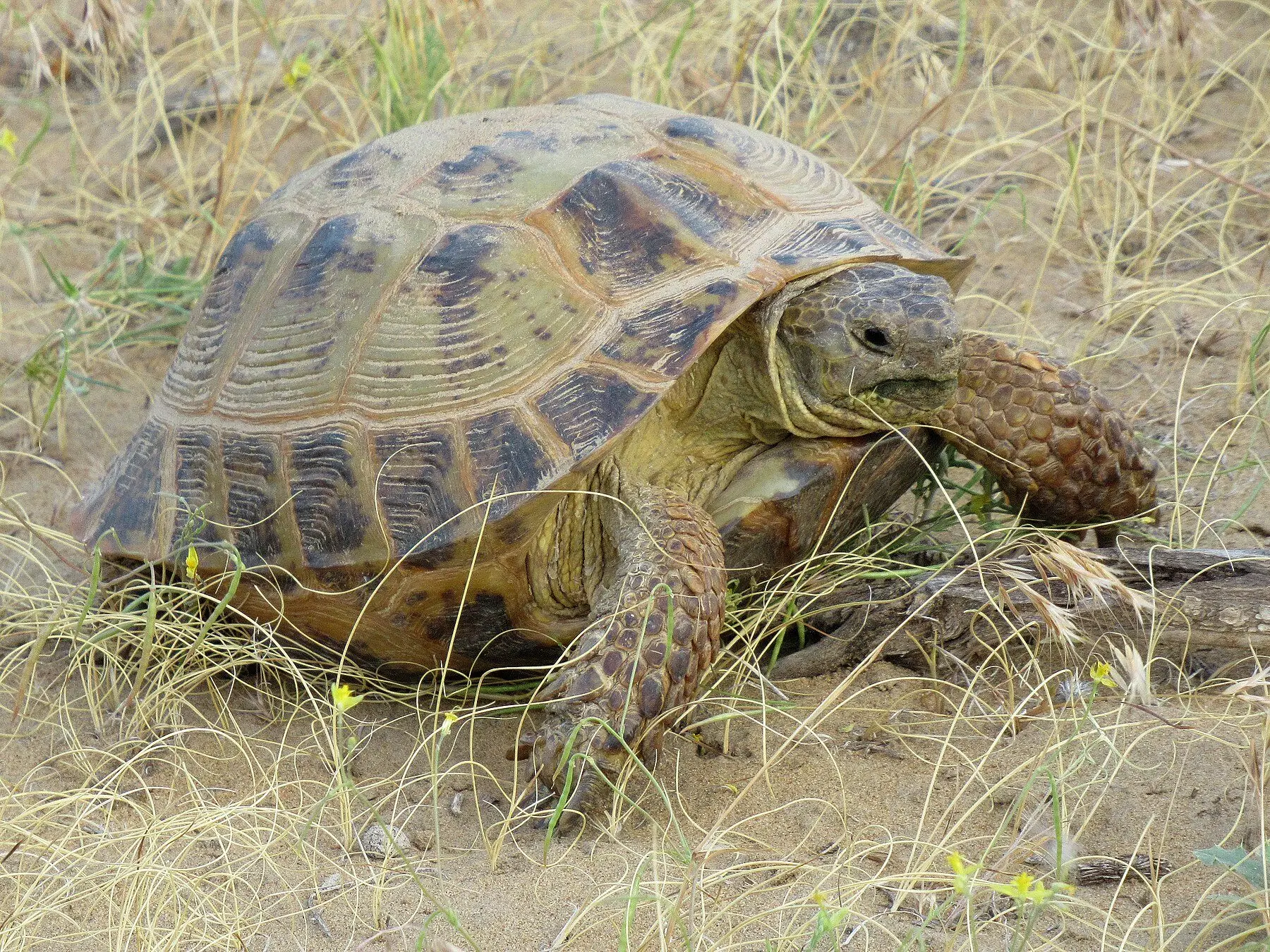
Best Pet Tortoise for Beginners: 5 Species Worth Considering
Tortoises are easy animals in the right enclosure and difficult in the wrong one. The five beginner species, their adult sizes, and what indoors really costs.
Can Turtles Be in Cold Water? Wild Ones Yes, Pets No
Native pond turtles overwinter under ice by slowing their metabolism to almost nothing. A tropical pet turtle in cold water is a medical emergency.