
What Flowers Can Tortoises Eat? A Safe and Unsafe List
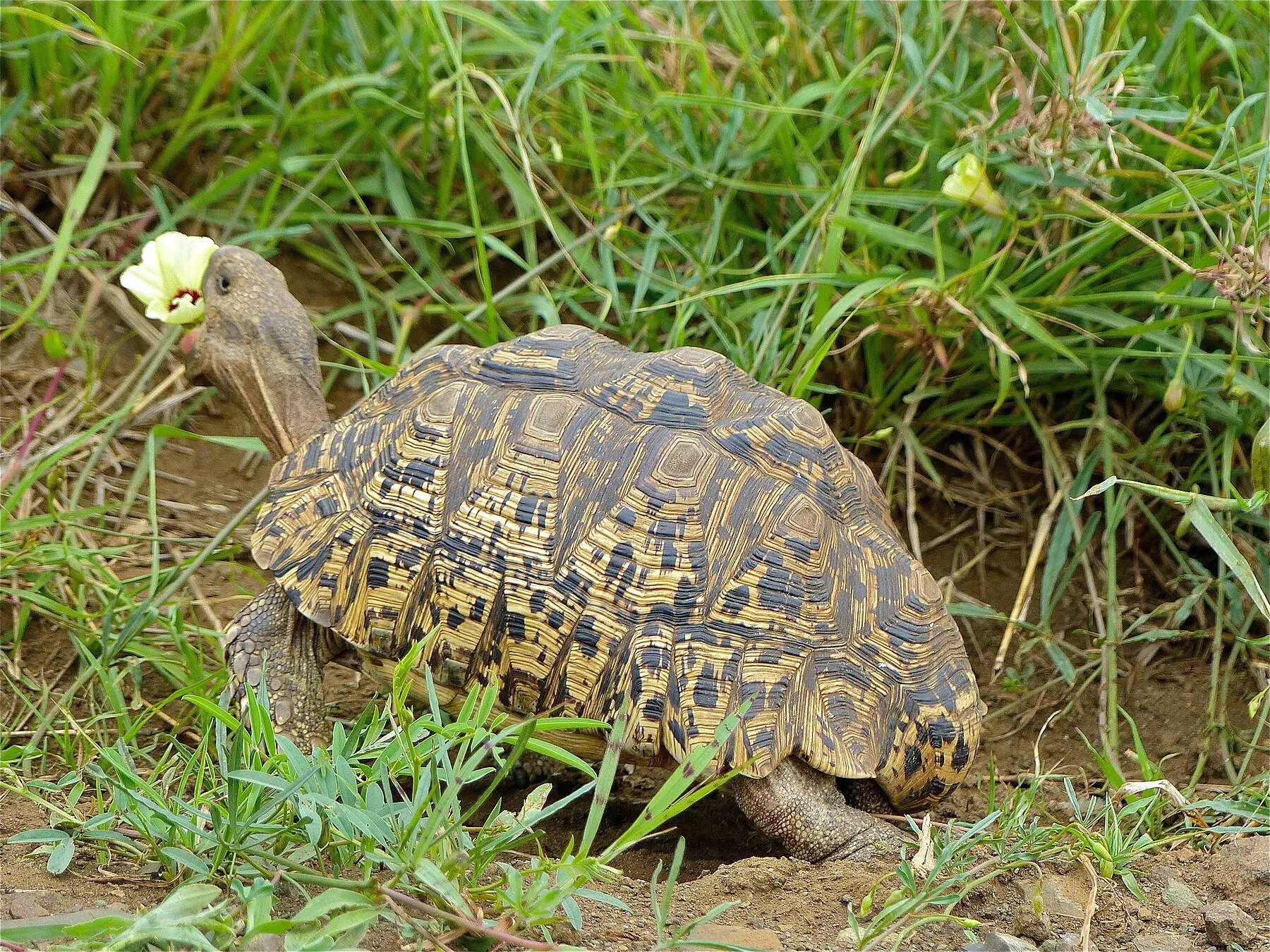
Hibiscus, dandelion, nasturtium and rose are all safe and popular. The flowers that are genuinely toxic, and why variety matters more than any one.
 By

On this page
Hibiscus and dandelion are the two worth actually growing. Beyond that, the useful rule is variety over optimisation — fifteen mediocre plants beat one perfect one.
Safe, and worth growing
| Flower | Notes |
|---|---|
| Hibiscus | Flowers and leaves. A favourite, easy to grow |
| Dandelion | Flower, leaf and stem. Excellent Ca:P ratio |
| Nasturtium | Flowers and leaves, peppery, readily eaten |
| Rose petals | Safe. Untreated bushes only |
| Pansy, viola | Safe, easy, flowers for months |
| Hollyhock, mallow | Excellent — flowers and leaves both |
| Calendula (pot marigold) | Safe. Not French/African marigold |
| Chicory, clover, plantain | Staples rather than treats |
| Sow thistle | Relished; wear gloves picking it |
| Evening primrose | Safe |
| Honeysuckle flowers | Flowers only — not the berries |
| Geranium (Pelargonium) | Safe in moderation |
| Herb flowers — basil, oregano, thyme | Safe |
Toxic — keep out of the enclosure
| Plant | |
|---|---|
| Daffodil and all narcissus | Bulbs especially |
| Foxglove | Cardiac glycosides |
| Lily of the valley | Highly toxic |
| Oleander | Severely toxic |
| Azalea, rhododendron | Grayanotoxins |
| Buttercup | Irritant |
| Hellebore | Toxic |
| Lupin, delphinium, monkshood | Toxic |
| Hyacinth, iris, tulip bulbs | Toxic |
| Wisteria, laburnum | Toxic |
| Nightshades — tomato, potato, aubergine flowers | Solanine |
| Ivy, avocado | Toxic |
Remove the plant, do not rely on the tortoise
A grazing tortoise samples whatever is in reach, and a plant that is safe once it is desiccated and mixed into hay is not safe as a fresh shoot at head height.
The enclosure is the control. Anything on the toxic list comes out of it entirely.
Where the flowers come from matters
- Never florist or supermarket flowers. Systemic pesticides, growth regulators and preservatives, none of which wash off, and often an unclear species
- Garden centre plants need repotting into fresh compost and growing on for several months before anything is fed from them — neonicotinoid treatments persist in the tissue
- Foraged weeds need to come from ground with no herbicide or pesticide, away from roadsides, and away from anywhere dogs are walked
- Grow your own from seed where you can. It is why most keepers end up with a scruffy weed patch in a corner, and it is the right answer
Where flowers sit in the diet
| Share | Examples | |
|---|---|---|
| High-fibre weeds and greens | ~70% | Dandelion, plantain, clover, sow thistle, mallow |
| Flowers | ~20% | Hibiscus, nasturtium, viola, calendula |
| Dried grasses and hay | Always available | Timothy, meadow hay |
| Fruit | Rarely or never | Mediterranean species do not need it |
| Calcium | Always available | Cuttlebone, calcium powder |
Tropical species differ. Redfoots and yellowfoots take more fruit and some animal protein, and sulcatas are grazers that want grass and hay above nearly everything else. Check your own species before applying any of this.
Too much soft, sweet food causes pyramiding
Rapid growth from a diet too rich and too low in fibre produces raised, lumpy scutes — and pyramiding does not reverse.
Fibre, calcium, hydration and UVB are the four things that prevent it. Flowers are a pleasure, not a foundation.
Planting the enclosure
Plant for food, cover and shade at once:
- Grazing layer: clover, plantain, dandelion, chicory, lawn daisies
- Flowering layer: hollyhock, mallow, nasturtium, calendula, viola
- Structure: hibiscus, lavender, rosemary, thyme — mostly left alone, and useful shelter
- Mixed height, so there is shade and hiding as well as browse
- No bark chips — an ingestion risk
- No slug pellets, herbicide or pesticide, anywhere in the enclosure
- Overplant. A tortoise grazes harder than you expect, and a sparse enclosure gets stripped
A planted enclosure feeds the animal, shelters it, and gives it something to do — which is worth as much as the nutrition.
Common questions
What flowers are safe for tortoises to eat?
Can tortoises eat dandelions?
What flowers are toxic to tortoises?
Can tortoises eat flowers from the florist or supermarket?
How much of a tortoise's diet should be flowers?
Which flowers can I plant in a tortoise enclosure?
Backyard Weekly
Know what to plant, week by week
Join the weekly email for seasonal jobs, fixes for what is going wrong, and gear worth buying.
Not ready to subscribe? The planting calendar is free and needs no email.
By subscribing you agree to our privacy policy. Grow In Backyard will never sell your address.
Keep reading
Best Pet Tortoise for Beginners: 5 Species Worth Considering
Tortoises are easy animals in the right enclosure and difficult in the wrong one. The five beginner species, their adult sizes, and what indoors really costs.
What Do Pond Turtles Eat? Wild, and in a Backyard Pond
Most pond turtles start carnivorous and turn increasingly vegetarian with age. What arrives to eat naturally, what to feed, and why they eat your fish.
How to Grow Lettuce: Beating the Bolt and the Bitterness
Lettuce turns bitter and runs to seed in heat. Sowing windows, cut-and-come-again, shade in summer, and why germination fails in warm soil.
What to Feed a Lizard From Outside? Usually, Let It Go
A garden lizard you have caught needs live insects, not lettuce — and almost certainly needs releasing. What to offer if you are keeping it briefly.