
What Do Pond Turtles Eat? Wild, and in a Backyard Pond
Most pond turtles start carnivorous and turn increasingly vegetarian with age. What arrives to eat naturally, what to feed, and why they eat your fish.
 By

On this page
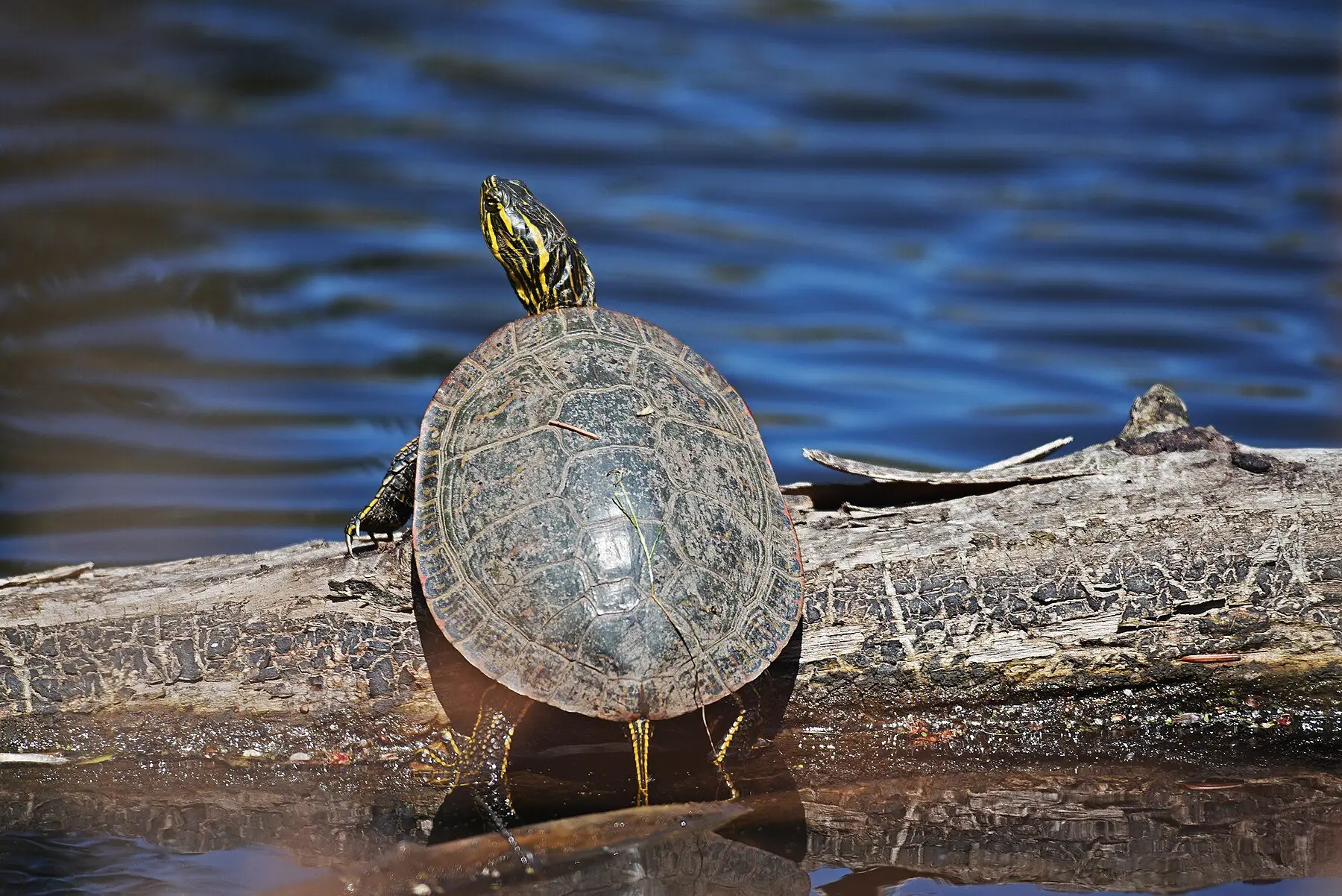
Most pond turtles are omnivores whose diet changes as they age — heavily carnivorous when young, increasingly vegetarian as adults. That single fact explains nearly every question people have about feeding them.
By age
| Stage | Diet | Why |
|---|---|---|
| Hatchling | ~90% animal | Building shell and bone needs protein and calcium |
| Juvenile | Mixed, protein-leaning | Still growing fast |
| Adult | 50–90% plant, species-dependent | Growth slows; plants are abundant and safe to get |
| Snapping turtle, any age | Predominantly animal | Different feeding strategy entirely |
What they actually take in a pond
Animal: mosquito and dragonfly larvae, snails, worms, leeches, tadpoles, small fish, crayfish, carrion.
Plant: duckweed, water lettuce, algae, soft oxygenating plants, and the tender parts of marginals.
Carrion matters more than people expect. Turtles are efficient scavengers, and a fish that dies in a pond is often gone before you notice it — which is also why turtles get blamed for kills they only cleaned up after.
Do they eat your fish?
Some, yes — but they are slow ambush feeders and healthy adult fish mostly avoid them without difficulty. What turtles take is the sick, the very small, and the already dead.
If you are losing large, healthy fish, look at herons first, then raccoons, then otters or mink. Herons in particular are responsible for far more pond losses than turtles ever are.
Snapping turtles are a genuine exception. They are ambush predators with the size and bite to take substantial fish and waterfowl, and a large one in a small pond is a real problem — which is the main case where turtles are actually bad for a pond.
Fish leaving the water is a different pond problem with its own causes — see why fish jump out of the water.
Should you feed them?
No, in almost all cases. A pond that supports turtles is already feeding them.
Feeding creates dependence, concentrates turtles in unnatural densities where disease spreads, and fouls the water with uneaten food.
Never feed bread
Bread and processed human food are actively harmful to turtles, as they are to ducks. Turtles cannot digest them properly, and a diet including them causes shell deformity and metabolic bone disease.
What genuinely helps instead:
- A basking log or flat rock in full sun — turtles need to bask to regulate temperature and synthesise vitamin D3.
- Gently sloping banks so they can get in and out, and so hatchlings are not trapped.
- Marginal planting for cover.
- Leaving the pond edge rough rather than manicured.
If you keep turtles deliberately
A captive pond turtle needs commercial turtle pellets as a base, plus leafy greens — dandelion, romaine, water plants — and periodic protein such as earthworms, snails or feeder insects for younger animals. A calcium source, usually a cuttlebone, matters for shell development.
And a basking platform with UVB if the pond does not get real sun. Without UVB, calcium is not metabolised regardless of how much is in the diet.
Two things worth knowing before starting: turtles produce a great deal of waste, so a pond with turtles needs more filtration than the same pond with fish alone. And red-eared sliders are invasive across much of the world after decades of pet releases — never release one, and check what is legal where you live before acquiring one.
Common questions
What do pond turtles eat?
Do pond turtles eat fish?
Should you feed wild turtles in a pond?
What do baby pond turtles eat?
Do turtles eat pond plants?
Can turtles and fish live together in a pond?
Backyard Weekly
Know what to plant, week by week
Join the weekly email for seasonal jobs, fixes for what is going wrong, and gear worth buying.
Not ready to subscribe? The planting calendar is free and needs no email.
By subscribing you agree to our privacy policy. Grow In Backyard will never sell your address.
Keep reading
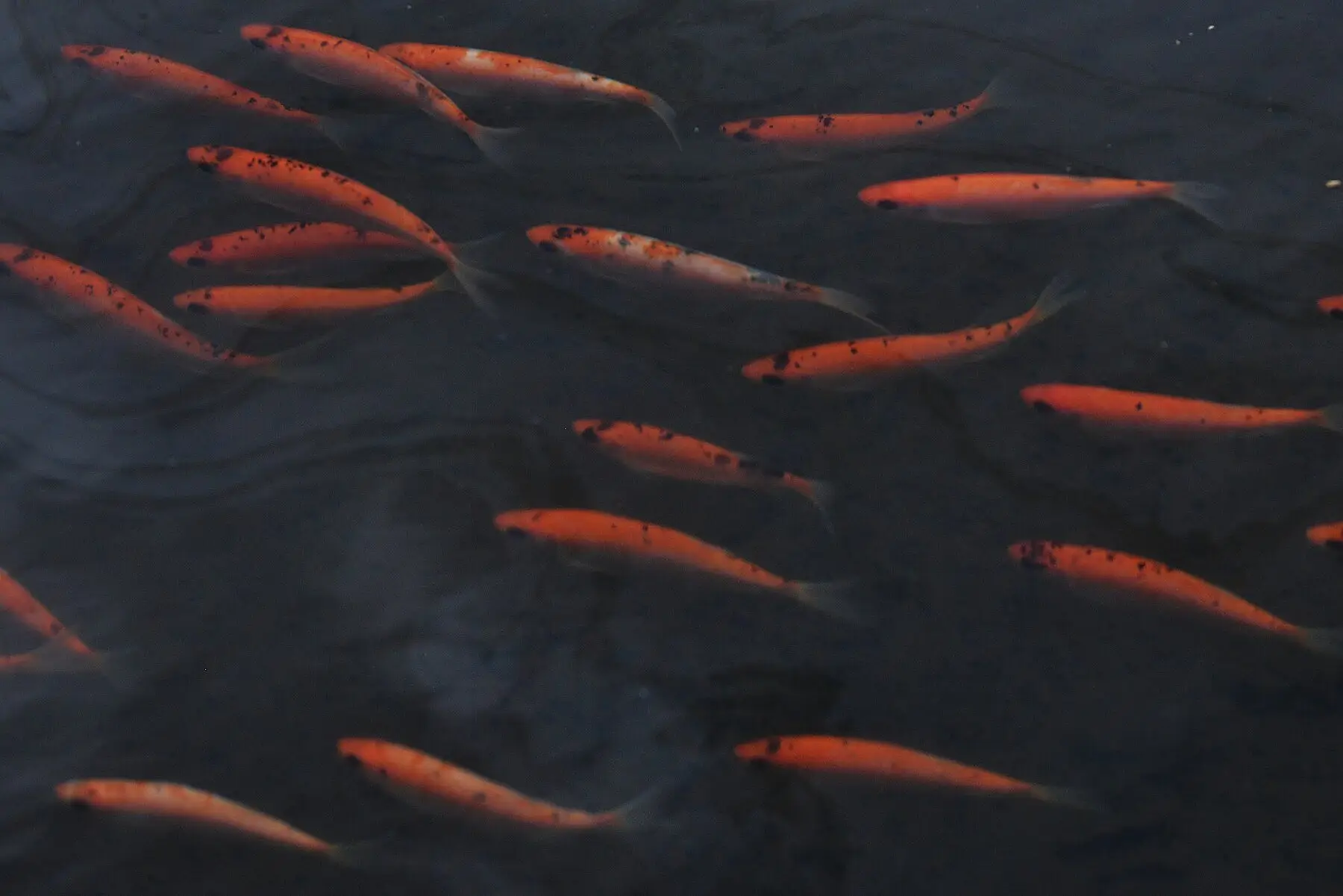
Best Fish for a Small Pond (And How Many It Holds)
Goldfish and shubunkins suit small ponds; koi do not. Stocking limits by volume, which species survive a frozen winter, and what actually eats algae.
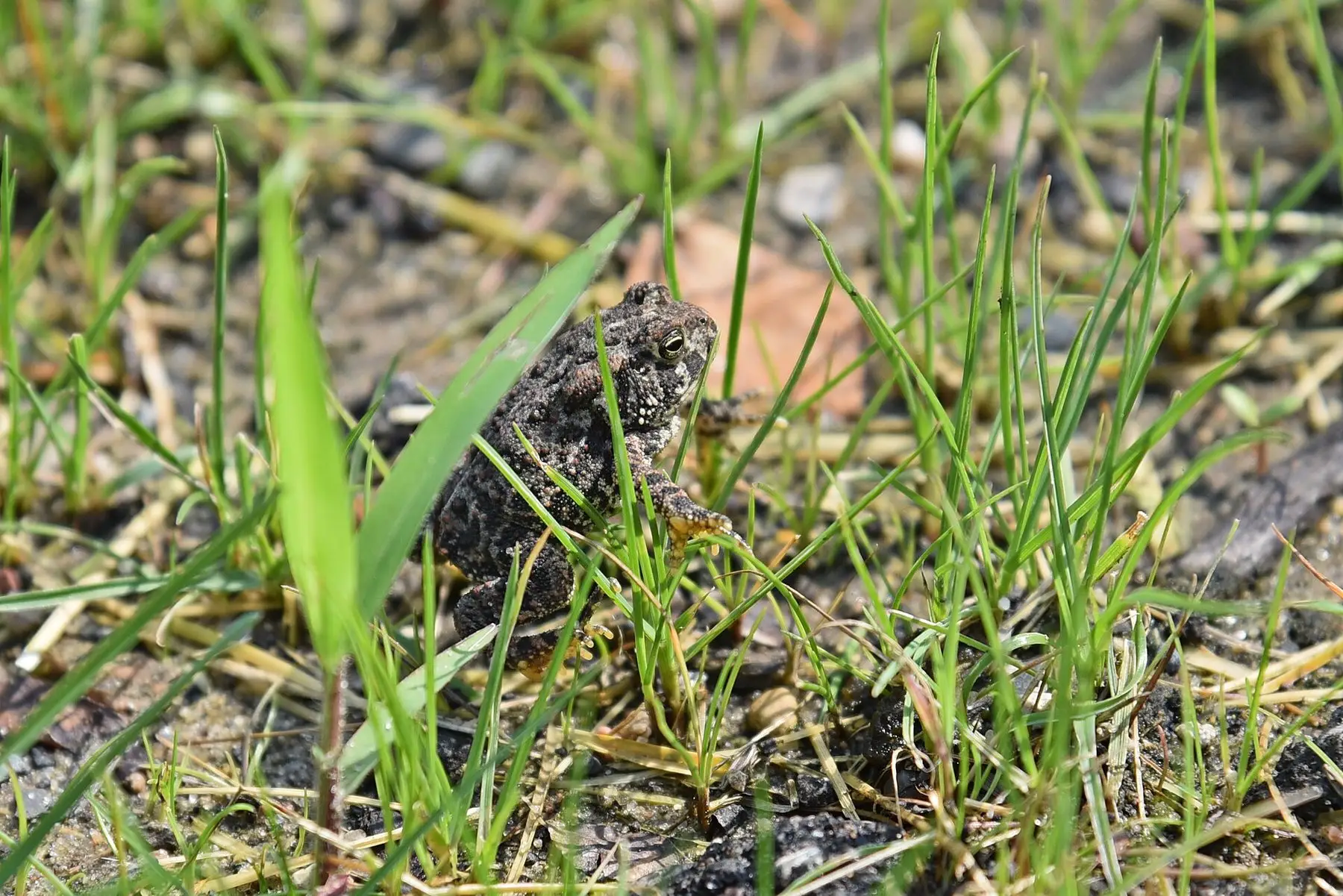
How to Get Rid of Frogs — 3 Fixes That Cut the Draw
How to get rid of frogs starts with the water and light drawing them in. 3 fixes compared for yards and pools. See which matches your problem.
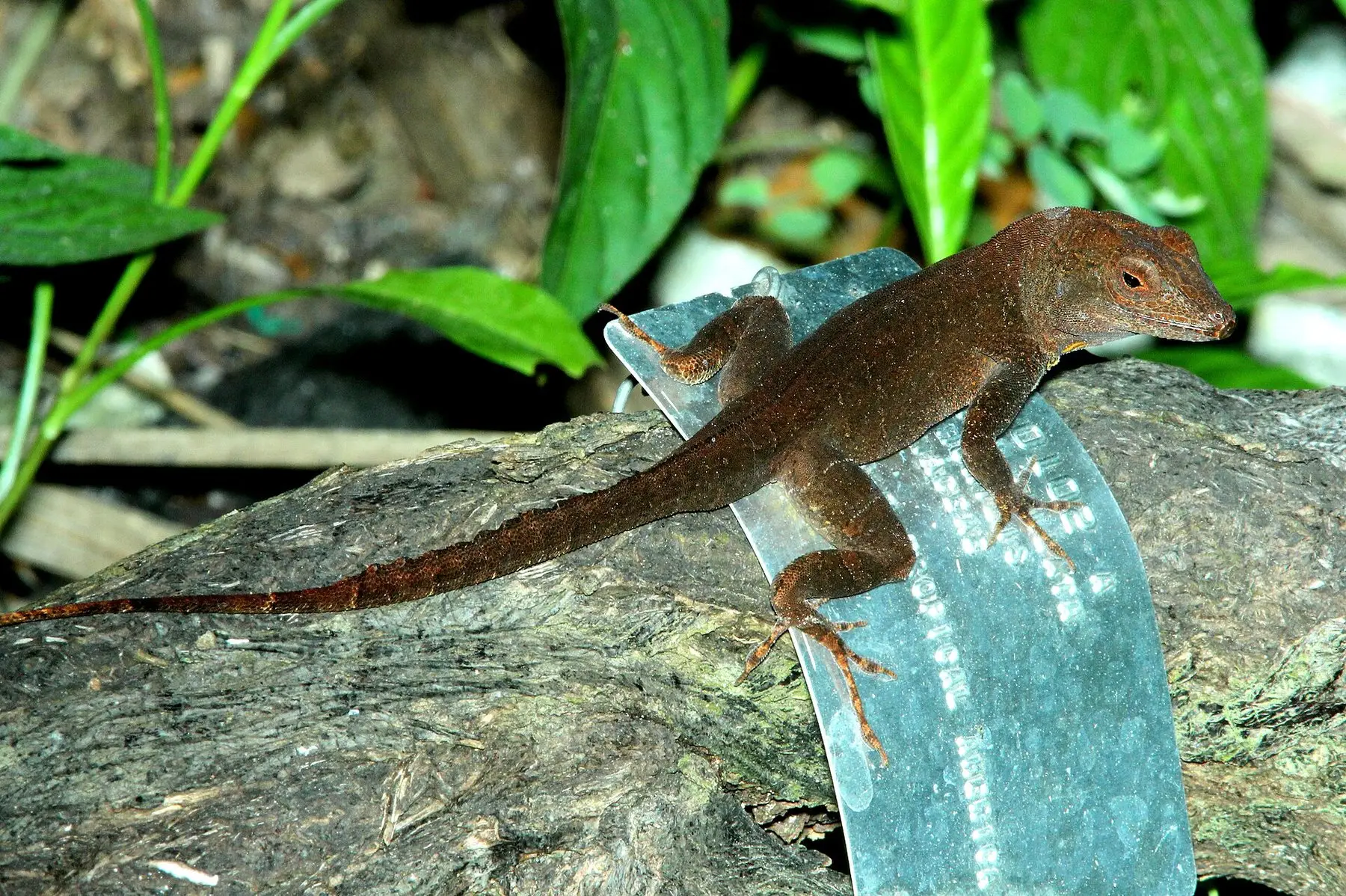
What Do Backyard Lizards Actually Eat?
Wild lizards in a garden are almost entirely insect-eaters, not the varied diet pet-care sites describe. What they hunt, and what draws more of them to your yard.
What Eats Algae in a Pond? Fish, Snails and What Actually Works
Algae eaters help at the margins, but nutrients cause algae and only nutrient control fixes it. What each species really does, and the order to tackle it in.