
Are Turtles Bad for a Pond? Usually Not, With Limits
One or two turtles in a garden pond are harmless and useful scavengers. Where they do real damage is fish stocks, liners and stocking density.
 By
On this page
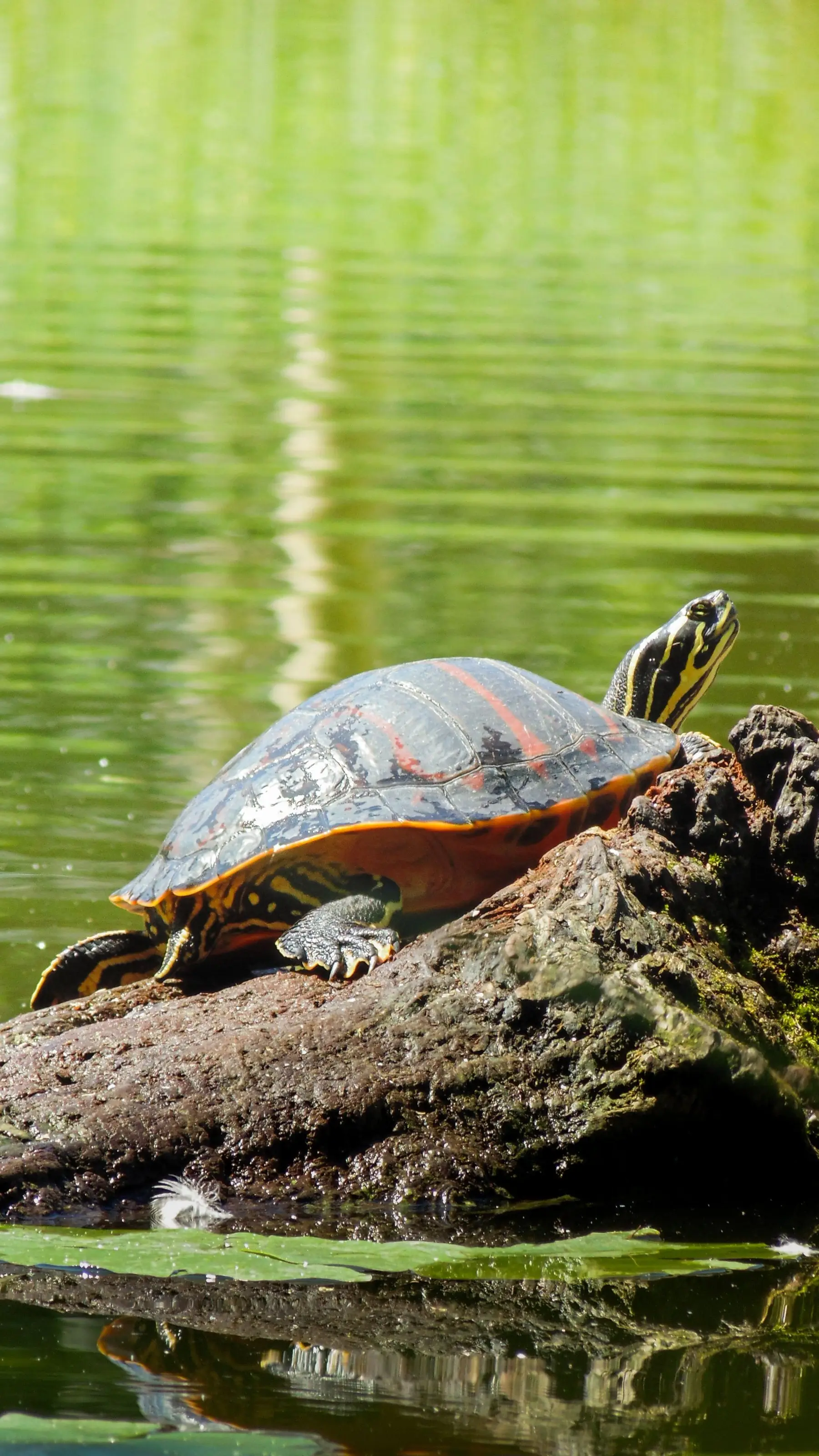
One or two: fine, and mildly useful. The problems are density, species and your liner — not turtles as such.
What they actually eat
| Eats fish | Notes | |
|---|---|---|
| Painted turtle, musk turtle | Rarely — mostly dead or dying | Insects, tadpoles, plants |
| Red-eared slider | Occasionally | Invasive outside its native range |
| Snapping turtle | Yes, actively, including large fish | The one to identify |
| Any species, tiny pond | Yes | Nowhere for fish to escape to |
Healthy adult fish usually outswim a turtle. What gets taken is what is already sick, and slow ornamental fish in a pond too small to escape in.
So the first question is not “is there a turtle” but “which turtle, and how big is the pond”.
The two problems people miss
Waste load. Turtles eat a lot and excrete accordingly. The ammonia they add is what tips a stable pond into green water and low oxygen — and it happens faster than people expect.
- About one medium turtle per 500 gallons
- Halve that with no filtration
Claws and liners
Turtles haul out at the same spots over and over, and their claws scuff a flexible liner at the waterline until it eventually punctures. Basking on a sunlit liner shelf accelerates it.
Give them rock, a shelf or a proper basking platform rather than bare liner to climb over.
Before you remove anything
Relocating native wildlife is restricted in many places
It is illegal across much of the United States and elsewhere, and moving a turtle to another pond spreads disease and usually ends badly for the animal.
Check your local wildlife rules first.
The situations that genuinely warrant acting:
- A snapping turtle in a small pond with fish you care about
- A red-eared slider outside its native range, where the problem is an invasive species rather than a turtle
Keeping them out, if you must
Exclusion works better than removal:
- A smooth vertical edge, eighteen inches or more above the waterline
- A low barrier fence set a foot back from the bank, base buried
- Remove easy basking spots at the edge — a pond with nowhere to warm up is much less attractive
- Steep deep sides discourage them more than anything else
For most garden ponds, though, a turtle is a sign the pond is working.
Common questions
Are turtles bad for a pond?
Do turtles eat pond fish?
Will turtles damage a pond liner?
How many turtles can a pond support?
Should I remove turtles from my pond?
How do I keep turtles out of a pond?
Backyard Weekly
Know what to plant, week by week
Join the weekly email for seasonal jobs, fixes for what is going wrong, and gear worth buying.
Not ready to subscribe? The planting calendar is free and needs no email.
By subscribing you agree to our privacy policy. Grow In Backyard will never sell your address.
Keep reading
What Do Pond Turtles Eat? Wild, and in a Backyard Pond
Most pond turtles start carnivorous and turn increasingly vegetarian with age. What arrives to eat naturally, what to feed, and why they eat your fish.
Can Goldfish Live in a Pond? Yes, and Without a Pump
Goldfish overwinter outdoors and survive unfiltered ponds that are deep enough, planted and lightly stocked. What a pump actually buys you, and when you need one.
Snakes in a Pond: Which Ones, and What to Do
Most pond snakes are harmless water-hunting species eating frogs and fish. How to tell them from a cottonmouth, and why removing the food removes the snake.
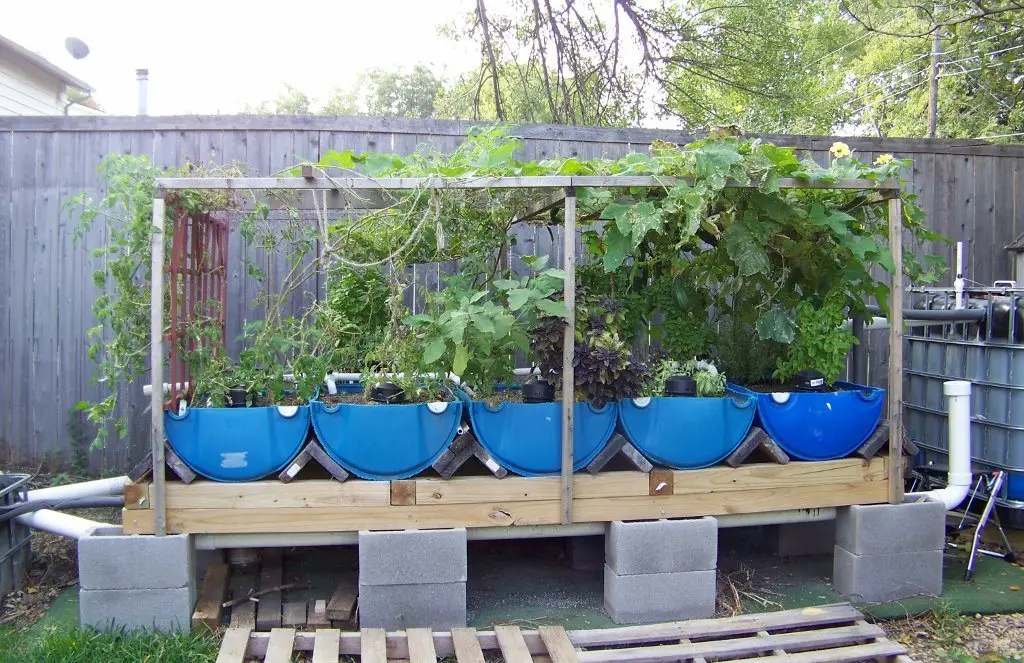
Backyard Fish Farming Kit — 6 Parts That Decide It Works
A backyard fish farming kit needs oxygen, filtration and heat first. We compare 6 components and the species each one suits. See which fits your climate.