
Backyard Animals ·
How to Get Rid of Geese in Your Pond, and Keep Them Out
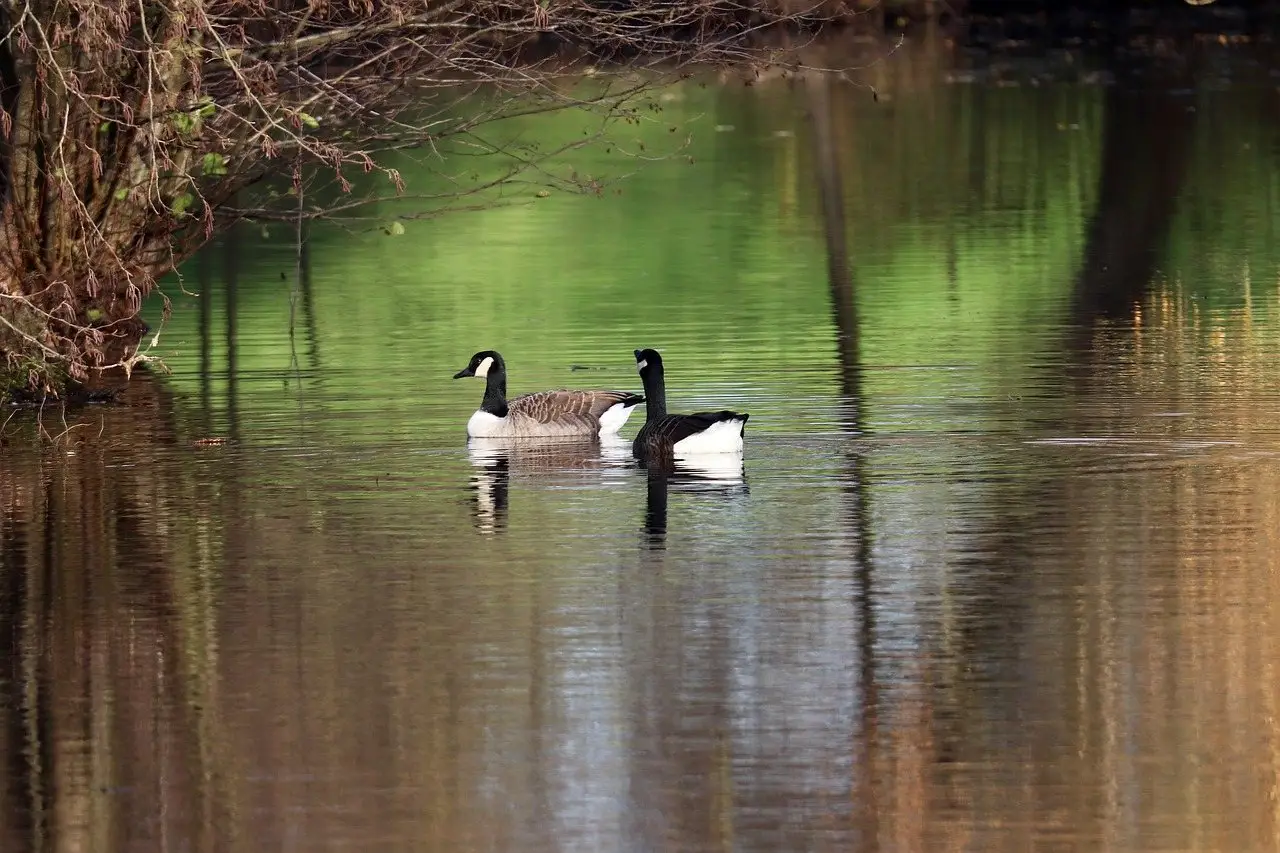
Geese pick a pond for open water, mown grass and a clear sightline. Change those three things and they leave — plus why feeding and fencing timing matter.
34 guides in Backyard Animals.
Geese pick a pond for open water, mown grass and a clear sightline. Change those three things and they leave — plus why feeding and fencing timing matter.
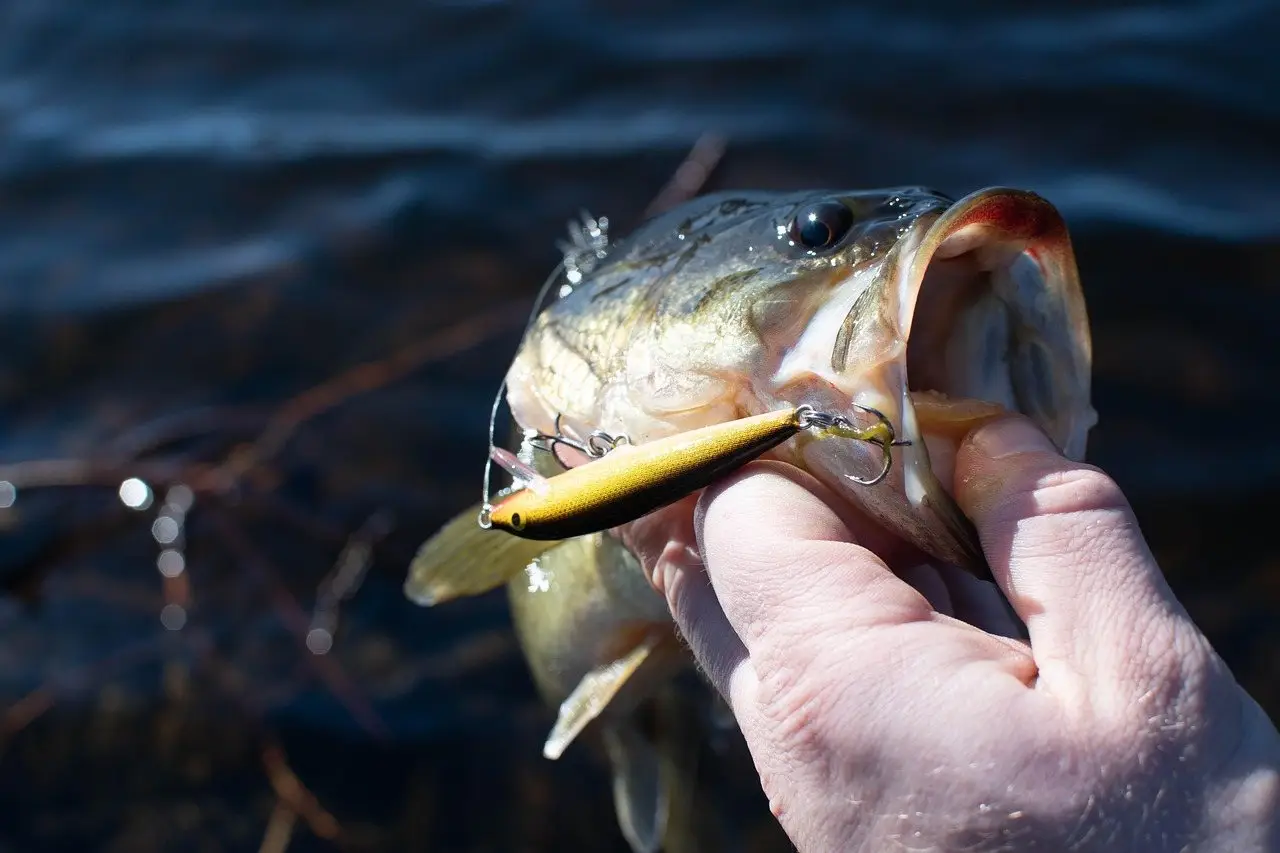
Lake bass is good eating, but as a predator it concentrates mercury. Check your state advisory, favour smaller fish, and know which waters to avoid.
You cannot dissolve too much oxygen in a pond, but you can overturn it, strip its CO2, chill it or stress the fish. What over-aeration actually breaks.
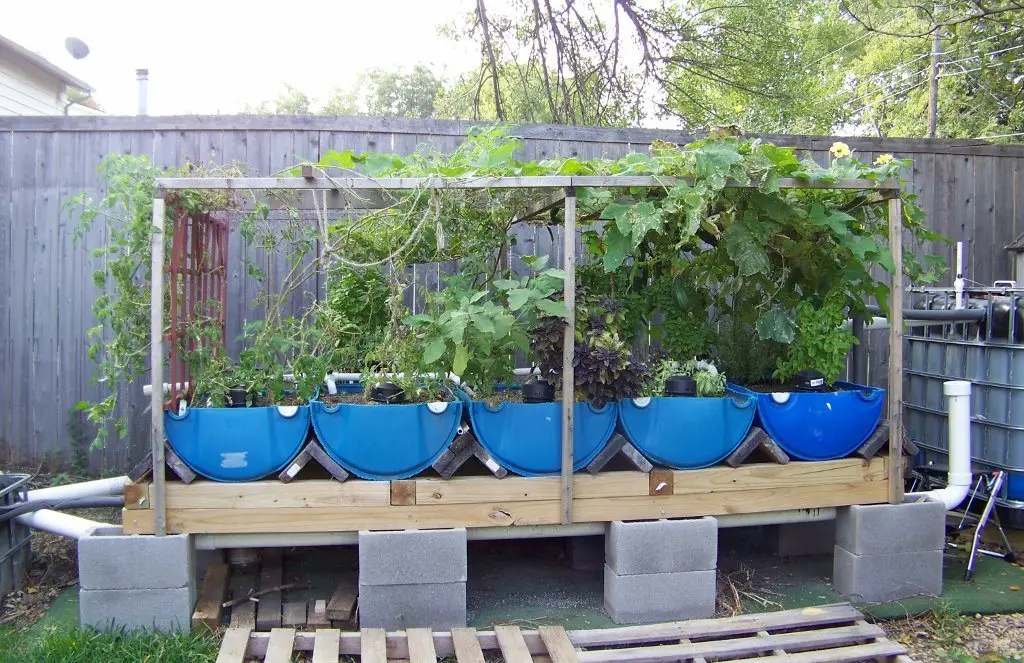
A backyard fish farming kit needs oxygen, filtration and heat first. We compare 6 components and the species each one suits. See which fits your climate.
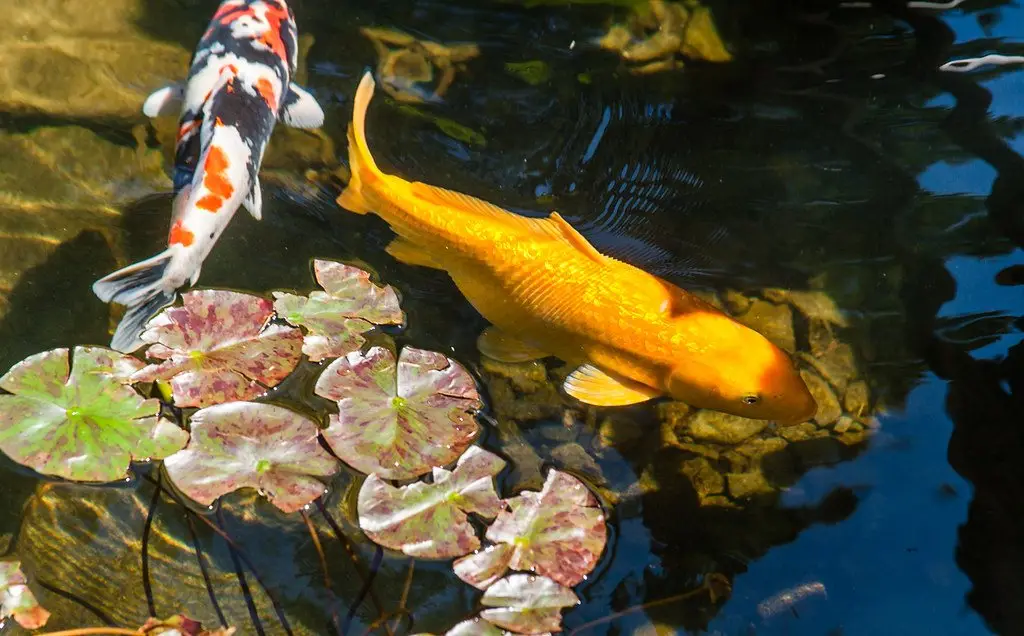
Koi pond cover ideas run from leaf netting to a framed predator guard. 5 builds compared on cost and looks. See which suits your pond.
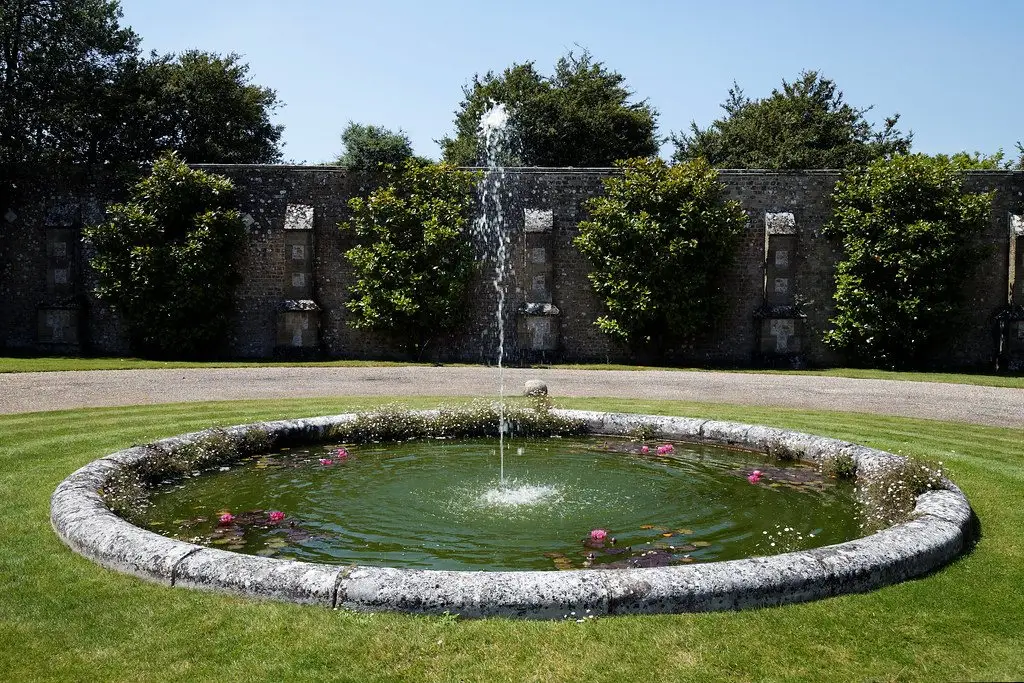
A pond aerator without electricity runs on solar or wind, with trade-offs. 5 picks compared by pond size and site. See which matches yours.
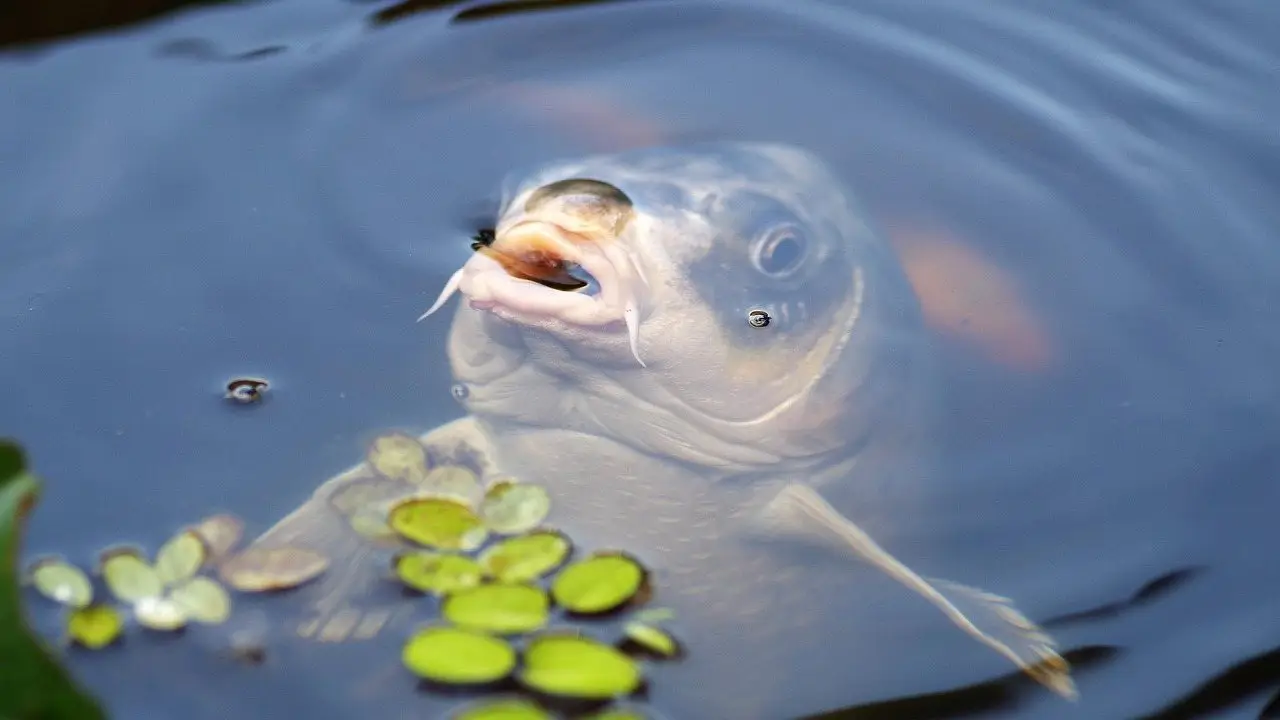
Lettuce, peas, watermelon and prawns all work as supplements. They stay supplements — pellets carry the vitamins a pond cannot, and bread harms.
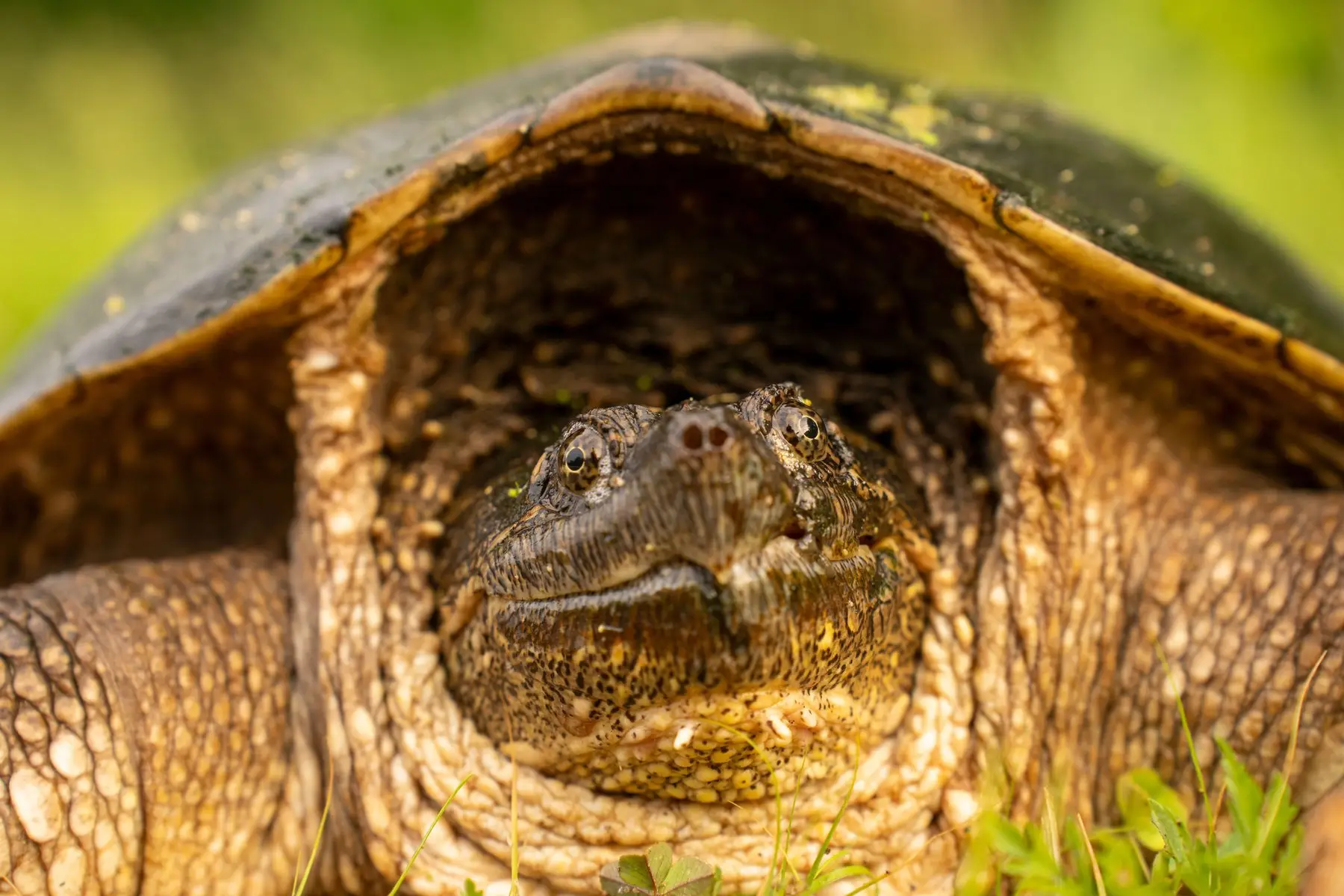
Most snapping turtles do far less damage than people assume. How to judge whether yours is a problem, what the law allows, and the options that work.
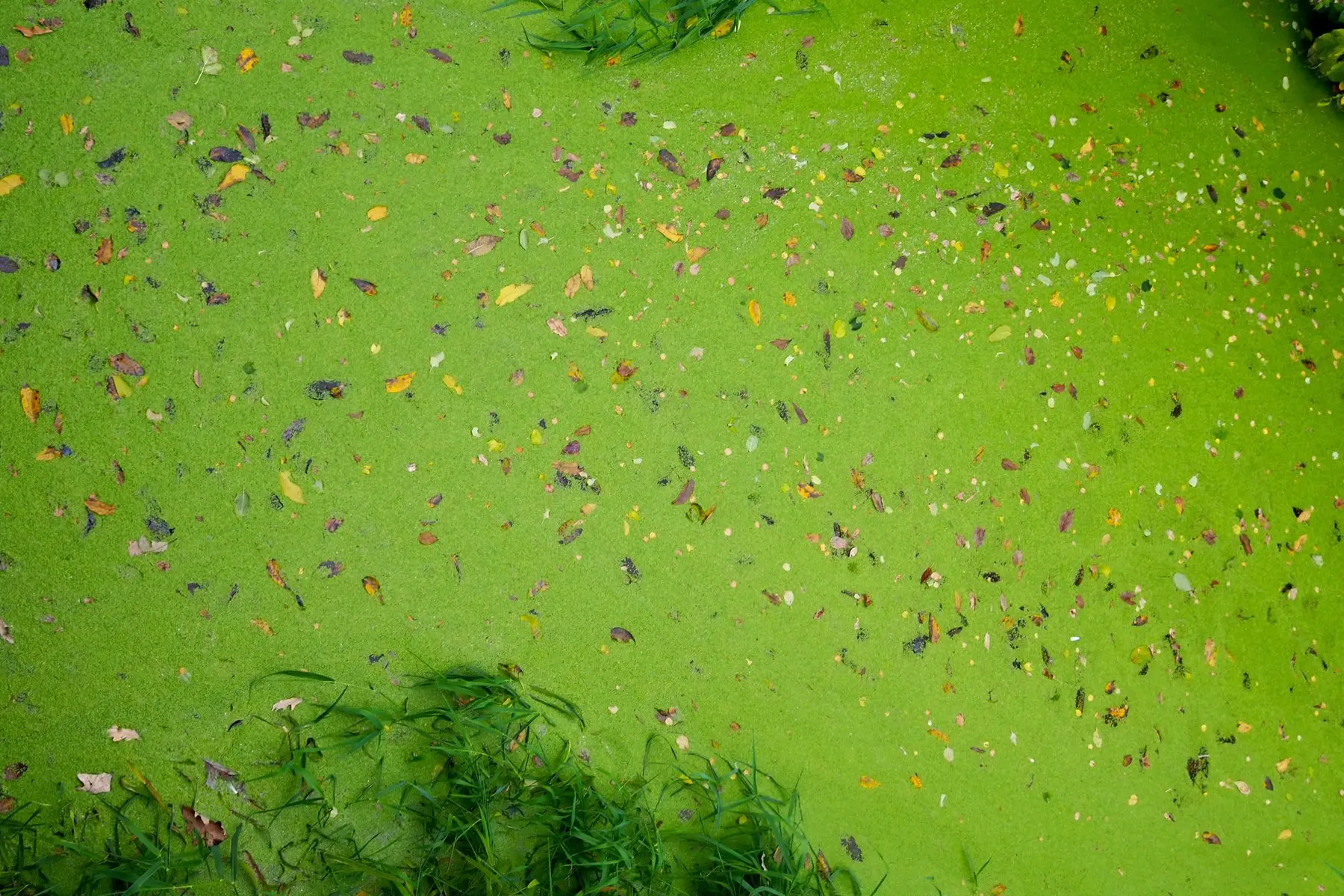
Fill it, restore it, convert it to a bog garden, or let it go wild. What each costs, what permission you may need, and how to pick before you dig.
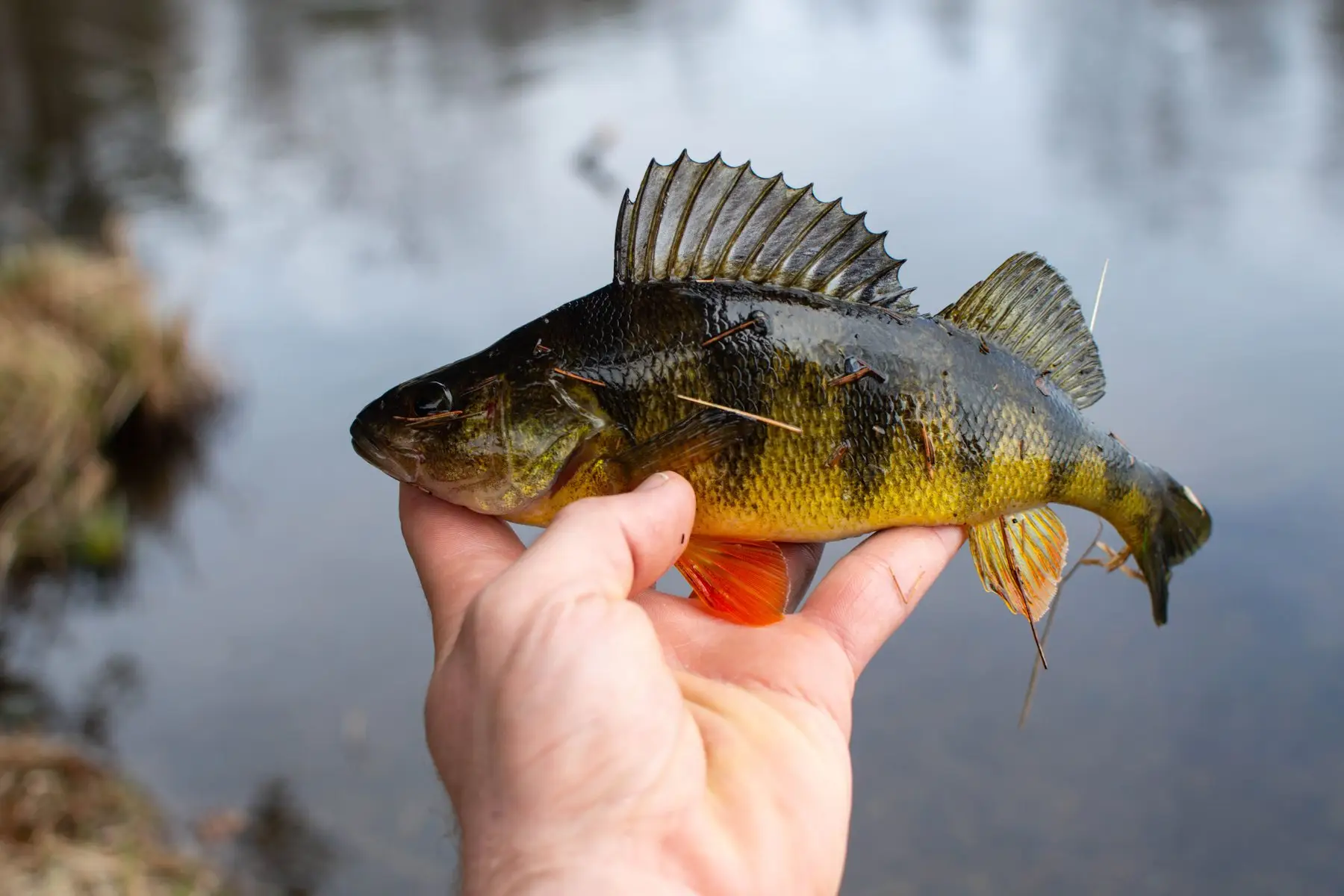
Yellow perch is mild, firm and widely considered excellent eating. The real question is the water it came from, not the species.
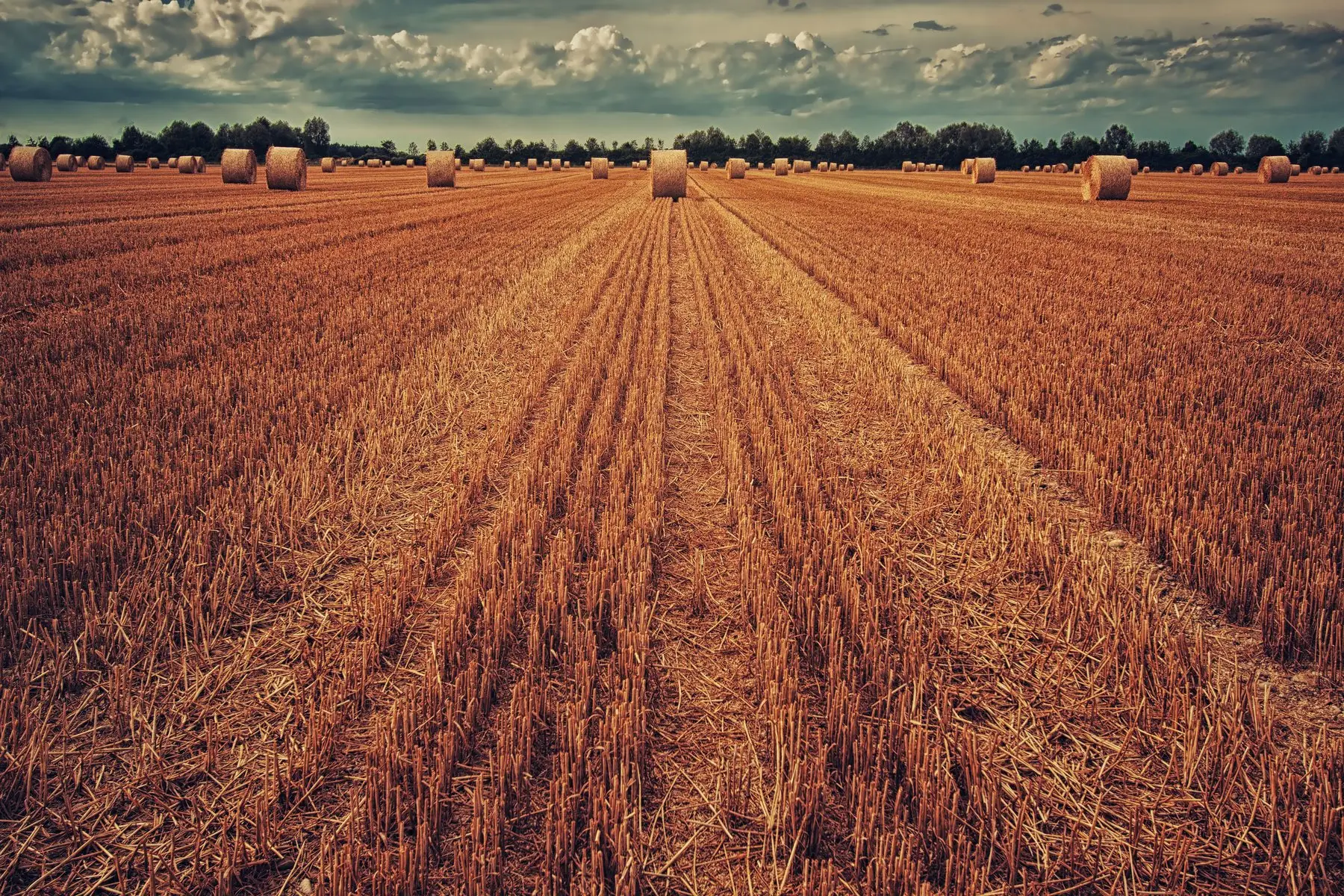
Decomposing barley straw releases compounds that suppress algae growth. It works slowly, it must be straw not hay, and the distinction matters.
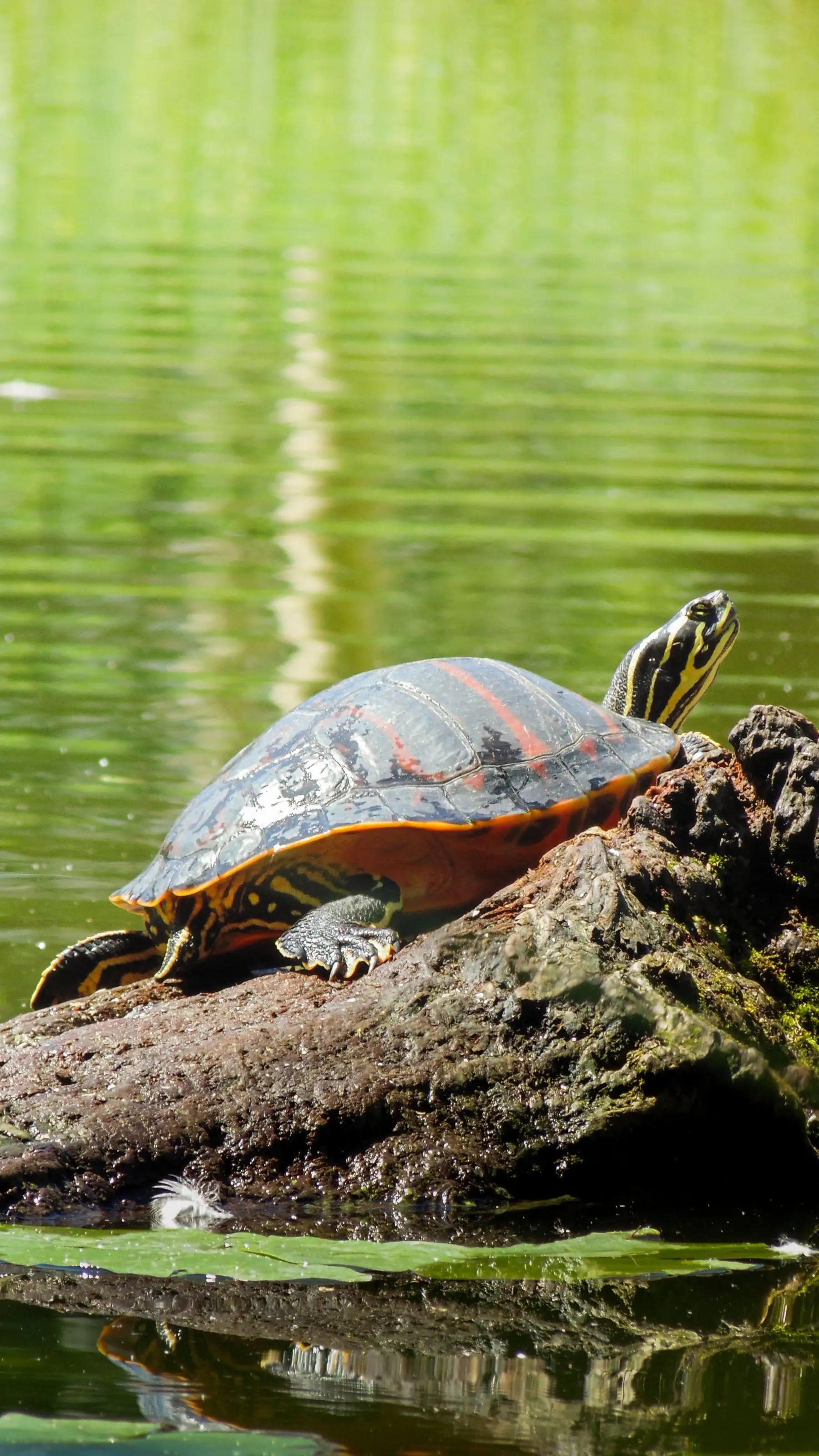
One or two turtles in a garden pond are harmless and useful scavengers. Where they do real damage is fish stocks, liners and stocking density.
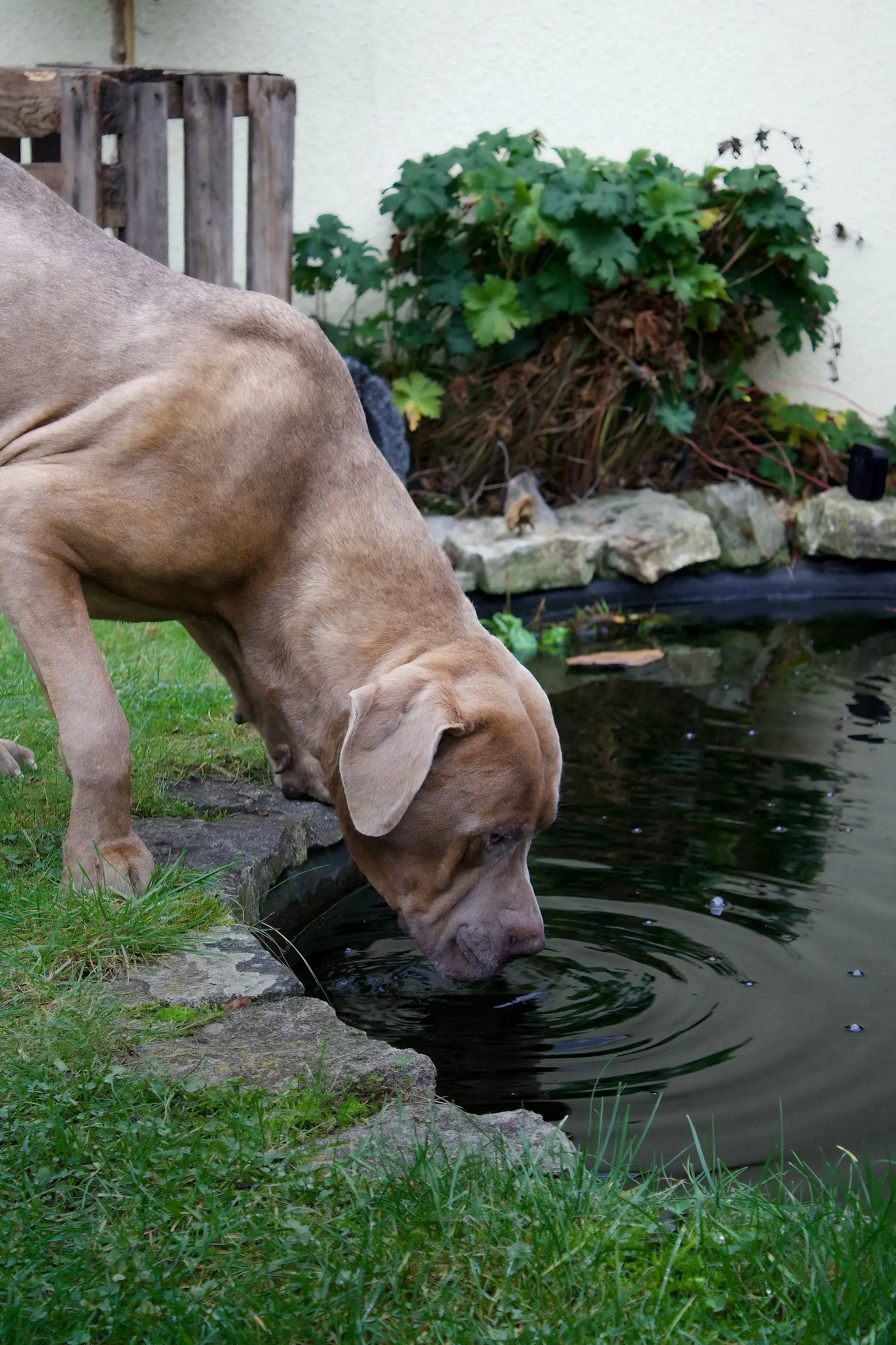
Most dogs drink from ponds without harm, but blue-green algae can kill within hours. What to watch for, and when a pond is genuinely unsafe.
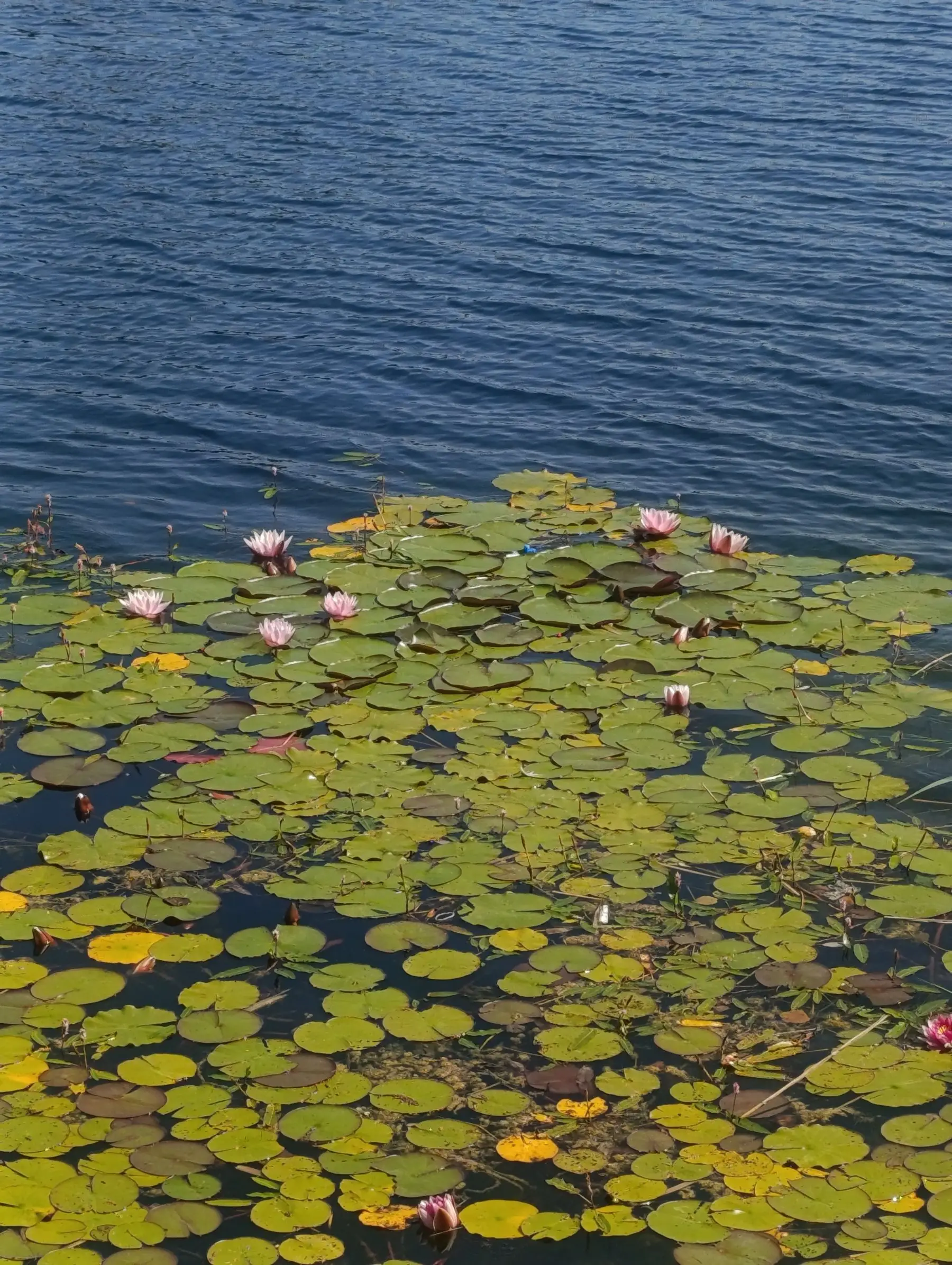
Pond dye typically holds four to eight weeks, less in shallow water or after heavy rain. What shortens it, how much to use, and whether it is safe.
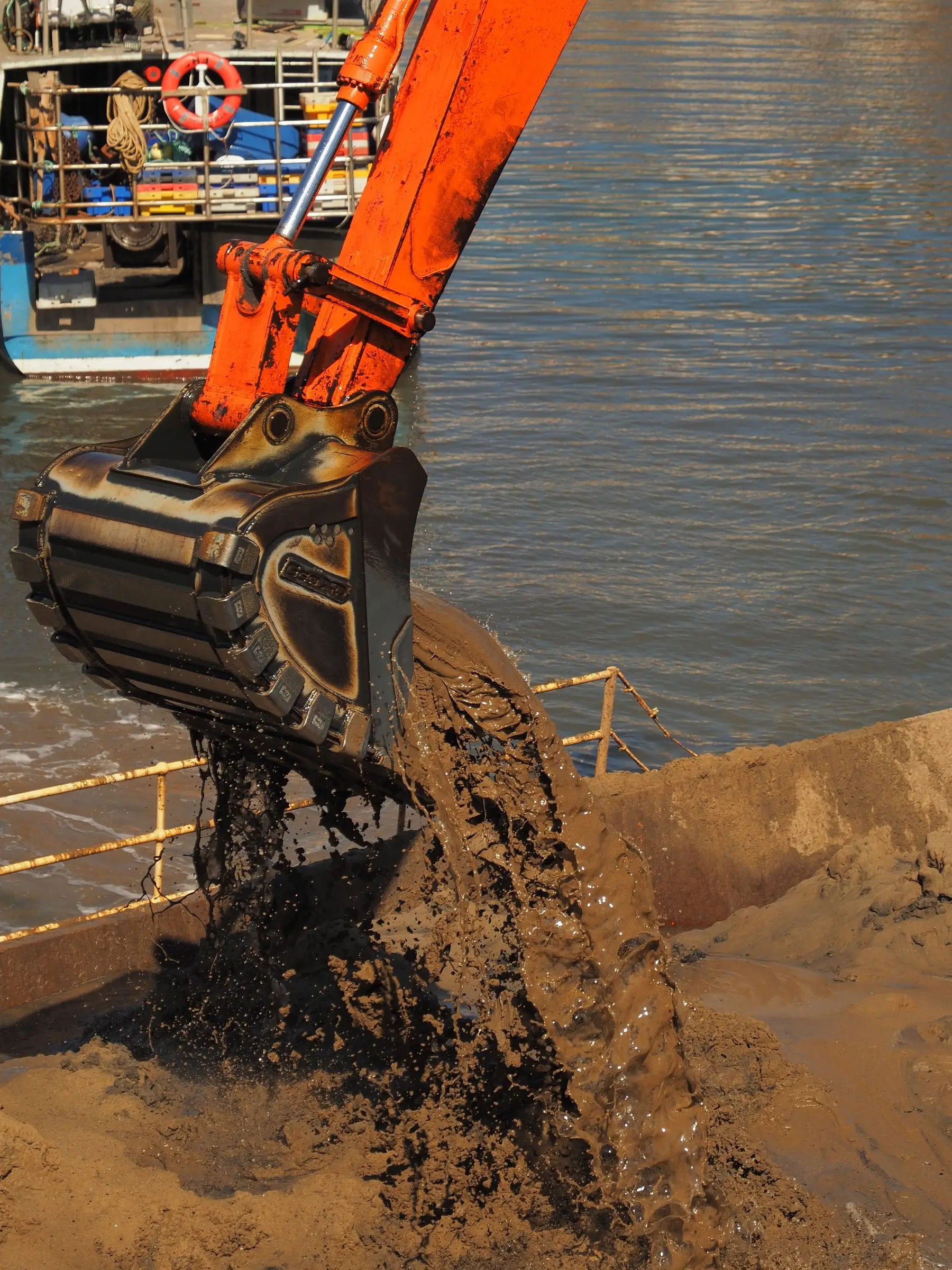
Silt builds an inch or two a year until a pond is shallow and green. The four dredging methods, what each costs, and the permits that catch people out.
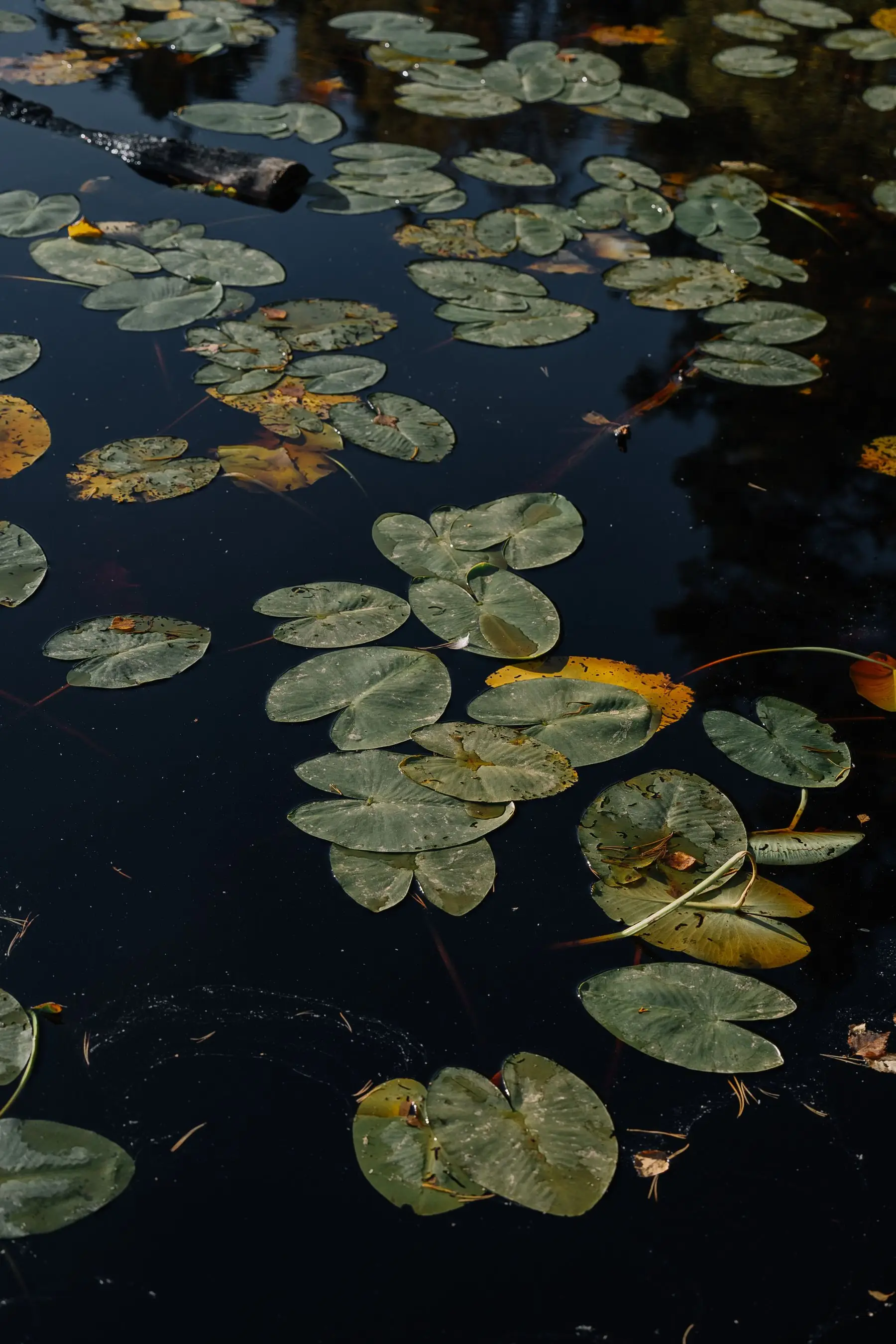
Water lilies shade out algae and shelter fish, but past about half the surface they starve a pond of oxygen. The right coverage and how to hold it.
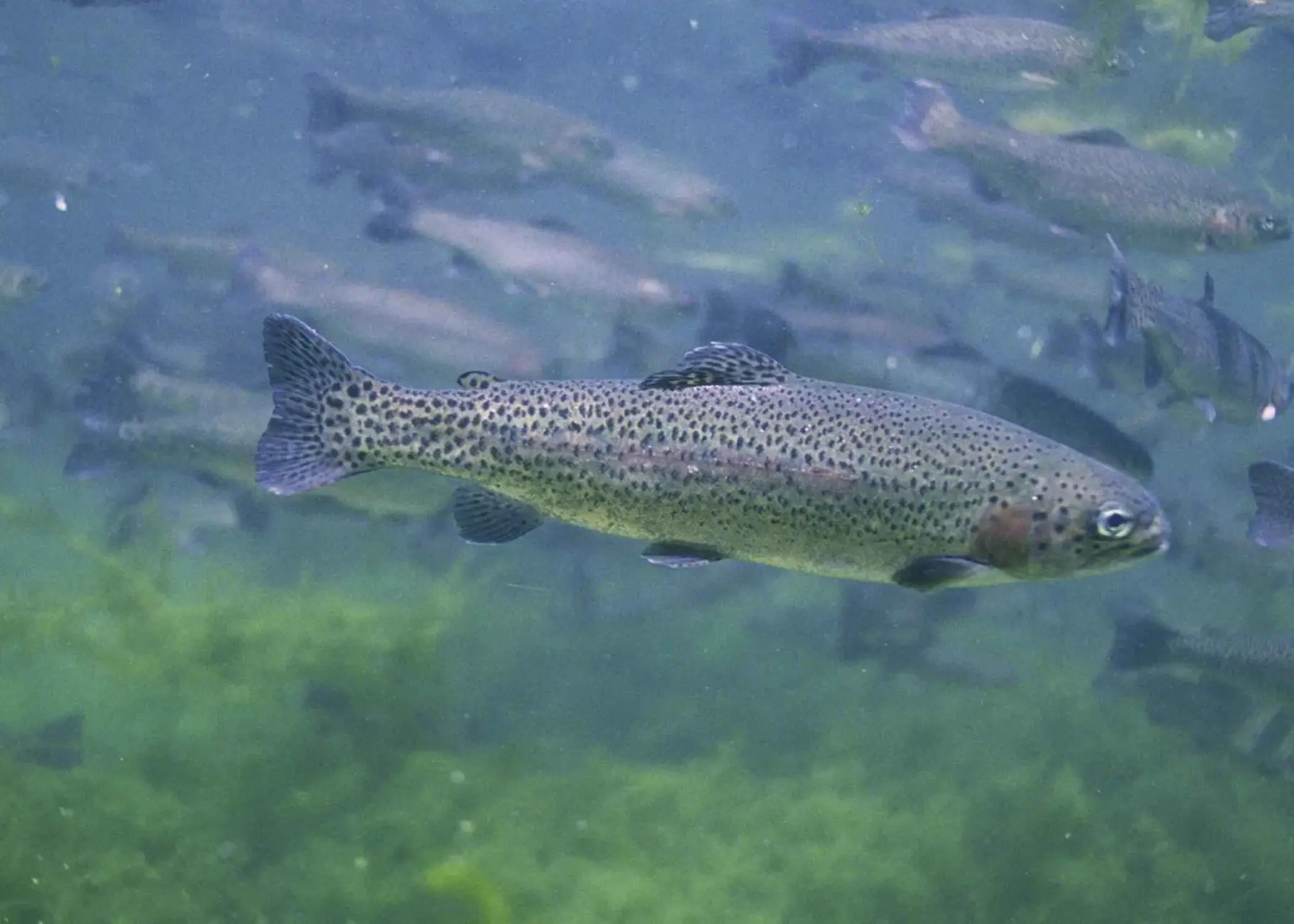
Trout need cold, oxygen-rich water most backyard ponds cannot hold through summer. The thresholds, the depth needed, and honest alternatives.
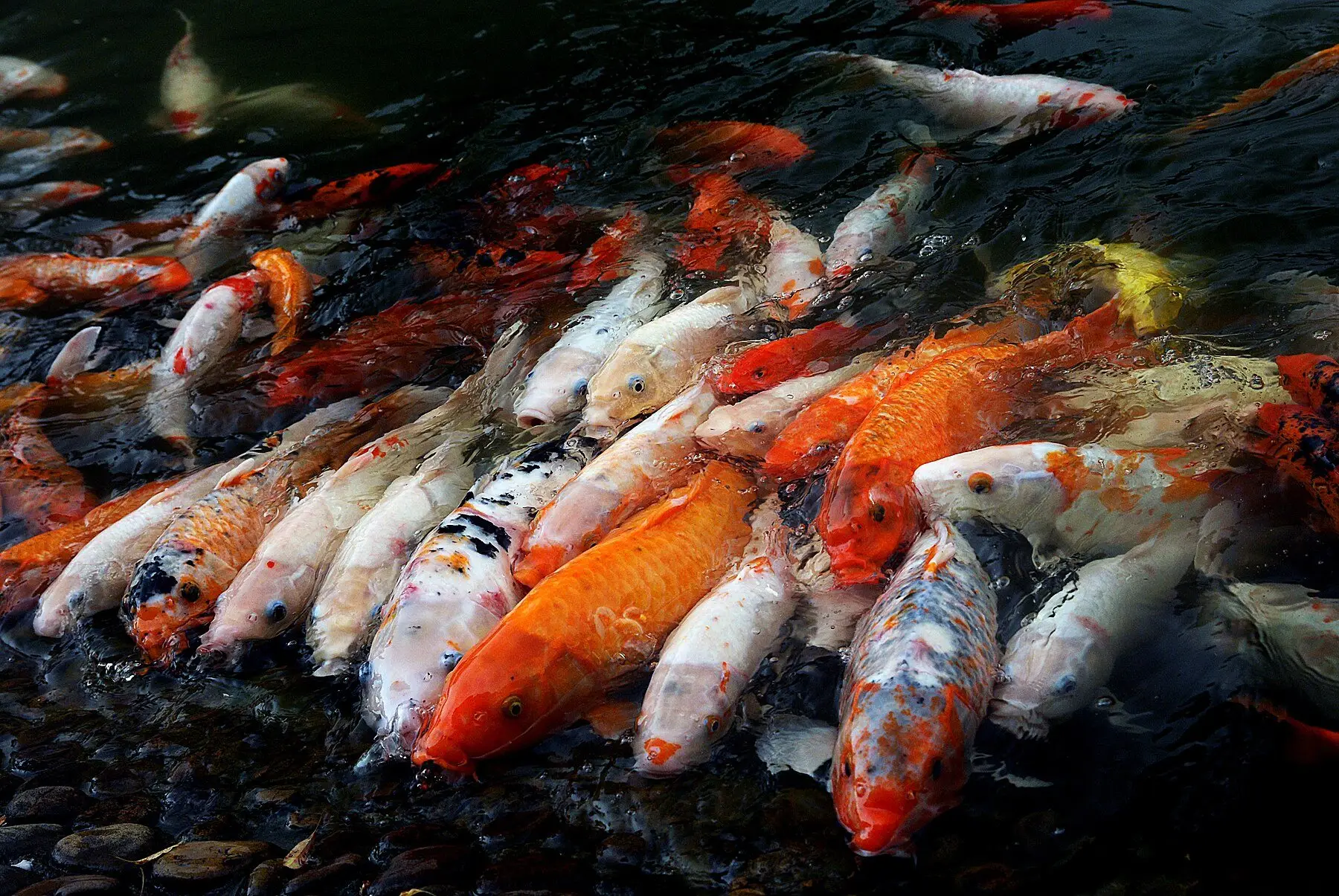
A pet-store koi is $15 and a show-grade one is five figures. What drives the price, and why the pond costs far more than the fish ever will.
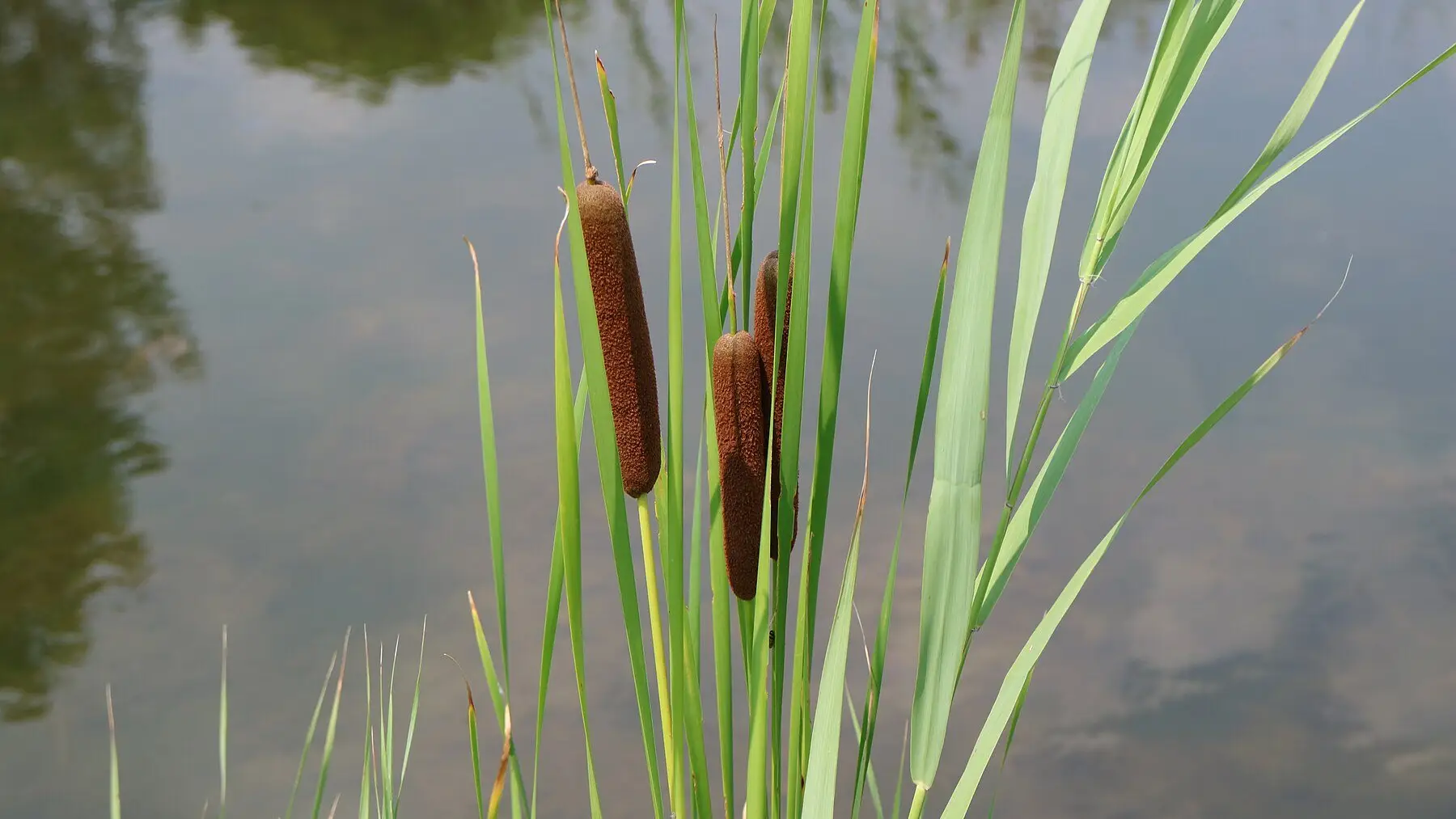
Cattails spread by rhizome, so cutting alone makes them denser. Cutting below the waterline, timing, and why leaving a third of them is sensible.
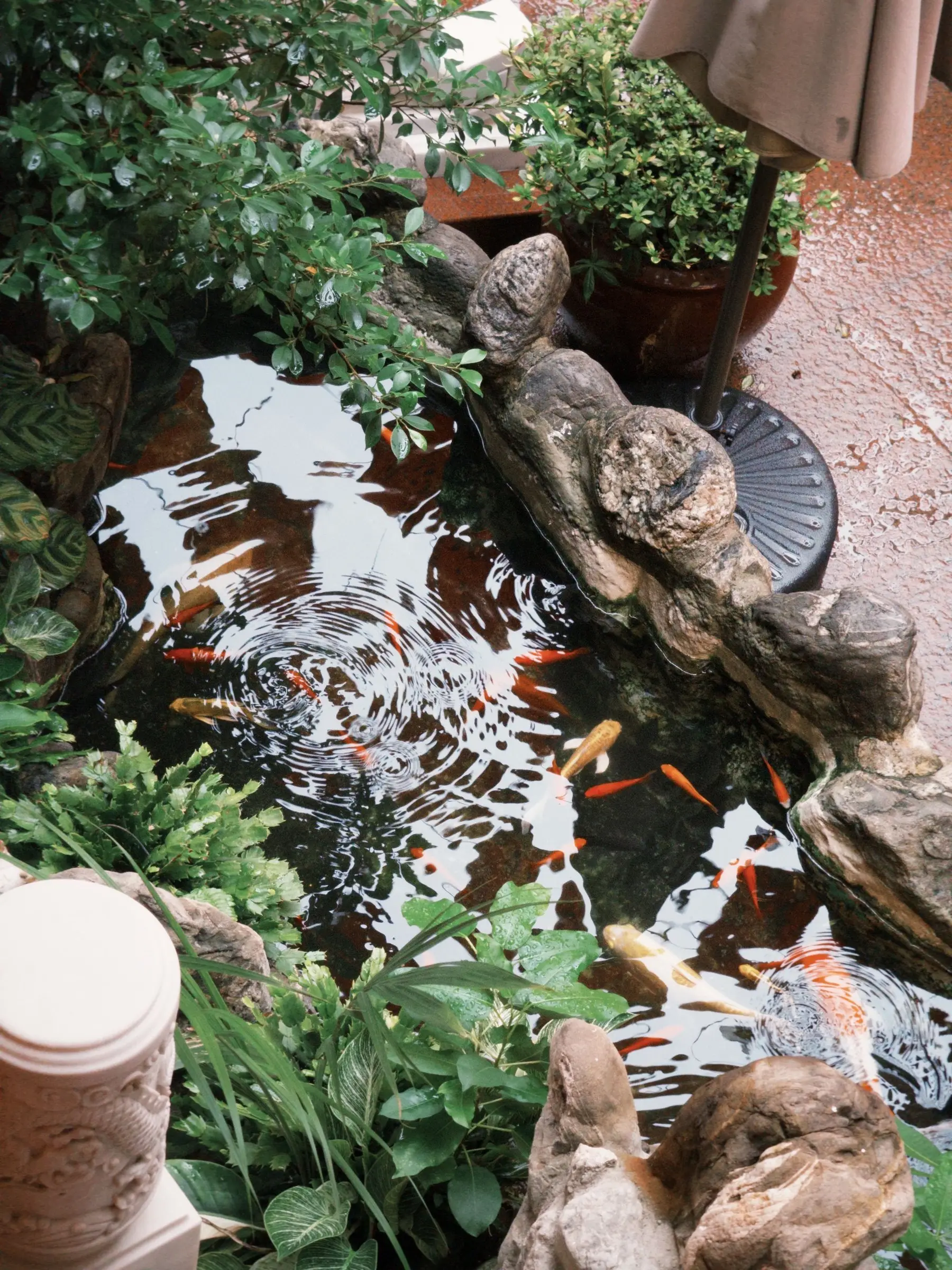
A visible liner rim is what makes a pond look artificial. Overhanging stone, a bog shelf, planted margins and the trick of burying the top edge.
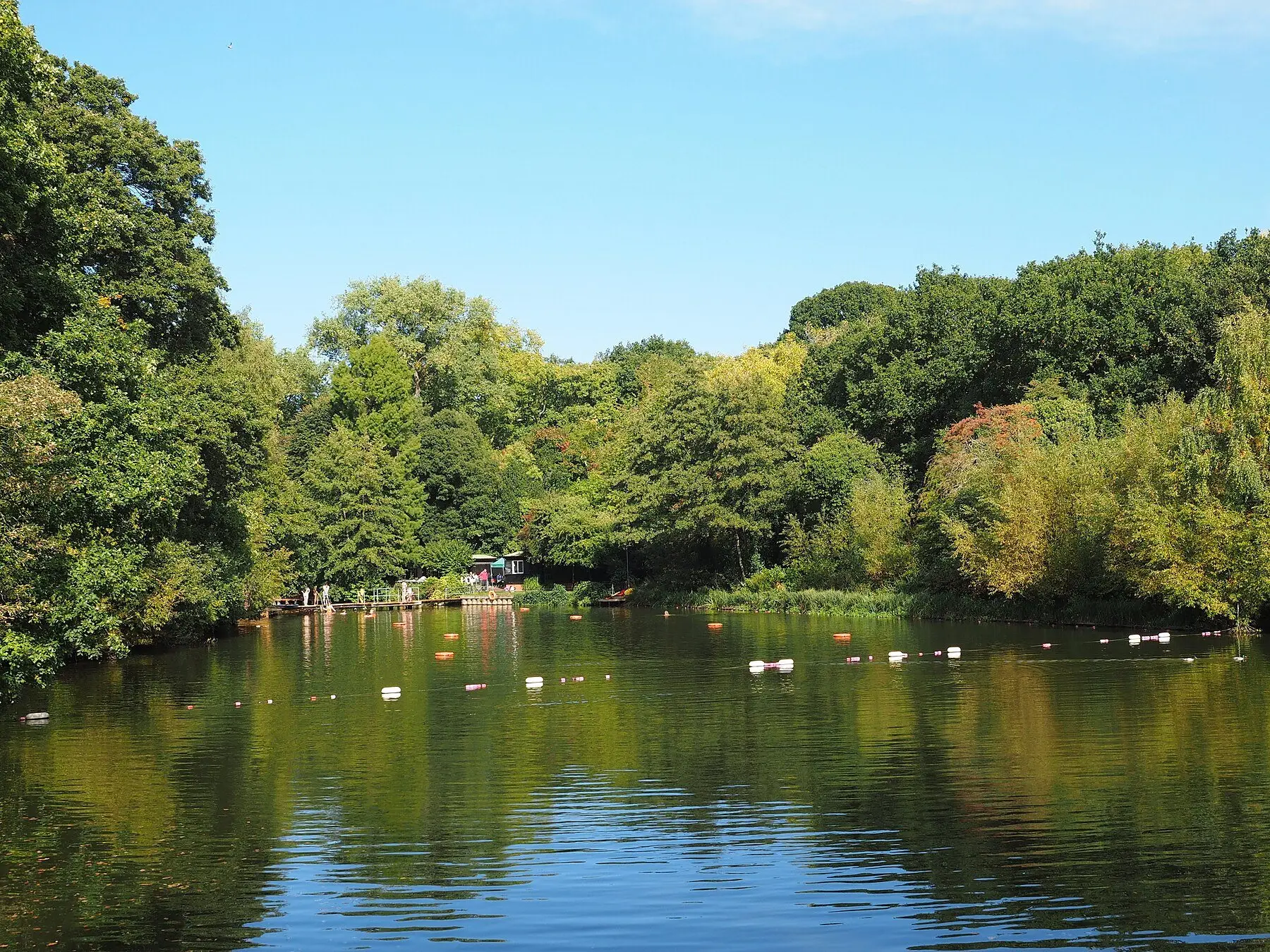
A pond can be safe to swim in, but not a garden fish pond. The real hazards, the algae you must never enter, and how to tell a swimmable pond from a risk.
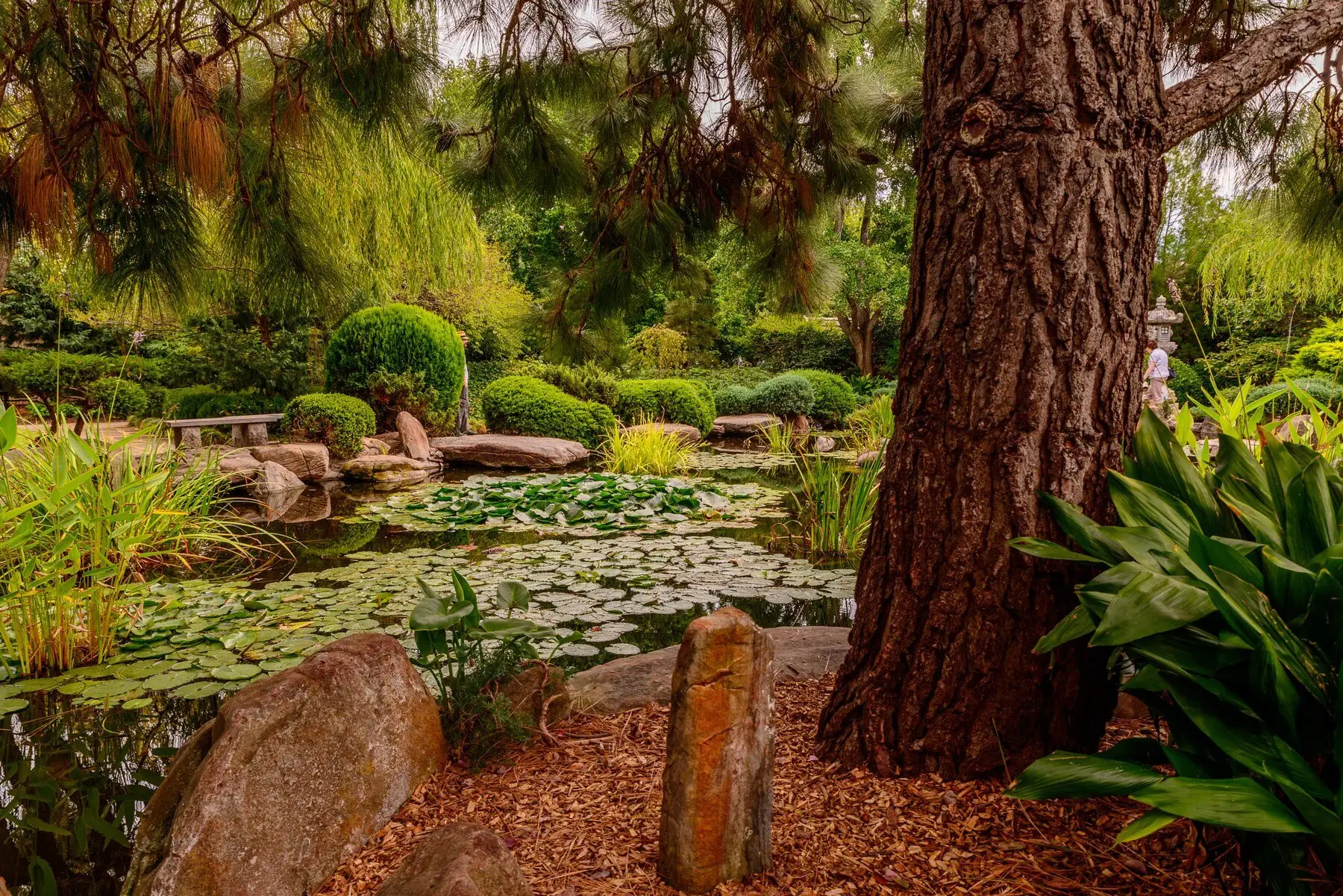
A wildlife pond wants shallow margins, koi want four feet, and freezing winters set the floor. The depths that matter, and the shelf plan that serves both.
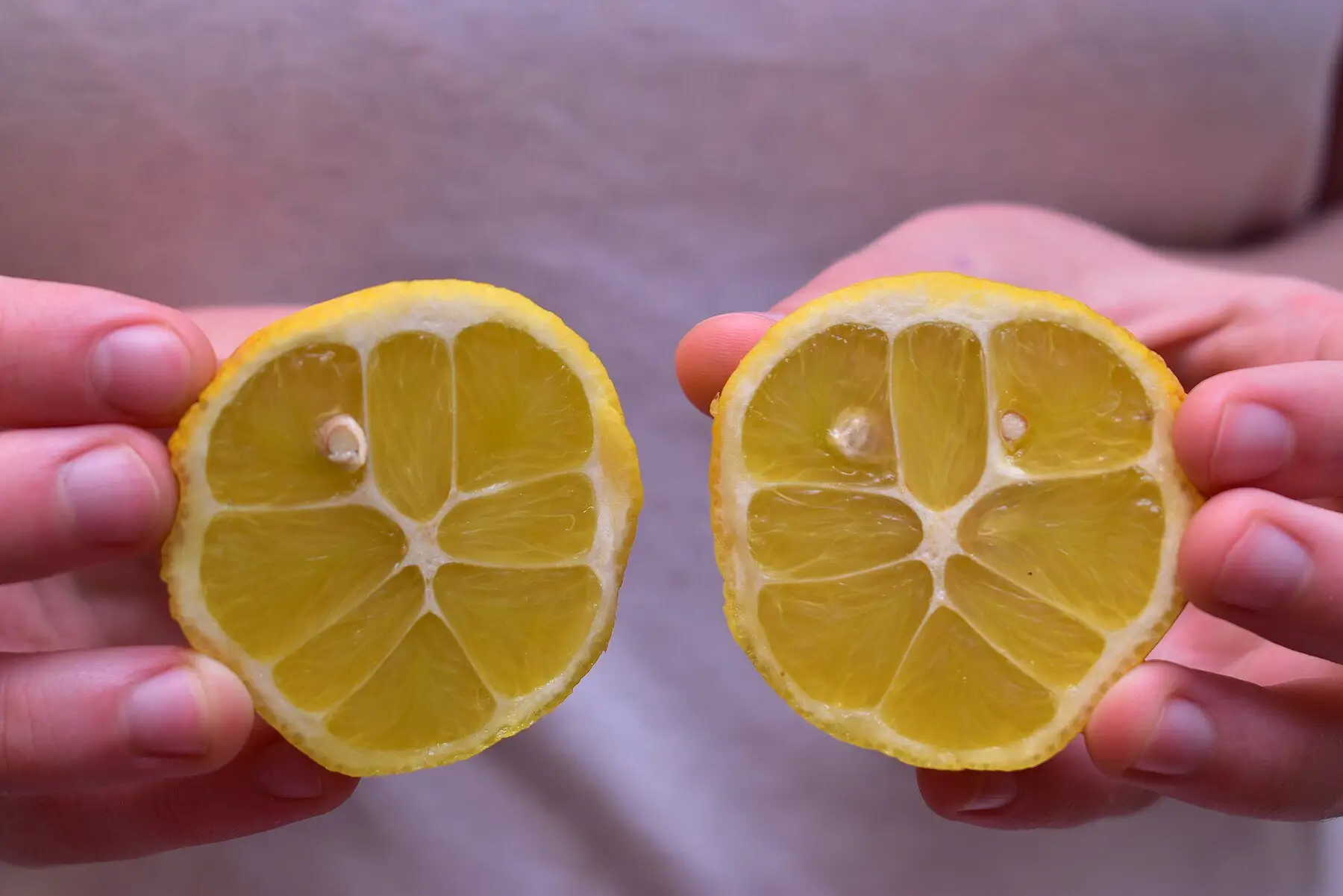
Fish odour is an alkaline amine, so acid neutralises it and soap alone does not. Lemon, vinegar and stainless steel, ranked by what actually happens.
Pond water is a free, mild fertiliser and better than tap water for most plants. The two situations where it does harm, and how to use it properly.
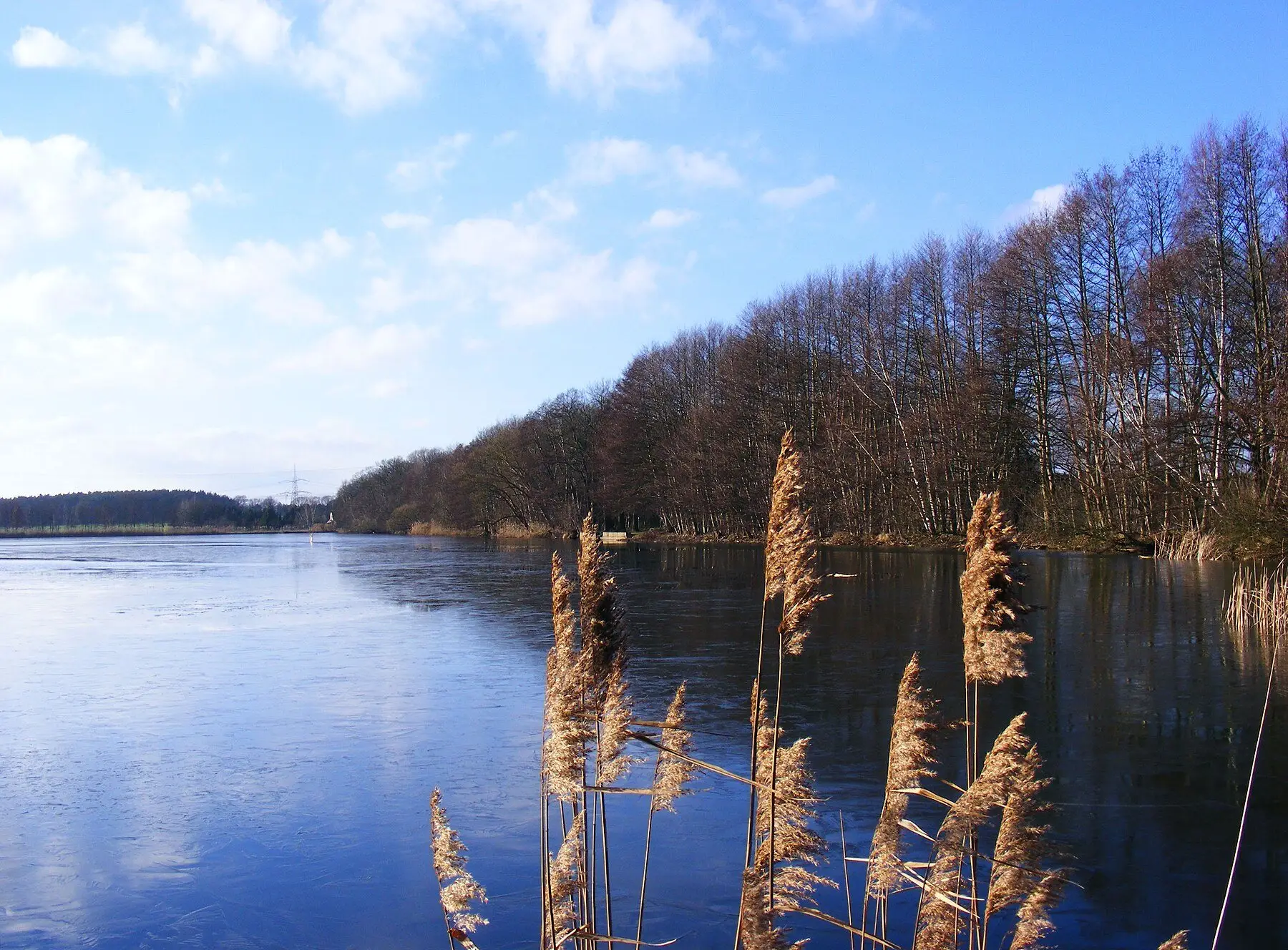
A big pond needs planting in zones, not a border around the edge. Shoreline planting, access points, and the mistakes that make a large pond look small.
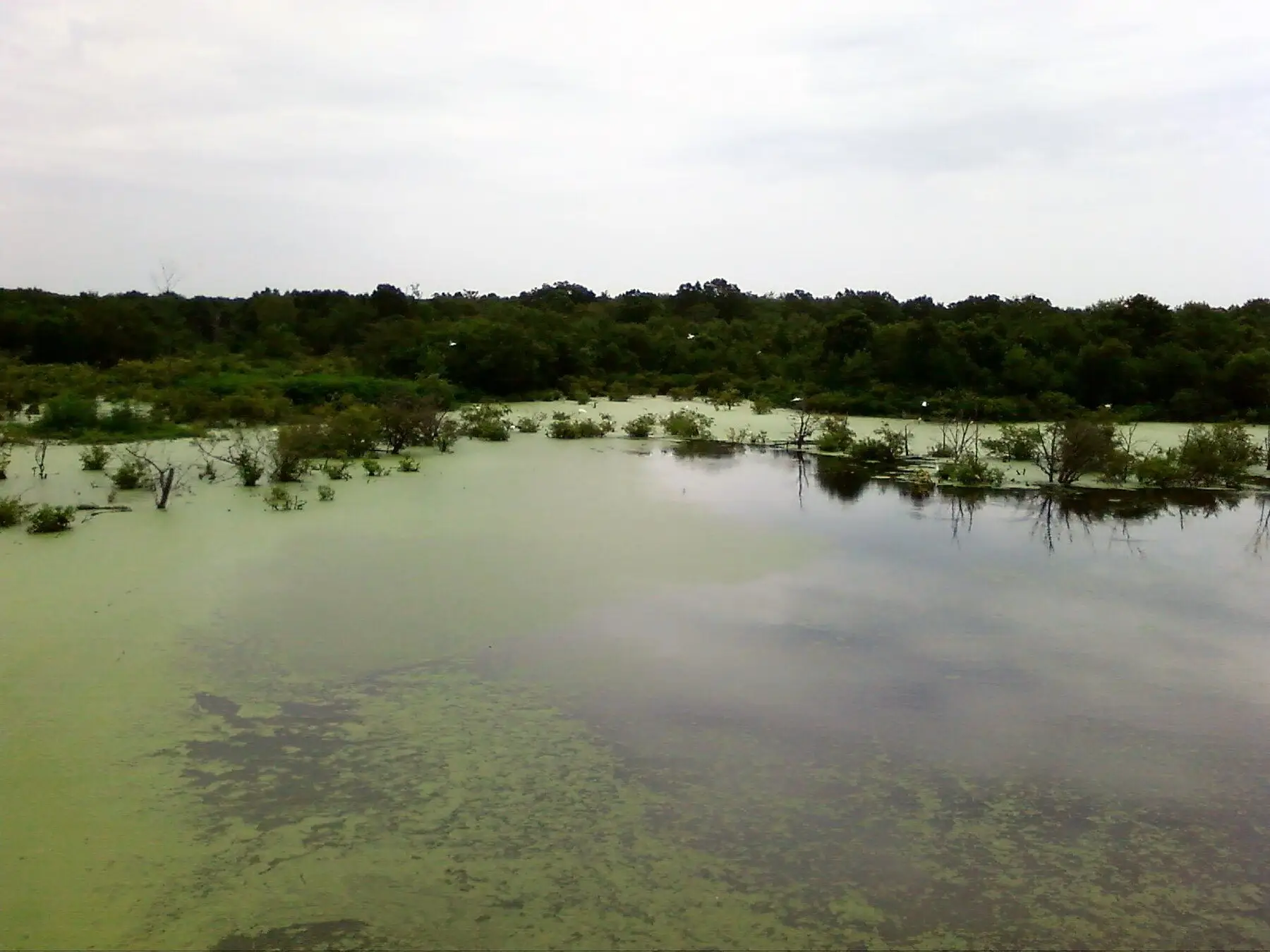
Algae eaters help at the margins, but nutrients cause algae and only nutrient control fixes it. What each species really does, and the order to tackle it in.
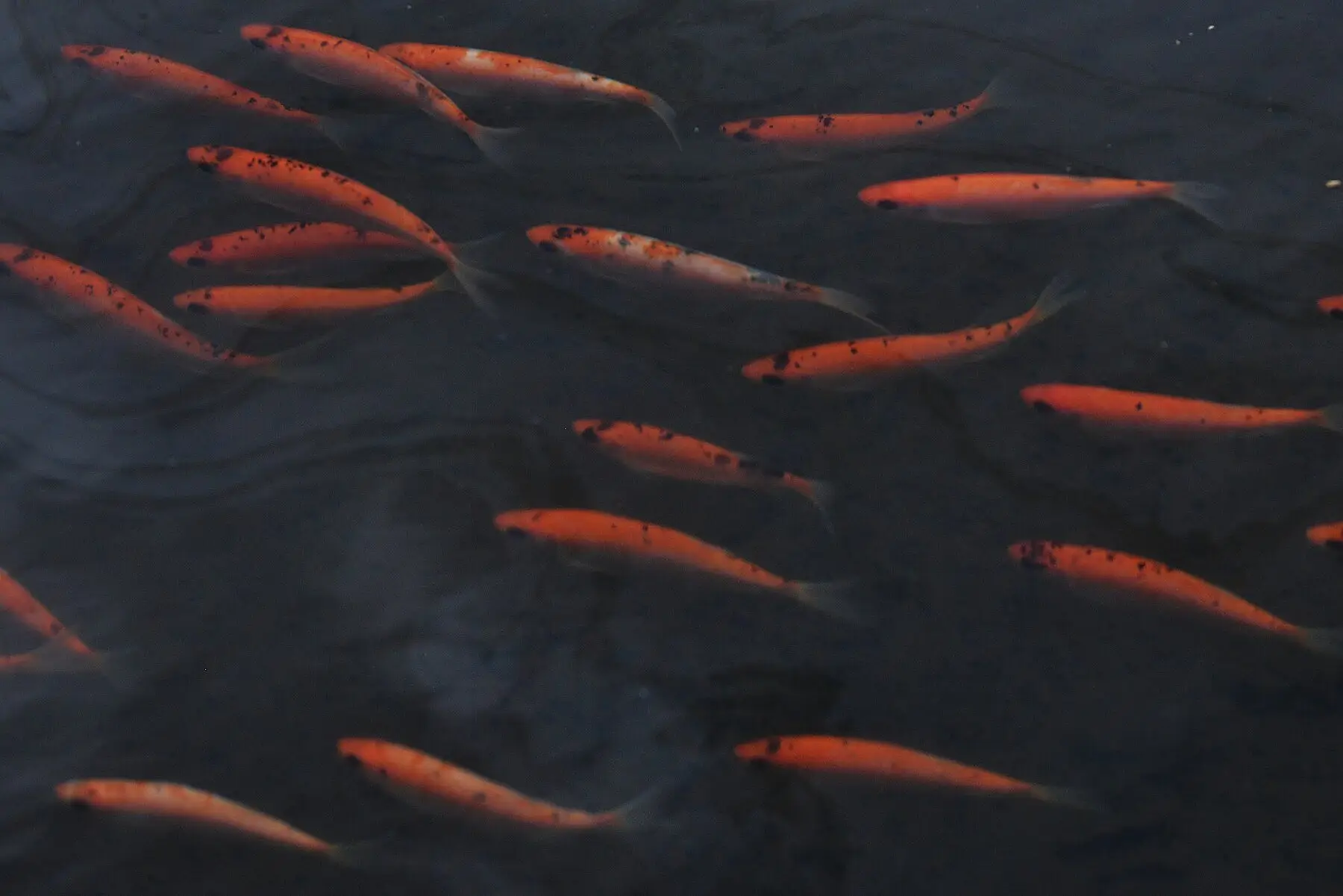
Goldfish and shubunkins suit small ponds; koi do not. Stocking limits by volume, which species survive a frozen winter, and what actually eats algae.
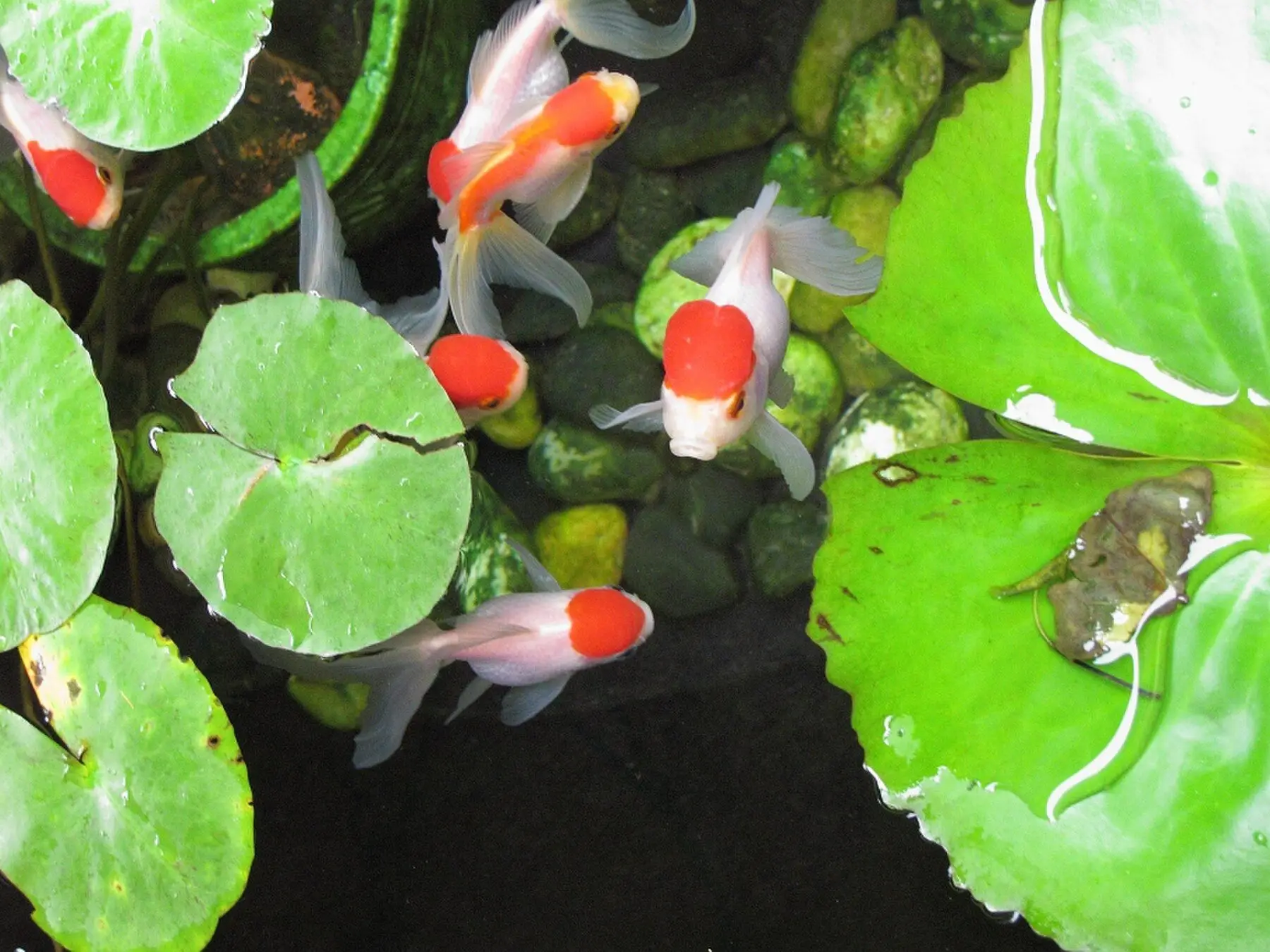
Goldfish overwinter outdoors and survive unfiltered ponds that are deep enough, planted and lightly stocked. What a pump actually buys you, and when you need one.
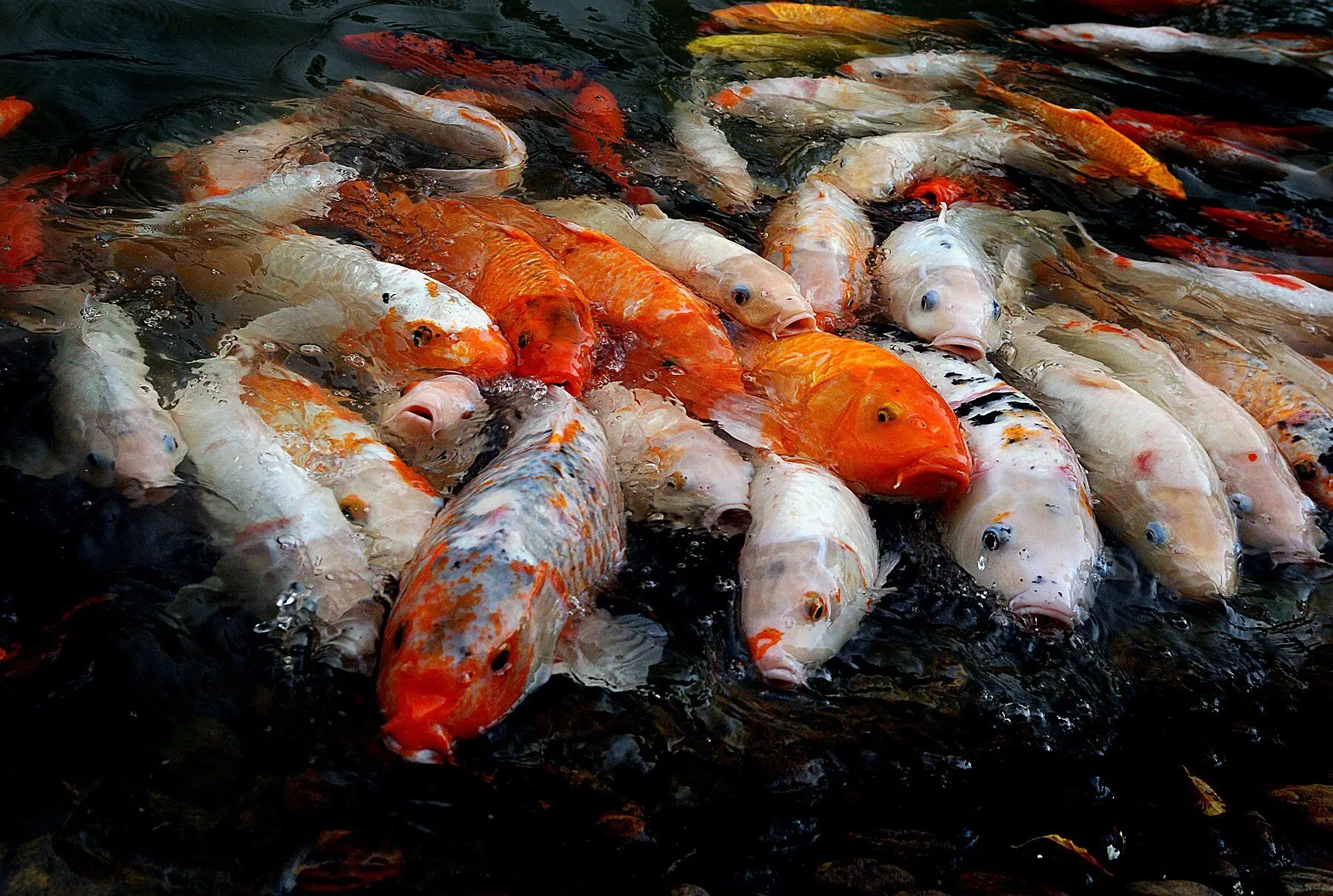
Koi are ornamental common carp, entirely edible and eaten across Asia and Europe. Why the fish in your pond is still a bad dinner, and the real risks.
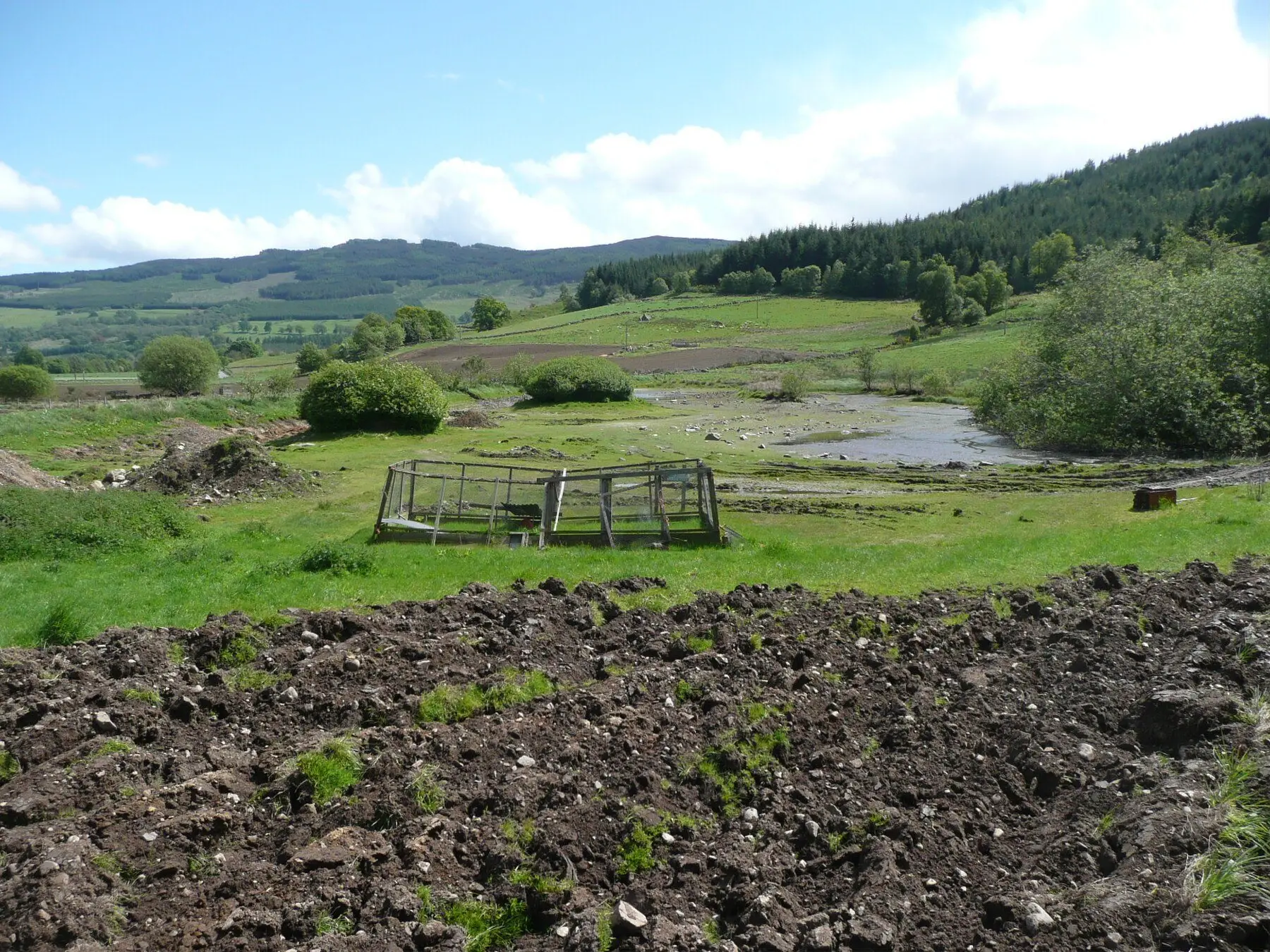
Rehome the fish, check whether you need a permit, remove the liner and muck, then backfill in compacted layers. Why a filled pond sinks for years if you rush it.
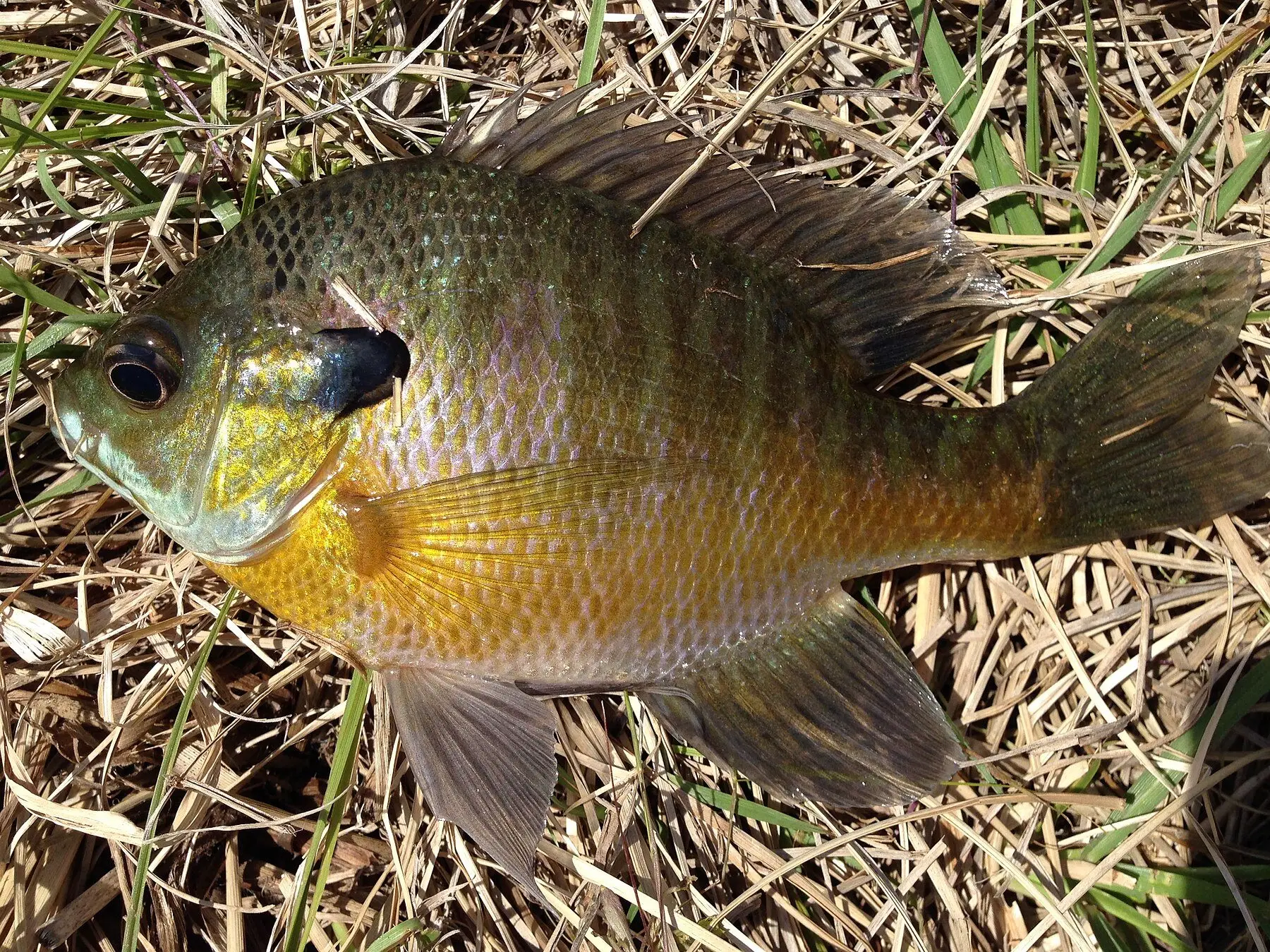
Stocking ratios that work, what it costs, and the free routes — state hatchery programs, pond transfers, and why natural colonisation is slower than claimed.
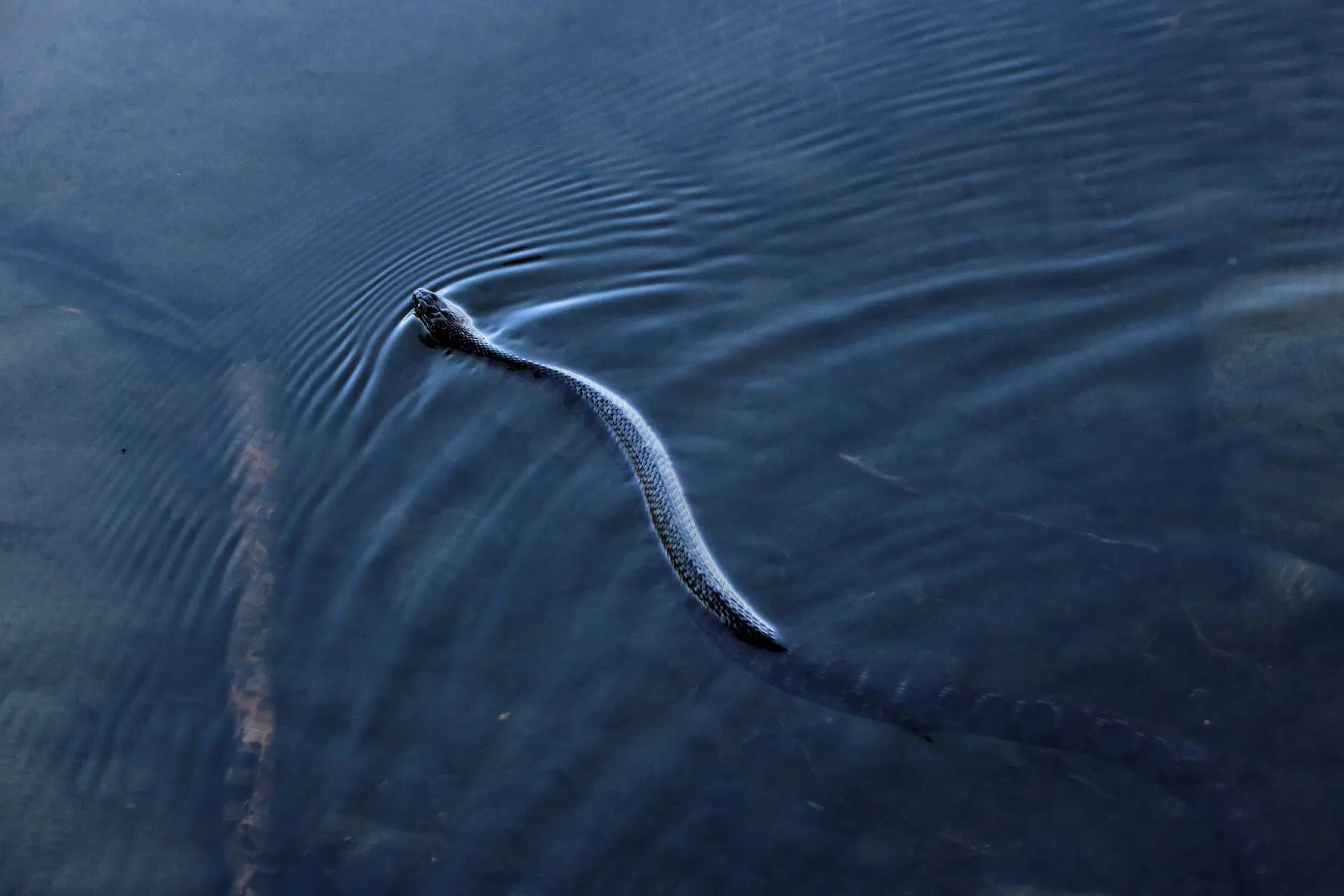
Most pond snakes are harmless water-hunting species eating frogs and fish. How to tell them from a cottonmouth, and why removing the food removes the snake.
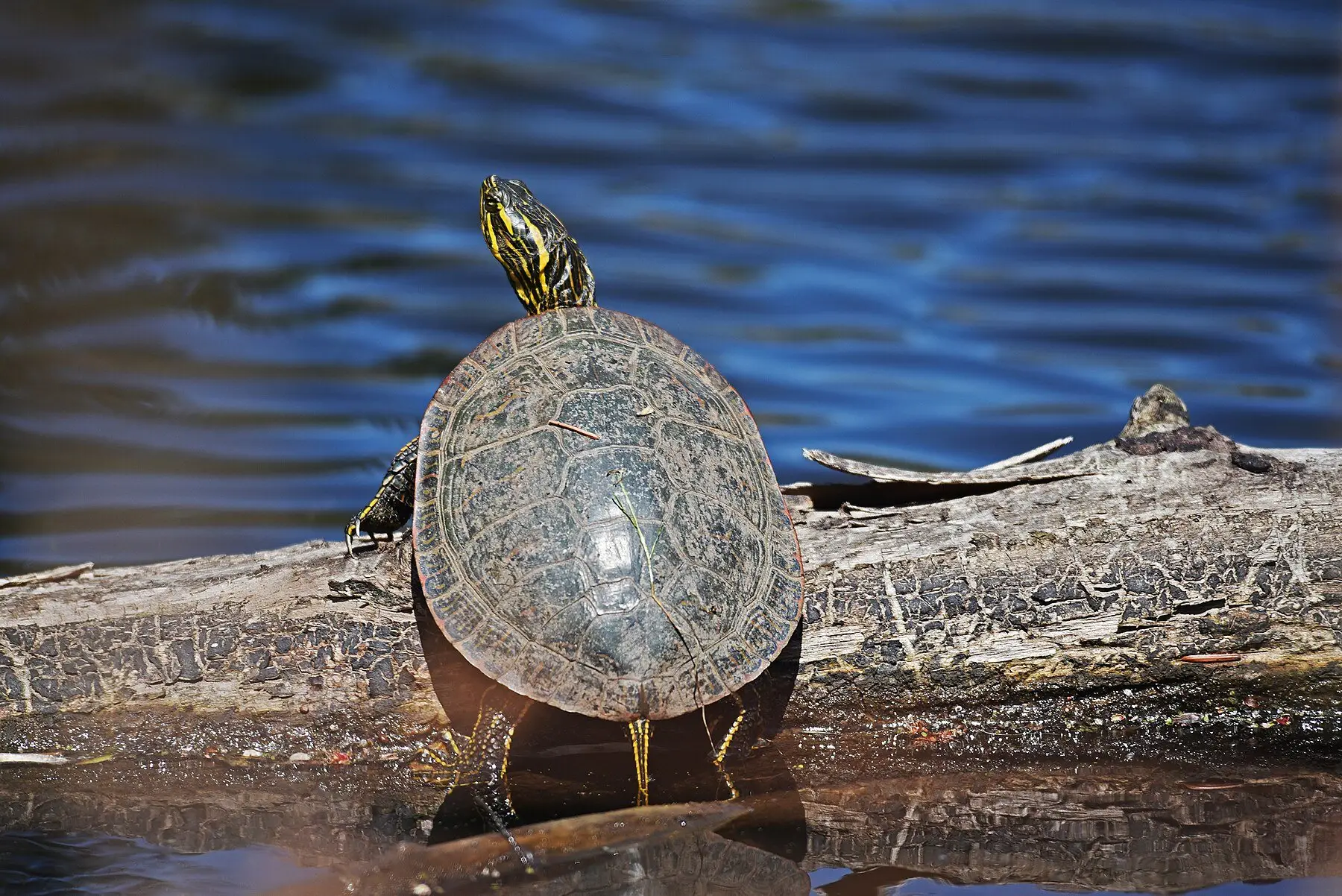
Most pond turtles start carnivorous and turn increasingly vegetarian with age. What arrives to eat naturally, what to feed, and why they eat your fish.
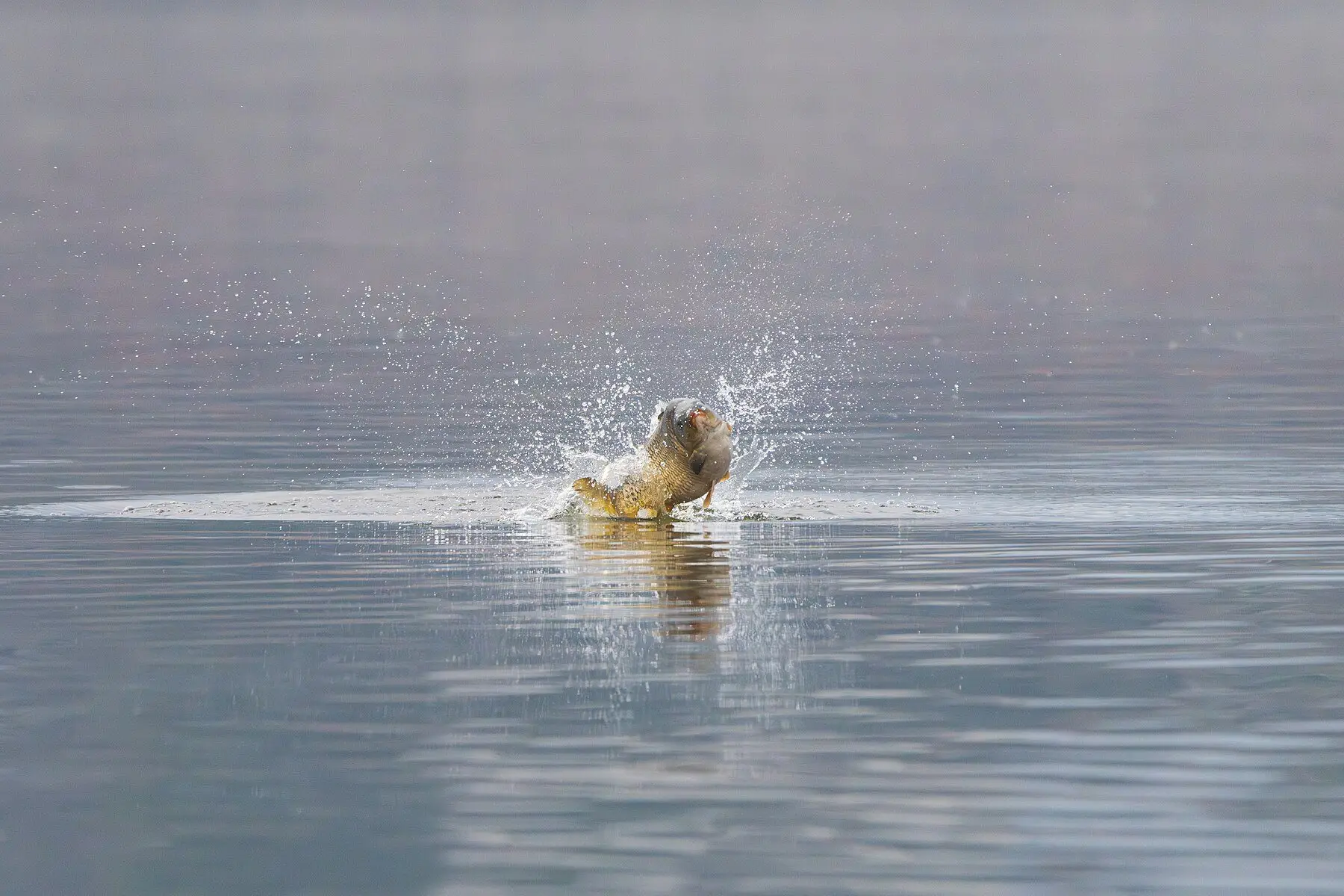
Feeding, escaping predators, shedding parasites, and clearing obstacles — plus the one reason that matters if it is your pond fish doing it.
Backyard Weekly
One email a week: what to plant now, what to fix, and what is worth buying. No spam, unsubscribe anytime.
Not ready to subscribe? The planting calendar is free and needs no email.
By subscribing you agree to our privacy policy. Grow In Backyard will never sell your address.
Cookies
We use analytics cookies to see which guides get read, so we know what to write next. Decline and nothing is set. Privacy policy.