
Large Pond Landscaping Ideas That Work With the Water
A big pond needs planting in zones, not a border around the edge. Shoreline planting, access points, and the mistakes that make a large pond look small.
 By

On this page
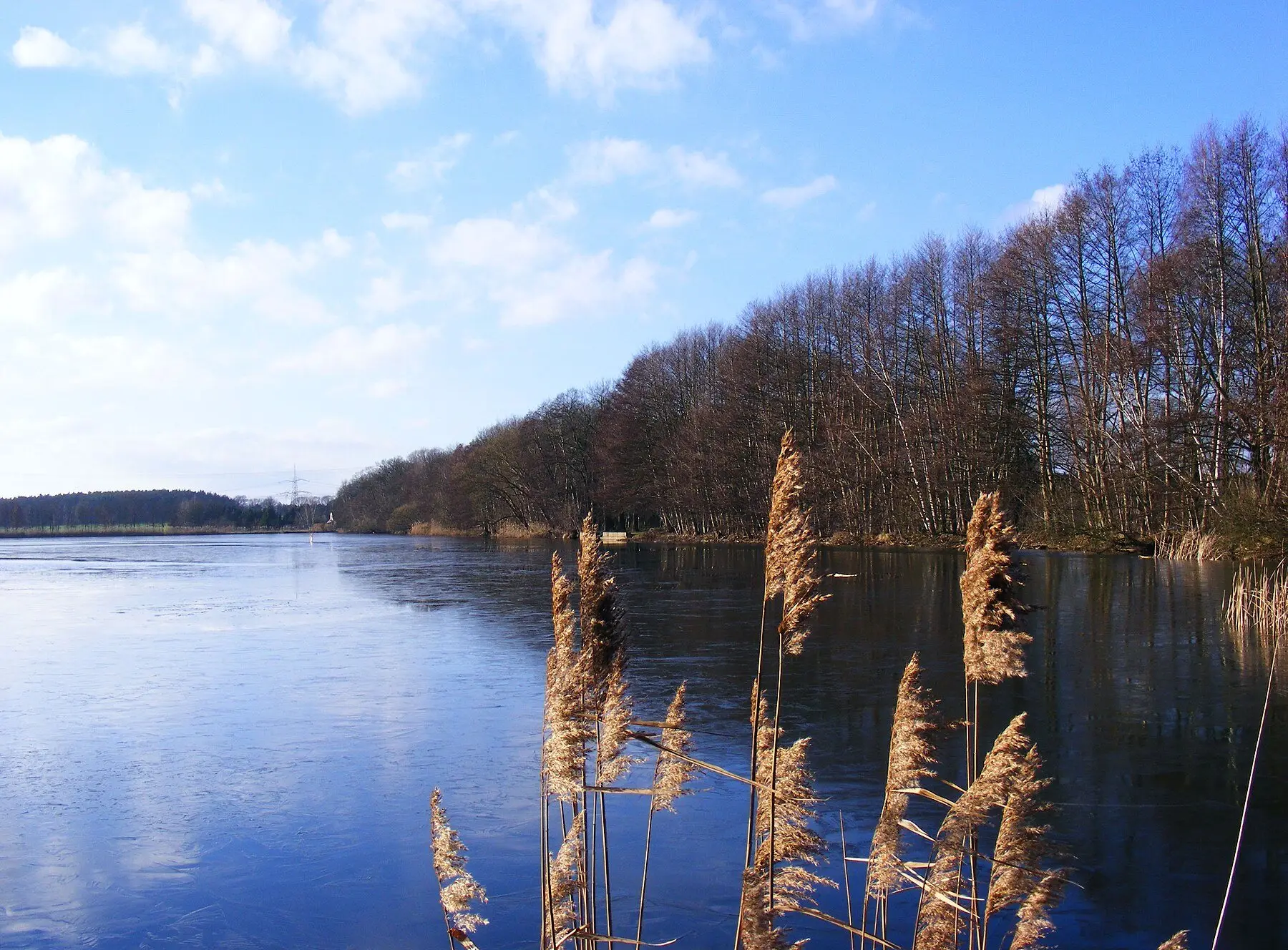
The instinct with a large pond is to plant a border around the edge. It is the one approach that reliably makes a big pond look smaller and more municipal than it is.
Large water wants zones, depth and a few deliberate places to arrive — not an even ring of bedding.
Plant by depth, in zones
| Zone | Conditions | Plant |
|---|---|---|
| Deep water | Over ~18 in | Water lilies, submerged oxygenators — hornwort, elodea |
| Shallows / marginal | 0–12 in standing water | Pickerelweed, arrowhead, blue flag iris, soft rush, sweet flag |
| Shoreline / wet bank | Damp, occasionally flooded | Sedges, switchgrass, joe-pye weed, swamp milkweed, red osier dogwood, buttonbush |
| Upland buffer | Normal soil, set back | Native grasses, shrubs, small trees, wildflower meadow |
The shoreline band is the one that changes how the pond reads. A strip several feet deep — varied in height, allowed to be slightly untidy — makes the water feel held by the landscape. A one-foot ribbon of bedding plants does the opposite.
Access points beat an open perimeter
Pick two or three places where the planting opens and you can reach the water. Leave the rest dense.
- A dock or jetty, even a short one, gives a destination and a vantage point
- A small beach or graded stone landing for launching a boat or letting a dog in
- A seating area on the side with the best light, usually facing where the sun sets over the water
- A path that arrives at one clear viewpoint rather than circling the whole thing
Why this works: contrast. Dense planting everywhere else makes the open points feel deliberate, and the pond feels larger because you cannot see all of its edge at once.
Do not mow turf to the waterline
This is the standard treatment on farm and estate ponds and it is the biggest single mistake.
- Geese want exactly that — open sightlines and grazing right at the water. A tall vegetated buffer is the cheapest goose deterrent there is
- Lawn fertiliser and clippings run straight in, feeding the algae you will then spend a summer fighting
- No habitat for frogs, dragonflies, nesting birds or anything else
- The bank erodes, because turf roots are shallow
A buffer of at least several feet, and ideally much more, fixes all four at once.
Structure, height and reflection
Large water is flat. Everything interesting comes from what stands beside it.
- Vary height deliberately — low sedges, mid grasses, tall joe-pye and shrubs behind
- Use reflection. A specimen tree or a mass of grasses on the far bank doubles in the water, so site the best plants where they will be seen twice
- Plant in drifts, not in ones and twos. At this scale, single plants disappear
- Leave winter structure — seedheads, grasses and red-stemmed dogwood carry the pond through the months when nothing is flowering
- Think about the prevailing wind, which determines where debris collects and where the water is calm enough to reflect
Erosion, honestly
Plant it before you armour it. Deep-rooted native grasses, sedges and rushes hold a bank far better than a ring of stone, and they improve as they establish where stone only degrades.
- Regrade a steep eroding bank to a gentler slope before planting, not after
- Use graded stone only where wave action or foot traffic demands it, and plant behind and above it
- Avoid a bare rock ring around the whole pond, which looks hard and does nothing for wildlife
- Coir logs or biodegradable matting stabilise a new edge while plants root in
Trees: yes, but sited carefully
The three to keep away
Willow, poplar and silver maple have aggressive water-seeking roots that damage liners, dams and drainage structures. They are the classic pondside trees and the classic pondside mistake.
Also consider leaf load: a heavy deciduous tree upwind drops its whole canopy into the water each autumn, and that decomposes into exactly the nutrients that feed next summer’s algae.
Site trees well back for shade, structure and reflection — not on the edge. Shade on part of the water does help suppress algae, but a tree at the margin costs more than it gives.
Things that earn their place
- A gravel or mown-path circuit, so the pond has a route around it
- Boulders in small groups, half in the water, for basking turtles and frogs
- A dead log or two at the margin — superb habitat, and it looks right
- A single strong focal point, not several competing ones
- Lighting, sparingly. A couple of low path lights; not the whole perimeter
- Aeration if the pond is stocked, which is functional rather than decorative but changes water clarity more than any planting will
What to skip
- An even ring of annual bedding. Municipal, high maintenance, no habitat
- Landscape fabric under gravel at the edge, which fails within a few seasons and looks awful emerging from a bank
- Invasive species — check your regional list before planting anything aquatic; purple loosestrife and several ornamental grasses are prohibited in many areas
- A fountain used as a substitute for planting. Lovely, but it will not fix water quality or make a bare pond look finished
Common questions
How do you landscape a large pond?
What should I plant around a large pond?
How do I stop a large pond looking bare?
Should I keep grass right up to the pond edge?
How do I deal with erosion at a pond edge?
What trees should I avoid near a pond?
Backyard Weekly
Know what to plant, week by week
Join the weekly email for seasonal jobs, fixes for what is going wrong, and gear worth buying.
Not ready to subscribe? The planting calendar is free and needs no email.
By subscribing you agree to our privacy policy. Grow In Backyard will never sell your address.
Keep reading
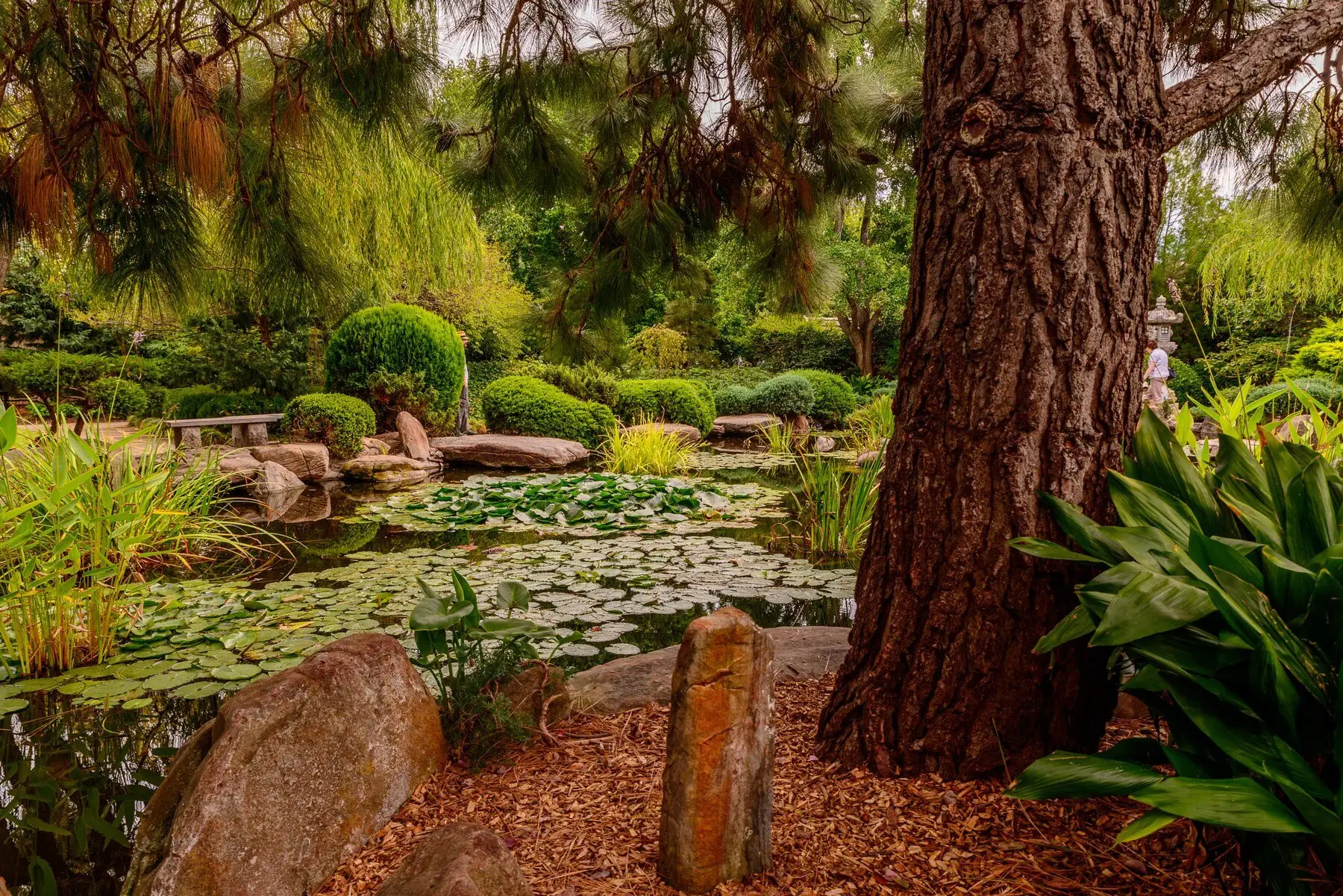
How Deep Should a Pond Be? Depths by Purpose and Climate
A wildlife pond wants shallow margins, koi want four feet, and freezing winters set the floor. The depths that matter, and the shelf plan that serves both.
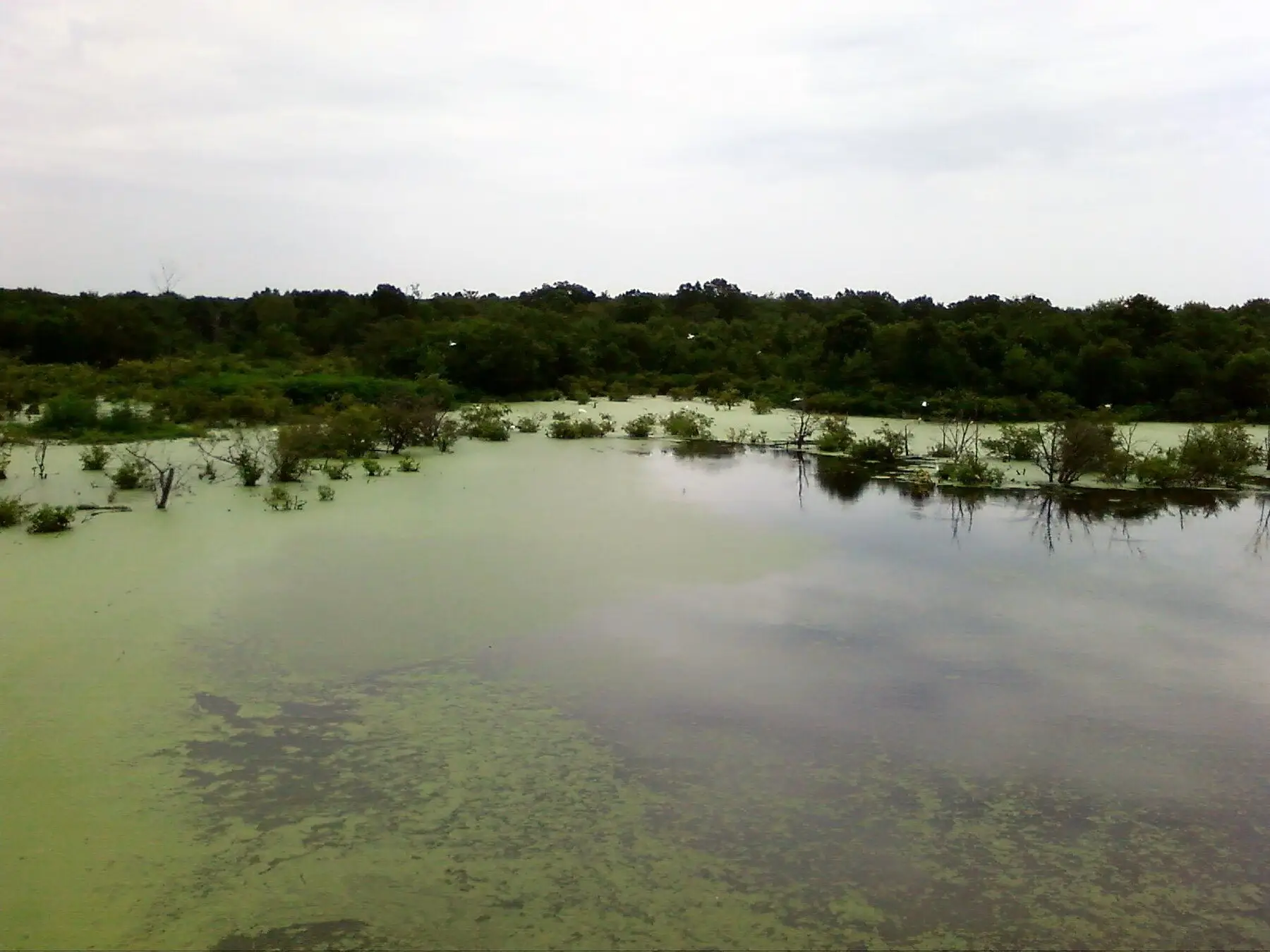
What Eats Algae in a Pond? Fish, Snails and What Actually Works
Algae eaters help at the margins, but nutrients cause algae and only nutrient control fixes it. What each species really does, and the order to tackle it in.
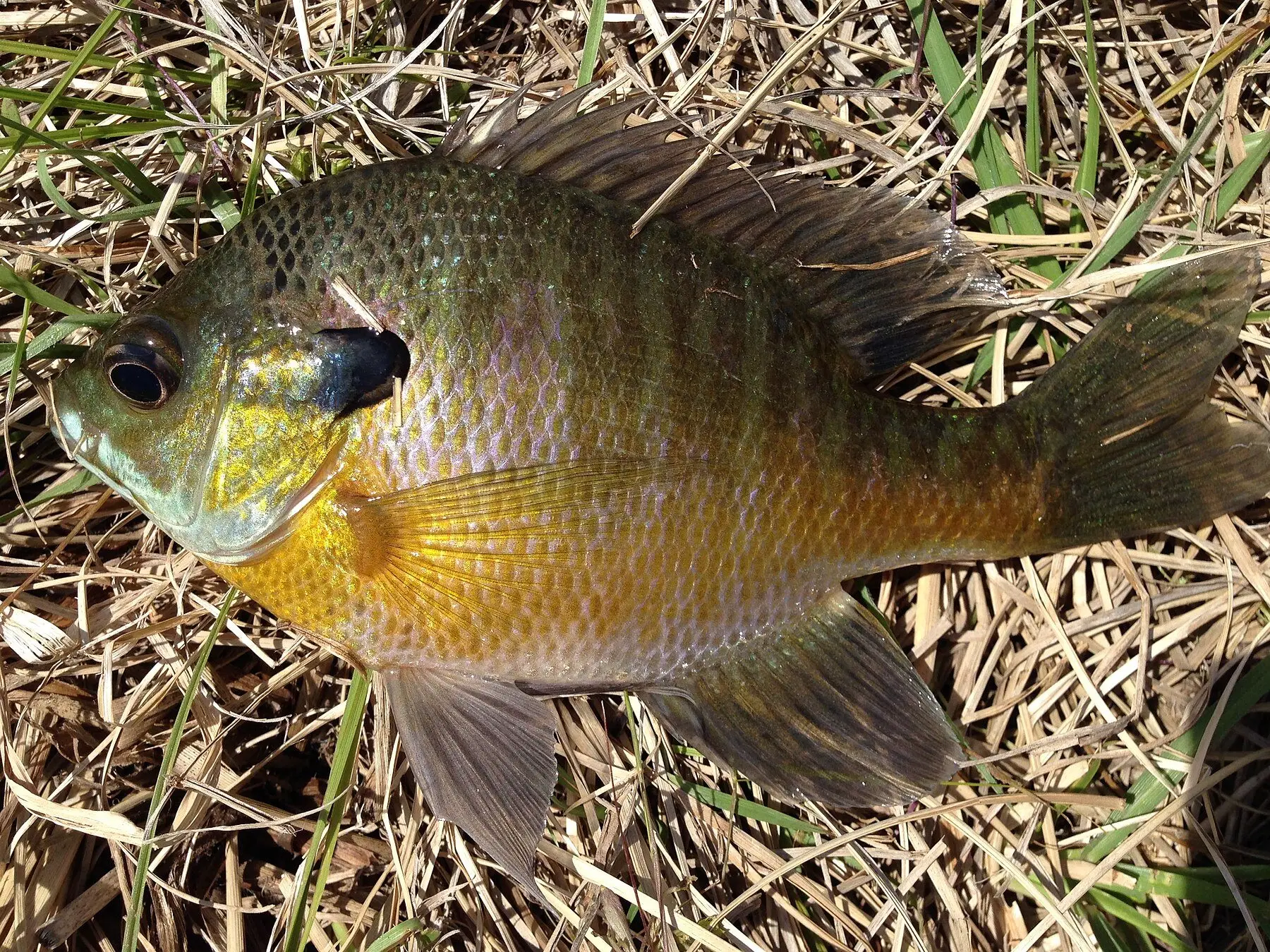
How to Stock a Pond (Including for Free)
Stocking ratios that work, what it costs, and the free routes — state hatchery programs, pond transfers, and why natural colonisation is slower than claimed.
Pond Aerator Without Electricity — 5 Solar and Wind Picks
A pond aerator without electricity runs on solar or wind, with trade-offs. 5 picks compared by pond size and site. See which matches yours.