
How to Stock a Pond (Including for Free)
Stocking ratios that work, what it costs, and the free routes — state hatchery programs, pond transfers, and why natural colonisation is slower than claimed.
 By
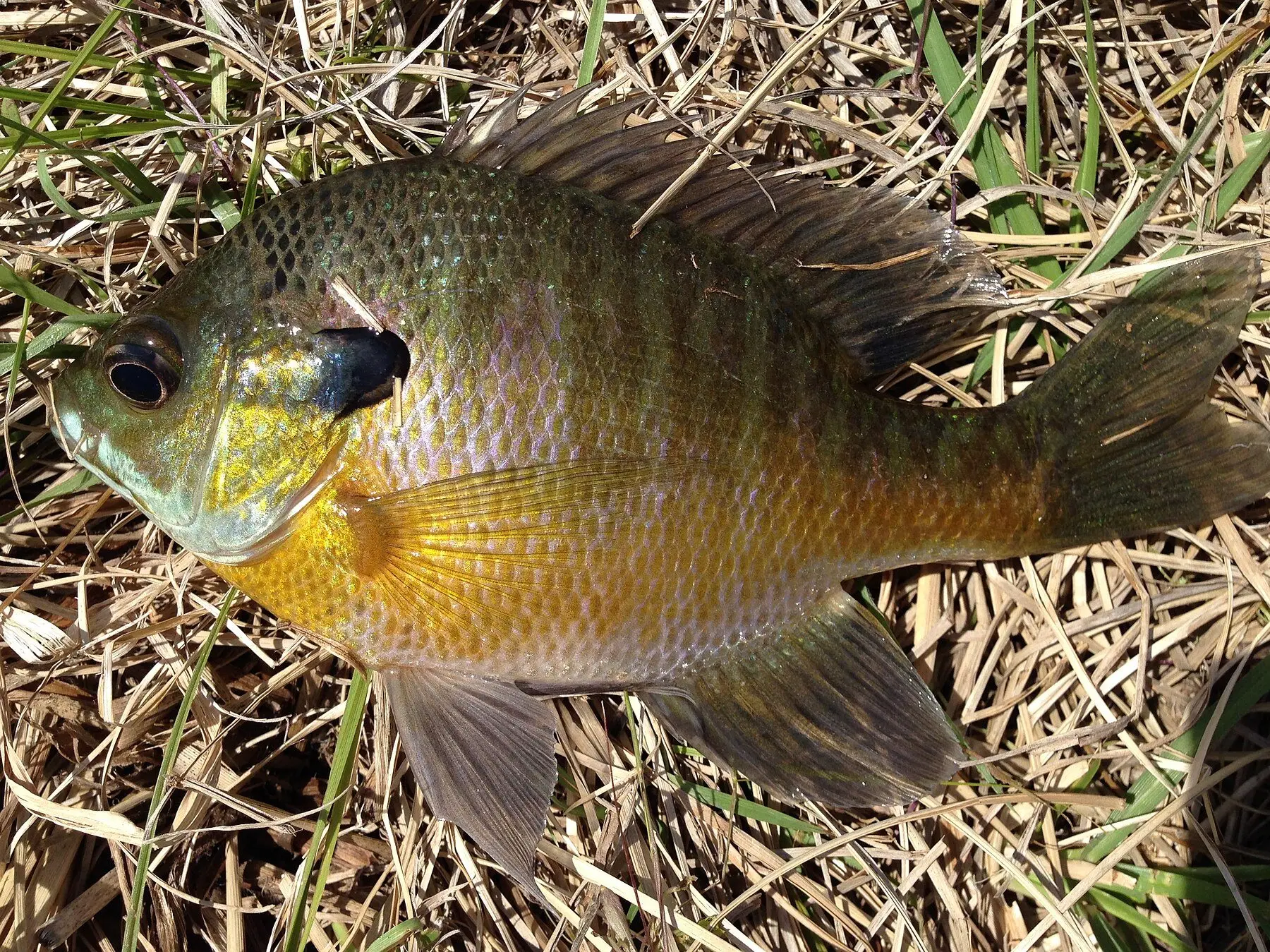

On this page
Stocking a pond is mostly a sequencing problem. Get the order and the ratio right and it largely runs itself; get them wrong and you end up with a handful of large predators and nothing for them to eat.
The free routes, which are real
State fish and wildlife agencies. Many US states run free or heavily subsidised stocking programs for private ponds, and some will assess the pond and recommend species. This is the first call to make, before spending anything. Availability, species and eligibility vary a lot by state.
Other pond owners. Overcrowded bluegill are a common problem, and plenty of people want fish removed. Local angling clubs, pond-management groups and neighbours with older ponds are worth asking. Usually free for the cost of collecting them — subject to the transfer rules below.
Natural colonisation. A pond connected to a stream, or one that floods periodically, gets stocked by fish moving in. An isolated pond mostly does not.
Moving fish between waters is often illegal
It is how whirling disease, largemouth bass virus and a long list of invasive species spread. Many states and countries prohibit transferring live fish without a permit. Check before you accept a bucket of free bluegill — the fine is considerably more than the fish were worth.
The “ducks carry fish eggs” story
You will read that waterfowl transport fish eggs on their feet and feathers, and that ponds stock themselves this way.
The evidence for it is thin. A small number of studies have found a very low rate of viable eggs surviving passage through a bird’s gut, and that is about the extent of it. It is not a stocking strategy.
What does colonise on its own, fast: insects, amphibians, and aquatic plants. A new pond has dragonflies within weeks and frogs within a season, entirely unaided.
Costs, if you buy
| Item | Quantity | Rough cost |
|---|---|---|
| Bluegill fingerlings | 500 | $150–300 |
| Redear sunfish | 100 | $40–80 |
| Fathead minnows (forage boost) | 5–10 lb | $30–60 |
| Largemouth bass (year 2) | 50 | $50–150 |
| Delivery | — | often the largest line for a small order |
Fingerlings are far cheaper than adults and reach the same population. Costs scale down sharply for a small pond, though delivery does not.
Doing it
1. Check the rules and the water. Regulations first, then pH and summer oxygen. A pond that goes anoxic in August will lose whatever you put in it.
2. Forage fish, year one. Bluegill, redear sunfish. Give them a full season to settle and spawn.
3. Predators, year two. Largemouth bass at roughly a tenth of the forage numbers.
4. Acclimatise. Float the bag or bucket 20–30 minutes, then mix pond water in gradually. A ten degree temperature difference is enough to kill fish outright.
5. Add structure. Sunk brush piles, rocks, submerged plants. Without cover, small fish have nowhere to hide and the predators eat the forage base faster than it can reproduce.
6. Leave it alone. Do not fish hard for the first year or two. After that, selectively removing predators is what keeps the size structure balanced — a pond full of small stunted bass is an under-harvested pond, not an overfished one.
Stocking for the table is a different project with different equipment — see backyard fish farming kits.
For a small garden pond
None of the above applies. Bass and bluegill need acres.
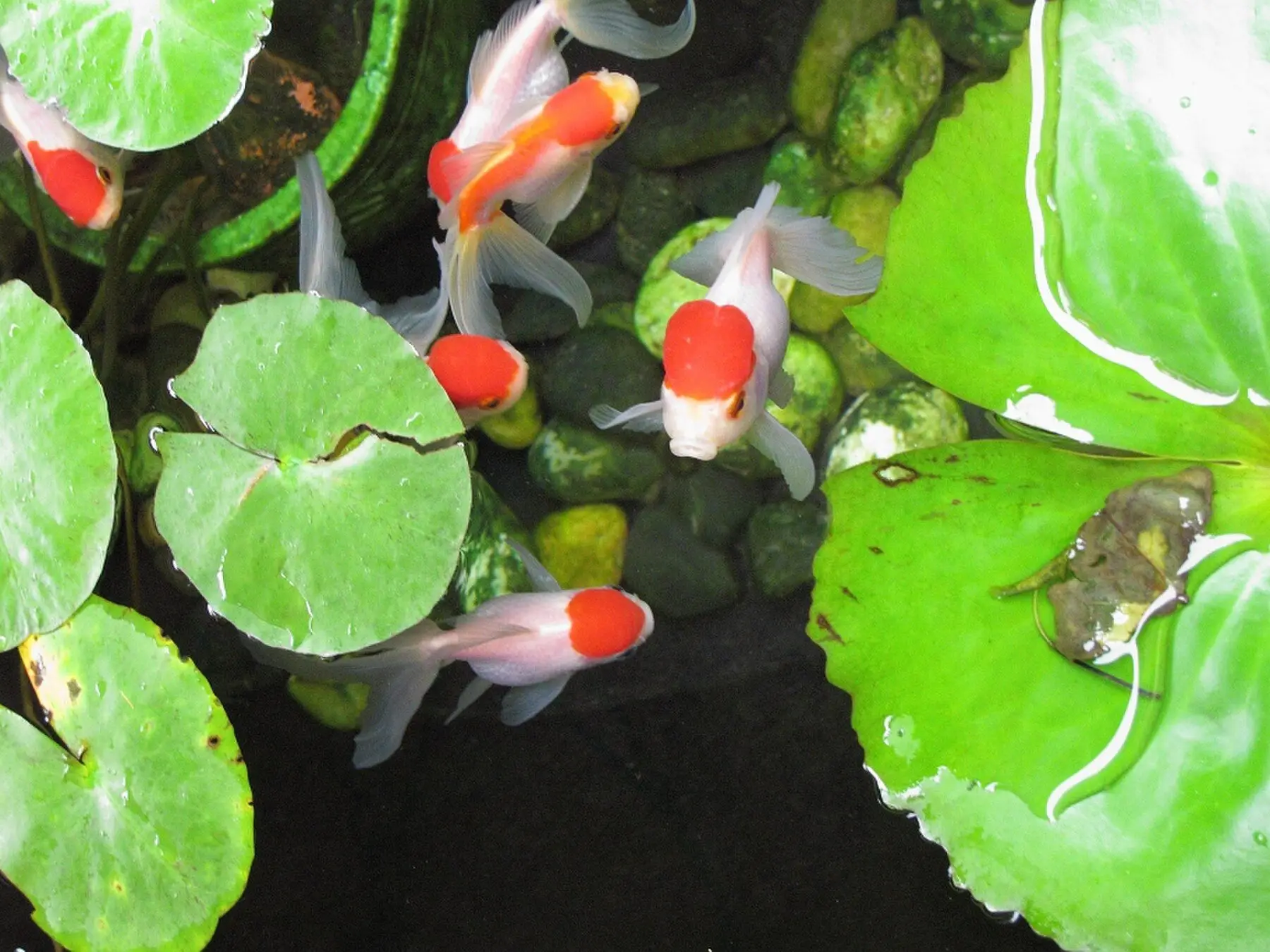
A garden pond wants goldfish, shubunkins or comets, stocked at about one inch of fish per ten gallons — and in a wildlife pond, no fish at all.
Step by step
- Time
- P365D
- Cost
- $300
- You need
- Fingerling forage fish — bluegill, redear sunfish, Predator fingerlings — largemouth bass, added the following year, Water test kit
- Tools
- Buckets and an aerator for transport, Thermometer
Check what is legal where you are
Stocking rules vary by state and country, and moving live fish between waters is restricted or banned in many places because of disease and invasive species. Contact your state fish and wildlife agency before buying anything — several run free or subsidised stocking programs for private ponds.
Test the water first
Check pH, and in warm regions check that the pond holds enough dissolved oxygen through summer. A pond below about pH 6 or one that goes anoxic in August will lose whatever you put in it.
Stock forage fish first, a full year ahead
Bluegill and redear sunfish go in first and are given a season to establish and breed. Stocking predators at the same time means they eat the forage base before it can reproduce, and the whole population collapses.
Use roughly ten forage fish per predator
A common ratio is 500 bluegill per acre to 50 largemouth bass per acre, added the following year. Scale it down for a small pond, and keep the proportion rather than the absolute numbers.
Acclimatise before releasing
Float the transport bag or bucket in the pond for 20 to 30 minutes so temperatures equalise, then mix pond water in gradually. Fish dumped straight into water 10 degrees different go into shock.
Add structure for cover
Sunk brush piles, rocks and submerged plants give small fish somewhere to hide. Without cover the predators eat the forage base faster than it can breed, and you end up with a few large bass and nothing else.
Leave it alone for a year
Do not fish it hard in the first year or two while the population establishes. Once it is working, removing predators selectively is what keeps the size structure balanced.
Common questions
How do you stock a pond for free?
How much does it cost to stock a pond?
What is the right ratio of bass to bluegill?
Will fish appear in a pond on their own?
Can you move fish from another pond?
When is the best time to stock a pond?
Backyard Weekly
Know what to plant, week by week
Join the weekly email for seasonal jobs, fixes for what is going wrong, and gear worth buying.
Not ready to subscribe? The planting calendar is free and needs no email.
By subscribing you agree to our privacy policy. Grow In Backyard will never sell your address.
Keep reading
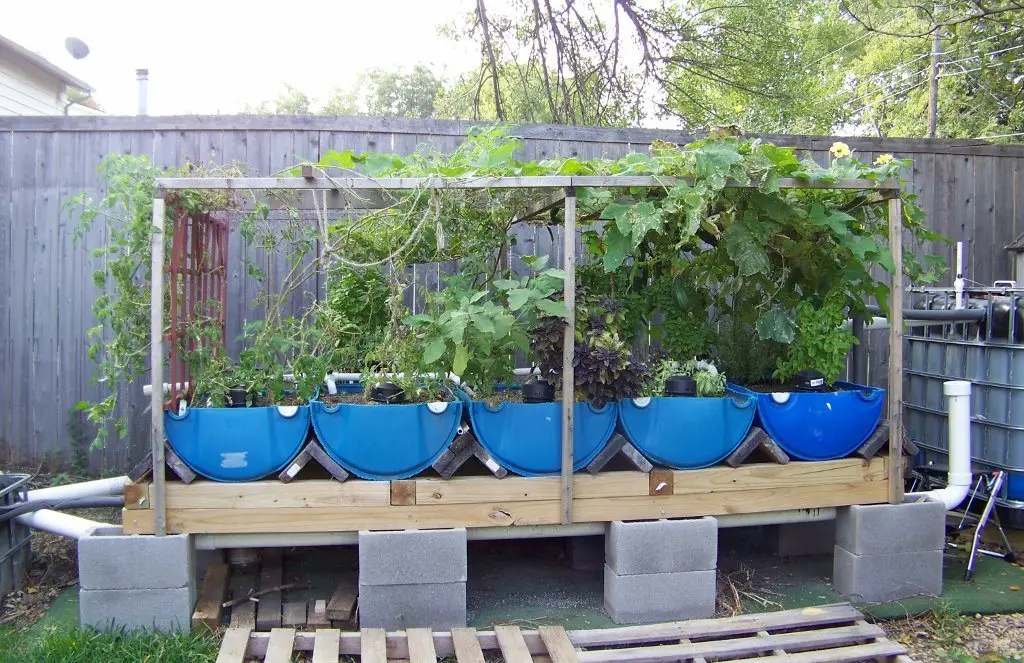
Backyard Fish Farming Kit — 6 Parts That Decide It Works
A backyard fish farming kit needs oxygen, filtration and heat first. We compare 6 components and the species each one suits. See which fits your climate.
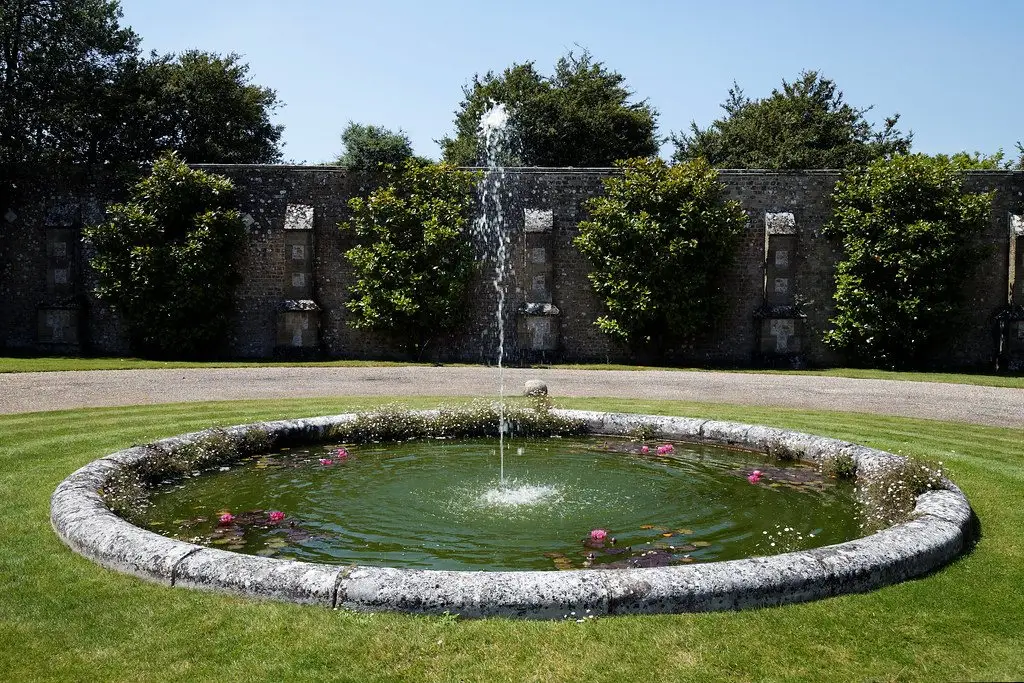
Pond Aerator Without Electricity — 5 Solar and Wind Picks
A pond aerator without electricity runs on solar or wind, with trade-offs. 5 picks compared by pond size and site. See which matches yours.
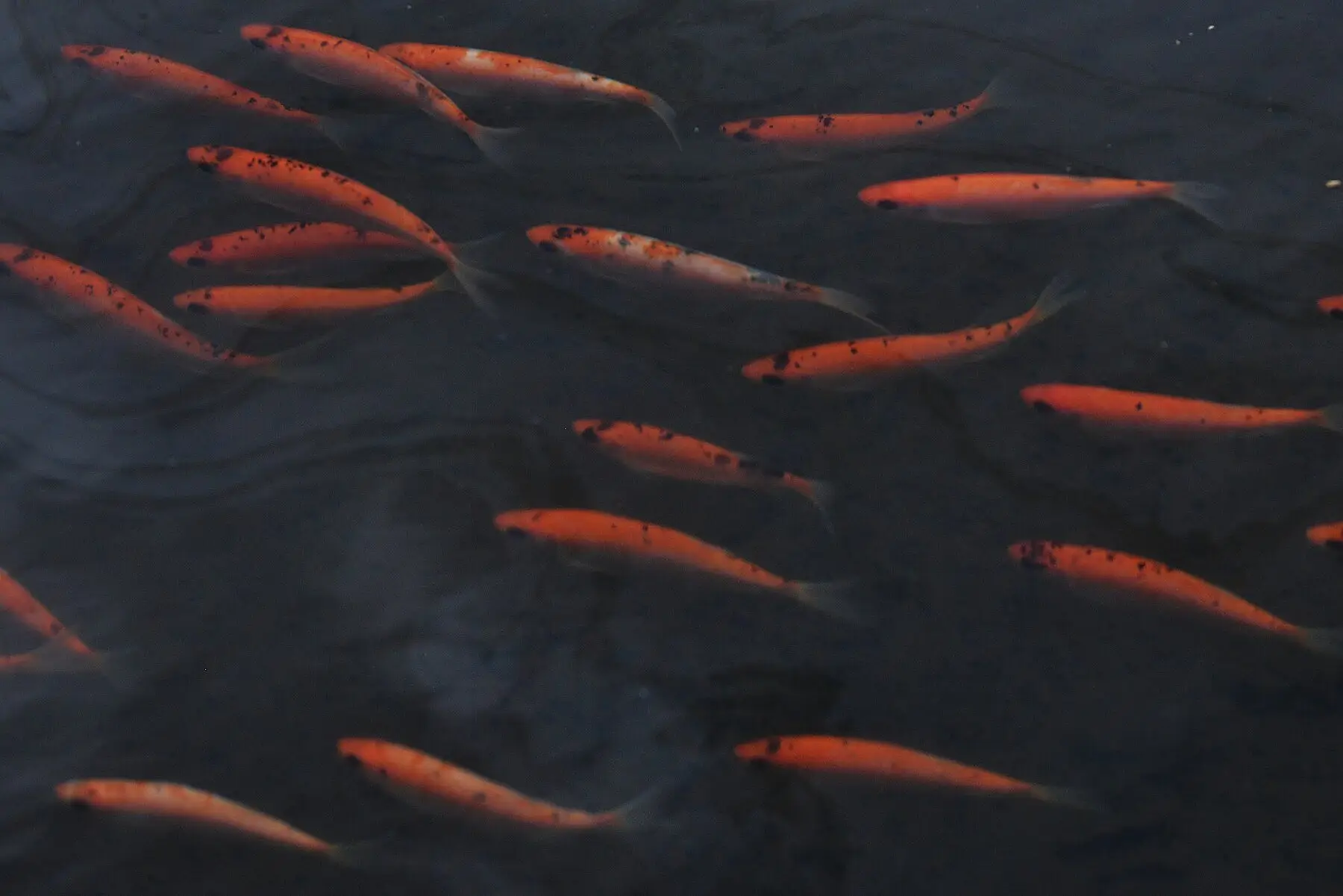
Best Fish for a Small Pond (And How Many It Holds)
Goldfish and shubunkins suit small ponds; koi do not. Stocking limits by volume, which species survive a frozen winter, and what actually eats algae.
Can Goldfish Live in a Pond? Yes, and Without a Pump
Goldfish overwinter outdoors and survive unfiltered ponds that are deep enough, planted and lightly stocked. What a pump actually buys you, and when you need one.