
Best Fish for a Small Pond (And How Many It Holds)
Goldfish and shubunkins suit small ponds; koi do not. Stocking limits by volume, which species survive a frozen winter, and what actually eats algae.
 By

On this page
For a small garden pond the answer is nearly always goldfish — and the most common mistake is buying koi because they look better in the shop.
What to stock
| Fish | Adult size | Min pond | Winter hardy | Notes |
|---|---|---|---|---|
| Common goldfish | 6–10 in | 100 gal | Yes | The default. Cheap, tough, long-lived |
| Shubunkin | 6–12 in | 150 gal | Yes | Calico patterning; as hardy as common |
| Comet | 8–12 in | 150 gal | Yes | Fast, long-tailed, very visible |
| Sarasa comet | 8–12 in | 150 gal | Yes | Red and white; the “poor man’s koi” |
| Golden orfe | 12–18 in | 500 gal | Yes | Needs oxygen-rich water; shoaling |
| Fathead minnow | 2–3 in | 50 gal | Yes | Native forage fish; good for wildlife ponds |
| Koi | 24–36 in | 1,000 gal | Yes | Not a small-pond fish |
| Fancy goldfish (oranda, ranchu) | 4–8 in | — | No | Poor swimmers; do not overwinter well |
Never release pond fish into the wild
Goldfish released into lakes and rivers grow enormous, breed prolifically, uproot plants and muddy the water — they are an established invasive problem across North America, Europe and Australia. If you need to rehome fish, a local aquarium society, a pond retailer or a neighbour with a bigger pond will usually take them.
How many
Two rules, and the second matters more:
- One inch of fish per 10 gallons of water.
- About 10 inches of fish per square metre of surface area — because oxygen enters through the surface, and surface area is what limits a pond in a heatwave.
A 500-gallon pond: roughly 50 inches of fish. That is eight to ten adult goldfish, not twenty.
And stock below that. A lightly stocked pond is more stable, clearer, needs less filtration, and survives a hot week without incident. Goldfish also breed, so a pond stocked to capacity on day one is overstocked by the following summer.
Overwintering
The pond must be deep enough not to freeze to the bottom: 18 inches minimum, 24–30 inches in genuinely cold regions.
The real requirement is not warmth but gas exchange. Under a complete ice cap, decomposition produces gases that cannot escape, and fish suffocate.
- Float a pond de-icer or a small air stone to hold a hole open.
- Never smash the ice. The shockwave travels through water and can kill fish outright.
- Stop feeding below about 50°F. Their metabolism has slowed and undigested food rots inside them.
- Move a pump intake up off the bottom so the deep, slightly warmer layer stays undisturbed.
Fancy goldfish — orandas, ranchus, anything with a distorted body shape — should come indoors. They are poor swimmers and do not cope with cold.
What actually deals with algae
Not fish. This is the most persistent hope in pond keeping and it does not work.
Algae is a function of nutrients plus sunlight. So:
- Fewer fish, less food. Feeding is where most of the nutrient comes from.
- Surface cover. Water lilies or floating plants shading 50–70% of the surface starves algae of light.
- Submerged oxygenators — hornwort, elodea — outcompete algae for the same nutrients.
- Barley straw, added early in the season, suppresses new growth as it decomposes.
- A UV clarifier handles green pea-soup water, though not string algae.
Goldfish do graze some string algae. Grass carp and plecos eat more, and are variously illegal, tropical, or a worse problem than the algae.
Feeding
Far less than people think. An established pond with plants and insect life feeds its fish substantially on its own.
Only what is eaten in a few minutes, and nothing below 50°F. Overfeeding is the single most common cause of poor water quality in a garden pond — uneaten pellets decay, ammonia rises, and the algae you are trying to prevent gets exactly what it wanted.
Poor water quality announces itself before the fish look ill: fish jumping out of the water is most often low oxygen or an ammonia spike, not high spirits.
Common questions
What is the best fish for a small pond?
How many fish can a small pond hold?
Which pond fish survive winter outdoors?
What fish eat algae in a pond?
Can you keep koi in a small pond?
Do pond fish need to be fed?
Backyard Weekly
Know what to plant, week by week
Join the weekly email for seasonal jobs, fixes for what is going wrong, and gear worth buying.
Not ready to subscribe? The planting calendar is free and needs no email.
By subscribing you agree to our privacy policy. Grow In Backyard will never sell your address.
Keep reading
Backyard Fish Farming Kit — 6 Parts That Decide It Works
A backyard fish farming kit needs oxygen, filtration and heat first. We compare 6 components and the species each one suits. See which fits your climate.
Pond Aerator Without Electricity — 5 Solar and Wind Picks
A pond aerator without electricity runs on solar or wind, with trade-offs. 5 picks compared by pond size and site. See which matches yours.
Can You Eat Koi? Yes — But Almost Nobody Does
Koi are ornamental common carp, entirely edible and eaten across Asia and Europe. Why the fish in your pond is still a bad dinner, and the real risks.
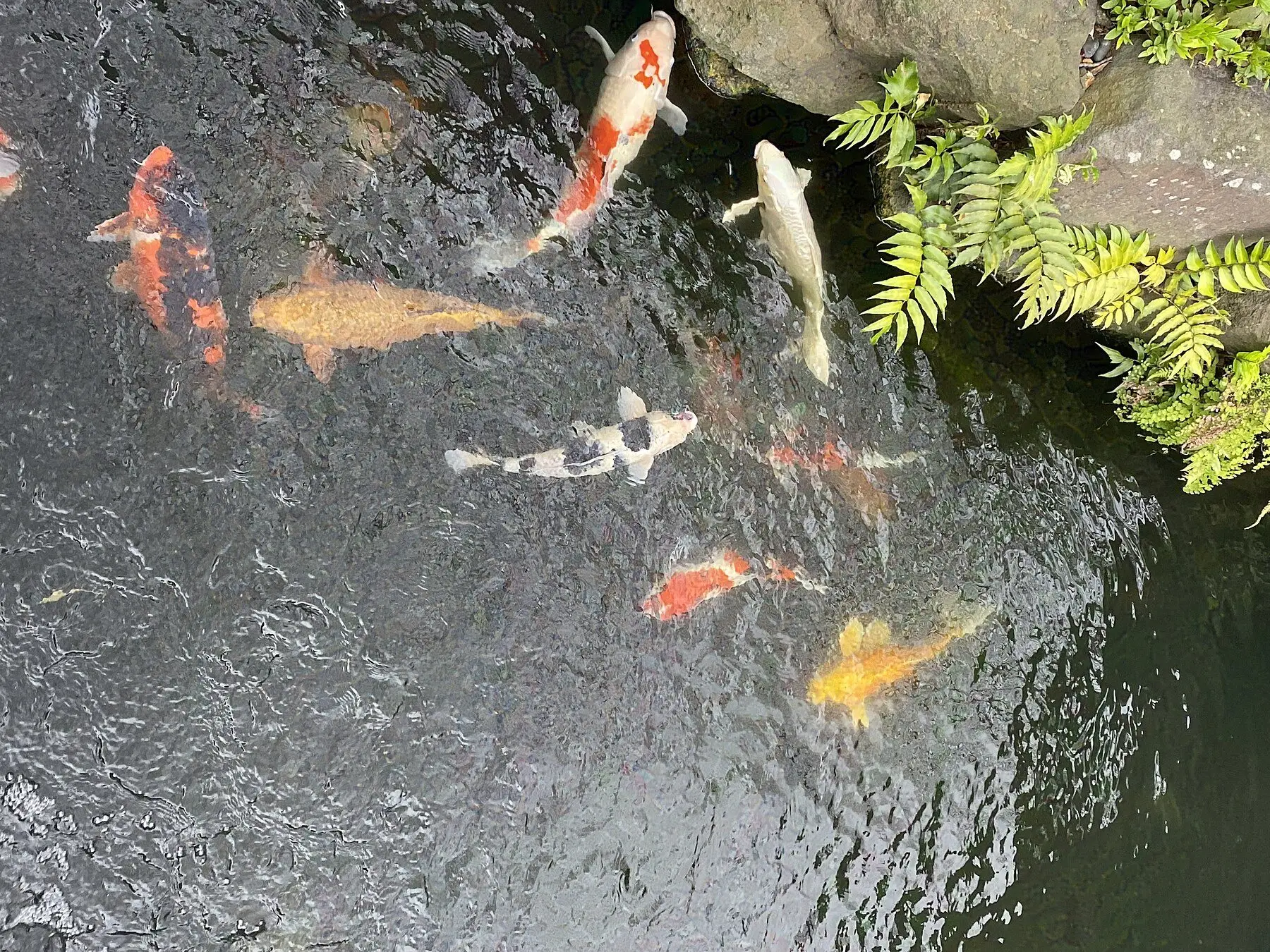
How Long Do Koi Live? 25 to 35 Years, With Caveats
Koi routinely outlive the pond they were bought for. What actually sets lifespan, the volume they need, and why the famous 226-year fish is not the benchmark.