
Can You Eat Koi? Yes — But Almost Nobody Does
Koi are ornamental common carp, entirely edible and eaten across Asia and Europe. Why the fish in your pond is still a bad dinner, and the real risks.
 By

On this page
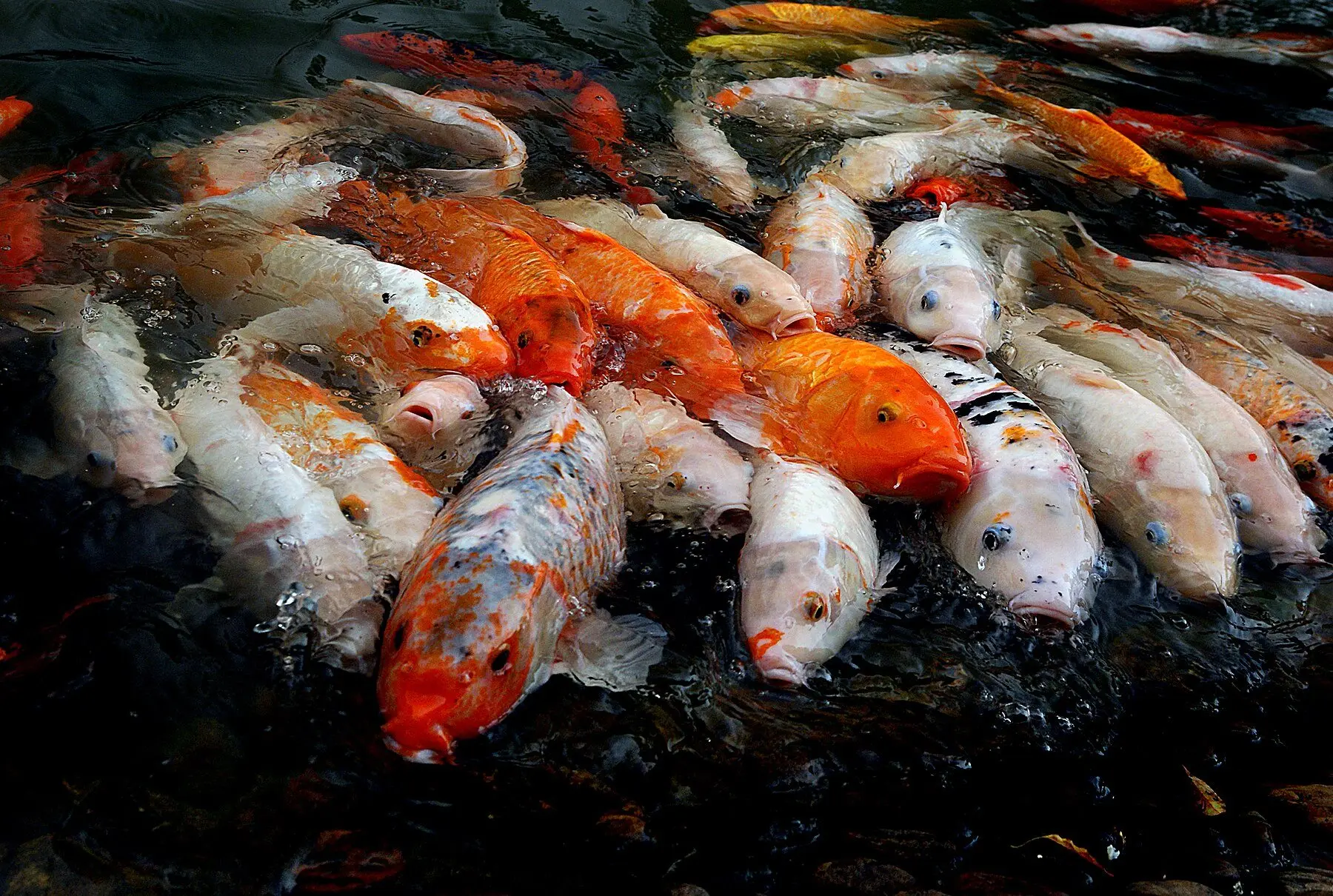
Yes, you can. Koi are ornamental common carp — the same species eaten across central Europe and much of East Asia — and there is nothing about them that makes them inedible.
The reasons almost nobody eats them are economic, culinary and practical, not biological.
They are literally carp
Cyprinus carpio. Koi are the result of centuries of selective breeding in Japan for colour and pattern, starting from carp that were being farmed as food in rice paddies.
Butterfly koi, ghost koi, the ordinary muddy-coloured carp in a farm pond — all the same fish. The difference is a price tag and a few hundred years of breeding for looks.
Carp remains a staple food in China, across central and eastern Europe, and in parts of the Middle East. In the Czech Republic and Poland, carp is the traditional Christmas dinner.
So why does nobody eat their pond koi?
They are worth more alive. A decent show koi runs into the hundreds; competition-grade fish reach tens or hundreds of thousands. This is the main answer, and it is not close.
They live a long time. Twenty-five to thirty-five years is ordinary, and people know their fish individually. It is closer to eating a pet than harvesting livestock.
They are bony. Carp have a notorious mesh of fine intramuscular Y-bones. Traditional cuisines handle this by scoring the flesh finely, mincing, or slow-cooking until the small bones soften — it is not a quick fillet.
They usually taste of the pond. This is the one people underestimate.
Why pond fish taste muddy
Warm, still, algae-rich water produces geosmin and 2-methylisoborneol — compounds made by cyanobacteria and actinobacteria — and they accumulate in fatty fish flesh. Humans detect geosmin at extraordinarily low concentrations; it is the smell of wet soil after rain.
Carp farmers deal with it by purging: holding fish in clean, cool, flowing water for several days to a couple of weeks before harvest. Without that step, a garden-pond carp tastes like the pond smells.
The safety issues that actually matter
| Concern | Detail |
|---|---|
| Medications | Ornamental koi are routinely treated with antiparasitics, antibiotics, malachite green and pond dyes. None are approved for food fish, and no withdrawal periods exist for them. |
| Pond contaminants | Runoff from lawns and roofs carries fertilizer, herbicide and road residues into a garden pond, and fish accumulate some of it. |
| Parasites | Raw or undercooked freshwater carp can carry liver flukes such as Clonorchis sinensis, which is a real public-health issue in parts of Asia. Thorough cooking kills them. |
Cooking solves the parasite problem. It does not solve the medication problem — that is the one that should stop you eating a fish from an ornamental pond you have been dosing.
If you genuinely want to try carp
Buy it from a fishmonger or a farm that raises it for food. You get fish raised in clean water, purged properly, with no ornamental medications in its history, and it costs a fraction of a koi.
Prepared well — and central European cooking has had a thousand years of practice — carp is good. That is a completely different proposition from eating the orange fish you have been feeding pellets for six years.
Common questions
Can you eat koi?
Does koi taste good?
Is it safe to eat koi from my pond?
Why do people keep koi instead of eating them?
What is the difference between koi and carp?
Can you eat goldfish too?
Backyard Weekly
Know what to plant, week by week
Join the weekly email for seasonal jobs, fixes for what is going wrong, and gear worth buying.
Not ready to subscribe? The planting calendar is free and needs no email.
By subscribing you agree to our privacy policy. Grow In Backyard will never sell your address.
Keep reading
Backyard Fish Farming Kit — 6 Parts That Decide It Works
A backyard fish farming kit needs oxygen, filtration and heat first. We compare 6 components and the species each one suits. See which fits your climate.
How Long Do Koi Live? 25 to 35 Years, With Caveats
Koi routinely outlive the pond they were bought for. What actually sets lifespan, the volume they need, and why the famous 226-year fish is not the benchmark.
Can You Eat Crab Apples? Yes, and They Make Better Jelly
Crab apples are edible, sour, and unusually high in pectin — which is exactly why they set jelly no other fruit will. The one part to avoid, and which trees to pick.
What Do Backyard Lizards Actually Eat?
Wild lizards in a garden are almost entirely insect-eaters, not the varied diet pet-care sites describe. What they hunt, and what draws more of them to your yard.