Can You Eat Crab Apples? Yes, and They Make Better Jelly
Crab apples are edible, sour, and unusually high in pectin — which is exactly why they set jelly no other fruit will. The one part to avoid, and which trees to pick.

On this page
Yes. Crab apples are edible, and the reason most people think otherwise is that they are sour enough to be unpleasant raw, not that they are harmful.
They are also the single best fruit for jelly, for a specific chemical reason.
What actually counts as a crab apple
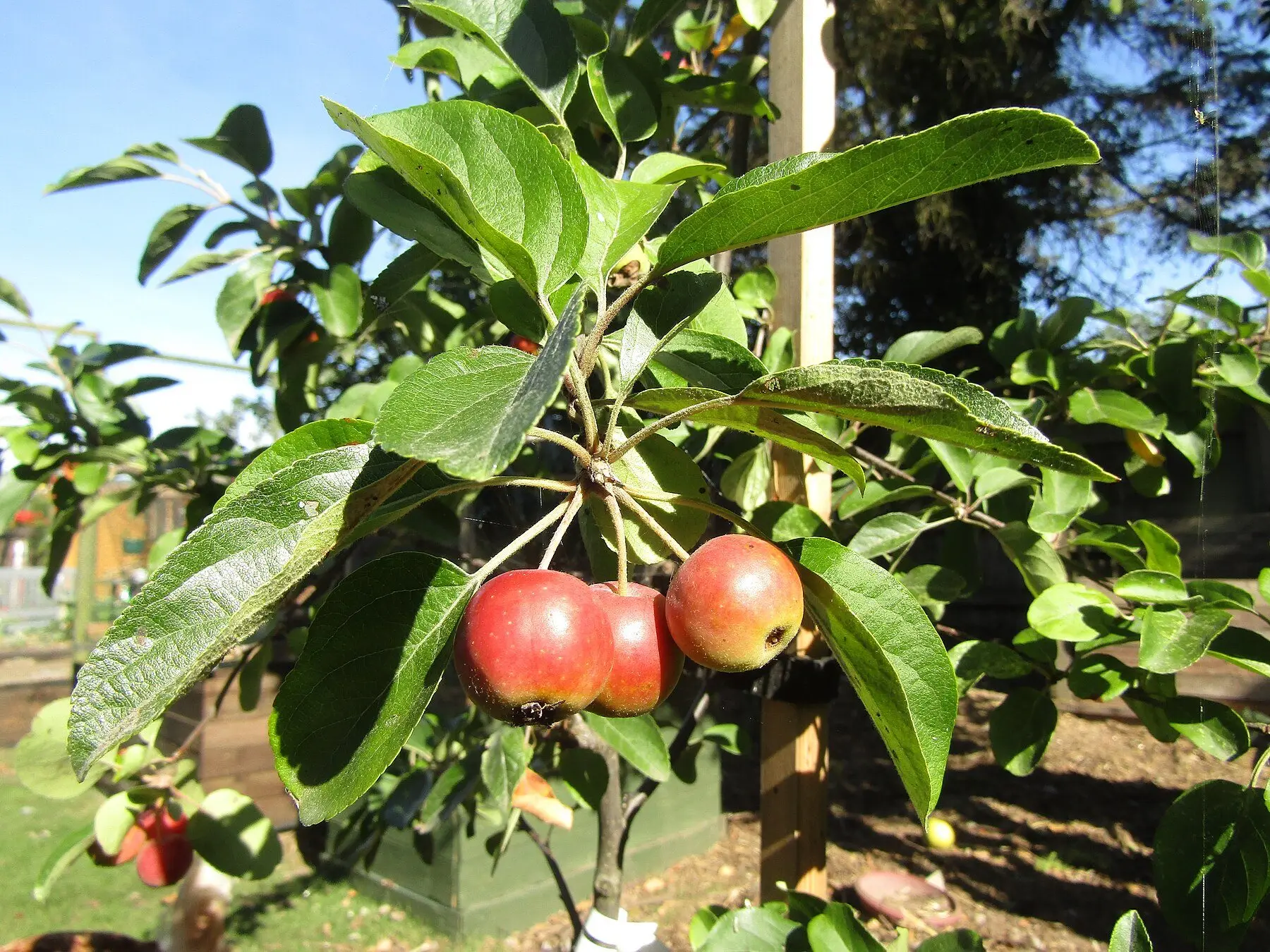
The definition is size, not species: any Malus fruit under about 2 inches across is a crab apple; anything larger is a culinary or dessert apple. They are the same genus, and many ornamental crab apples are close relatives of orchard varieties.
That means “crab apple” covers an enormous range — some almost inedible, some genuinely pleasant. The fruit from two trees in the same street can taste completely different.
The seeds
Crab apple seeds contain amygdalin, which releases small quantities of cyanide when the seed is crushed and digested.
This is true of every apple, and of cherry, peach and plum stones. The quantity in the seeds of a few fruits is negligible, the seeds pass through whole if swallowed intact, and you would need to deliberately chew a very large number to cause a problem.
So: do not set out to eat the seeds. Do not worry about one going down. This is a footnote, not a warning.
The real question is whether the tree was sprayed
Crab apples are planted heavily as street and park trees, and ornamental plantings are far more likely than garden trees to have been treated with fungicides or insecticides not intended for food use. Pick from your own tree, a friend’s, or a hedgerow well back from a road. Avoid roadside trees for the separate reason of traffic pollution on the skin.
Also make sure it is actually a crab apple. Cut one across — apples have a distinctive five-pointed star of seed chambers. If you cannot identify the tree, do not eat the fruit.
Why they make exceptional jelly
Setting a jelly needs three things: sugar, acid and pectin. Most fruits are short of at least one, which is why commercial pectin exists.
Crab apples are unusually high in both pectin and acid, so they set firmly on their own with nothing but sugar added. That is the whole reason the tradition exists.
It is also why crab apples are used as a setting agent for other fruits — strawberries, elderberries, blackberries and rhubarb are all low in pectin, and cooking a few crab apples in with them produces a set without commercial pectin.
For jelly, pick slightly underripe. Pectin content is highest just before full ripeness, so early picking is an advantage.
What to do with them
- Crab apple jelly — the classic. Beautiful clear pink-amber, sharp, excellent with cheese and roast meat.
- Crab apple and chilli jelly, or with herbs — rosemary, thyme, mint.
- As a pectin source in other preserves.
- Spiced pickled crab apples, whole, with the stalks left on.
- Crab apple wine or cider, often blended with sweeter apples.
- Verjuice — the sharp juice of unripe fruit, used as a vinegar substitute.
- Roasted whole alongside pork or game.
- Left on the tree, which is not a waste: crab apples hold well into winter and are a significant food source for blackbirds, thrushes, waxwings and fieldfares.
The ones worth eating raw
Most are sharp. A few are genuinely good:
| Variety | Fruit | Notes |
|---|---|---|
| Dolgo | 1.5 in, crimson | One of the best for both fresh eating and jelly |
| Chestnut | Up to 2 in, russet | Nutty and sweet; often the best raw |
| Whitney | 1.5–2 in, striped | Sweet enough to eat off the tree |
| Wickson | Small, yellow-red | Very high sugar; prized for cider |
| Centennial | 1.5 in, red-orange | Sweet, early |
| John Downie | Oval, orange-red | The classic jelly variety; sharp raw |
Frost improves all of them. Cold converts some of the starch to sugar and reduces the astringency, so the same fruit picked in November is noticeably better than in September.
They are not only a fruit tree
Worth knowing if you are choosing a tree: crab apples are among the most useful small trees a garden can hold.
They flower heavily and over a long period, which makes them excellent pollinators for orchard apples — one crab apple in a garden pollinates most nearby apple varieties, which is often simpler than planting a second full-size tree. See how to grow apple trees for how flowering groups work.
They also feed pollinators in spring and birds in winter, stay small enough for a modest garden, and most are considerably more disease-resistant than dessert varieties.
Common questions
Are crab apples poisonous?
What is the difference between a crab apple and an eating apple?
Why do crab apples make such good jelly?
Can you eat crab apples raw?
How do you tell if a crab apple tree is safe to pick from?
When should you pick crab apples?
Backyard Weekly
Know what to plant, week by week
Free planting calendar. Join the weekly email for seasonal jobs, fixes for what is going wrong, and gear worth buying.
Set MONETIZATION.email.endpoint in src/config/site.ts to enable this form.
By subscribing you agree to our privacy policy. Grow In Backyard will never sell your address.
Keep reading
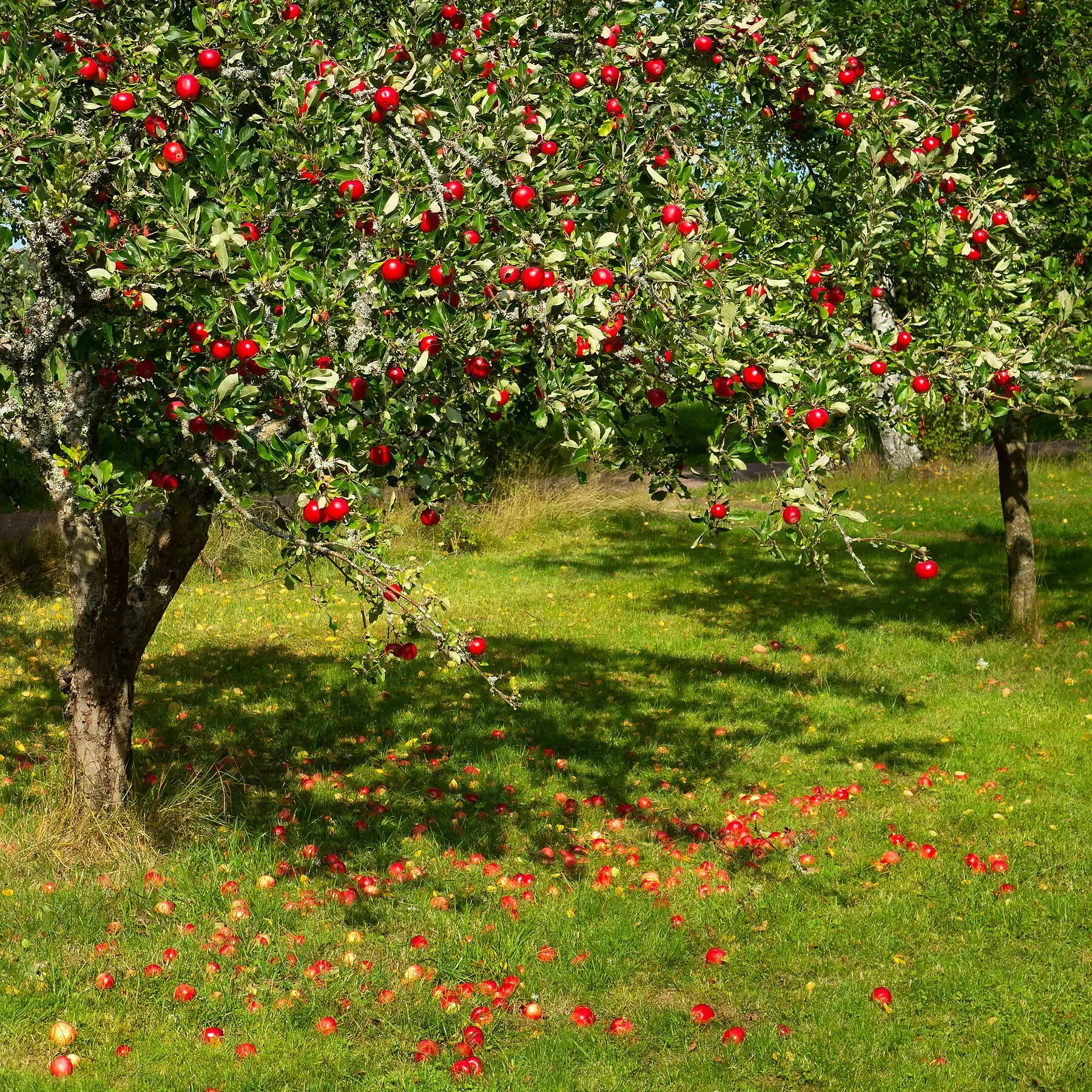
How to Grow Apple Trees: Rootstock and Pollination First
Two decisions made at purchase set the size of the tree and whether it ever fruits. Rootstock codes, flowering groups, and the pruning that keeps it productive.
How to Grow an Apple Tree From Seed (Read This First)
Apple seeds grow, but never into the apple you ate — every seed is a new variety. How to germinate them anyway, and what you will actually get.
What Butterflies Need to Survive in a Backyard
Nectar flowers feed adult butterflies but cannot raise any. Caterpillars only eat specific host plants — that gap is why most butterfly gardens stay empty.
How to Grow Blackberries: Planting, Pruning and Picking
Thornless erect varieties on a two-wire trellis, pruned on the floricane-primocane cycle. Planting, feeding, and the one pruning rule that decides your crop.