
Why Do Fish Jump Out of the Water?
Feeding, escaping predators, shedding parasites, and clearing obstacles — plus the one reason that matters if it is your pond fish doing it.
 By
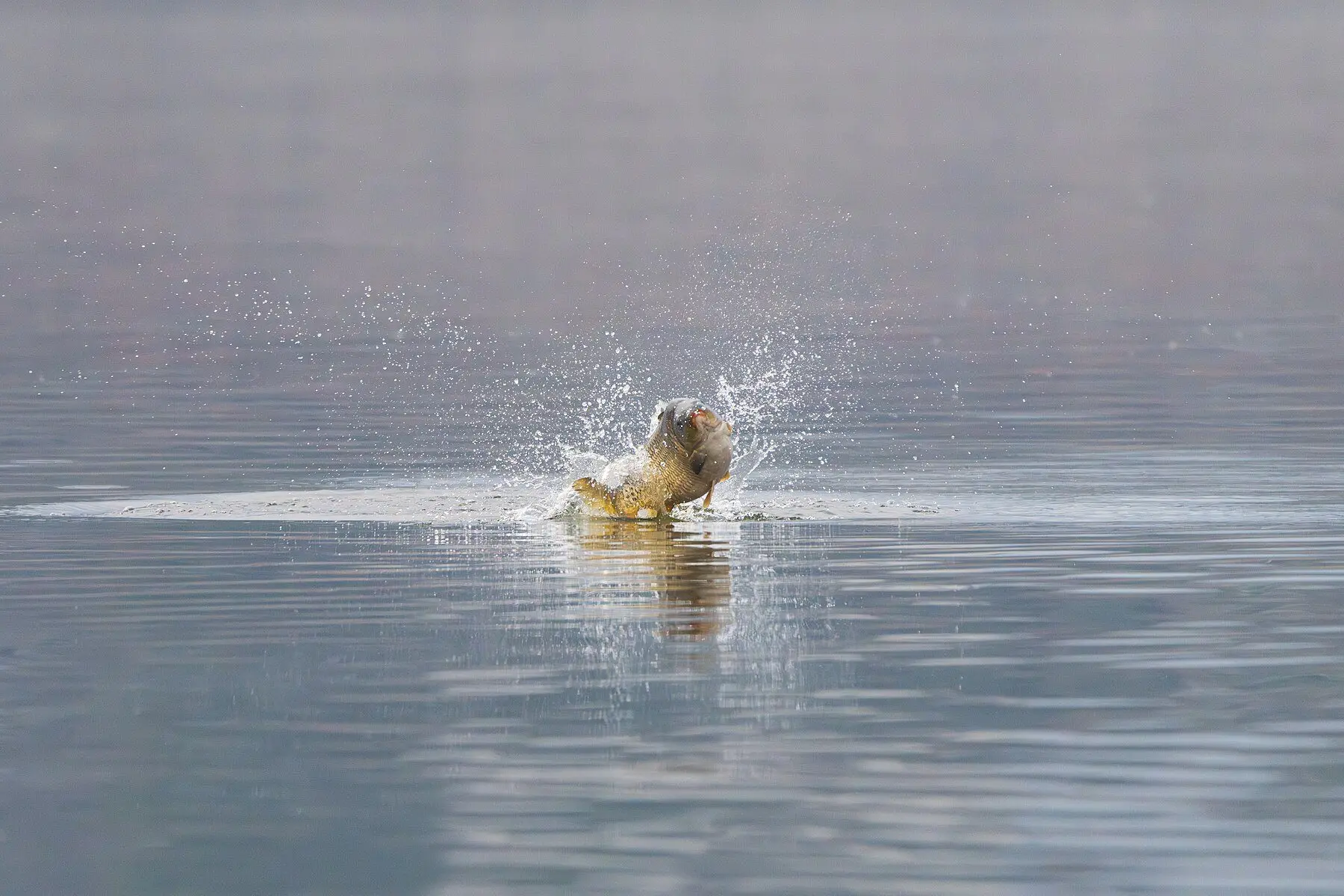

On this page
Wild fish jump for several well-understood reasons. Pond fish that suddenly start jumping are usually saying something different — and that distinction is the useful part of this question.
In the wild
Feeding. The most common reason. Insects sit on and just above the surface, and a fish taking one often carries through into a jump.
Escape. A fish being chased leaves the water because the predator cannot follow. Flying fish take this to its conclusion and glide for hundreds of feet.
Shedding parasites. Jumping and landing flat is thought to dislodge external parasites — lice, leeches, anchor worm. Heavily infested fish jump more, which is exactly why repeated jumping in a pond is worth investigating.
Getting past obstacles. Salmon are the famous case, clearing waterfalls on the way upstream.
Spawning. Carp in particular thrash, chase and jump in the shallows through the spawning season.
Sometimes no clear reason at all. Some species, carp especially, simply jump.
In your pond, the order of suspicion
Occasional jumping — after food, after a thunderstorm, during a spring warm spell — is normal.
Repeated jumping by fish that were previously settled is a symptom. Work through it in this order:
| Also seeing | Likely cause | What to do |
|---|---|---|
| Gasping at the surface, especially at dawn | Low oxygen | Aerate immediately; add a pump or air stone |
| Rubbing, flashing against objects | Parasites | Inspect fish; treat appropriately |
| Clamped fins, lethargy, red gills | Ammonia or nitrite | Test, then part water change |
| Jumping after a water change | Chemistry shock | Dechlorinate; change smaller volumes |
| Chasing and thrashing in spring | Spawning | Normal — leave them to it |
| New fish only | Acclimatisation stress | Usually settles in days |
Test the water before anything else
Ammonia, nitrite, nitrate, pH. It takes five minutes and either identifies the most dangerous causes or rules them out, which tells you where to look next. Dosing a pond with a treatment before testing is guessing, and some treatments make an oxygen problem worse.
Low oxygen is the emergency. Warm, still, overstocked water at dawn — after a night when plants have been consuming oxygen rather than producing it — is when fish are lost. Gasping at the surface means act now, not after breakfast.
Stopping it
Fix the cause first. Then reduce the consequences:
- Keep the water level several inches below the rim, so a jump lands back in the pond rather than on the paving.
- Netting or a low mesh edge around the perimeter.
- Cover and depth. Herons and cats cause panic jumping; deep water and planted shelter reduce it.
- Do not overstock. Most pond problems that present as behaviour are stocking problems underneath.
If you find one on the grass
Return it to the water immediately. A fish out of water has collapsed gills and cannot extract oxygen from air — a couple of minutes may be survivable, ten usually is not.
Hold it upright in the water, facing any current, until it swims off on its own. Then go and test the water, because a fish that jumped out was probably trying to tell you something.
Common questions
Why do fish jump out of the water?
Why are my pond fish jumping?
Do fish jump because they are happy?
How do I stop fish jumping out of my pond?
Why do carp and koi jump so much?
Can a fish survive out of water?
Backyard Weekly
Know what to plant, week by week
Join the weekly email for seasonal jobs, fixes for what is going wrong, and gear worth buying.
Not ready to subscribe? The planting calendar is free and needs no email.
By subscribing you agree to our privacy policy. Grow In Backyard will never sell your address.
Keep reading
Pond Aerator Without Electricity — 5 Solar and Wind Picks
A pond aerator without electricity runs on solar or wind, with trade-offs. 5 picks compared by pond size and site. See which matches yours.
Best Fish for a Small Pond (And How Many It Holds)
Goldfish and shubunkins suit small ponds; koi do not. Stocking limits by volume, which species survive a frozen winter, and what actually eats algae.
Can Goldfish Live in a Pond? Yes, and Without a Pump
Goldfish overwinter outdoors and survive unfiltered ponds that are deep enough, planted and lightly stocked. What a pump actually buys you, and when you need one.
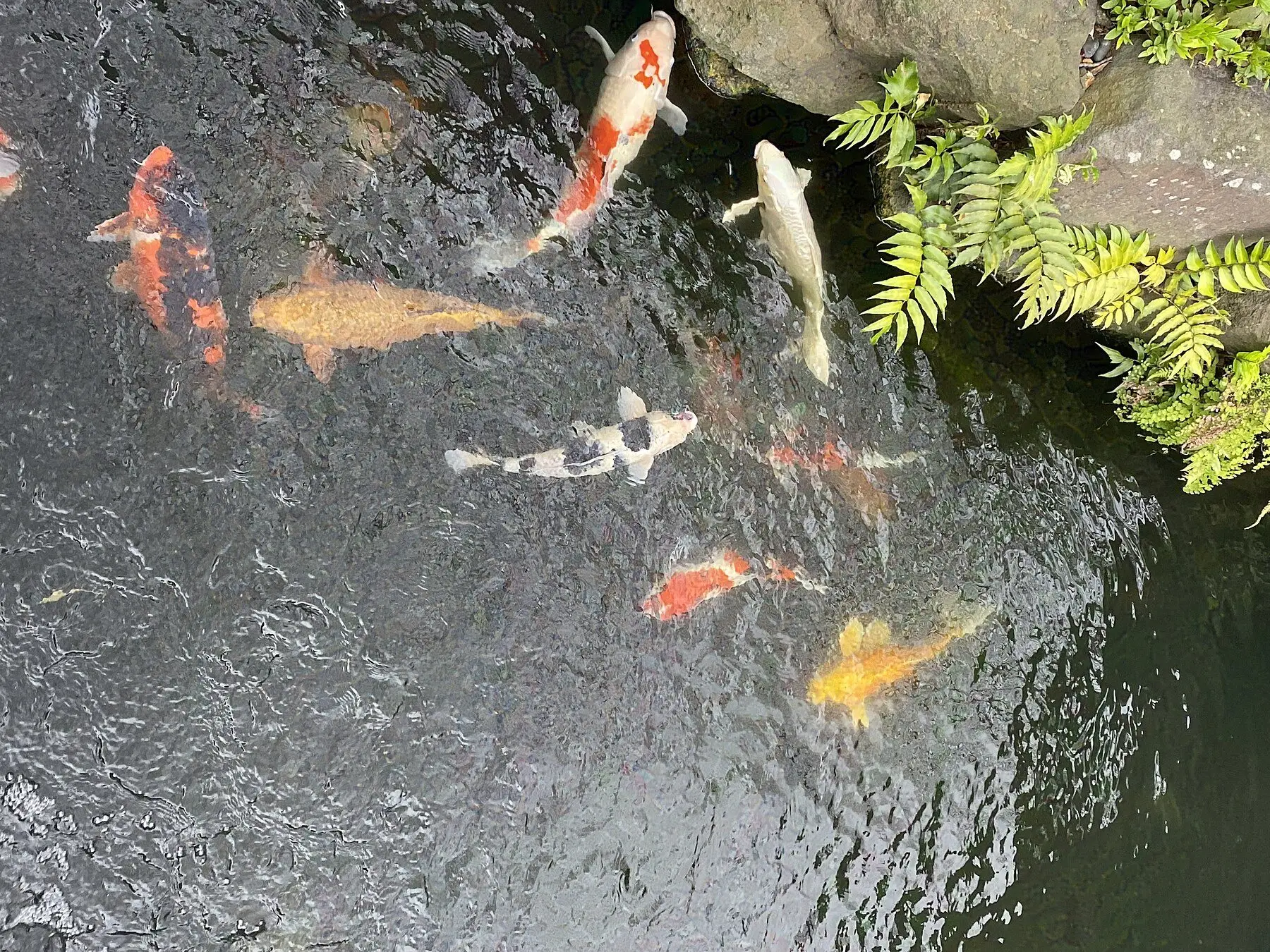
How Long Do Koi Live? 25 to 35 Years, With Caveats
Koi routinely outlive the pond they were bought for. What actually sets lifespan, the volume they need, and why the famous 226-year fish is not the benchmark.