
How Long Does Pond Dye Last? Four to Eight Weeks
Pond dye typically holds four to eight weeks, less in shallow water or after heavy rain. What shortens it, how much to use, and whether it is safe.
 By
On this page
Four to eight weeks, six as a planning figure — and the honest follow-up is that dye does less than the marketing suggests.
What shortens it
| Condition | Effect |
|---|---|
| Deep pond, shaded, no outflow | Toward 8 weeks |
| Shallow pond, same surface area | Fades faster — less volume per dose |
| Strong summer sun | Breaks the dye down; shortest life |
| Heavy rain, overflow, stream feed | Dye leaves with the water |
| Winter | Lasts longest, and is least needed |
Both mechanisms are worth understanding because they decide the dosing strategy: light destroys the dye, and moving water removes it. Neither is affected by how much you put in, which is why repeated small top-ups beat one heavy dose.
What it actually does
Dye colours the water so that blue and red light — the wavelengths algae use — do not reach far down. Suspended algae deeper in the column grow more slowly.
Which means:
- Applied early, before a bloom, it helps
- Applied to an already green pond, it does very little
- Against blanketweed and duckweed, close to nothing. Surface mats get full light whatever the water below looks like
- It never kills anything. There is no die-off, which is a point in its favour — a chemical algaecide crashing a bloom takes the oxygen down with it
The overdose risk is oxygen, not poison
Cutting light hard also suppresses submerged oxygenating plants. Less photosynthesis means less dissolved oxygen, and that matters most in hot, still weather when oxygen is already at its lowest and fish are at their most stressed.
Use the labelled rate. Do not dose heavily in a heatwave.
Dosing
Rates are quoted per acre-foot — one surface acre at one foot of depth — and a typical concentrate covers four to six acre-feet per gallon. For a garden pond: surface area × average depth, convert, then start below what you calculate. Adding more next week is easy; removing it is not.
The things that work better
- Surface cover. Lilies and marginal planting shade the water without a chemical, and target roughly 40–60% coverage in summer
- Nutrient reduction — less fish feed, keep lawn fertiliser and runoff out, net the leaves in autumn. This addresses the cause
- Barley straw, slow and mild, applied early in the season
- Depth. A pond deep enough to stay cool blooms less than a shallow one in the same spot
Dye is a reasonable tool for a large, open, unshaded pond where planting is not an option. It is not a substitute for the nutrient side of the problem.
Common questions
How long does pond dye last?
How often should I reapply pond dye?
Does pond dye kill algae?
Is pond dye safe for fish?
How much pond dye do I need?
Are there better options than dye?
Backyard Weekly
Know what to plant, week by week
Join the weekly email for seasonal jobs, fixes for what is going wrong, and gear worth buying.
Not ready to subscribe? The planting calendar is free and needs no email.
By subscribing you agree to our privacy policy. Grow In Backyard will never sell your address.
Keep reading
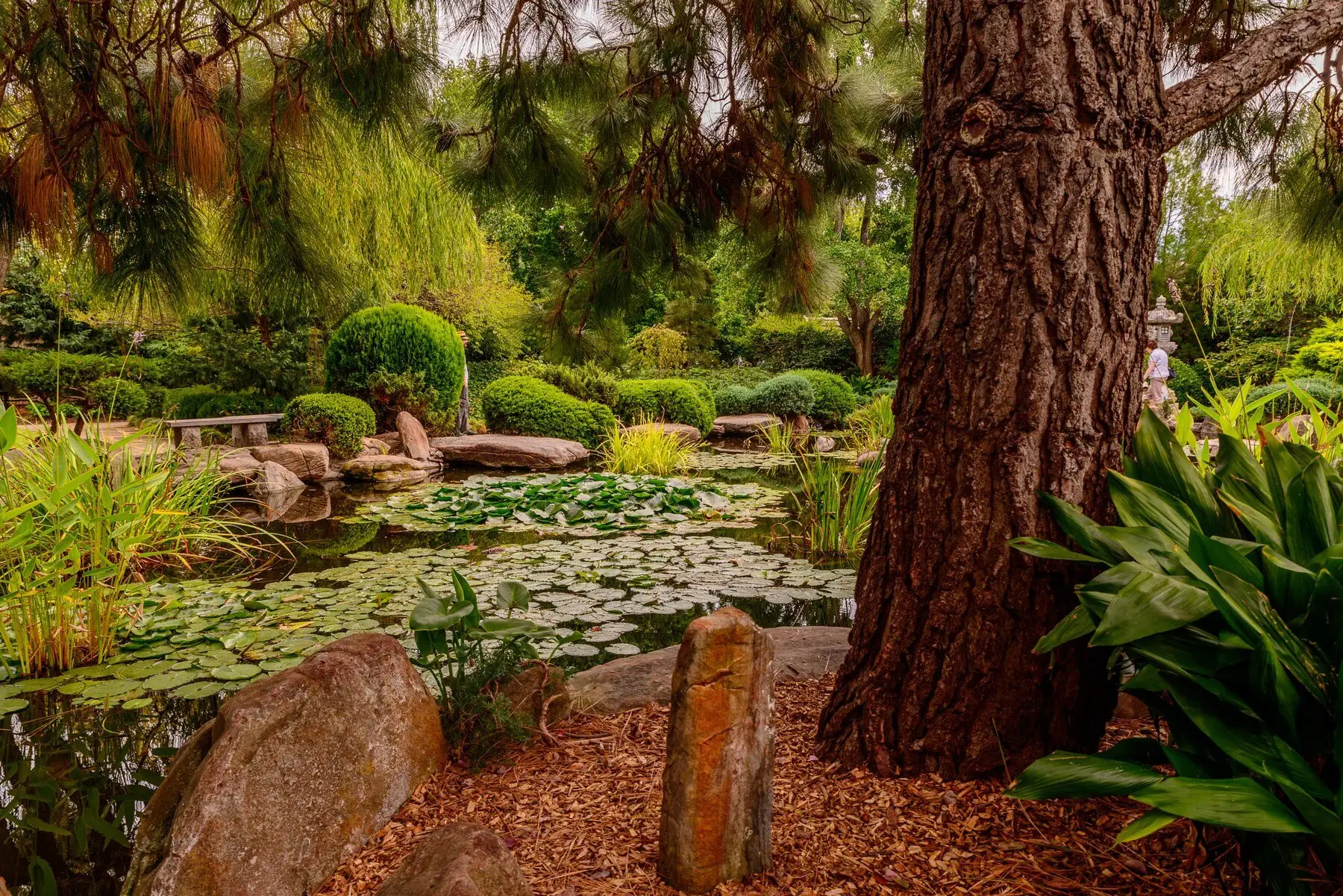
How Deep Should a Pond Be? Depths by Purpose and Climate
A wildlife pond wants shallow margins, koi want four feet, and freezing winters set the floor. The depths that matter, and the shelf plan that serves both.
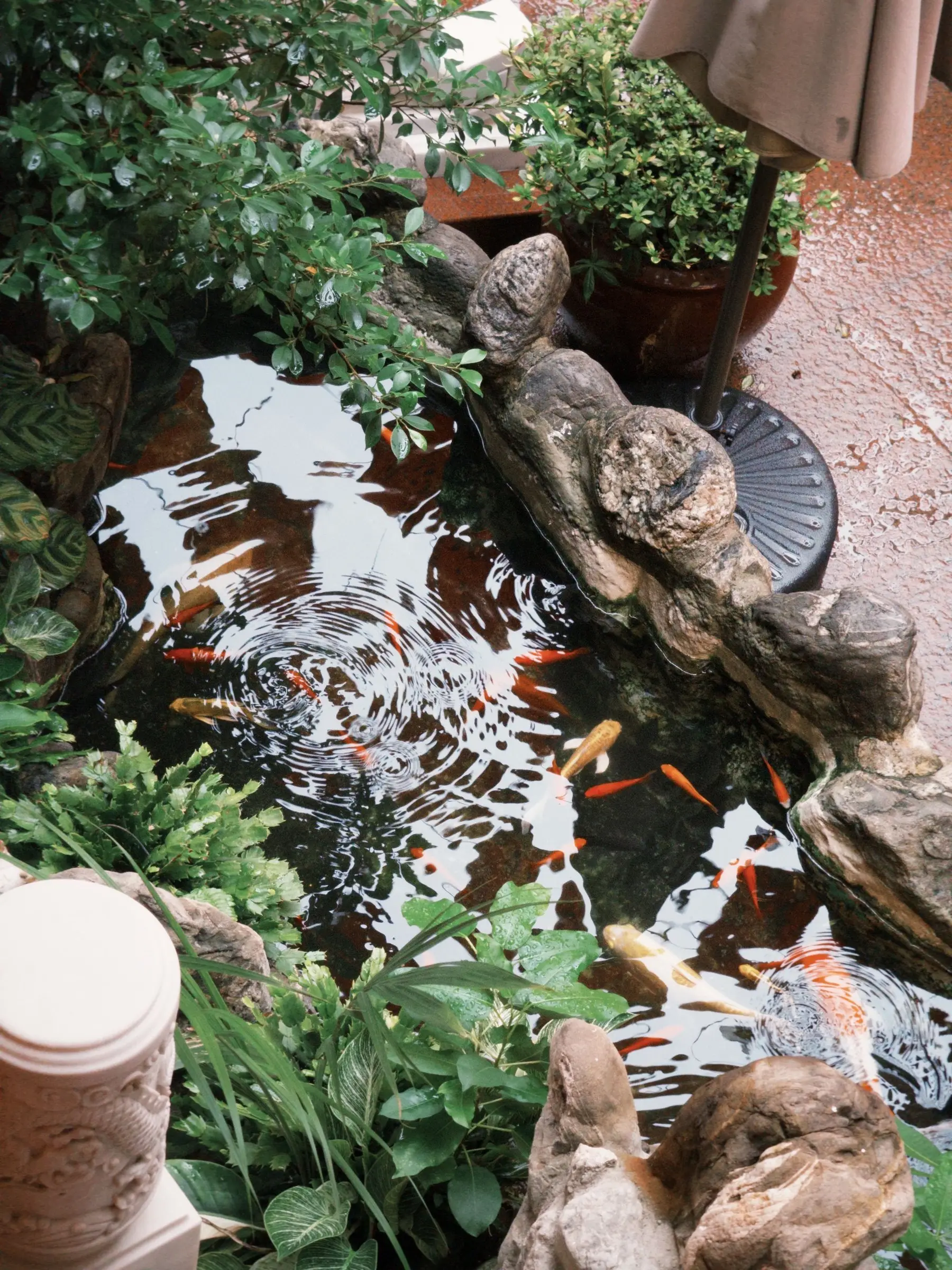
How to Hide a Pond Liner: The Edge Is the Whole Problem
A visible liner rim is what makes a pond look artificial. Overhanging stone, a bog shelf, planted margins and the trick of burying the top edge.
What to Do With an Unwanted Pond: Four Options, Compared
Fill it, restore it, convert it to a bog garden, or let it go wild. What each costs, what permission you may need, and how to pick before you dig.
Can Goldfish Live in a Pond? Yes, and Without a Pump
Goldfish overwinter outdoors and survive unfiltered ponds that are deep enough, planted and lightly stocked. What a pump actually buys you, and when you need one.