
How to Get Rid of Geese in Your Pond, and Keep Them Out
Geese pick a pond for open water, mown grass and a clear sightline. Change those three things and they leave — plus why feeding and fencing timing matter.
 By
On this page
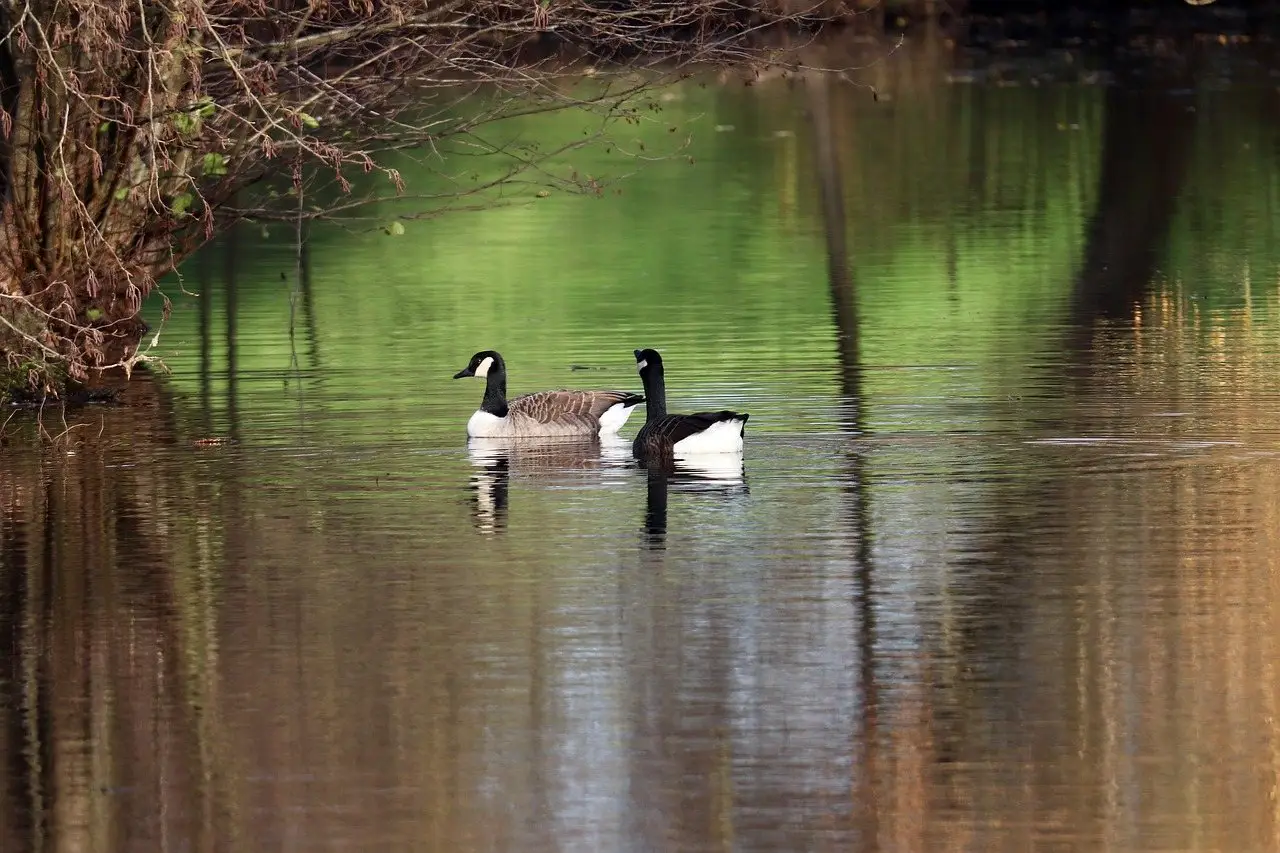
Geese choose a pond on three criteria, and all three are things you built. Open water to escape into, short grass to graze, and a clear view to spot a predator.
Act before they nest
- A pair scouting in late winter will move on from a hostile site easily
- A pair on a nest is protected by law — Migratory Bird Treaty Act in the US, provincial law in Canada, wildlife law in the UK and EU — and strongly attached to the spot
- Geese return to where they nested, every year. One successful season sets the pattern
So the window is the few weeks before nesting starts, and the work to do in that window is mostly landscaping.
The three things to change
| What they want | What you have | The change |
|---|---|---|
| Short grass to graze | Lawn to the waterline | Tall grasses, 20 ft border |
| A clear sightline | Open, mown bank | Shrubs and tall planting |
| Easy walk-in access | A gentle bank | 2–3 ft fence or wire |
| A reliable food source | Someone feeding them | Stop. All of it |
| Undisturbed water | Quiet pond | Grid lines, a dog, rotation |
Planting the bank, which is the real answer
Geese graze. A mown lawn running down to water is a grazing lawn with an escape route attached, which is precisely the thing they are looking for.
- Stop mowing a border of at least fifteen to twenty feet around the pond
- Let it grow tall, and plant into it — native grasses, sedges, rushes, low shrubs
- Aim for a screen above head height for a goose, which breaks the sightline they need to feel safe
- Keep it continuous. A gap in the planting becomes the only entry point, and they will use it
- Accept it takes a season to establish, which is why the planting goes in the autumn before the spring you want it working
This also improves the pond. An unmown buffer takes up nutrient runoff, which is the same nutrient load that drives algae.
The barrier only has to work at ankle height
Geese land on water but they walk between water and grass, and they are reluctant climbers.
A two to three foot fence, a line of dense shrubs, or even a single taut wire a foot above the bank interrupts the route they actually use. It does not have to keep anything out of the air, which is why it can be low and cheap.
Stop the feeding
This is not a side point. Fed geese stop migrating, build up to numbers the pond cannot carry, and stay for life.
- No bread, corn or scraps, ever
- Ask the neighbours. One person feeding them undoes everything else on this page
- A sign helps on a shared or community pond
- Bread causes angel wing in goslings — a wing deformity that leaves them permanently flightless, and therefore permanently resident
Deterrents, for the fortnight while the habit breaks
Landscaping is the fix; these buy you the transition.
- A trained dog, run regularly along the bank, is by a wide margin the most effective non-structural method. Border collies are used commercially for exactly this
- Grid lines strung across the water on stakes — parallel cords ten to fifteen feet apart make landing and taking off awkward
- Reflective scare tape streamers along the bank
- Flags and streamers on poles, moved every two or three days
- Walk the bank at dawn and dusk yourself, which is when they settle
Rotate everything. Geese habituate to any static object in about a week, and a decoy left in place becomes scenery.
Check before you touch a nest
Nests, eggs and adult birds are protected in most jurisdictions. Egg addling and nest removal are real management tools and they generally require a permit.
Harassment with deterrents is usually legal; interfering with a nest usually is not. One call to your state, provincial or national wildlife agency settles it.
What does not work
- Ultrasonic devices. Geese do not hear in that range
- A static swan or coyote decoy. Effective for about a week, then a landmark
- Mothballs, chemical repellents. No effect on geese, and illegal used outdoors in most places. Registered grass-taste repellents exist but need frequent reapplication and do nothing about the water
- Chasing them off occasionally. Harassment works only if it is relentless and varied
- Removing the geese but keeping the lawn. The next pair arrives next spring, to the same short grass and the same clear view
Common questions
How do I get rid of geese in my pond?
What is the most effective goose deterrent?
Is it legal to remove geese?
Why do geese keep coming back to my pond?
Does feeding geese make it worse?
How much mess do geese make?
Backyard Weekly
Know what to plant, week by week
Join the weekly email for seasonal jobs, fixes for what is going wrong, and gear worth buying.
Not ready to subscribe? The planting calendar is free and needs no email.
By subscribing you agree to our privacy policy. Grow In Backyard will never sell your address.
Keep reading
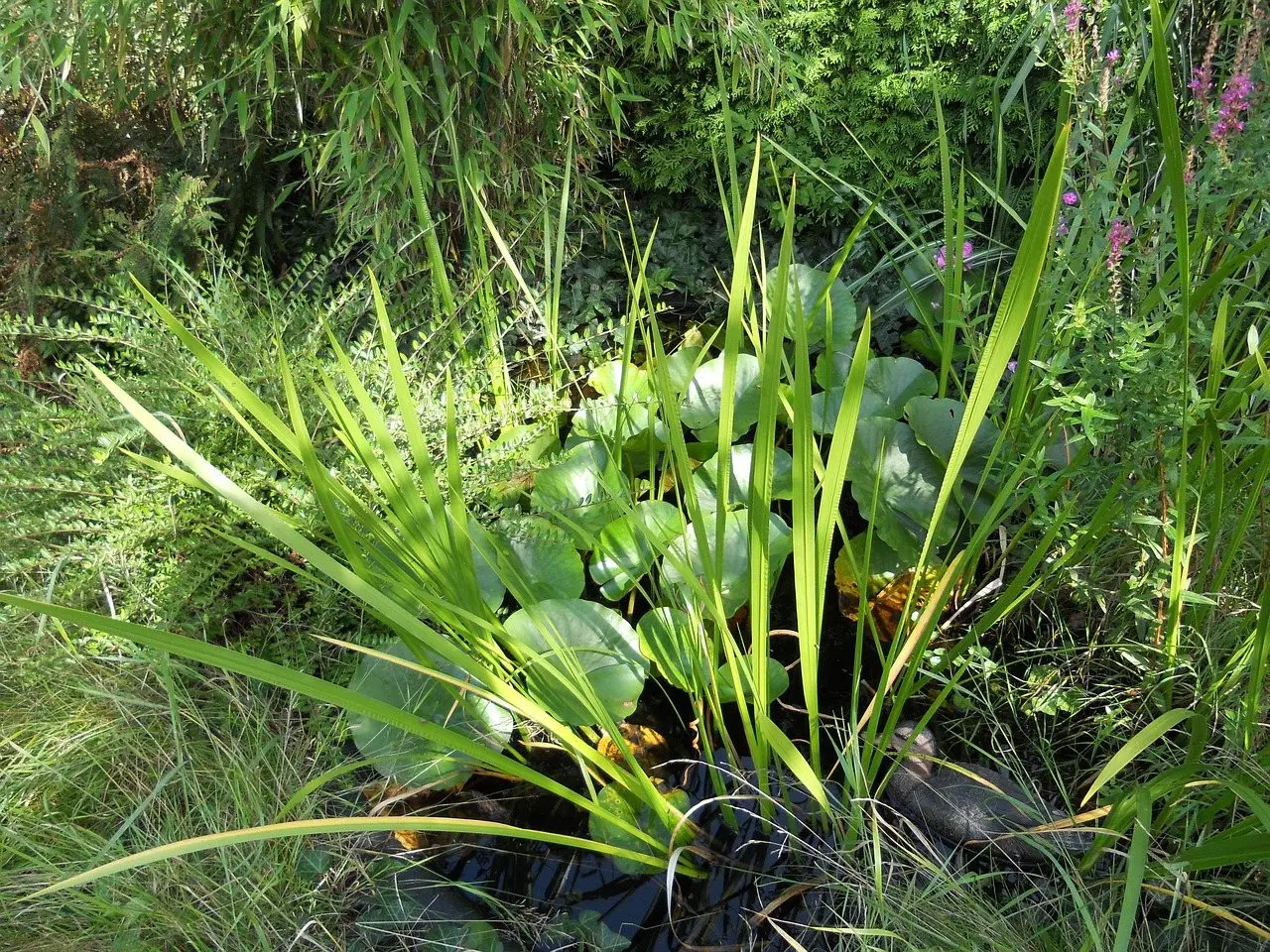
Can You Over Aerate a Pond? The Real Risks Are Not Oxygen
You cannot dissolve too much oxygen in a pond, but you can overturn it, strip its CO2, chill it or stress the fish. What over-aeration actually breaks.
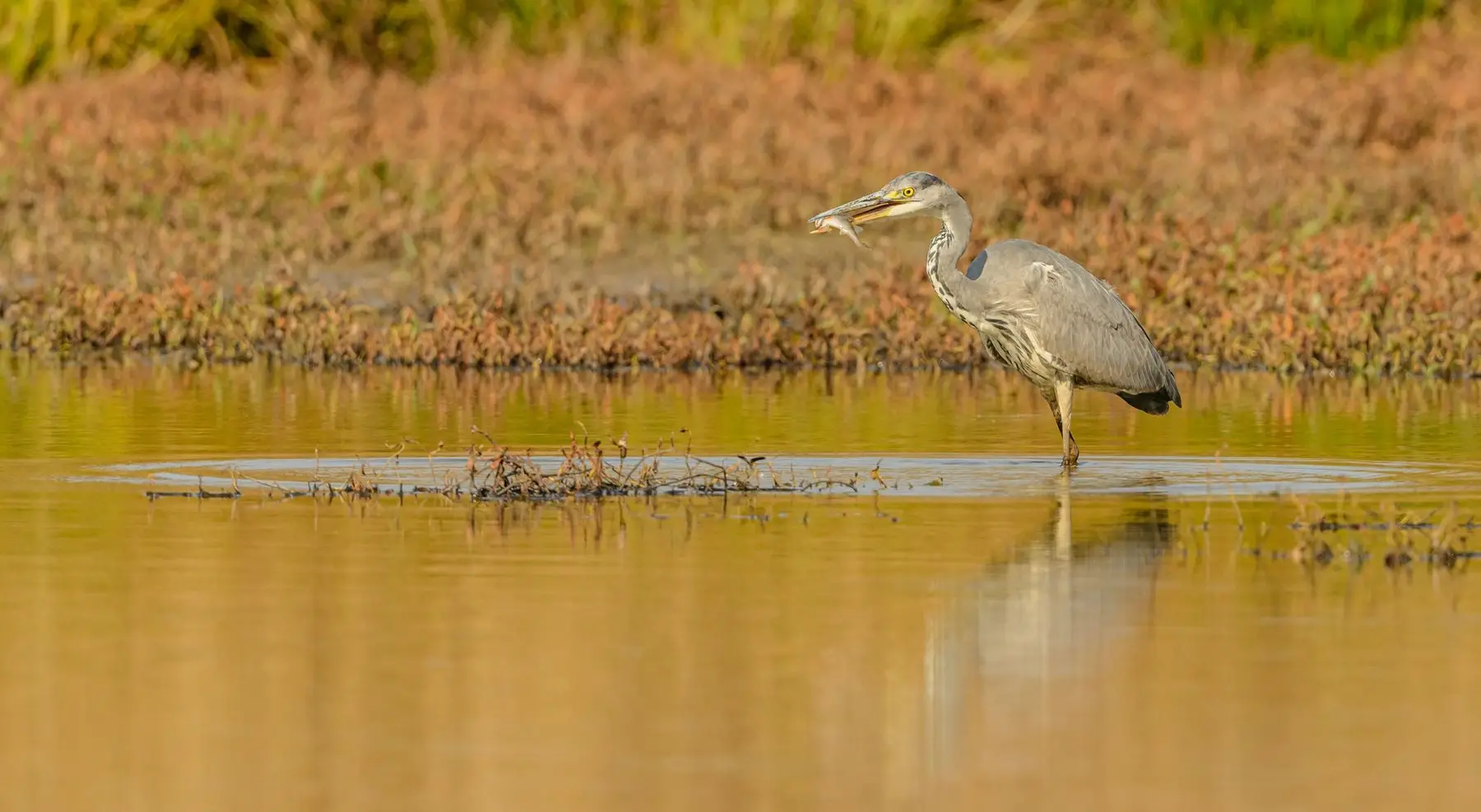
What Eats Frogs in a Pond? The Predators, Stage by Stage
Frogs are eaten by something at every life stage, and the main predators change completely between spawn, tadpole and adult. What is taking yours.
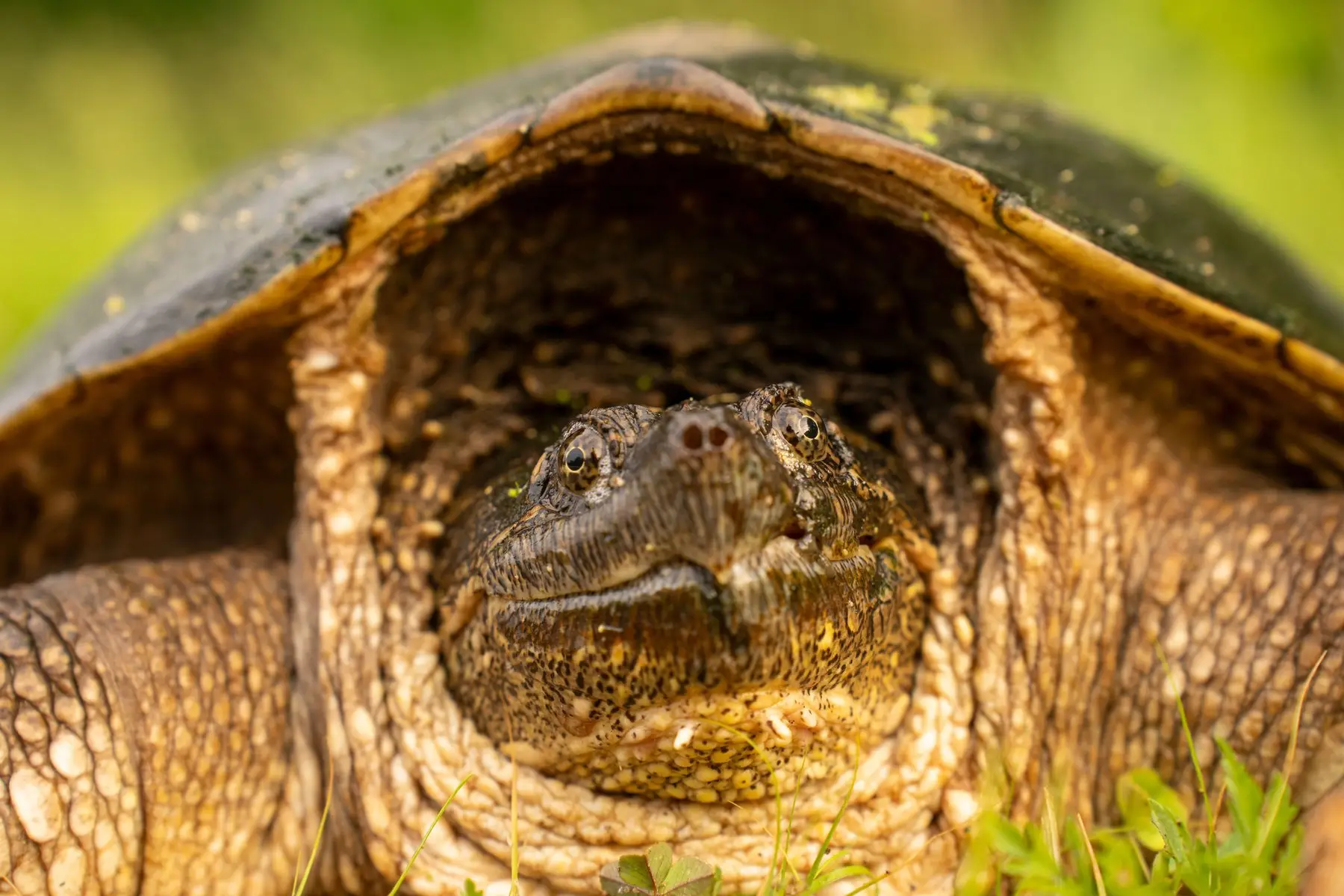
How to Get Rid of Snapping Turtles in a Pond
Most snapping turtles do far less damage than people assume. How to judge whether yours is a problem, what the law allows, and the options that work.
How to Hide a Pond Liner: The Edge Is the Whole Problem
A visible liner rim is what makes a pond look artificial. Overhanging stone, a bog shelf, planted margins and the trick of burying the top edge.