
What Eats Frogs in a Pond? The Predators, Stage by Stage
Frogs are eaten by something at every life stage, and the main predators change completely between spawn, tadpole and adult. What is taking yours.
 By
On this page
Something eats them at every stage, and the predators change completely as they grow. In most garden ponds the heavy losses happen long before anything becomes a frog — and the usual culprit is not the heron everyone blames.
Stage by stage
| Stage | Main predators |
|---|---|
| Spawn | Newts, fish, water snails, beetle larvae, some birds |
| Tadpole | Dragonfly and damselfly larvae, great diving beetles and their larvae, backswimmers, water boatmen, newts, all fish |
| Froglet | Larger frogs, birds, grass snakes, beetles, cats |
| Adult | Herons and wading birds, grass and water snakes, foxes, raccoons, otters, mink, domestic cats, large fish |
The heron gets the blame and the dragonfly larva does the damage
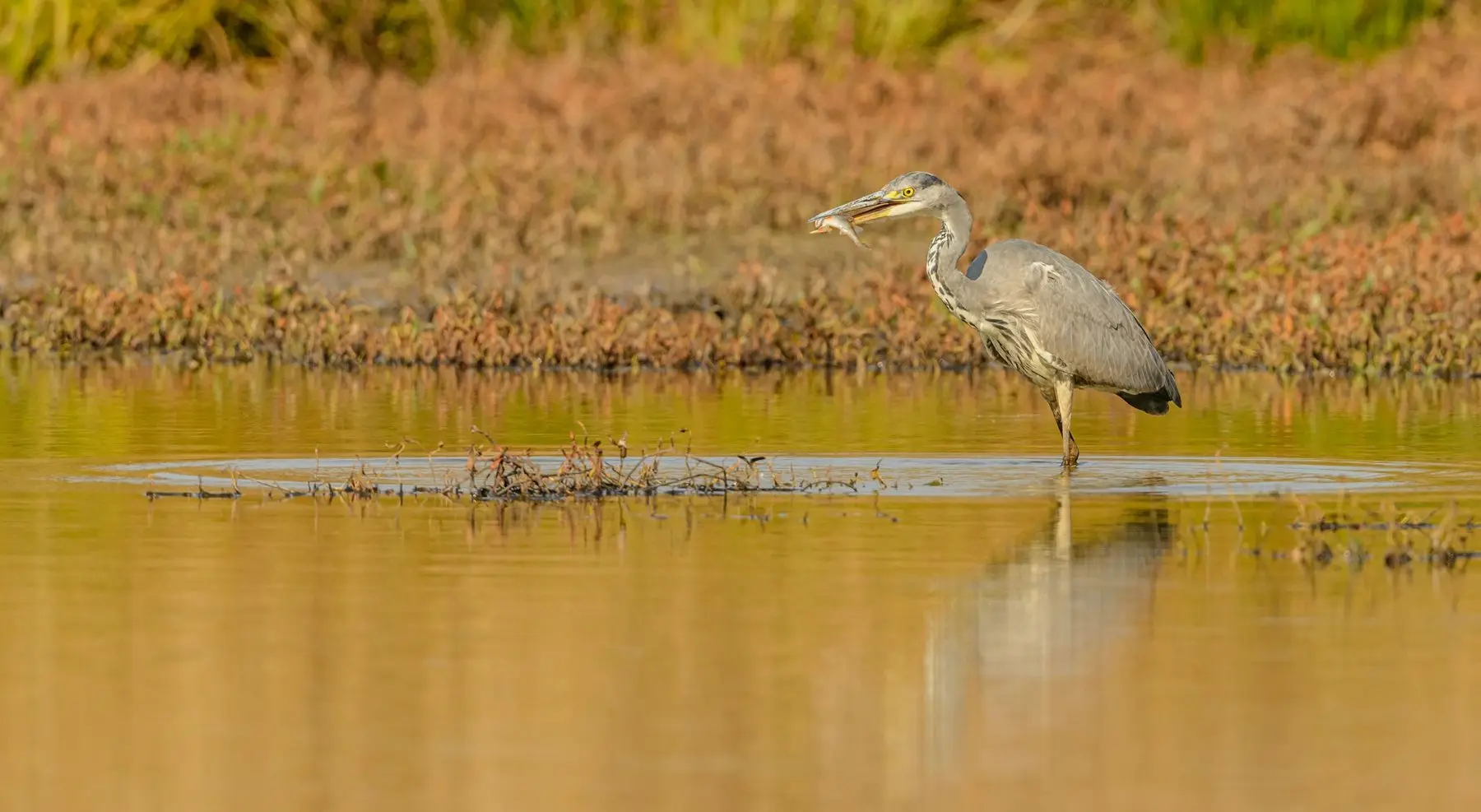
Herons are visible, dramatic and easy to resent, so they absorb most of the blame for a pond with no frogs in it.
But a heron eats adults — and in a typical garden pond the great majority of a generation has already been eaten as tadpoles, by invertebrates nobody ever sees. Dragonfly and damselfly larvae are serious predators with months to work in.
The fish question
This is the one that is genuinely in your control.
Goldfish and koi eat spawn and tadpoles readily. A stocked ornamental pond will usually produce no frogs at all, however good the planting is.
You are choosing between fish and frogs, not balancing them
No amount of marginal planting compensates for a population of fish that spends all day eating tadpoles.
If breeding amphibians are what you want from a pond, keep fish out of that pond. If you want both, you need two ponds. This is the single highest-impact decision available and it is usually made by accident.
Newts are predators too
Worth saying because it genuinely surprises people.
Newts get filed mentally alongside frogs as “the pond wildlife”. They are not peers — newts eat frog spawn and tadpoles as a matter of course.
A pond with a good newt population will often produce few froglets, and nothing has gone wrong.
Why they all vanished
Usually predation plus ordinary attrition, not one dramatic event.
A frog lays a very large number of eggs precisely because survival to adulthood is in the low single digits of a per cent, even in a healthy pond. Disappearance is the normal outcome.
If they went suddenly rather than dwindling, look at:
- Fish — newly introduced, or arrived as eggs on plants
- Newts in numbers
- The pond drying or overheating in a hot spell
- A shallow pond that froze solid
Helping them
Give cover rather than removing predators.
- Dense marginal and oxygenating planting — somewhere to not be seen
- A shallow shelf with vegetation for froglets leaving the water
- Logs and stones at the edge, and long grass leading away from the pond
- Keep fish out, which outweighs everything above
The most effective thing is to stop tidying the edges
Frogs spend most of the year out of water, and a mown, cleared, gravelled pond margin offers no cover at exactly the moment froglets are leaving.
An untidy edge is worth more than any deterrent aimed at a heron.
Common questions
What eats frogs in a pond?
What eats tadpoles?
Why did all my tadpoles disappear?
Do fish eat frogs and tadpoles?
Are herons the main problem in a garden pond?
How do I protect frogs in my pond?
Backyard Weekly
Know what to plant, week by week
Join the weekly email for seasonal jobs, fixes for what is going wrong, and gear worth buying.
Not ready to subscribe? The planting calendar is free and needs no email.
By subscribing you agree to our privacy policy. Grow In Backyard will never sell your address.
Keep reading
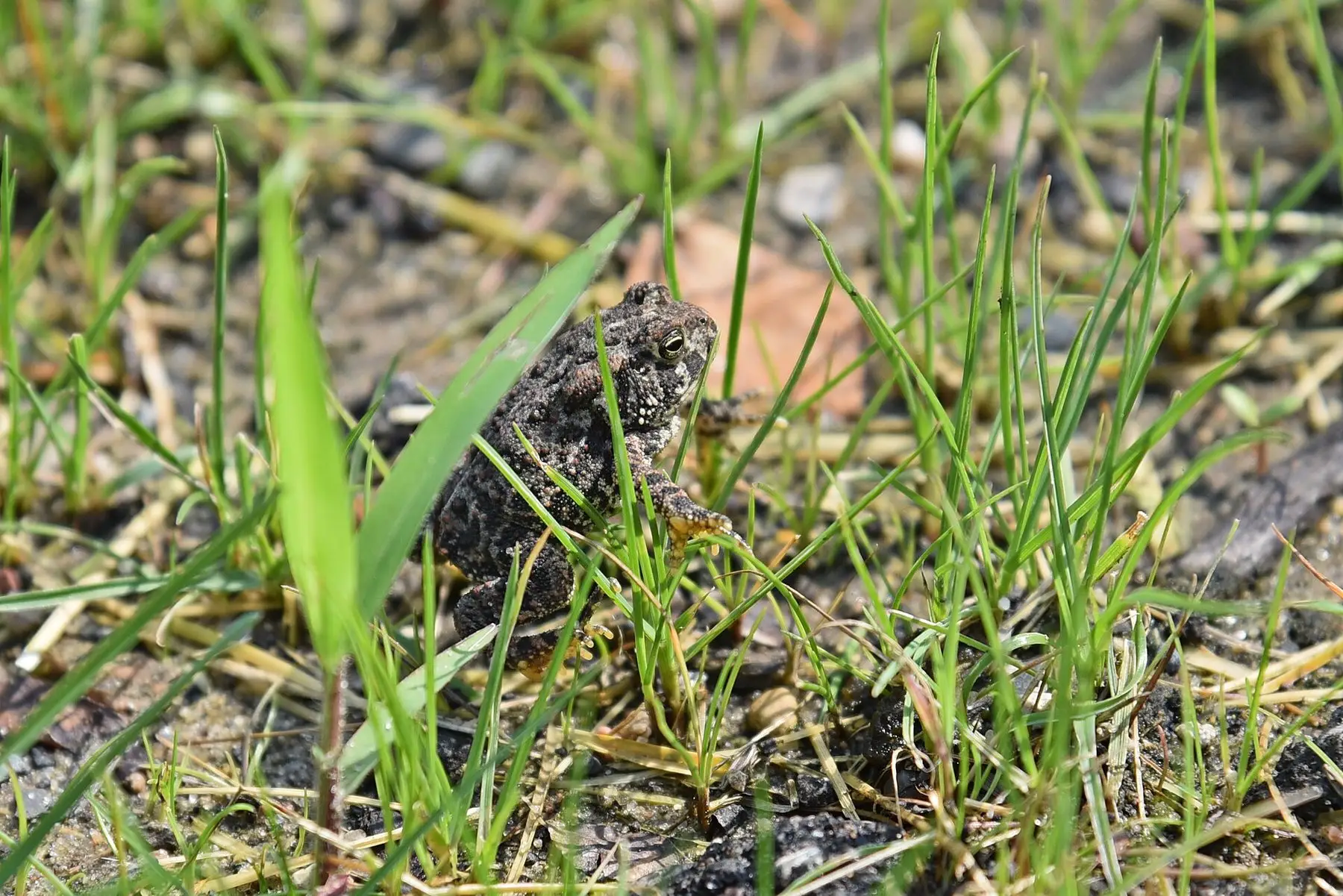
Frogs in the Backyard: Why They Are There, and the Holes
Frogs in a yard mean damp cover, insects and water nearby. What they eat, what those holes in the lawn really are, and whether to keep them around.
What Eats Algae in a Pond? Fish, Snails and What Actually Works
Algae eaters help at the margins, but nutrients cause algae and only nutrient control fixes it. What each species really does, and the order to tackle it in.
Do Ducks Eat Fish? What That Means for a Backyard Pond
Most backyard duck breeds will eat small fish, fry and eggs opportunistically. The bigger threat to your pond is not predation — it is what ducks do to the water.
What Flowers Can Tortoises Eat? A Safe and Unsafe List
Hibiscus, dandelion, nasturtium and rose are all safe and popular. The flowers that are genuinely toxic, and why variety matters more than any one.